contact@haitiwonderland.com+509 36184317

Discover

Shopping Cart

What is the Most Beautiful Beach in Haiti?

What is the Most Beautiful Beach in Haiti?

Haiti, nicknamed the pearl of the Caribbean, is full of idyllic beaches with crystal clear waters and breathtaking landscapes. But among these natural treasures, one question often comes up: what is the most beautiful beach in Haiti? Although the choice depends on each person’s tastes, some beaches stand out for their exceptional beauty and unique charm.

Haïti
Haïti
Haïti

Labadie: An Unmissable Icon

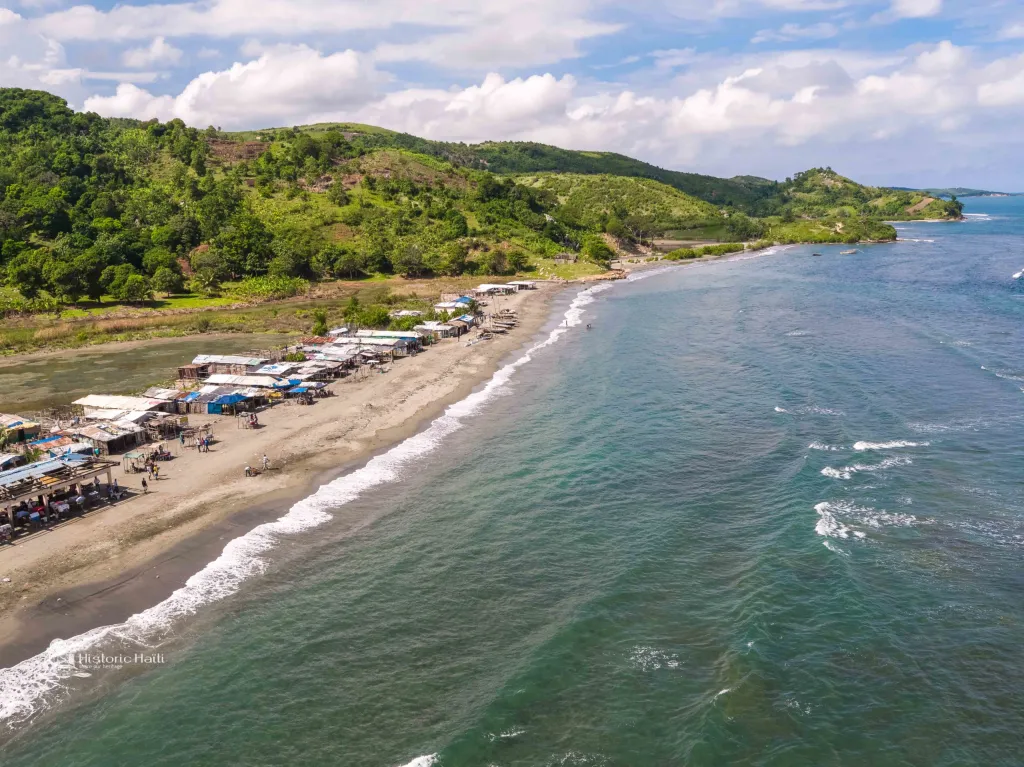
Located in the north of the country, a few kilometers from Cap-Haïtien, Labadie is often considered one of the most beautiful and famous beaches in Haiti. This tropical jewel offers a heavenly setting, with its fine white sand, turquoise waters and green hills as a backdrop.

Haïti
Haïti
Haïti

Why is Labadie so special?

1. Tourist attractiveness: Labadie is a popular destination for cruise passengers from all over the world. It welcomes thousands of visitors each year thanks to Royal Caribbean, which has built world-class facilities there.
2. Diverse activities: Between snorkeling, kayaking, ziplining over the sea and artisan markets, Labadie offers a complete experience for travelers.
3. Natural beauty: Its peaceful lagoon and secluded coves make it a perfect place to relax and admire the splendor of the Caribbean.

Haïti
Haïti
Haïti

Other Beaches to Discover in Haiti

While Labadie is an undisputed star, Haïti has many other beaches that are just as sublime.

Haïti
Haïti
Haïti

Cormier Plage

Renowned for its peaceful ambiance, pristine golden sand and crystal clear turquoise waters. It is an ideal place to relax, offering visitors a quiet getaway surrounded by lush greenery and magnificent coastal views.

The beach is part of Cormier Plage Resort, which offers a variety of accommodations, dining options, and activities like snorkeling and kayaking. The area is also rich in culture and history, with nearby landmarks like Citadelle Laferrière and Palais Sans-Souci offering opportunities to explore Haitian heritage.

Cormier Plage is perfect for those seeking a serene retreat with a touch of adventure and historical discovery.

Haïti
Haïti
Haïti

Royal Decameron Indigo Beach Resort & Spa

Royal Decameron Indigo Beach Resort & Spa is one of Haiti’s most popular destinations for a relaxing and memorable vacation. Located in Montrouis on the Côte des Arcadins, this all-inclusive resort offers a unique experience, blending modern comforts, natural beauty, and local culture.

Paradise Beach: With a long stretch of fine sand and turquoise waters, the beach is perfect for relaxing or practicing water activities.

Modern Facilities: The resort has several swimming pools, restaurants, bars, and a spa offering various relaxing treatments.

Varied Activities: Visitors can enjoy water sports, cultural shows, theme nights, and activities for the whole family.

International and Local Cuisine: The resort offers a mix of Haitian and international dishes, allowing visitors to discover local flavors.

Strategic Location: The Côte des Arcadins is ideal for exploring the surrounding attractions, such as the Arcadins Islands and the craft markets.

The Royal Decameron Indigo is a perfect destination for couples, families, and groups of friends looking for a tropical getaway that combines relaxation and cultural discovery.

Haïti
Haïti
Haïti

Bassin Bleu

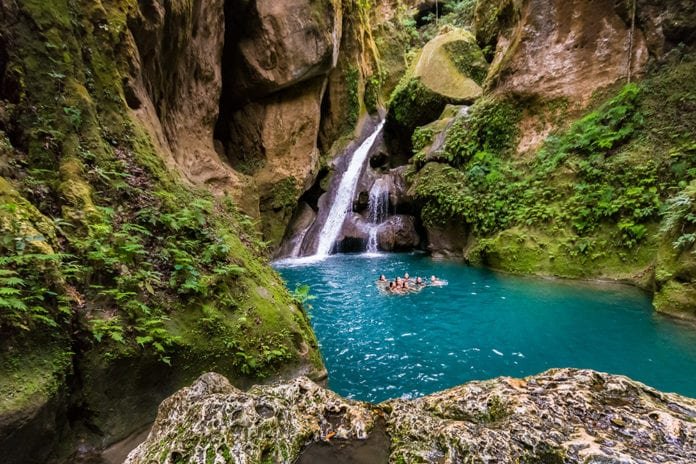
Bassin Bleu is one of Haiti’s most spectacular natural wonders, located near the city of Jacmel in the southeast of the country. This set of waterfalls and natural pools with turquoise blue waters is surrounded by lush vegetation, creating an enchanting and peaceful setting, perfect for a nature getaway.

Three main pools:

Bassin Clair: The most famous and spectacular, renowned for its crystal clear waters.

Bassin Bleu: Which gives its name to the site and impresses with its magical atmosphere.

Bassin Palmiste: A quieter place, ideal for those seeking tranquility.

The path to reach Bassin Bleu involves a short hike through nature trails, often with the help of local guides. This route adds a touch of adventure to the visit.

A descent along a rock using a rope leads to the main pool.

Activities:

Swimming: The cool waters of the pools are ideal for a relaxing swim.
Water jumping: For the more adventurous, it is possible to dive into the pools from high points.
Photography: The site is incredibly photogenic, with its contrasts between the blue waters and the surrounding greenery.
Proximity to Jacmel:

After the tour, you can explore Jacmel, famous for its colonial architecture, crafts and artistic ambiance.

Bassin Bleu is a must-see destination for nature lovers and those who want to discover a unique and magical side of Haiti.

Haïti
Haïti
Haïti

Labadie, the Star of Haitian Beaches

If you are looking for the most iconic and accessible beach in Haiti, Labadie is a safe bet. However, the country is full of other gems to explore, each offering a unique experience. From the secluded beaches of Île-à-Vache to the creative energy of Jacmel, Haïti proves that it is a premier beach destination in the Caribbean.

Share
About the Author
Appolon Guy Alain
Appolon Guy Alain
Appolon Guy Alain

Full Stack Developer, Créatif, expérimenté, passionné des nouvelles technologies et de l’art.

See other articles from Appolon Guy Alain
Leave a comment

Recently Posted

Christmas in Haiti: Between Magic, Discoveries and Delicacies

The joyful ringing of bells echoes through the streets of Haïti as the holiday season approaches. Christmas is a magical time when the streets light up, families gather and a warm atmosphere invades the island. Between traditions, cultural discoveries and gourmet feasts, Christmas in Haïti promises a unique experience. b~The Magic of Lights and Decorations~b From the beginning of December, Haïti is adorned with sparkling lights and festive decorations. The markets come alive with shimmering garlands, twinkling stars and ornate fir trees. The streets of Port-au-Prince in Jacmel shine with a special magic, inviting locals and visitors to immerse themselves in the festive spirit. b~Haitian Traditions at Christmas~b Christmas in Haïti is celebrated with a unique combination of religious traditions and local customs. Midnight Mass is a deeply rooted tradition, drawing worshipers to churches to celebrate the birth of Jesus in a vibrant atmosphere of song and prayer. A popular tradition is the "Dawn Mass" which takes place at dawn on December 25. The faithful gather to welcome Christmas Day with special fervor, testifying to the deep spirituality that permeates the festivities. The festivities are not limited to churches. Street parades, folk dances and concerts are commonplace, creating a joyful atmosphere throughout the country. Traditional Haitian music, such as direct compass and voodoo, adds a special dimension to these celebrations. b~Cultural Discoveries: Haitian Crafts~b Christmas is also an ideal opportunity to discover unique Haitian crafts. Christmas markets offer a variety of handicrafts, such as wooden sculptures, vivid paintings, wrought iron items and traditional jewelry. These works of art reflect the artistic talent of the Haitian people and provide unique and meaningful gifts. Local markets, such as the Ferrier market in Cap-Haitien and the Jacmel market, are essential places to discover the authenticity of Haitian crafts. These purchases also help support local artists and the community economy. b~Gourmet Feasts: Christmas Cuisine~b Christmas in Haïti is also a gastronomic celebration. Families gather around festive tables laden with traditional culinary delights. “Joumou soup”, a pumpkin soup, is an essential specialty of the holiday season. Pork, lamb and chicken dishes are also common, accompanied by rice and local vegetables. Traditional desserts, such as “Pen patat” and “Tablèt Pistach,” add a sweet touch to the celebration. Tropical fruits, such as mangoes and bananas, are also often present on Christmas tables, recalling the richness of Haitian biodiversity. Christmas in Haïti is a vibrant celebration that blends the magic of lights, religious traditions, local crafts and delicious cuisine. It is a time when joy and generosity are in the spotlight, and when Haitians open their hearts to share the magic of the season with the world.

Vertières, Fort Mazi: Beyond historical truth;

If you look up the word vertière in a French dictionary, you will not find it for fear that the world does not know this place represents the Achilles heels of the most powerful European army. What’s more, this one had just successfully won the eastern campaign. French historians of the time erased this geographical location from the radar of history because they did not want to tell the story as it is in the sense of explaining the first great humiliation of the expeditionary army French by bands of slaves who were totally ignorant in the art of waging war, much less in the handling of weapons. However, these illiterate wars routed the Napoleonic army, the most powerful at that time, using the means at hand. This expeditionary army, after having brought Europe to its knees, would experience its first rout by slaves in this geographical location, located in the Northern department of Haiti. Funny story, this city is not on the list of French words even though given its historical importance, it should be at the heart of universal history, far from putting an end to the invincibility of the undefeated army army. So as not to offend the white masters, no political leader has ever asked why vertière does not appear in any French dictionary? However, they celebrate this battle with great fanfare every November 18. What historic hypocrisy among our leaders! After Vertière many other historical places are strangled by historians in order to hide the extremes of atrocities of the French colonists on the slaves. It is in this context of historical strangulation that “Fort Mazi” is not mentioned in school history textbooks. This is located in Petit-Goave, 2nd municipal section, Arnoux locality. We came across this mega fort, during a mobile clinic entirely financed by the Ernest Junior foundation, a charitable foundation which works in the social sector, particularly in the field of art and music. According to residents , the oldest in this locality, this fort was built on at least 20 squares of earth by the settlers. It was a huge military complex divided into compartments, outposts, turtle rooms, rooms for treating colonists, a large Catholic church, and a cemetery. However, we never talk about this fort so much so that it is ignored by history teachers in the town of Petit-Goave. Certainly, the desired disappearance of this fort under the radar of history buries the atrocities, the barbarities, the most inhumane punishments of the colonists on the slaves. Looking closely at reality, everything seems true that it is the largest fort ever built during the period of colonization. Moreover, it probably seems the most fortified in relation to its importance. Remember that Vertière only exists in Haitian school history textbooks while Fort Mazi does not appear, much less in French dictionaries or history books. This explains why this fort was a secret place in which the settlers practiced crimes and atrocities that went beyond human understanding. Is it not a clear desire of historians to hide what this immense fort built on at least 20 tiles of earth really was? Discover the history of Haiti: A fascinating story to explore! : https://haitiwonderland.com/haiti/histoire/decouvrez-l-histoire-d-haiti--un-recit-fascinant-a-explorer/81

Newsletter

Subscribe to our newsletter to stay informed of all our activities and news on Haiti.

Haïti, a rich and impoverished country

Located in the western part of the island of Hispaniola, Haïti is a land imbued with natural, cultural and historical wealth. Unfortunately, behind the beauty of its landscapes, the richness of its culture and the delicacy of its cuisine lies a complex reality marked by the debt of its independence and the persistent interference of third countries, casting a shadow over its stability. b~The Natural Beauty of Haïti~b Haïti, nicknamed the "Pearl of the Antilles", dazzles with the diversity of its landscapes. From majestic mountains and lush valleys to meandering rivers and sandy beaches, the country offers natural beauty worth celebrating. The famous Citadelle Laferrière mountains and the refreshing waterfalls of Bassin-Bleu are just a few examples of the splendor that characterizes this nation. b~A Rich and Diverse Culture~b Haïti stands out for its vibrant and diverse culture. A heritage of African, French and indigenous influence, Haïtian music, dance and art reflect a unique fusion. Colorful festivals, like Carnival, are celebrations of this cultural richness, attracting visitors from all over the world. b~Delicious Cuisine~b Haïtian cuisine, tasty and spicy, is another aspect worth celebrating. Dishes like griot, sticky rice, and the legendary joumou soup, traditionally prepared to commemorate independence, are all culinary delights that demonstrate the country’s gastronomic ingenuity. b~Heritage Treasures and Paradise Beaches~b Haïti’s heritage treasures, such as the remains of the Sans-Souci Palace and the Citadelle Laferrière, listed as UNESCO World Heritage Sites, are testimonies to the architectural grandeur of Haïti’s past. At the same time, beaches like Labadee and Jacmel offer havens of peace with crystal clear waters, attracting travelers in search of a tropical paradise. b~A Fascinating Story~b The history of Haïti is both fascinating and tragic. It was the first country in the Americas to gain its independence, in 1804, after a courageous slave revolt. However, this independence came with a heavy financial price. France demanded exorbitant compensation, thus laying the foundations for Haïti’s foreign debt. b~The Debt of Independence and Foreign Interference~b Despite these treasures, Haïti struggles with the reality of its independence debt. After gaining its freedom, the country was forced to pay France a considerable sum in compensation for losses associated with the abolition of slavery. This debt has been a major economic burden for Haïti, hindering its development. Additionally, foreign interference continues to create significant challenges. External political and economic interventions have often contributed to the country’s instability, hindering its ability to build a sustainable future for its citizens. b~In conclusion~b Haïti remains a country of multiple riches, but its challenges persist. Despite its natural beauty, rich culture and fascinating history, the nation needs enlightened international support and lasting solutions to overcome the obstacles that stand in its way. Haïti’s wealth lies not only in its enchanting landscapes, but also in the potential of its people to be resilient and prosper despite persistent challenges.
Haïti et son Rôle Pionnier dans l’Abolition de l’Esclavage Mondial

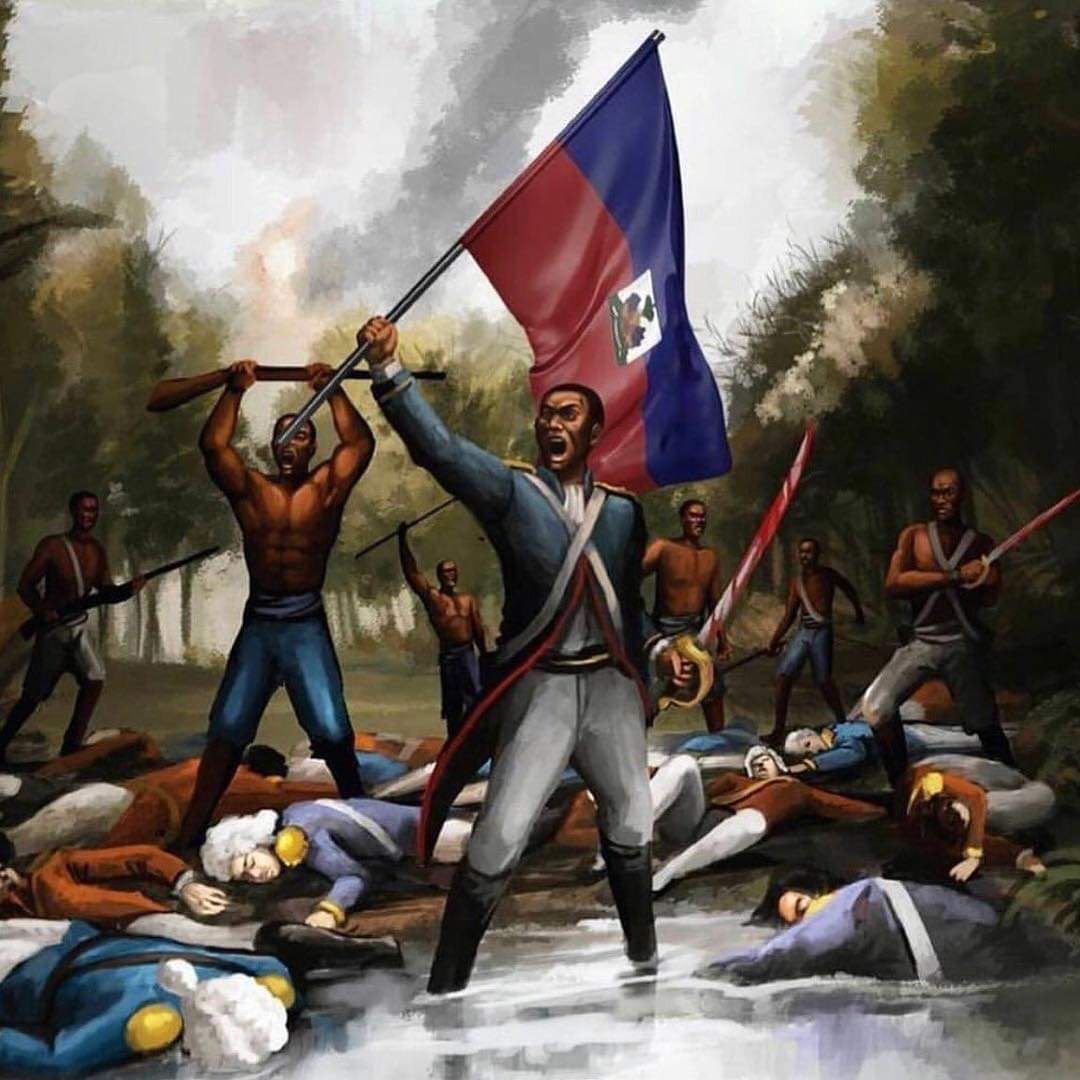
For centuries, the institution of slavery has darkened human history, leaving behind a legacy of pain, oppression and the struggle for freedom. However, in this dark tale, one nation stands out for its courage and determination to break the chains of oppression: Haiti. Located in the Caribbean, Haïti played a pioneering role in the abolition of slavery, laying the foundation for the fight for freedom and equality around the world. The history of slavery in Haïti dates back to the arrival of Europeans on the island, which was then called Santo Domingo, in the 15th century. French colonists quickly established an economy based on sugar and coffee production, cruelly exploiting millions of African slaves deported to work on plantations. However, this brutal system engendered fierce resistance from slaves, whose fight for freedom ultimately led to one of the most significant revolutions in history. In 1791, under the leadership of iconic figures such as Toussaint Louverture, Jean-Jacques Dessalines and Henri Christophe, Haitian slaves rose up against their oppressors in an unprecedented rebellion. This revolt resulted in a war of independence that lasted more than a decade, but ultimately resulted in the proclamation of Haiti’s independence in 1804, making that country the first post-colonial nation ruled by people from slavery. The impact of the Haitian Revolution on the abolition of slavery worldwide cannot be overstated. By breaking the chains of oppression and proclaiming their independence, Haitians have sent a powerful message to all oppressed peoples around the world: freedom is possible, and it is worth the struggle. The example of Haïti inspired other movements for the abolition of slavery in the Americas and beyond, thus helping to shake the very foundations of the institution of slavery. Haiti’s participation in the fight against slavery was not limited to its territory; it also extended to external actions where Haitian men were sent or actively participated in movements for the abolition of slavery in other regions of the world. For example, Haitian President Alexandre Pétion supported Simón Bolívar, the leader of the South American revolution, by providing him with weapons, money and even men, which contributed to the liberation of several countries in America Latin of colonial domination. Haïti also provided support for independence movements in Central America. Haitian fighters, led by General Jean-Pierre Boyer, helped Venezuelan patriots fight against Spanish rule, contributing to the liberation of that region. The Haitian government financially and diplomatically supported movements for the abolition of slavery in countries such as Venezuela, Colombia and Mexico, contributing to the gradual eradication of this institution throughout the region. Although Haïti did not directly participate in the American Civil War, many Haitians and descendants of Haitians played crucial roles in the abolitionist movement in the United States. Figures who were of Haitian origin or of Haitian ancestry, were important voices in the fight against slavery and for equal rights in the United States. The legacy of the Haitian Revolution remains a symbol of resistance and courage for future generations. Today, as the world continues to struggle against injustice and oppression in various forms, Haiti’s history reminds us that the fight for freedom is a universal fight, one that transcends borders and times. Haiti’s participation in the abolition of slavery throughout the world remains a crucial chapter in the history of humanity. Through their courage and determination, Haitians have paved the way for a future where freedom and equality are inalienable rights for all.

Recently Posted

History

History

First black nation to free itself from slavery and gain independence from France in 1804 and influenced other liberation movements around the world, inspiring struggles for freedom and equality.

Natural beauty

Natural beauty

Haïti is blessed with spectacular natural landscapes, including white sand beaches, mountains and rich biodiversity.

Heritage

Heritage

Haïti has a rich historical heritage, including sites like the Citadelle Laferrière and the Sans-Souci Palace, listed as UNESCO World Heritage Sites.

Culture

Culture

Haïti has a rich and diverse culture, influenced by African, European and indigenous elements. Haitian music, dance, art and cuisine are celebrated around the world.

  • +
    • Post