contact@haitiwonderland.com+509 36184317

Discover

Shopping Cart

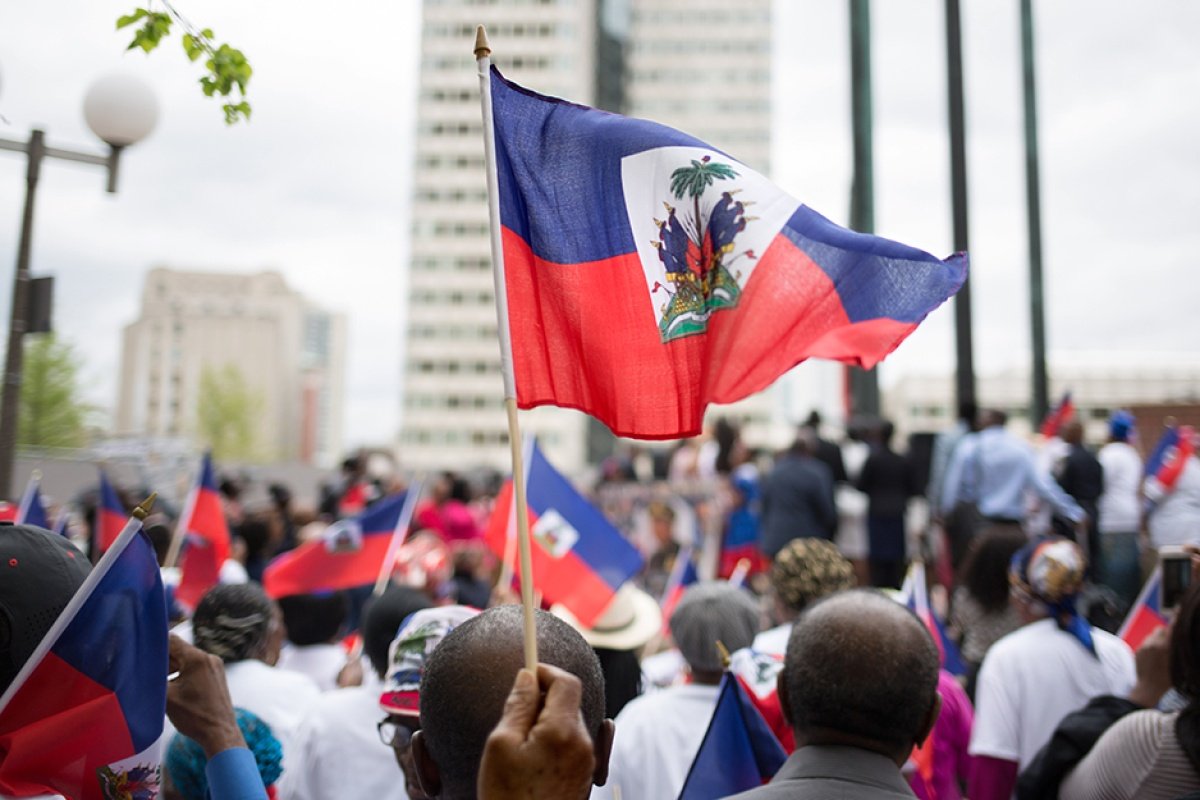
What Does “Strength in Unity” Mean for Haiti
What Does  Strength in Unity  Mean for Haiti
What Does Strength in Unity Mean for Haiti

What Does “Strength in Unity” Mean for Haiti

Haiti’s national motto, “Strength in Unity,” is emblazoned on the Haitian flag and is an integral part of the country’s identity. But what does this phrase really mean to Haïti and why is it so important? This article explores the historical, cultural, and symbolic significance of this motto, which embodies the Haitian spirit of solidarity and resilience.

Haïti
Haïti
Haïti

A Legacy of the Haitian Revolution

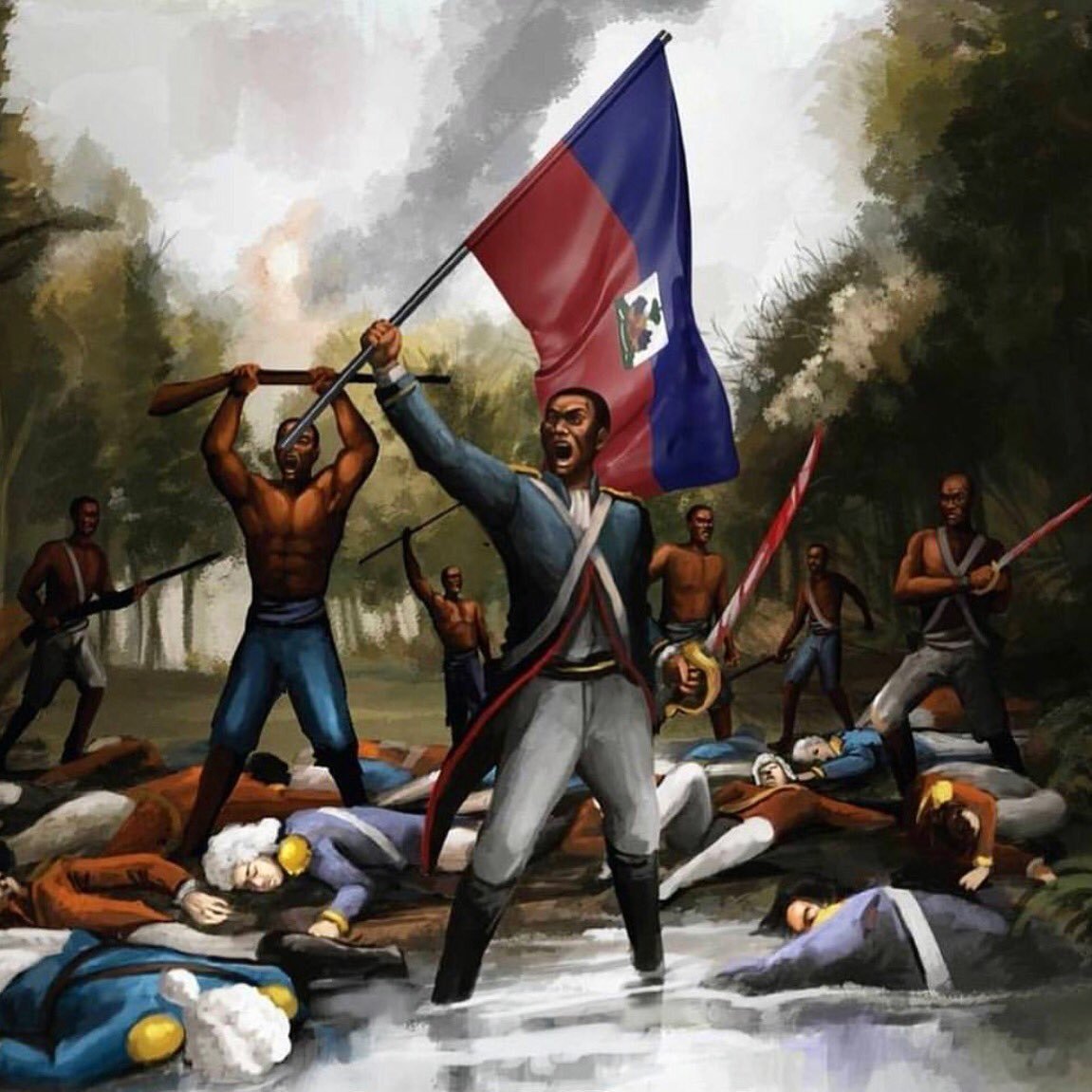
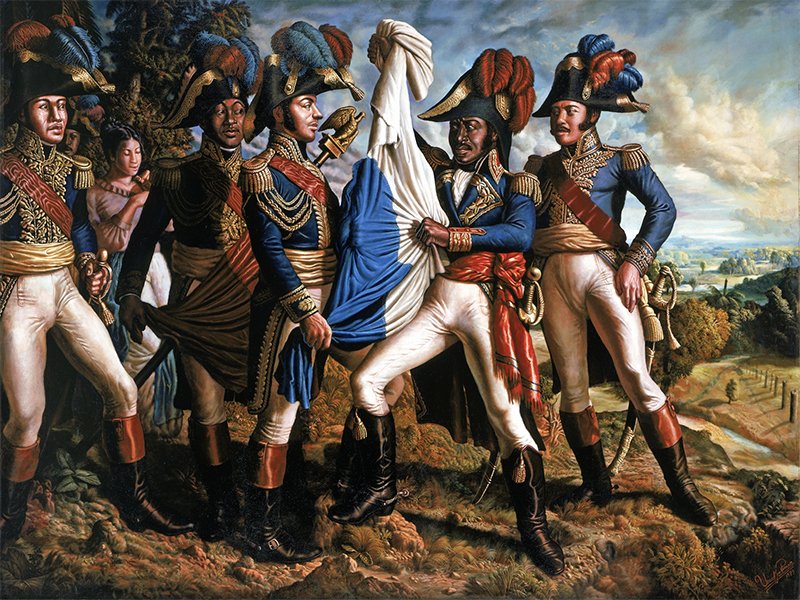
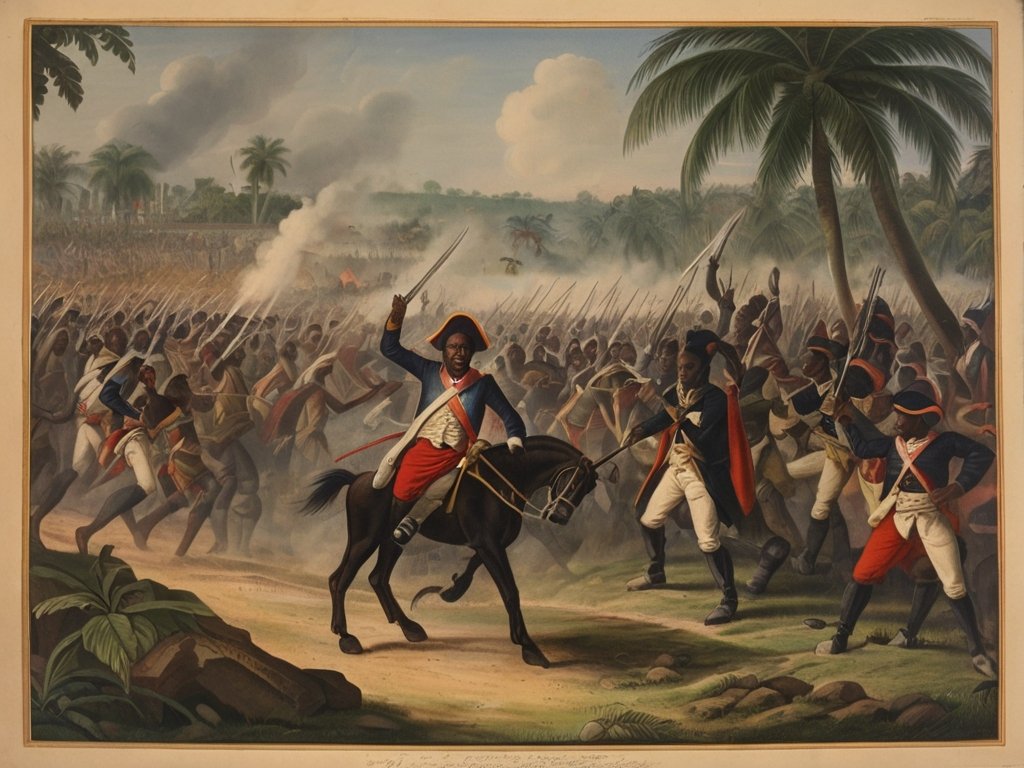
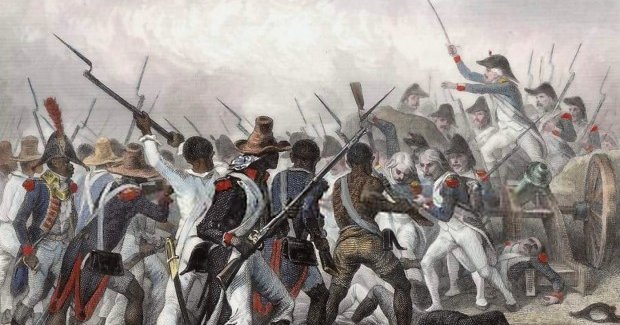
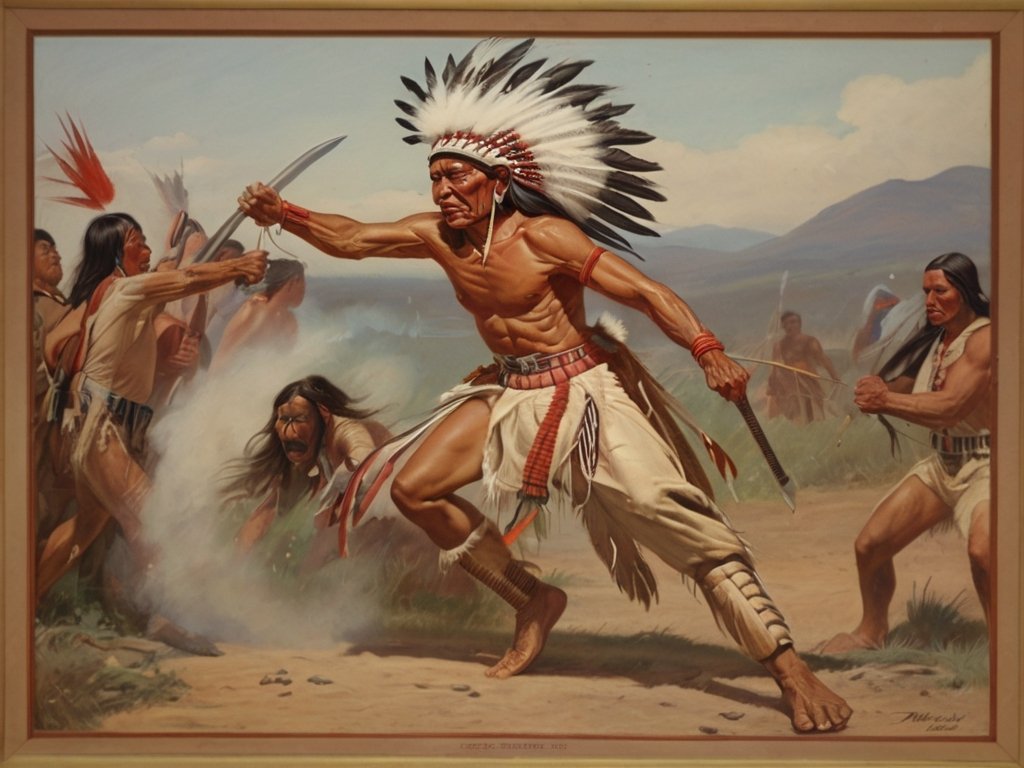
“Strength in Unity” is rooted in Haiti’s revolutionary history. During the struggle for independence from France in the early 19th century, former slaves, led by leaders such as Toussaint Louverture, Jean-Jacques Dessalines, and Henri Christophe, joined forces to overthrow colonial oppression.

This unity was crucial because the slaves came from different regions of Africa, spoke different languages, and had distinct traditions. By overcoming their differences, they were able to form a powerful and coordinated army that defeated one of the most powerful military forces of the time.

The motto "Unity is Strength" reflects this historical lesson: it is through solidarity and collaboration that Haitians were able to conquer their freedom and create the first independent black republic in the world.

A Message of National Cohesion

After independence, Haïti faced many challenges, including economic reconstruction, internal political divisions, and international isolation. In this context, "Unity is Strength" became a constant reminder of the importance of unity in overcoming adversity.

This motto is not just a slogan; it represents a philosophy of life. It invites Haitians to work together, despite their social, economic, or political differences, to build a better future for the country. It also serves as a guide in times of crisis, encouraging people to come together to overcome obstacles.

A Symbol of Resilience and Pride

"Unity is strength" is also an expression of the resilience of the Haitian people. Throughout its history, Haïti has faced many challenges: natural disasters, political instability, and economic challenges. Yet, despite these difficulties, Haitians continue to rise again thanks to their community spirit and solidarity.

The motto inspires national pride, reminding Haitians of their unique history and their ability to overcome oppression. It is a call to remember the sacrifices of ancestors and to honor their struggle by remaining united.

Haïti et son Rôle Pionnier dans l’Abolition de l’Esclavage Mondial

Haïti et son Rôle Pionnier dans l’Abolition de l’Esclavage Mondial

For centuries, the institution of slavery has darkened human history, leaving behind a legacy of pain, oppression and the struggle for freedom. However, in this dark tale, one nation stands out for its courage and determination to break the chains of oppression: Haiti. Located in the Caribbean, Haïti played a pioneering role in the abolition of slavery, laying the foundation for the fight for freedom and equality around the world. The history of slavery in Haïti dates back to the arrival of Europeans on the island, which was then called Santo Domingo, in the 15th century. French colonists quickly established an economy based on sugar and coffee production, cruelly exploiting millions of African slaves deported to work on plantations. However, this brutal system engendered fierce resistance from slaves, whose fight for freedom ultimately led to one of the most significant revolutions in history. In 1791, under the leadership of iconic figures such as Toussaint Louverture, Jean-Jacques Dessalines and Henri Christophe, Haitian slaves rose up against their oppressors in an unprecedented rebellion. This revolt resulted in a war of independence that lasted more than a decade, but ultimately resulted in the proclamation of Haiti’s independence in 1804, making that country the first post-colonial nation ruled by people from slavery. The impact of the Haitian Revolution on the abolition of slavery worldwide cannot be overstated. By breaking the chains of oppression and proclaiming their independence, Haitians have sent a powerful message to all oppressed peoples around the world: freedom is possible, and it is worth the struggle. The example of Haïti inspired other movements for the abolition of slavery in the Americas and beyond, thus helping to shake the very foundations of the institution of slavery. Haiti’s participation in the fight against slavery was not limited to its territory; it also extended to external actions where Haitian men were sent or actively participated in movements for the abolition of slavery in other regions of the world. For example, Haitian President Alexandre Pétion supported Simón Bolívar, the leader of the South American revolution, by providing him with weapons, money and even men, which contributed to the liberation of several countries in America Latin of colonial domination. Haïti also provided support for independence movements in Central America. Haitian fighters, led by General Jean-Pierre Boyer, helped Venezuelan patriots fight against Spanish rule, contributing to the liberation of that region. The Haitian government financially and diplomatically supported movements for the abolition of slavery in countries such as Venezuela, Colombia and Mexico, contributing to the gradual eradication of this institution throughout the region. Although Haïti did not directly participate in the American Civil War, many Haitians and descendants of Haitians played crucial roles in the abolitionist movement in the United States. Figures who were of Haitian origin or of Haitian ancestry, were important voices in the fight against slavery and for equal rights in the United States. The legacy of the Haitian Revolution remains a symbol of resistance and courage for future generations. Today, as the world continues to struggle against injustice and oppression in various forms, Haiti’s history reminds us that the fight for freedom is a universal fight, one that transcends borders and times. Haiti’s participation in the abolition of slavery throughout the world remains a crucial chapter in the history of humanity. Through their courage and determination, Haitians have paved the way for a future where freedom and equality are inalienable rights for all.

A Call for Unity in Diversity

Haïti is a country rich in cultural, linguistic, and religious diversity. This plurality can sometimes create tensions, but "L’Union fait la force" reminds us that diversity is a richness when it is used to serve a common goal.

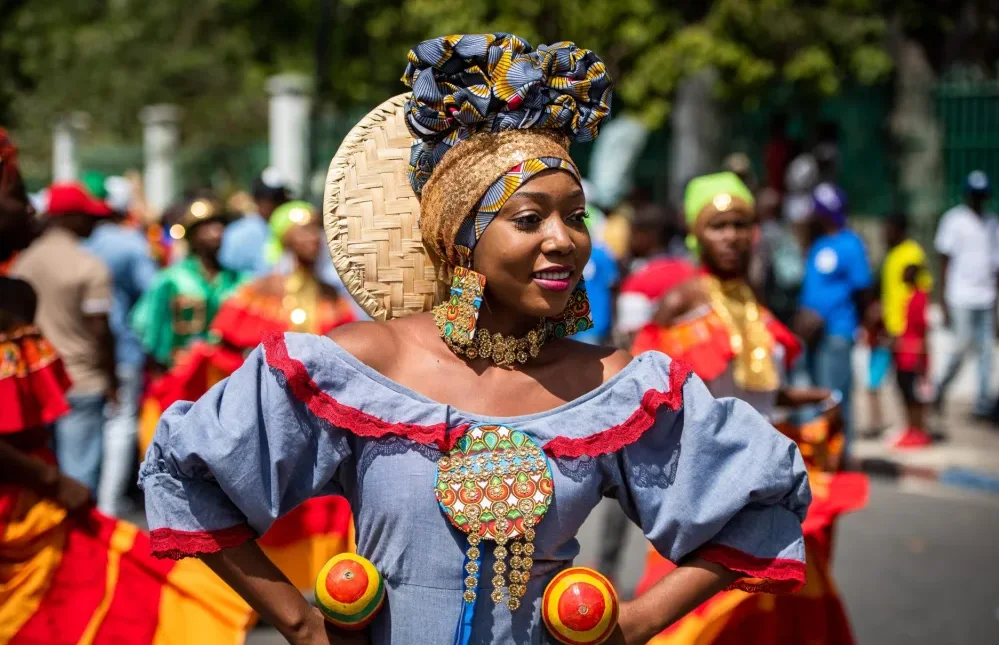
Whether in music, gastronomy or traditional festivals, Haitians celebrate their culture with a spirit of sharing and inclusion. The motto resonates particularly during national events such as Carnival or the celebration of the flag, where unity and fraternity are highlighted.

Haïti
Haïti
Haïti

A Message for the Whole World

Beyond Haiti’s borders, "L’Union fait la force" is a universal message. In a world marked by divisions, this motto recalls the importance of solidarity and collaboration to meet global challenges.

For the Haitian diaspora, it is a link to the homeland and a reminder of the values ​​inherited from ancestors. It also inspires others to learn from Haiti’s history and believe in the power of unity in the face of adversity.

Haïti / Fort Picolet: Historical Guardian of Liberty

Haïti / Fort Picolet: Historical Guardian of Liberty

Cap-Haïtien, Haiti’s historic jewel, is home to a fascinating architectural relic: Fort Picolet. Built at the end of the 18th century by the French, this imposing bastion majestically dominates the bay of Cap-Haïtien, bearing witness to the tumults of Haitian history and the fierce struggle for independence. The history of Fort Picolet is closely linked to that of Haiti, particularly at the time of the Haitian Revolution. During this tumultuous period, when slaves and freedmen rose up against colonial oppression, the fort was the scene of epic battles and fierce sieges. Sometimes used by French forces, sometimes by Haitian revolutionaries, Fort Picolet was a silent witness to the events that shaped the destiny of the nation. Designed with a strategic vision, the fort embodies the military architecture of its era. Its thick stone walls, strategically positioned cannons and viewpoints overlooking the bay make it an impregnable bastion. Its name, Fort Picolet, pays homage to General Louis Marie, Marquis de Picolet, French governor of Cap-Français at the end of the 18th century. Today, Fort Picolet remains much more than a simple historical monument. It is a living symbol of the resilience and determination of the Haitian people. Visitors who wander through its ruins can feel the imprint of history and contemplate the remains of a tumultuous past. From up there, a panoramic view of the bay of Cap-Haitien is available to them, offering a unique perspective on the strategic importance of this place in the maritime history of Haiti. As a pillar of Haitian tourism, Fort Picolet attracts visitors from around the world. Its historical aura, combined with the natural beauty of its environment, makes it a must-see destination for history and culture lovers. More than just a tourist attraction, Fort Picolet is a poignant testimony to the endless struggle for freedom and the cultural richness of Haiti. Throughout the centuries, Fort Picolet has survived the test of time, reminding everyone that freedom is an inalienable right, hard won and carefully preserved. By exploring its ramparts, contemplating its silent cannons, visitors find themselves immersed in the tormented history of Haiti, a story of courage, resistance and hope. Live an extraordinary experience by virtually visiting the ruins of Fort Picolet: https://haitiwonderland.com/haiti-virtual-reality-ht/monuments-histoire/haiti--fort-picolet--visite-virtuelle/14

Haïti
Haïti
Haïti

Why “Unity is Strength” Remains Essential for Haiti

“Unity is Strength” is much more than just a motto for Haiti. It is a historical legacy, a moral guide, and a source of motivation for a people who have always risen to the challenges. It reflects the very essence of Haitian identity: a courageous, resilient, and united people.

By recalling the importance of unity, this motto continues to inspire current and future generations to build a stronger and more united Haiti, while honoring the struggles and victories of the past.

Share
About the Author
Appolon Guy Alain
Appolon Guy Alain
Appolon Guy Alain

Full Stack Developer, Créatif, expérimenté, passionné des nouvelles technologies et de l’art.

See other articles from Appolon Guy Alain
Leave a comment

Recently Posted

Newsletter

Subscribe to our newsletter to stay informed of all our activities and news on Haiti.

Recently Posted

History

History

First black nation to free itself from slavery and gain independence from France in 1804 and influenced other liberation movements around the world, inspiring struggles for freedom and equality.

Natural beauty

Natural beauty

Haïti is blessed with spectacular natural landscapes, including white sand beaches, mountains and rich biodiversity.

Heritage

Heritage

Haïti has a rich historical heritage, including sites like the Citadelle Laferrière and the Sans-Souci Palace, listed as UNESCO World Heritage Sites.

Culture

Culture

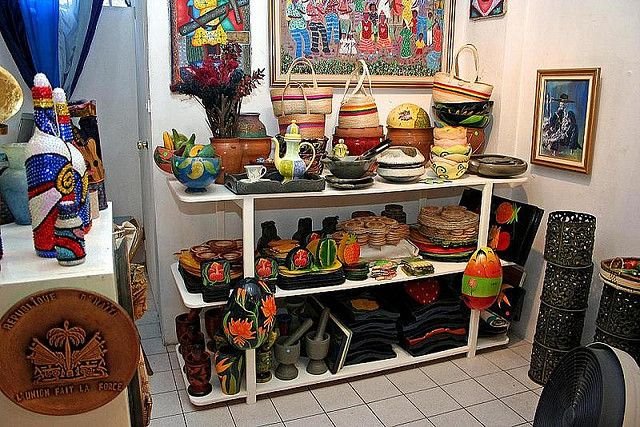
Haïti has a rich and diverse culture, influenced by African, European and indigenous elements. Haitian music, dance, art and cuisine are celebrated around the world.


  • +
    • Post