contact@haitiwonderland.com+509 36184317

Discover

Shopping Cart

CAONABO, the first to defend Haiti

CAONABO, the first to defend Haiti

We are all familiar with the words of this song: "Caonabo fut mis en prison à Isabella et quelques mois plus tard embarqué pour l’Espagne, il disparut en mer avec le bateau qui le portait...". But do you know the story of CAONABO, the first to defend the island?

Summary

Haïti
Haïti
Haïti

On December 5, 1492, Christopher Columbus landed at Môle Saint-Nicolas after a long and perilous journey in search of new lands and in search of riches. Aboard three ships, La Santa Maria, La Pinta and La Niña, accompanied by a crew of 120 men, Columbus believed he had reached the Indies by sailing towards the West, basing this belief on the theory of the round earth. He claimed this new land in the name of Spain, erecting a cross on the shore and calling the inhabitants of the country "Indians".

During a brief exploration, Columbus collected numerous samples testifying to the surprising wealth of the island, even noticing similarities with Spain. This is how he decided to name the island under the name of Hispaniola (Little Spain).

Haïti
Haïti
Haïti

The inhabitants of the island welcomed the Spaniards with joy and respect. Columbus came into contact with the chief of Marien, Guacanagaric, who was the first to speak to him. When La Santa Maria sank a few days later, Columbus informed Guacanagaric of the tragedy. The latter invited him to stay with him and Columbus became so close to Guacanagaric that he granted him land in his territory.

Columbus built the Nativity Fort with the remains of La Santa Maria, placing a garrison of 39 men there under the command of Diego de Arena, Pedro Gutierrez and Rodrigue Escoredo. He forbids them from mistreating the Indians or stealing their gold, ordering them not to leave the Marien.

After establishing this post, Columbus returned to Spain. He left La Nativité on January 4, 1493 and arrived on March 3. In the middle of a curious and enthusiastic crowd, impressed by magnificent samples of gold, rare plants and birds, he told the story of his astonishing discovery to Their Majesties Ferdinand and Isabella. As a reward, Christopher Columbus received on May 28, 1493 from the hands of Their Majesties letters patent naming him Admiral of the Ocean, Viceroy and Governor of all lands discovered and yet to be discovered.

Haïti
Haïti
Haïti

Despite Columbus’s recommendations, the Spanish stationed at La Nativity began to brutalize Guacanagaric’s peaceful subjects and rob them of their gold. They even organized expeditions to the Maguana region, where gold abounded, particularly in the Cibao region.

Haïti / Fort Saint-Joseph: Historical Vestige of the Resistance

Haïti / Fort Saint-Joseph: Historical Vestige of the Resistance

Located in the Bay of Cap-Haitien, Fort Saint-Joseph stands like a silent guardian of Haiti’s tumultuous history. Built in two stages, in 1748 and 1774, this defensive work was once a crucial element of the city’s protection system against French colonial assaults. Alongside other forts such as Picolet and Magny, its mission was to control maritime passages and defend Haitian sovereignty. However, its history is not limited to its defensive function. In 1802, then under the control of General Henry Christophe, the fort became the scene of a heroic act of resistance. Faced with the French expeditionary army, Christophe ordered the destruction of the powder magazine and the entrance gate to the fort, thus rendering it temporarily unusable. This courageous gesture, although tactical, left indelible scars on the very structure of the fort, testifying to the fierce clashes between French colonial forces and Haitian resistance fighters. These historic marks, still visible today, offer a window into the country’s tumultuous past. They allow visitors and historians to interpret the fierce struggles that forged Haitian identity. Fort Saint-Joseph, as a witness to the resistance and the struggle for freedom, embodies the indomitable spirit of the Haitian people. Recognizing its historical significance, the Haitian government officially classified Fort Saint-Joseph as national heritage in 1995. This recognition paved the way for restoration efforts aimed at preserving this precious vestige of Haitian military heritage. Thanks to collaboration between the public sector and local private funding, the fort has recently been restored and enhanced. Thus, Fort Saint-Joseph remains much more than a simple stone structure. It is a living symbol of the resilience and determination of the Haitian people, reminding all visitors that Haiti’s history is deeply rooted in the struggle for freedom and human dignity. To virtually discover this jewel of Haitian history, you can visit the following link: https://haitiwonderland.com/haiti-virtual-reality-ht/monuments-histoire/haiti--fort-saint-joseph--visite- virtual/11

Haïti
Haïti
Haïti

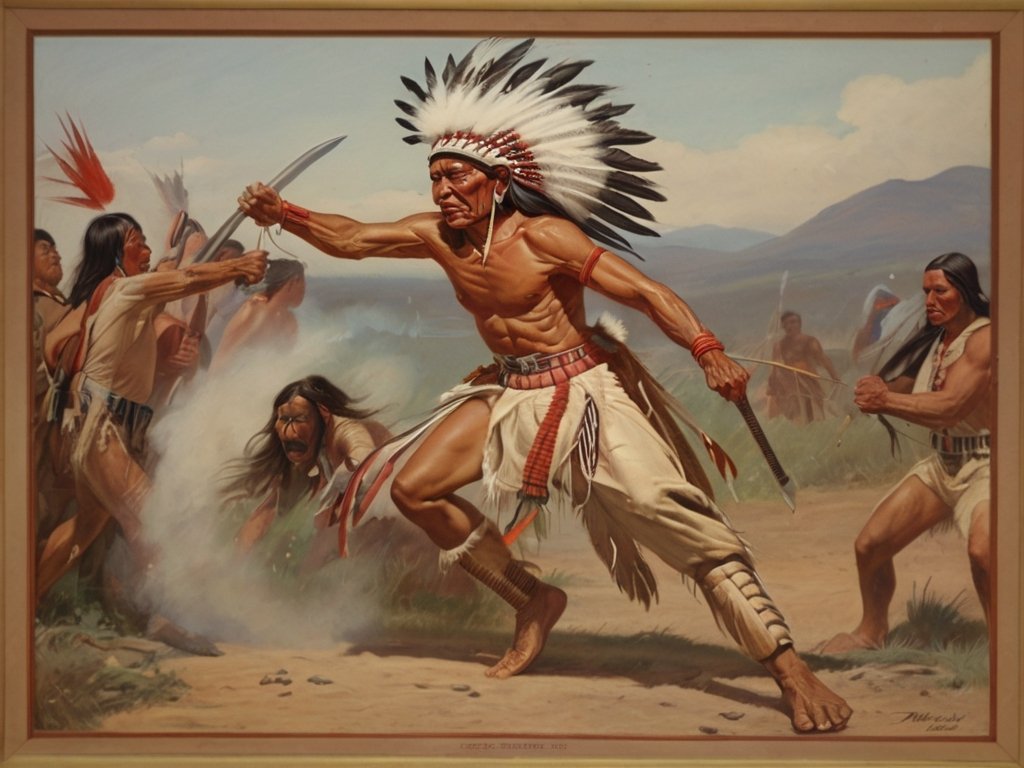
CAONABO, learning of the ignoble conduct of the foreigners, swore to take revenge in an exemplary manner. He made an alliance with Guarionex at the head of a large army and attacked La Nativity one evening. The garrison, surprised, was massacred and the fortress completely destroyed. Guacanagaric, despite the mistreatment inflicted by the Spaniards on his subjects, came to their aid. Caonabo quickly defeated him, wounding him in the head and burning his village.

When Columbus returned to the coast of the island, he found only ruins at the site of The Nativity and Guacanagaric wounded in the head. On December 7, Columbus set out in search of a location to build a city to shelter the many adventurers who had followed him. He founded the city of Isabelle, the first in the New World, in the north of the island, in 1494.

Columbus forced the Indians to pay him tribute in kind, including food, cotton and gold dust. Faced with this oppression, Caonabo managed to organize a league of caciques against the Spaniards on both sides of the island and prepared to exterminate the foreigners. Caonabo besieged Fort St. Thomas, keeping it under siege for thirty days. La Magdalena was also attacked by a group of Indians, but they were repulsed, causing many casualties.

Haiti: A Little-Known Pillar of World Independence

Haiti: A Little-Known Pillar of World Independence

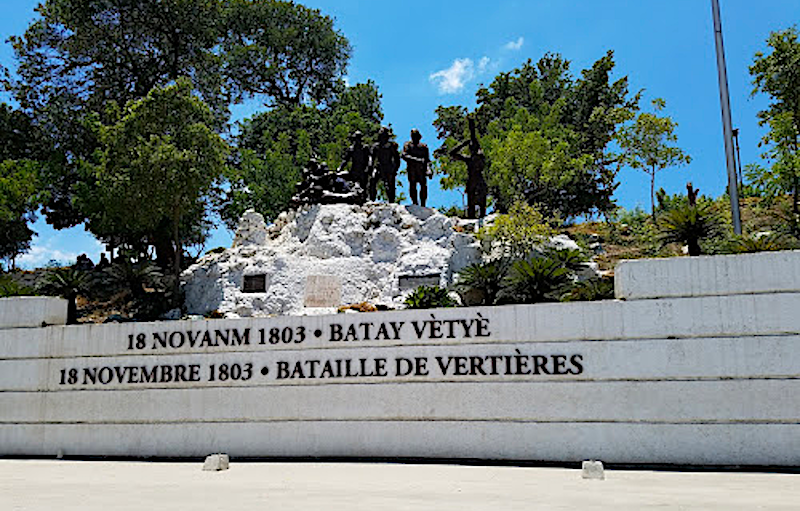
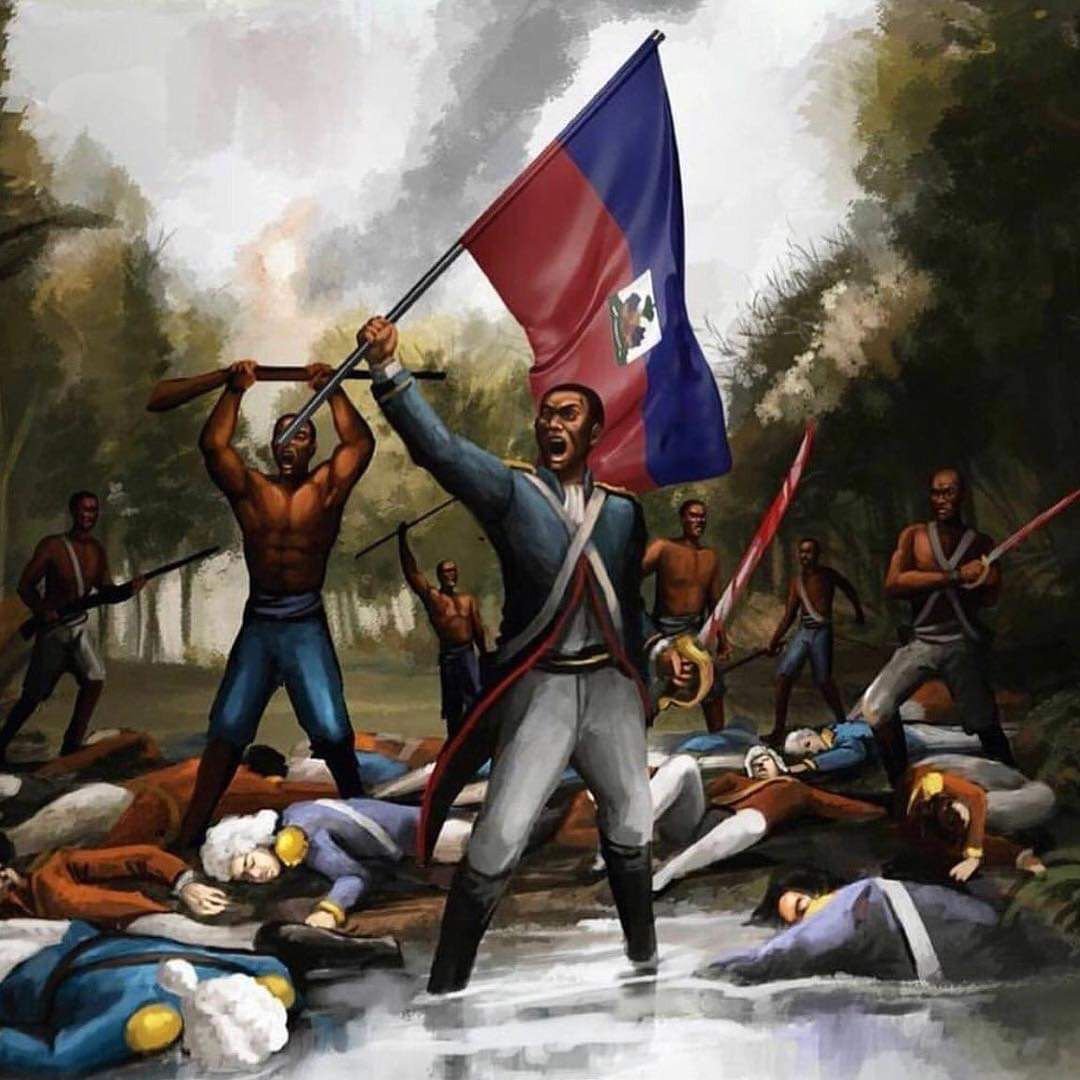
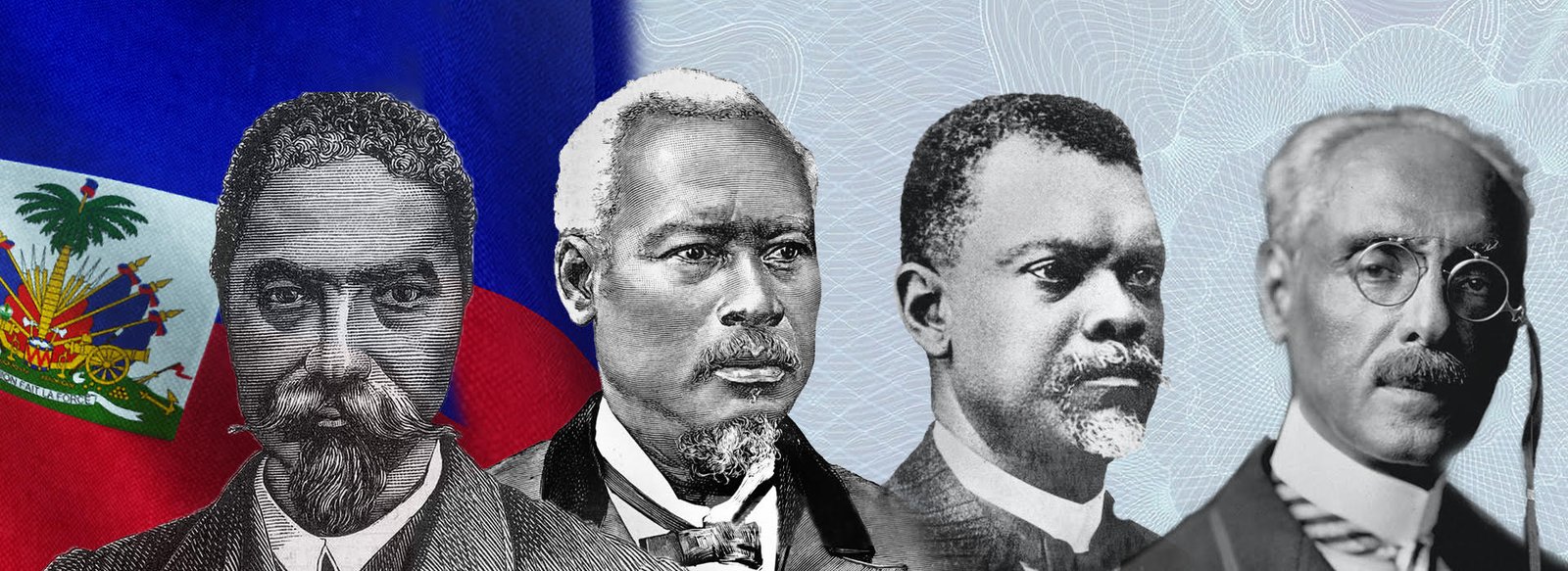
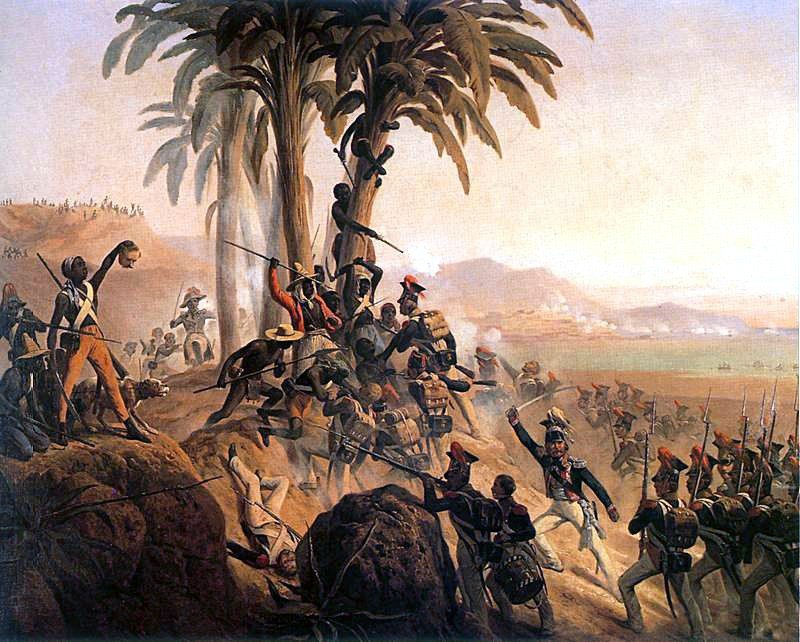
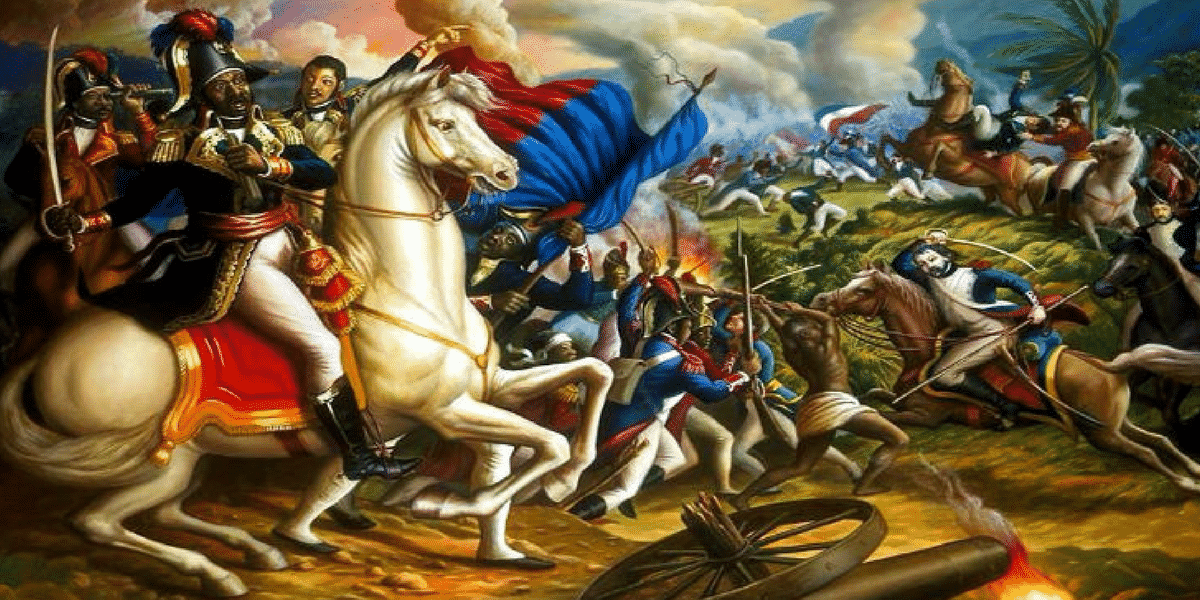
Haiti, the world’s first independent black republic, played an exceptional role in the quest for independence for other nations. Although often overshadowed by other historical events, Haiti’s contribution to the liberation of other countries was significant and deserves to be highlighted. b~The Haitian Revolution~b At the turn of the 19th century, Haïti threw off the chains of slavery and achieved the impossible by freeing itself from French colonial rule. In 1804, the country proclaimed its independence, ushering in a new era for oppressed peoples around the world. b~Inspiration for Latin America~b The Haitian Revolution was a major source of inspiration for independence movements in Latin America. Iconic figures such as Simón Bolívar and Francisco de Miranda recognized the courage and determination of Haitians as a driving force for their own struggles. By materially and ideologically supporting these movements, Haïti contributed to the emergence of several independent nations in South America. b~Influence in Africa~b Beyond the Americas, Haïti also played a crucial role in the quest for independence in Africa. African leaders have left a legacy that has inspired entire generations of freedom fighters on the African continent. The idea that oppressed people could rise up against their oppressors found a powerful echo in the struggles for independence in Africa. b~Support for Liberation Movements~b Throughout its history, Haïti has provided substantial support to liberation movements around the world. Whether through troop dispatches, financial resources or active diplomacy, the country has demonstrated its solidarity with those fighting for their autonomy. Haiti’s contributions have often been discreet but crucial. Haiti, as a pioneer of independence and freedom, has left a lasting impact on the world stage. His legacy resonates across continents, reminding the world that the quest for freedom is universal. By recognizing and celebrating Haiti’s role in the independence of other nations, we not only honor its history, but we also commit to promoting a future where all people have the opportunity to shape their destiny.

Caonabo
Caonabo
Caonabo

Columbus set a trap for the cacique of Maguana, into which he fell without difficulty. He requested an audience with Caonabo, who agreed to meet him. Using trickery, Ojeda kidnapped him from among his subjects and brought him to Isabella. In March 1494, the prisoner sailed for Spain but perished in a shipwreck.

The story of Caonabo and his fight for the freedom of his people remains a little-known chapter in the history of Haiti. Although defeated, his courage and determination to defend his land remains an example of resistance in the face of colonial oppression. It embodies the fierce desire of indigenous peoples to preserve their culture and identity in the face of foreign invaders. Thus, remembering its history is paying tribute to all those who fought for the freedom and dignity of their nation.

Share
About the Author
Appolon Guy Alain
Appolon Guy Alain
Appolon Guy Alain

Full Stack Developer, Créatif, expérimenté, passionné des nouvelles technologies et de l’art.

See other articles from Appolon Guy Alain
Anderson GEORGES

m renmen travay ou a anpil, kenbe la.

November 07, 2024 - 07:12:19 PM
Accilien

Se bel travay men ,en espanyol non
W dwe kontinye men ale nan orijin chak bagay yo ,avek yon kamara ki ka presante tout bagay nan orijin yo ok ok ok

Mwen felicite w, mwen swete w rejwen n ak paj sa ( lead motive Haitien sou youtube ok )

December 25, 2024 - 06:50:11 AM
Leave a comment

Recently Posted

Haïti SEO Agency: Experts in SEO (Natural SEO)

In today’s world, where online presence is crucial for business success, being visible on search engines is essential. Imagine this: a potential client is looking for services like yours in Haiti. He opens Google and types something like b~"Haïti web agency"~b or b~"Haitian developer"~b. The question is: where does your business rank in these search results? In our case, b~Appo-graphic~b is present in the first three results for the search b~"Haïti web agency"~b and b~Appolon Guy Alain~b occupies the first place for the search on b~"developer Haitian"~b, thanks to two of our well-optimized articles. This surely guarantees them more contracts, just as it guarantees us more contracts, because you found us among the first results when carrying out searches on natural referencing in Haïti and SEO. At Haïti Wonderland, we understand the importance of this visibility. That’s why we work to ensure your business is among the top three search results for relevant keywords in your industry, as we know the majority of customers only click on those top three results. Our services currently focus on writing highly optimized advertising articles, designed to propel you to the top of search results. We write about you and your industry, ensuring that each article is carefully targeted to attract the attention of search engines and potential customers. In just a few weeks, these articles can start ranking in the top positions of search results, providing increased visibility and driving traffic to your website or social media pages.

Newsletter

Subscribe to our newsletter to stay informed of all our activities and news on Haiti.

Recently Posted

History

History

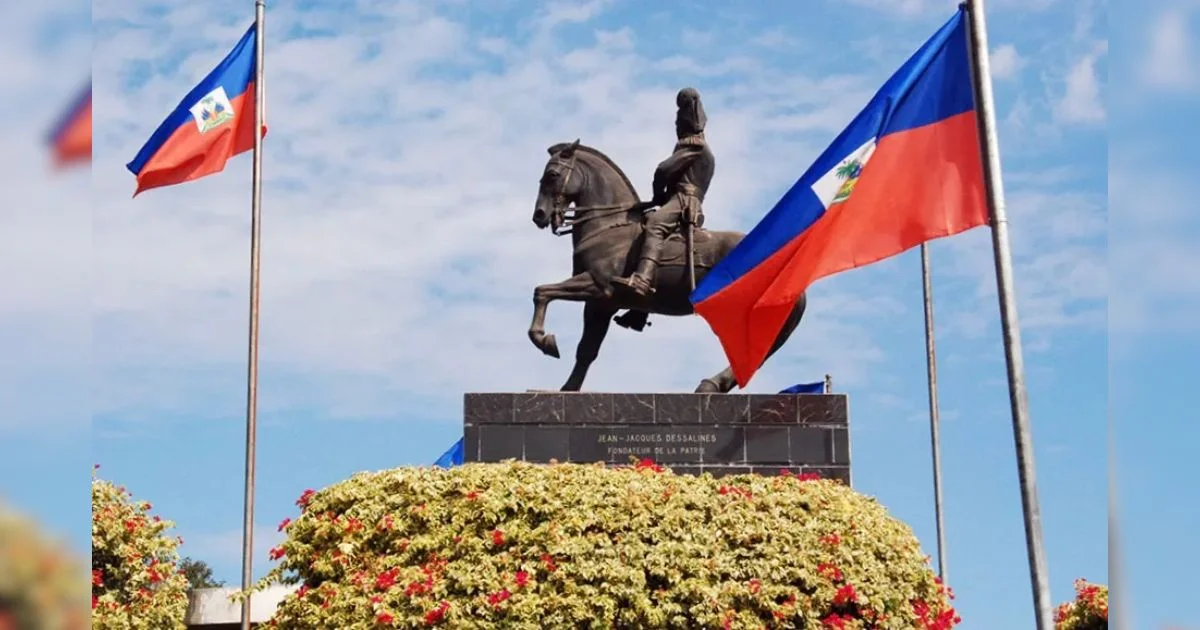
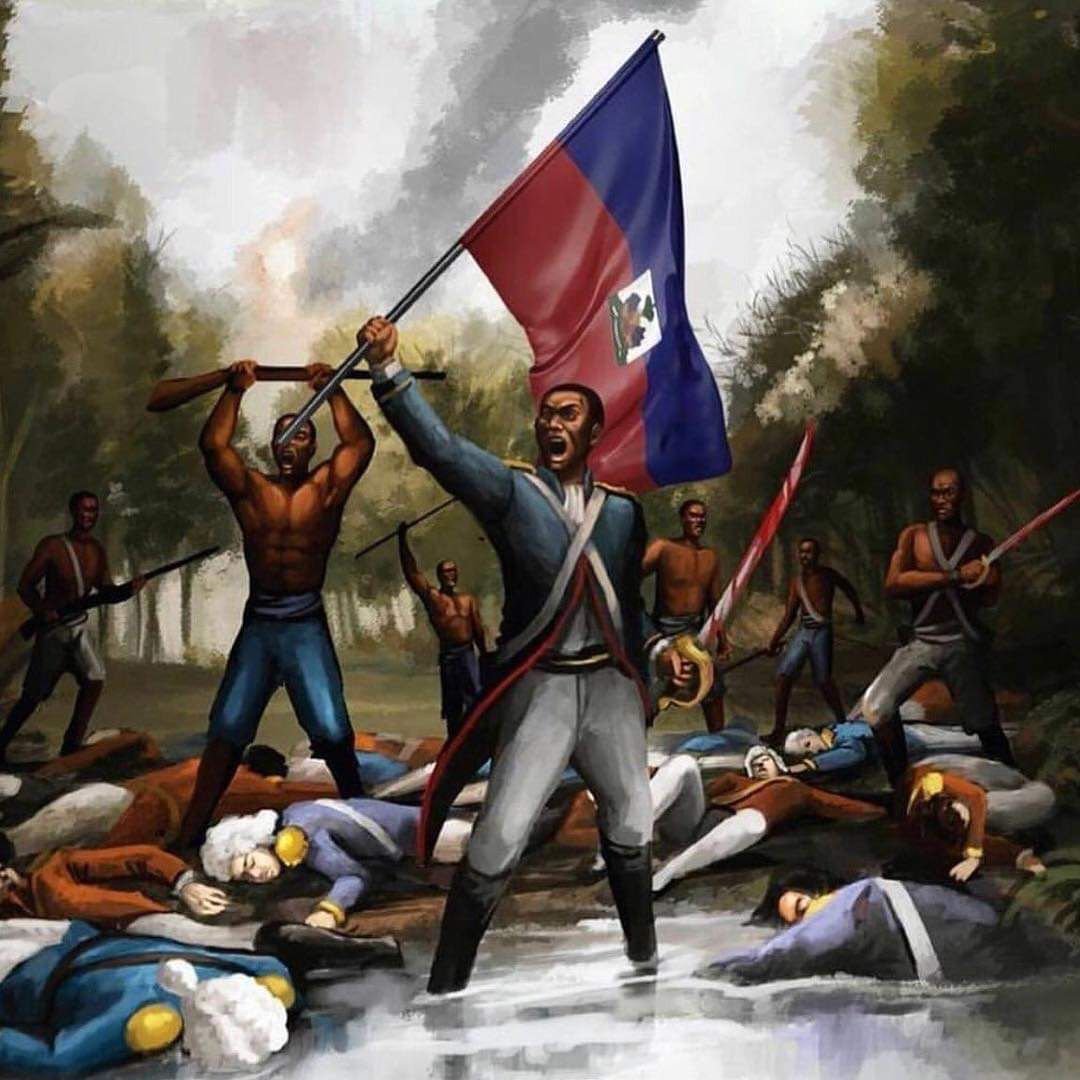
First black nation to free itself from slavery and gain independence from France in 1804 and influenced other liberation movements around the world, inspiring struggles for freedom and equality.

Natural beauty

Natural beauty

Haïti is blessed with spectacular natural landscapes, including white sand beaches, mountains and rich biodiversity.

Heritage

Heritage

Haïti has a rich historical heritage, including sites like the Citadelle Laferrière and the Sans-Souci Palace, listed as UNESCO World Heritage Sites.

Culture

Culture

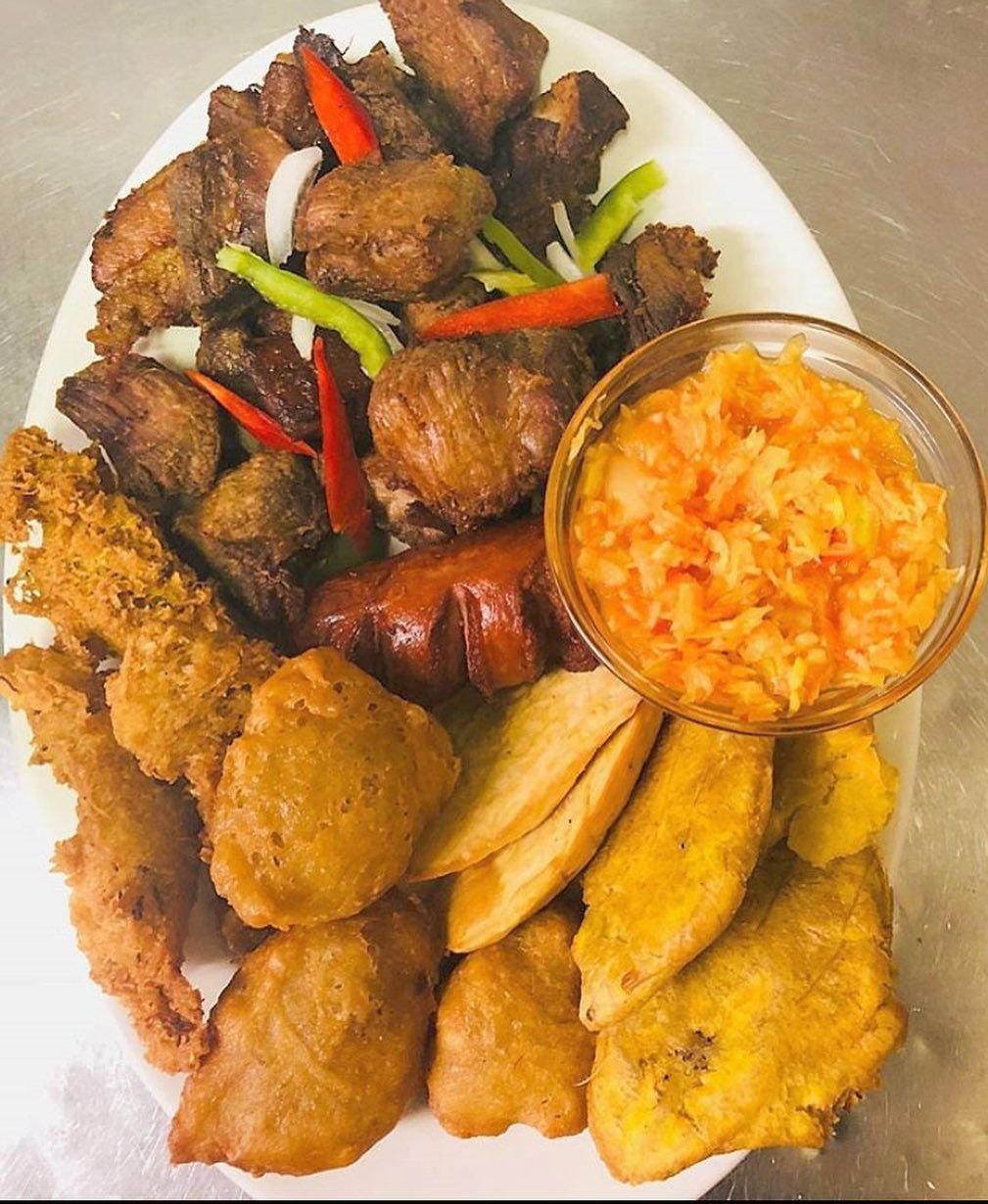
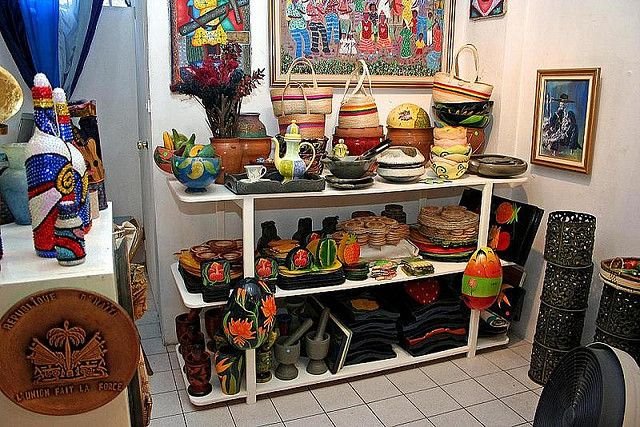
Haïti has a rich and diverse culture, influenced by African, European and indigenous elements. Haitian music, dance, art and cuisine are celebrated around the world.

  • +
    • Post