Haiti, a Caribbean island located in the Greater Antilles archipelago, has a cultural and historical heritage of unparalleled richness. From its picturesque beaches to its majestic mountains and historic monuments, the country bears witness to centuries of complex and fascinating history. This article explores some of Haiti’s most significant heritage and historical sites.
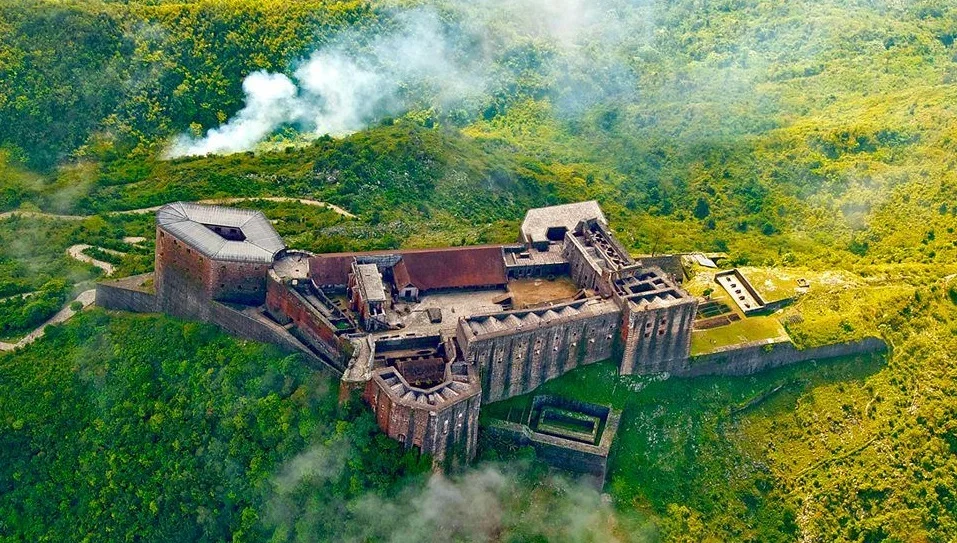
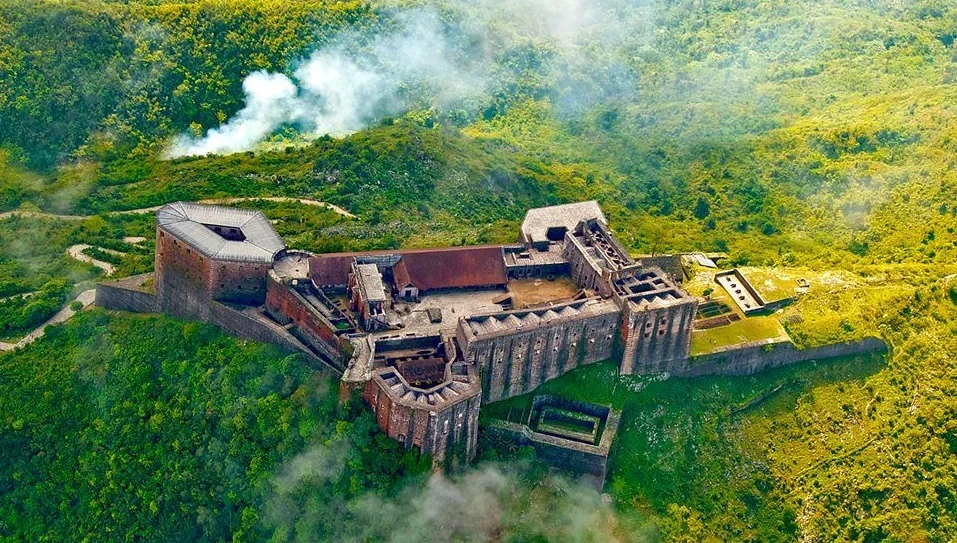
The Citadelle Laferrière is undoubtedly the most emblematic historical monument in Haiti. Located in the north of the country, near the town of Cap-Haitien, this fortress was built in the early 19th century by King Henri Christophe after Haiti’s independence in 1804. Erected to defend the nation against possible invasion French, the Citadel is a masterpiece of military engineering. It has been listed as a UNESCO World Heritage Site since 1982.
Not far from the Citadel is the Palais Sans-Souci, another major achievement of King Henri Christophe. Built between 1810 and 1813, this palace was once the political and administrative center of its kingdom. Although partially in ruins due to an earthquake in 1842, the site remains an impressive testimony to 19th-century Haitian architecture.
The National Historical Park Citadelle, Sans-Souci, Ramiers
This national park includes the Citadelle Laferrière, the Palais Sans-Souci, as well as the ruins of the Ramiers dwellings. Together, these sites illustrate the genius and determination of Haitians in their struggle for freedom and their desire to create a sovereign state. The park is also listed as a UNESCO World Heritage Site.
Located in Port-au-Prince, the Musée du Panthéon National Haïtien is dedicated to the preservation of Haitian history and culture. It houses an impressive collection of artifacts ranging from pre-Columbian times to landmark independence events. The museum is an essential place to understand the complex history of Haïti and the path traveled by its inhabitants.
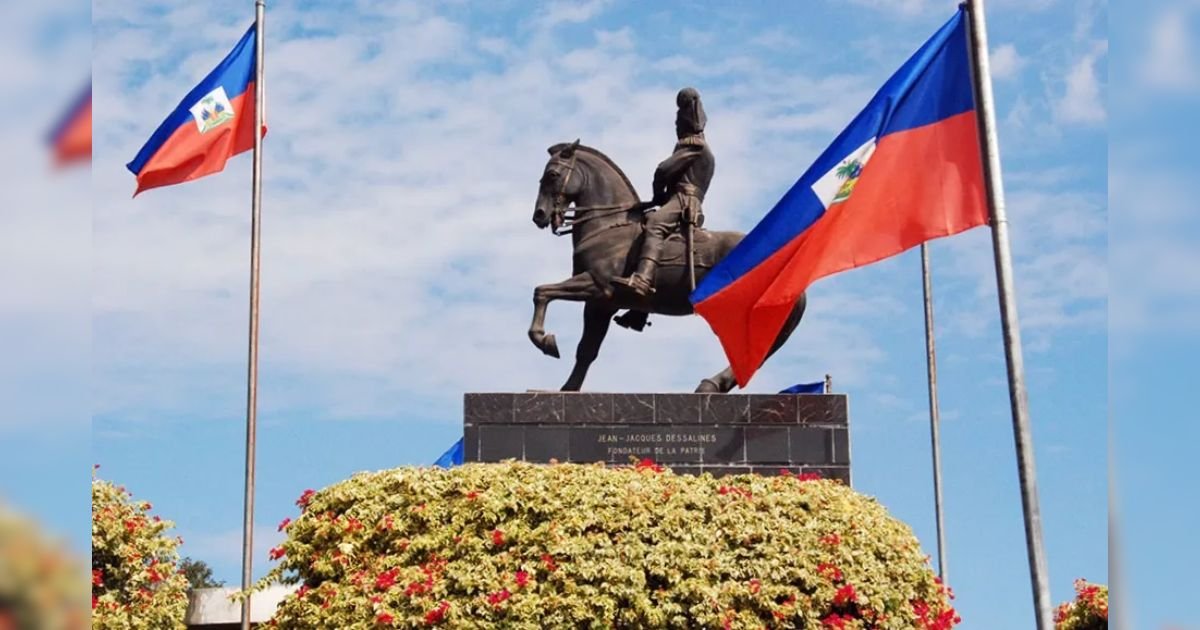
Located in the heights of Kenscoff, southeast of Port-au-Prince, Fort Jacques was built under the orders of General Alexandre Pétion, one of the founding fathers of Haitian independence, around 1805. The fort carries the name of Jean-Jacques Dessalines, the revolutionary leader who played a crucial role in Haiti’s independence. Fort Jacques served as a strategic defense post against any potential invasion coming from the sea or the capital.
Not far from Fort Jacques is Fort Alexandre, also built under the orders of Pétion. It is named in honor of Pétion, who played a crucial role in consolidating independence and establishing the republic. Like Fort Jacques, Fort Alexandre was an integral part of the defense network intended to protect the young Haitian nation from foreign attacks.
The Sugar Cane Historical Park is located in Tabarre, near the capital Port-au-Prince. It is established on the site of a former sugar cane plantation, providing an authentic setting for understanding the history and process of sugar production in Haiti. The park is designed to welcome visitors and allow them to discover various aspects of this historic culture.
Sugar cane has played a central role in the Haitian economy since colonial times. Introduced by European settlers, mainly the French, the cultivation of sugar cane quickly developed on the island thanks to its favorable tropical climate and fertile soils. Sugar production was a lucrative business, but it relied on the forced labor of African slaves, which had a profound impact on Haiti’s social and economic history.
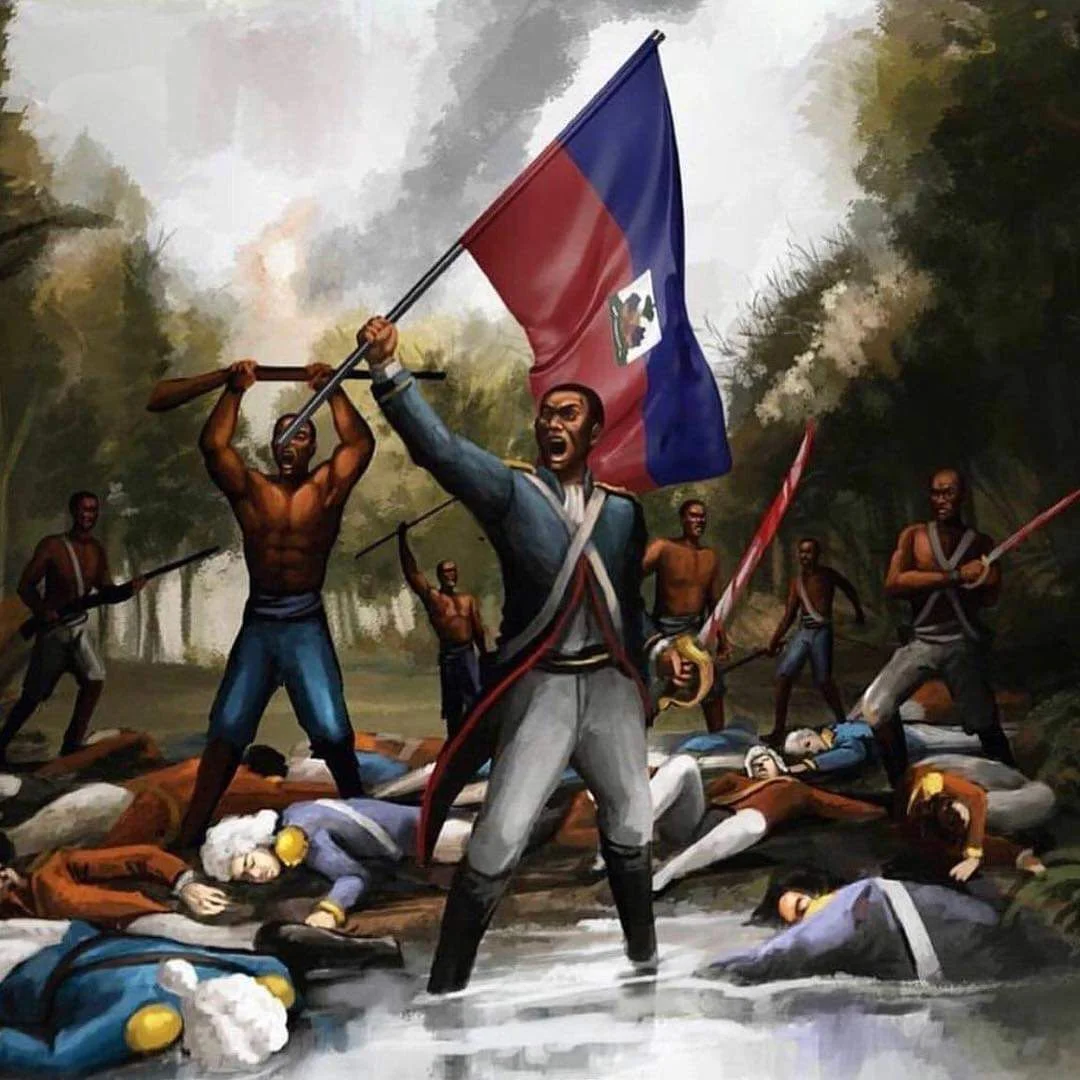
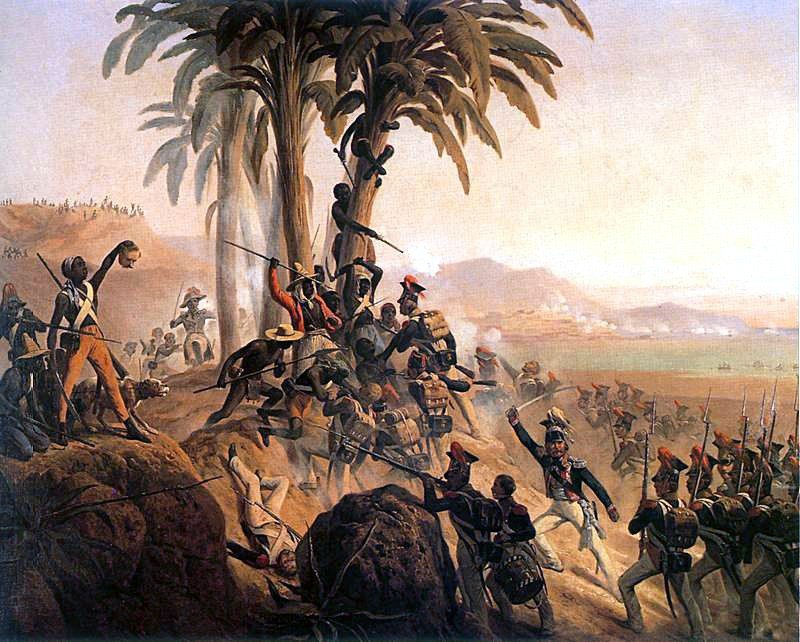
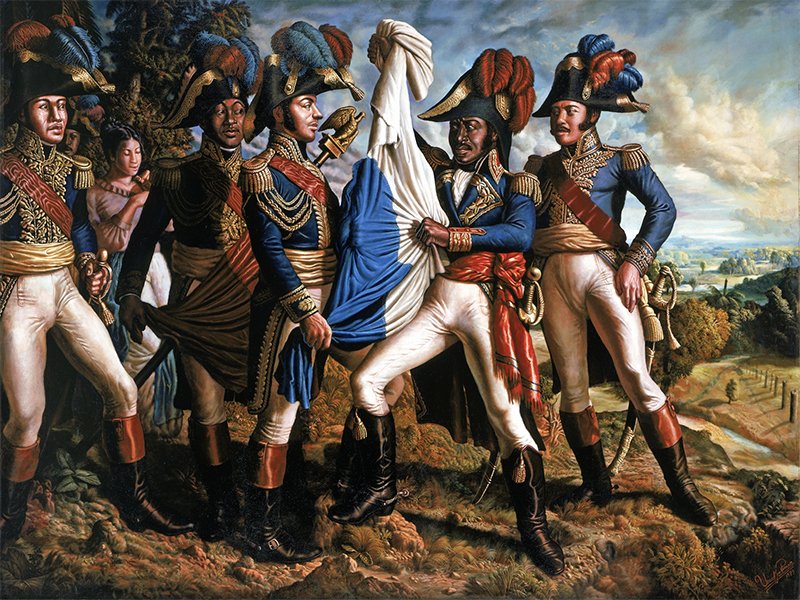
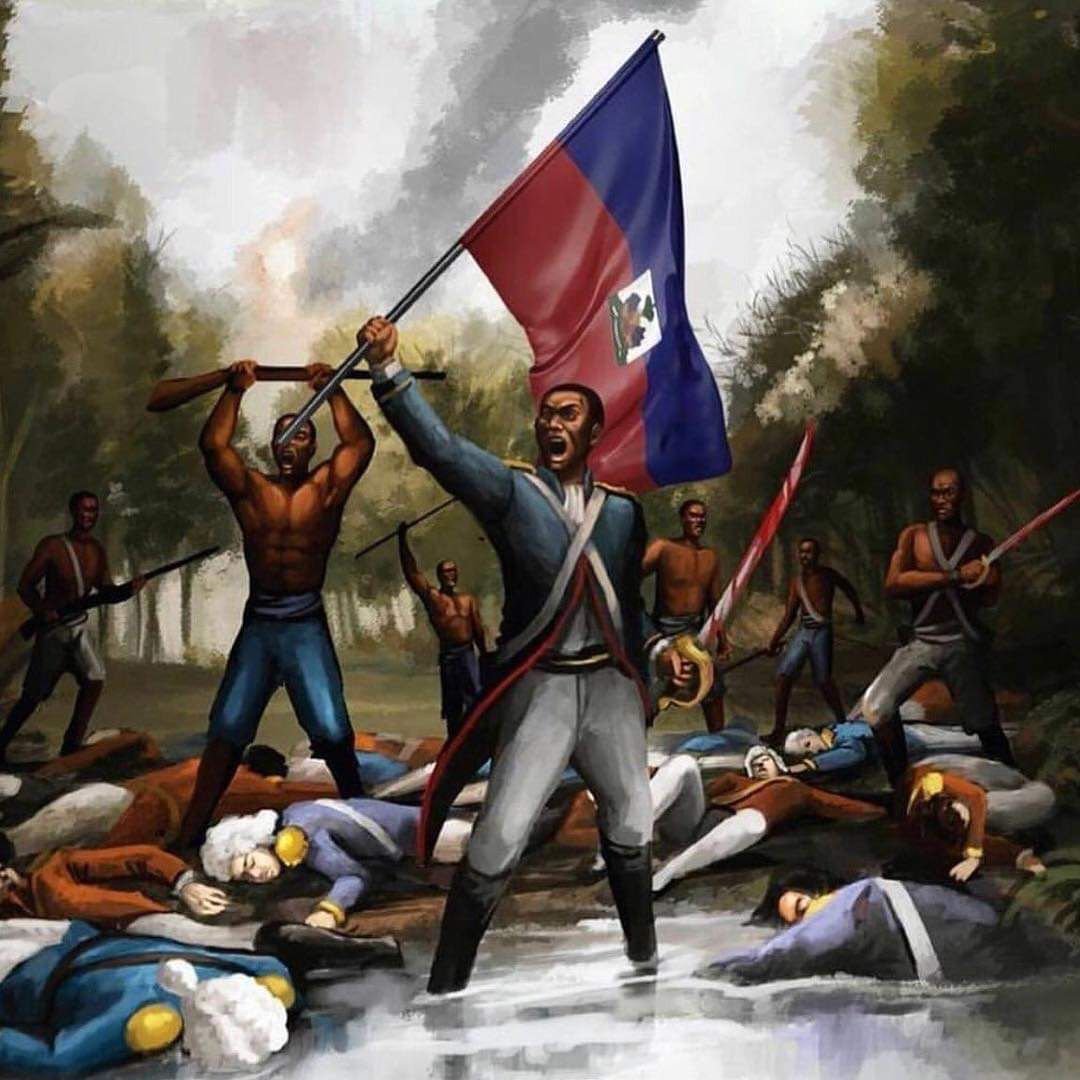
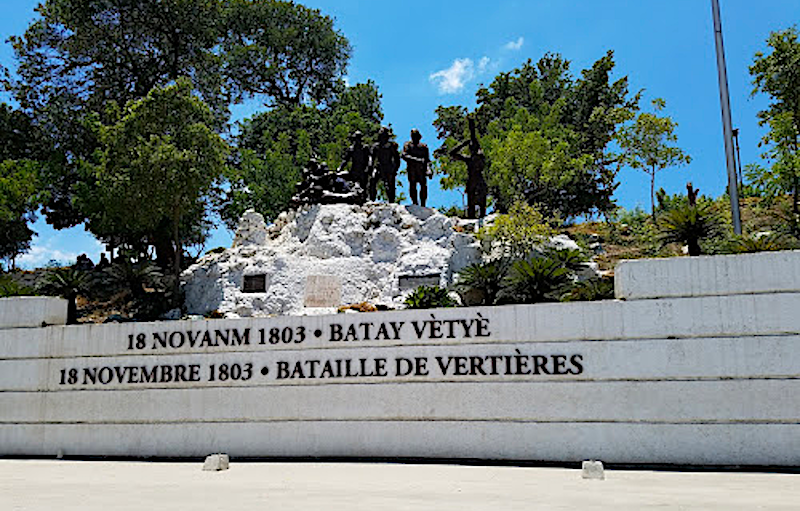
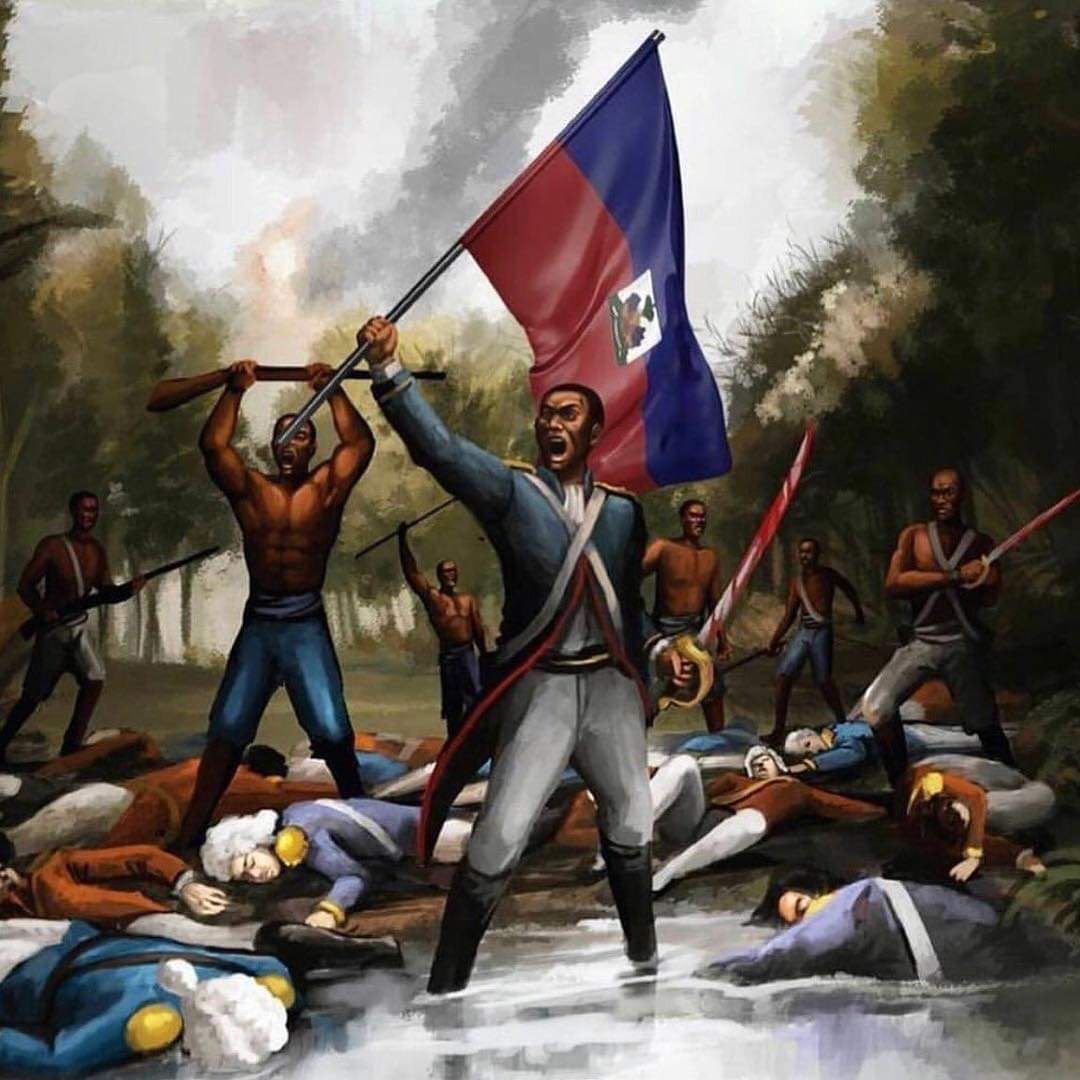
The heroes of Vertières are legendary figures in the struggle for Haitian independence, symbolizing the bravery, determination and sacrifice of the Haitian people for their freedom. Among them, Jean-Jacques Dessalines particularly stands out. A former freed slave who became a revolutionary general, Dessalines was an undisputed leader of the Haitian revolt. His bold strategy during the Battle of Vertières achieved a decisive victory against French troops, cementing the path to full independence.
The Battle of Vertières marked a crucial turning point in the history of Haïti and in the global fight against slavery. The defeat of French troops at Vertières led to the official proclamation of Haitian independence on January 1, 1804, making Haïti the first nation in the Americas to gain independence after a successful slave revolt.
Bassin Bleu is a series of natural pools and waterfalls located near Jacmel, in southern Haiti. This enchanting natural site is surrounded by lush vegetation and is a favorite place for nature lovers. It is not only a major tourist site but also a symbol of the natural beauty of Haiti.
Located near the town of Port-à-Piment in southern Haiti, the Marie-Jeanne Caves are the largest underground cave system in the Caribbean. These fascinating geological formations stretch for several kilometers and are a site of great interest for cavers and adventure enthusiasts. The caves also offer a unique insight into the island’s natural history.
Located in Port-au-Prince, Notre-Dame de l’Assomption Cathedral was once one of the largest and most important cathedrals in the Caribbean. Unfortunately, it was severely damaged in the 2010 earthquake, but remains a symbol of the Catholic faith and French colonial architecture in Haiti. Its gradual reconstruction testifies to the resilience of the Haitian people.
Located in Montrouis, on the north coast of Haiti, the Ogier-Fombrun Museum is a former sugar plantation transformed into a museum. It offers a captivating insight into the history of slavery and sugar production in Haiti. Visitors can explore the restored plantation ruins, discover historical artifacts, and learn about Haitian culture.
In Milot, near Cap-Haitien, there are two important historical sites. The Church of Milot, built in the early 19th century, is an impressive example of Haitian colonial architecture and an active place of worship for the local community. Nearby is the Sans-Souci Palace, former residence of King Henri Christophe, with its majestic ruins that bear witness to Haiti’s post-independence era.
In Port-au-Prince, the Marché de Fer (Marché en Fer) is a historic market dating from the 19th century. Built of metal imported from France, the market is a bustling place where locals sell and buy a variety of local products, including fruits, vegetables, spices and crafts. It is an essential place to discover Haitian daily life and crafts.
Haïti is a country whose historical and cultural wealth is immense. From its imposing fortresses to its bustling markets to its breathtaking natural sites, every corner of the country tells a part of the story of this resilient and creative people. Exploring these heritages and historical sites is diving into the heart of the Haitian soul and discovering the hidden treasures of a nation which, despite the challenges, remains standing with pride.
Share
About the Author
Appolon Guy Alain
Appolon Guy Alain
Full Stack Developer, Créatif, expérimenté, passionné des nouvelles technologies et de l’art.
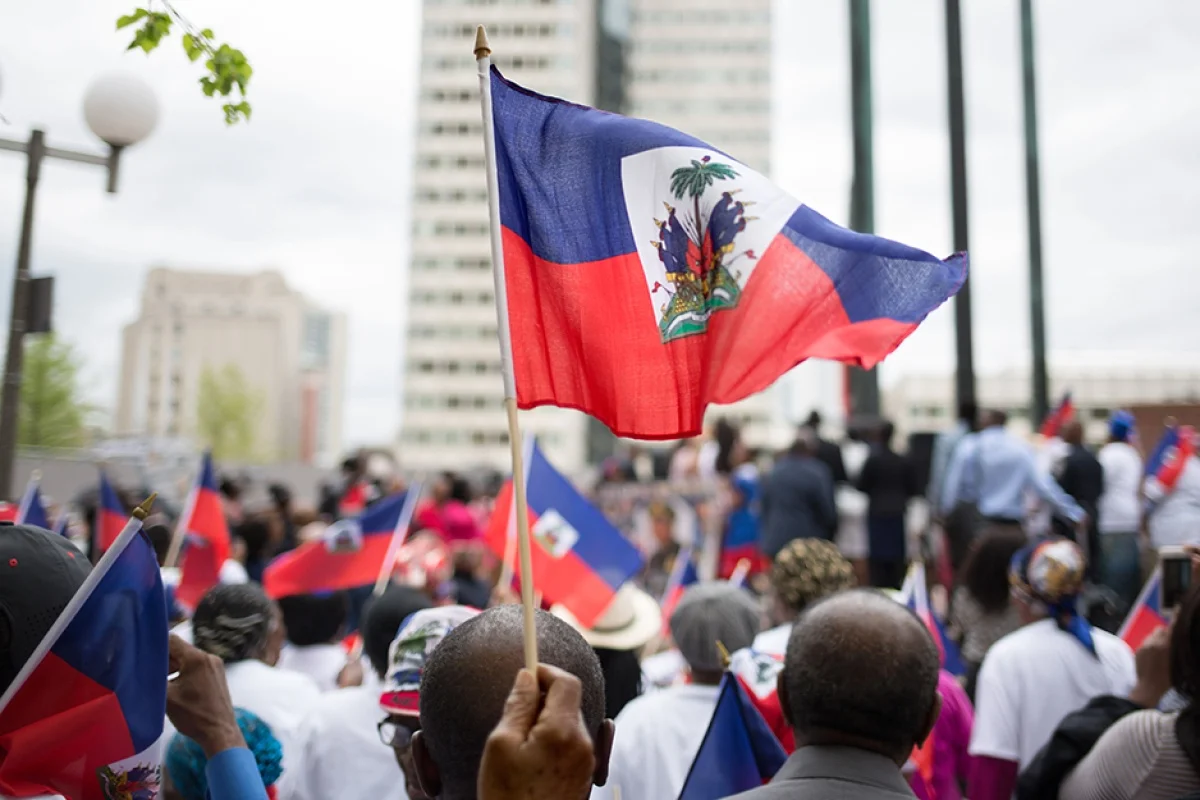
First black nation to free itself from slavery and gain independence from France in 1804 and influenced other liberation movements around the world, inspiring struggles for freedom and equality.
Natural beauty
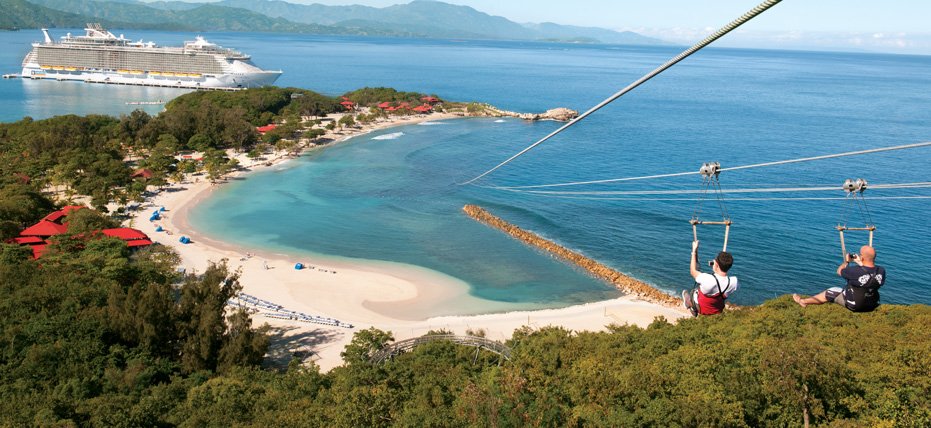
Haïti is blessed with spectacular natural landscapes, including white sand beaches, mountains and rich biodiversity.
Heritage
Haïti has a rich historical heritage, including sites like the Citadelle Laferrière and the Sans-Souci Palace, listed as UNESCO World Heritage Sites.
Culture
Haïti has a rich and diverse culture, influenced by African, European and indigenous elements. Haitian music, dance, art and cuisine are celebrated around the world.






























Super
May 14, 2025 - 09:42:40 AM