contact@haitiwonderland.com+509 36184317

Discover

Shopping Cart

Full Definition of the Word Haiti: Origin, History and Meaning

Full Definition of the Word Haiti: Origin, History and Meaning

The name Haïti embodies a rich history, marked by struggles for freedom, an indigenous heritage and an exceptional destiny. This word, today synonymous with the first independent black Republic, carries within it centuries of transformation and resilience. Discover the origin, history and meaning of this emblematic name.

Origin of the Name Haiti: A Land of Mountains

The word Haïti originates from the Taínos, the first inhabitants of the island. Indeed, Haïti is the French version of the word Ayiti, which in their language means "land of high mountains" or "mountainous country".

- A tribute to geography: This name refers to the geographical characteristics of the island, which is dominated by impressive mountain ranges and a steep relief.
- A symbol of resistance: For the Tainos, this name represented not only their territory, but also their deep connection with nature.

Thus, Ayiti reflected a vision of the land as a space of natural beauty and resource, a theme that remains central to Haitian identity.

The arrival of Europeans and the change of name

When Christopher Columbus landed on the island in 1492, he named it Hispaniola or La Española, in homage to the Spanish crown. This name remained in use for several centuries, at a time when the island became the center of colonial trade.

- A colonization marked by exploitation: Under Spanish and then French domination, the island, especially the western part, was one of the world’s leading producers of sugar, coffee and indigo thanks to the work of African slaves.
- The name Hispaniola therefore represents a period of submission and colonization, when Europeans sought to impose their authority on the island.

During this period, the name Ayiti was lost to Hispaniola and Saint-Domingue (the name of the French colony on the western part of the island).

Saint-Domingue: a colonial era marked by slavery

In the 17th century, France took possession of the western part of the island, which it called Saint-Domingue. This name was closely linked to the prosperity of the colony, which became one of the world’s largest producers of sugar and coffee. However, this economic development was based on the brutal system of slavery.

- A prosperity based on exploitation: Saint-Domingue was a model of colonial prosperity, but this wealth was the fruit of the suffering of hundreds of thousands of African slaves. - A breeding ground for revolution: It was in this context of injustice and suffering that the Haitian revolution was born, a massive uprising against slavery, led by emblematic figures such as Toussaint Louverture and Jean-Jacques Dessalines.

This revolution marked the end of the name Saint-Domingue and a return to the original identity of Ayiti.

Haiti: a name of freedom and independence

On January 1, 1804, after more than a decade of struggle, Haïti proclaimed its independence and chose to reclaim the name Ayiti, Frenchified in Haiti, to symbolize the return to indigenous roots and victory over oppression. This choice marked the end of colonial domination and the establishment of the first independent black Republic in the world.

- A symbol of resistance: The name Haïti represents above all an act of liberation, an affirmation of the right of peoples to self-determination. It embodies the fight against slavery and oppression, and the birth of an autonomous nation, proud of its origins.
- The heritage of a people: The name Haïti is now a symbol of the independence, resilience and freedom of a people who refused to submit to colonial forces.

Thus, Haïti is not simply a geographical name, but a word loaded with deep and universal meanings.

Meaning and impact of the name Haiti

The word Haïti is much more than just a geographical name: it embodies the very essence of the history of this country, marked by the struggle for freedom, resistance to oppression, and the resilience of a people. This name carries within it the echoes of past struggles and the hope for a better future.

- A symbol of freedom: Haïti remains a beacon of independence and dignity for black and colonized peoples throughout the world. - A collective memory: The name Haïti recalls the heroism of the slaves and freedmen who fought for their freedom and that of future generations.

Thus, each time the name Haïti is pronounced, it evokes centuries of history, struggle and national pride.

Haiti: a name that carries pride and hope

The word Haïti continues to be a source of pride for Haitians around the world, a constant reminder of the strength, resilience, and heritage of their country. By honoring its name and history, Haïti remains an example to nations around the world, leading the way toward freedom and human dignity.

And what does Haïti mean to you? Share your thoughts and let’s celebrate the beauty and resilience of this unique country.

Share
About the Author
Appolon Guy Alain
Appolon Guy Alain
Appolon Guy Alain

Full Stack Developer, Créatif, expérimenté, passionné des nouvelles technologies et de l’art.

See other articles from Appolon Guy Alain
Leave a comment

Recently Posted

Haiti, dream space.

Between dream and Haitian reality: A call for unity and action Many men have dreamed big for Haiti. Toussaint Louverture and Jean Jacques Dessalines are examples. Although torn apart by invisible hands, the social fabric of the country had always been considered the greatest project to be set in motion by men of letters. Until then, the history of Haïti remains and remains for Haitians the most appropriate space to dream and propose full and complete freedom. Indeed, Toussaint Louverture had the dream of improving the lot of slaves. Dessalines, for his part, sacrificed himself for the independence of our island (Haiti-Saint-Domingue). After our liberation from the French, men of letters had to take other paths to safeguard the dignity of the country. This situation showed another form of revolution like poets of the patriotism school with supporters such as: Louis Joseph Janvier, Anténor Firmin, Demesvar Délorme and the Generation of the Round with Fernand Hibbert, Georges Sylvain also the indigenous school with Jean Price Mars, Jacques Stephen Alexis, Roussan Camille etc... who express their discontent by pouring ink. By describing or painting the situation of the country. Several years which were first conceived and then born the idea of ​​giving the country its sovereignty, its own bicolor, its army, etc. it was not easy and did not continue like this. Haïti needs for the moment men of dreams, men who love their countries, but not the wealth of this country, men who love the happiness of their country, but not its misfortunes, men who have viable projects , but are not specialists in carnage who are only interested in their pockets, rather for the happiness of our two-tone, men who must fight against corruption, against waste, against the invisible hands of foreigners, against this form of public administration which targets only a small group of people in the country to the detriment of the population, this form of insecurity planned by the state, the so-called bourgeoisies, economic powers from abroad such as: France, USA, Canada, Brazil. q~Haïti in 1979 with full power. Maître Fevry is said to have declared: The dream of Haïti cannot support, nor accept improvised solutions ~q. The Haitian’s dream must always be a team effort. A team of men of skill, vision, good will, reflection and meditation. q~ Men who can place their personal and private interests over public interests. Men who want to make a new start to achieve the dream of Jean Jacques Dessalines and that of Henri Christophe who aimed that Haitians will not envy any other country in the world so that all Haitians can be happy in their own country, chanted Professor Lesly Saint Roc Manigat.~q Our dear Haiti, which was once the pearl of the Antilles, is no longer present today. For this we ask all Haitians: children, young people, adults and old people, let us unite our arms, our strength, our voices and all that we could do to liberate our dear homeland Haïti Chérie. Let’s change our reality together! Long live Haiti, long live freedom for the whole world.

Newsletter

Subscribe to our newsletter to stay informed of all our activities and news on Haiti.

The Republic of the Stateless?

Haïti is making headlines all over the world. And it’s not good news. The exploits of Haitians rarely generate so much interest, but we always tend to point out the excesses, spill ink to stir up thorns in the side, broadcast on loop to relay the chaos that is raging. There is hardly any media to make amends for the resilience of this cornered people. No one to highlight the fierce resistance that serves as fuel for this people hanging in the gorges of death. And what if it was to a certain extent the only way to talk about this country to finally attract attention? It is July 26, 2024. The Olympic Games have just started in France. The 33rd Olympiad of modern times. Without realizing it, according to Forbes Magazine, Haïti ranks among the ten nations with the best costume, proudly pointing to third place. At the same time, miles away from France, on “The Island of Skillfully Orchestrated Chaos,” Haitians do not even realize how much this recognition borders on irony. A paradox whose unpopular evocation is likely to greatly displease. An aerial image shows the city of Paris in all its splendor, illuminated like the gates of paradise, reflecting all the grandeur of France, all the magnificence it has acquired over the centuries, without forgetting the contribution of the blood shed by the horrible machine of colonization. I close my eyes, I go back in time, I see again this boy left to his own devices, lost without even knowing it, doomed to failure without even understanding it. And then there are the others. Boys in the same situation, or worse. Banished from society, they do not know what life has in store for them. They form the elegant class of the marginalized, in their quality of scoundrels, good-for-nothings, and thugs who spoil the splendor of society. This contrast challenges me, and I wonder for a moment if those who live the chaos from the outside grasp the stakes and the reality of the situation. Moreover, it seems to me that even the majority of Haitians living in the territory have no notion of the fundamental and essential aspects of the situation.

Discover the Hidden Gem of Caracol: A Peaceful Haven in Haiti

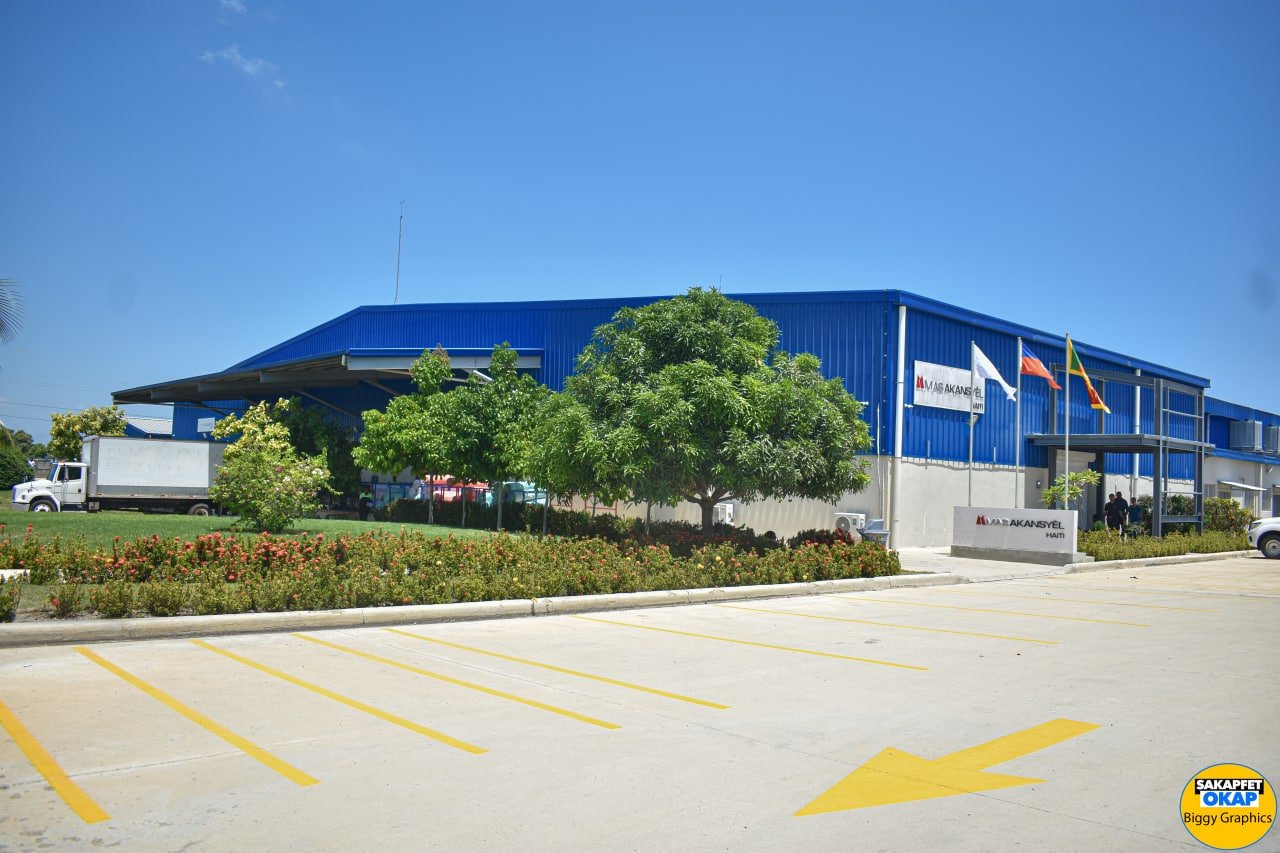
Nestled in the enchanting embrace of Haiti’s North East department lies a true marvel – Caracol. This picturesque area is more than just a destination; it’s a sanctuary where tranquility dances in harmony with the gentle whispers of nature. From the chirping of content birds to the warm smiles of its inhabitants, Caracol is a true wonderland waiting to be explored. One of the most captivating aspects of Caracol is its serene ambiance. Here, peace isn’t just a concept; it’s a way of life. Even the birds seem to sing with an extra ounce of joy, as if they’ve found their own slice of paradise amidst the lush greenery. Stepping into Caracol feels like entering a world where time slows down, allowing you to embrace the simple pleasures of life. But what truly sets Caracol apart is its people – kind-hearted souls who find solace in the simplicity of their daily lives. Engaged in activities like fishing and gardening, they embody a deep connection to the land that sustains them. And amidst it all, the industrious spirit of Caracol shines through, with the industrial parc serving as a beacon of progress and opportunity for the community. Yet, amidst the tranquil rhythm of everyday life, Caracol pulsates with the vibrant energy of Haitian culture. Voodoo, an integral part of local life, weaves its mystical threads into the fabric of daily rituals and traditions. And come July, the entire community comes alive with patronal celebrations that draw Haitian diaspora from every corner of the globe. It’s a time of joyous reunions, where cultural immersion meets spirited competitions, from exhilarating running races to thrilling boat races on the sparkling waters. As the sun sets on another day in Caracol, the excitement doesn’t end – it transforms. Carnival season, known as "mardi gras," casts its spell over the land, igniting the imaginations of children who eagerly don disguises and wield whips to make merry mischief. Laughter fills the air as they chase each other, their gleeful shrieks echoing through the streets, creating memories that will last a lifetime. In Caracol, every moment is a celebration, every day a testament to the resilience and warmth of its people. So, whether you’re seeking a tranquil retreat or a cultural adventure, Caracol invites you to discover its hidden wonders and experience the magic for yourself. After all, in this captivating corner of Haiti, every day is a journey into the heart of paradise.

Recently Posted

History

History

First black nation to free itself from slavery and gain independence from France in 1804 and influenced other liberation movements around the world, inspiring struggles for freedom and equality.

Natural beauty

Natural beauty

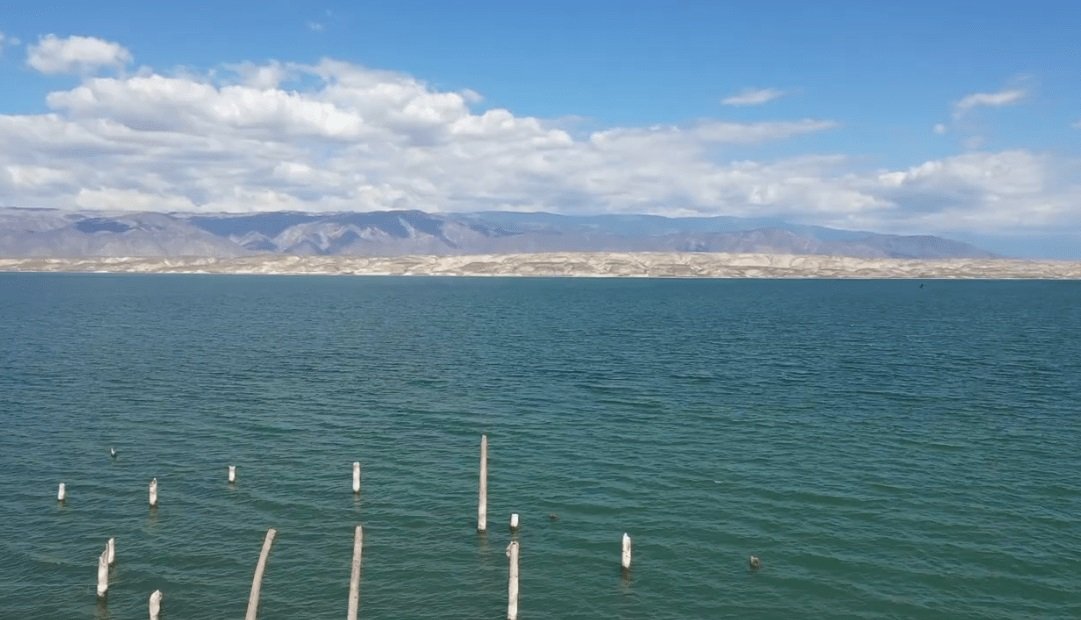
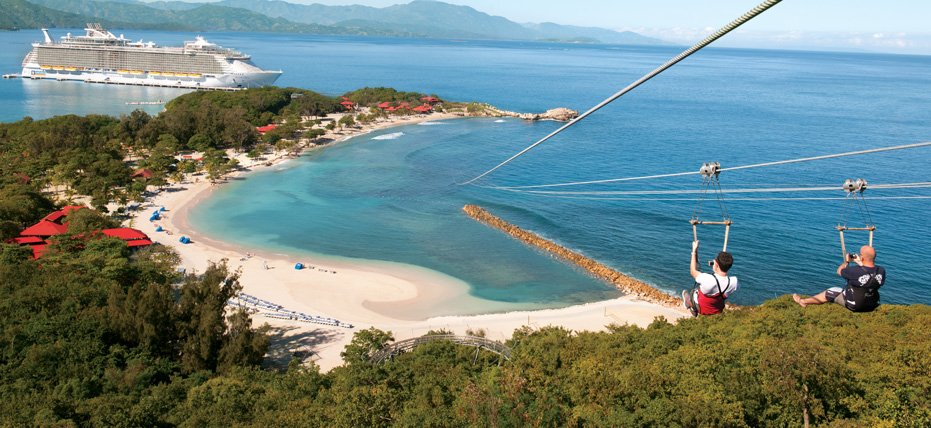
Haïti is blessed with spectacular natural landscapes, including white sand beaches, mountains and rich biodiversity.

Heritage

Heritage

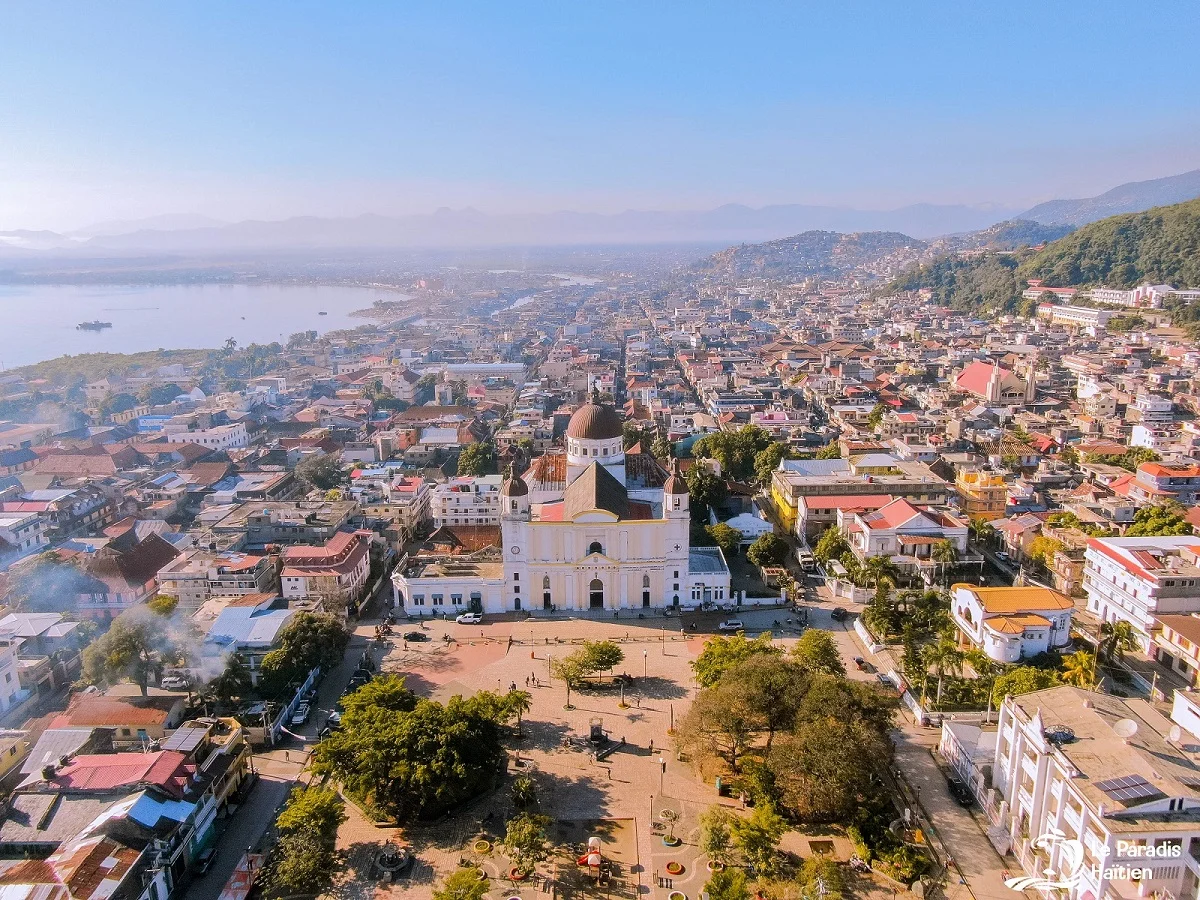
Haïti has a rich historical heritage, including sites like the Citadelle Laferrière and the Sans-Souci Palace, listed as UNESCO World Heritage Sites.

Culture

Culture

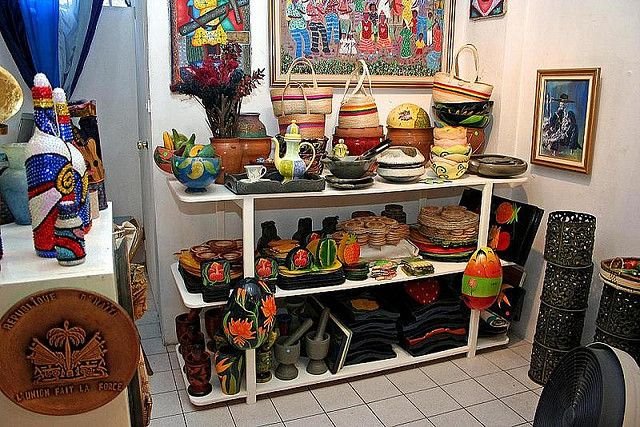
Haïti has a rich and diverse culture, influenced by African, European and indigenous elements. Haitian music, dance, art and cuisine are celebrated around the world.

  • +
    • Post