contact@haitiwonderland.com+509 36184317

Discover

Shopping Cart

Why is French spoken in Haiti?

Why is French spoken in Haiti?

Haïti is a unique country in the Caribbean, not only for its revolutionary history, but also for its official languages: French and Haitian Creole. French, although spoken fluently by only a minority, plays a central role in the country’s administration, education, and culture. But why is this language so present in a country with African and Caribbean roots? This article explores the historical, cultural, and sociolinguistic origins of French in Haiti.

Haïti
Haïti
Haïti

A Colonial Legacy: The Roots of French in Haiti

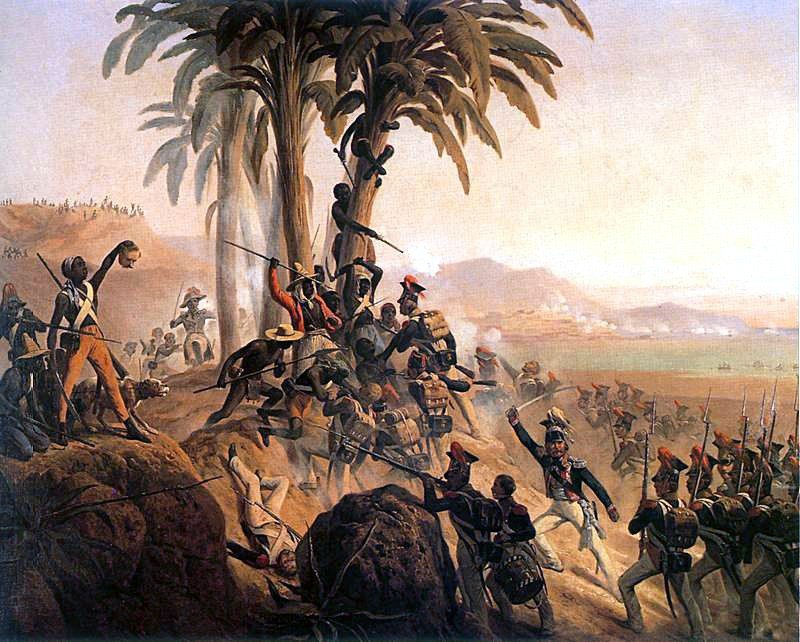
The presence of French in Haïti dates back to colonization. In the 17th century, the island of Hispaniola, where Haïti is today, was colonized by the Spanish and then partially occupied by the French. In 1697, with the Treaty of Ryswick, the western part of the island, called Saint-Domingue, became a French colony.

During this period, the French language established itself as an administrative, commercial and cultural language, adopted by the European colonists who exploited the island for its agricultural resources, especially sugar cane and coffee. African slaves, who made up the majority of the population, were exposed to French, although they developed their own language: Haitian Creole, a mixture of French, African languages ​​and local influences.
The Role of French After Independence

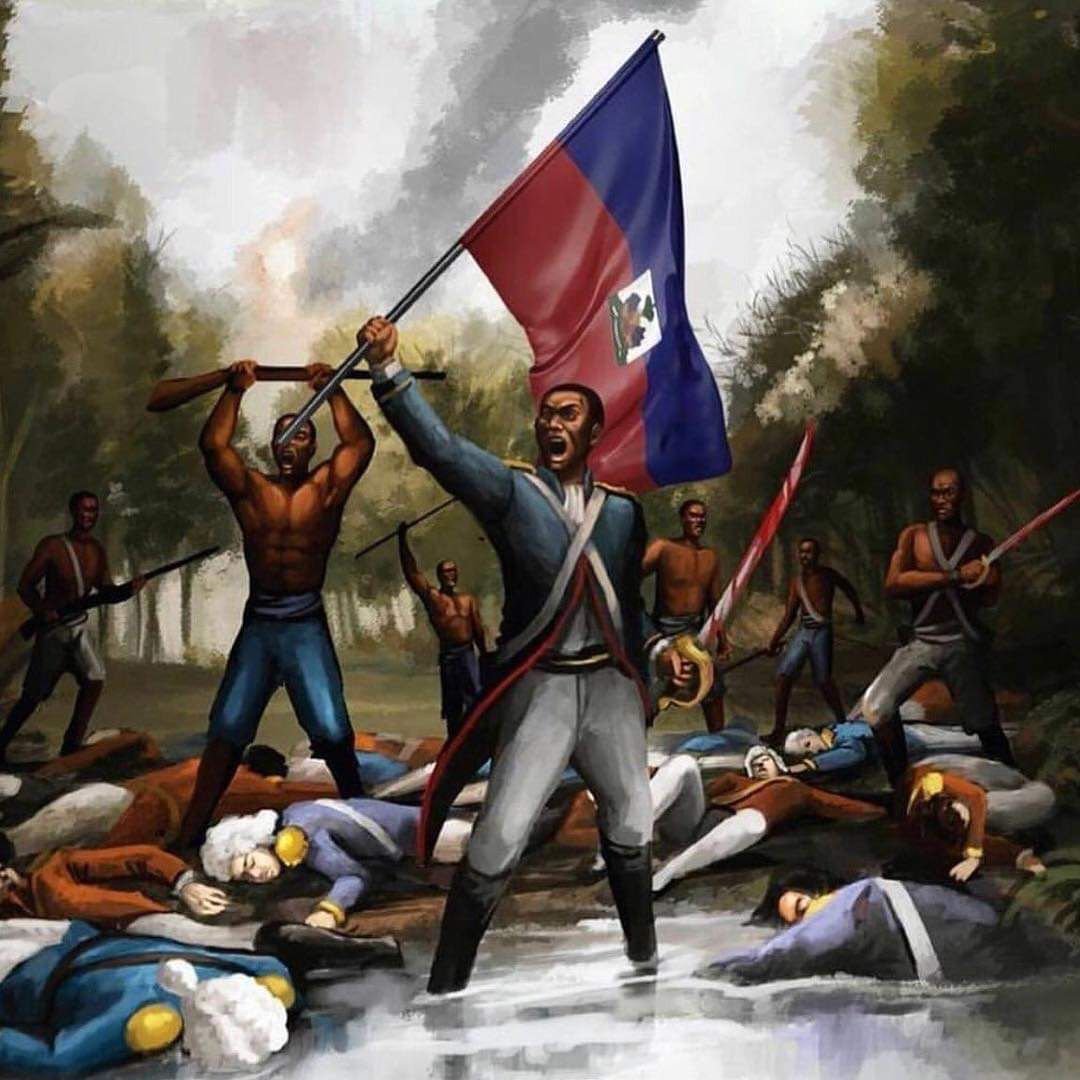
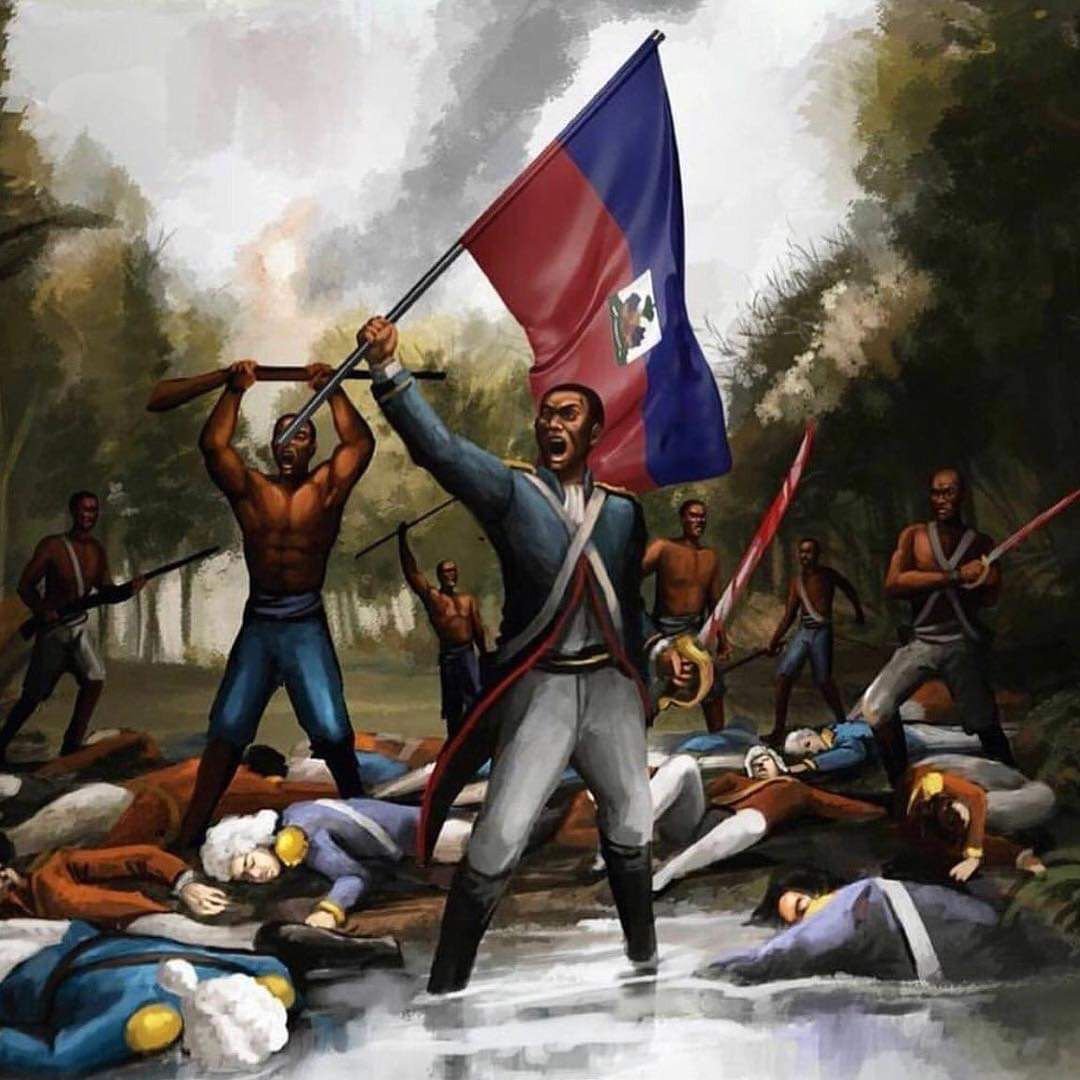
In 1804, Haïti became the first independent black country after a revolution led by former slaves. However, despite this break with France, French remained the official language of the new state.
There are several reasons for this choice:
- A symbol of the elite: French was seen as the language of business, education, and diplomacy. The leaders of the revolution, many of whom had been educated in the language, maintained it to assert the authority and legitimacy of the young republic on the international stage.
- A tool of unification: In a country where the population spoke mainly African languages ​​and Creole, French served as a tool to establish a centralized administration.
- A cultural heritage: Although Haïti freed itself from French domination, French culture, particularly through literature, laws, and education, continued to exert a strong influence.

A Language of Minority But of Power

Today, approximately 10% of the Haitian population is fluent in French, while Creole is spoken by almost all Haitians. However, French remains dominant in the following areas:

- Administration: Official documents, laws, and decrees are written in French.

- Education: Although reforms have been introduced to include Creole, French is still widely used in schools, especially in secondary and higher education.
- Media and culture: Newspapers, some books, and artistic productions often adopt French to reach an international audience or to fit into an intellectual tradition.

However, this restricted use of French has also contributed to a social divide between urban elites, who master the language, and the majority of the rural population, who speak primarily Creole.

Haïti
Haïti
Haïti

A Complex Bilingualism: Challenges and Opportunities

The status of French in Haïti raises questions about national identity and social inclusion. While the French language is an asset on the international stage and a link to a rich literary and legal tradition, it is often perceived as inaccessible to many Haitians.

Recent efforts to promote Creole in schools and institutions aim to valorize this majority language, while preserving the role of French. Bilingualism can be a strength for Haiti, offering its citizens the ability to navigate local and international contexts.

Why French Remains Relevant in Haiti

French in Haïti is much more than just a language inherited from colonization: it is a tool of international communication, a cultural marker, and a symbol of belonging to a global Francophone community.

However, for French and Creole to coexist harmoniously, it is essential to continue efforts to educate and promote both languages. In this way, Haïti can continue to honor its history while building an inclusive and multilingual future.

Share
About the Author
Appolon Guy Alain
Appolon Guy Alain
Appolon Guy Alain

Full Stack Developer, Créatif, expérimenté, passionné des nouvelles technologies et de l’art.

See other articles from Appolon Guy Alain
cheese guy

CHEESE!!!

November 11, 2025 - 11:01:46 AM
cheese guy

NO del cheese

November 11, 2025 - 11:02:15 AM
Leave a comment

Recently Posted

Newsletter

Subscribe to our newsletter to stay informed of all our activities and news on Haiti.

Emeline Michel, in exceptional concert in Miami

St. Clement Parish celebrates its seventy years of service to God and the Haitian community, this November 23, 2024, at 2975 N. Andrews Ave., Wilton Manors, FL. On the occasion of this celebration, Emeline Michel will be in exceptional concert to mark this cultural event. On the menu of this program, the committee plans to organize evangelization sessions, continuing education, fields of ethics, morality and spirituality. This event will also emphasize faith, reason and culture to rebuild in unity the kingdom of God here below where "Charity unites us to God". With the aim of raising culture to its peak, the Archbishop of Miami is pleased to join us for a great Eucharistic celebration on Saturday, November 23, 2024, starting at 10 a.m. Together, they will mark this mythical date engraved in the memory of his faithful and friends. This evening will be hosted by the icon of Haitian music, Emeline Michel, who has made a name for herself in the Haitian cultural landscape: "We welcome the famous singer Emeline Michel. She will do us the honor of reliving important and unforgettable moments of our charming land of Haiti. With her melodious, very captivating voice and her poetic songs, all the beautiful memories will be there, like our beaches, the light breeze of our mornings and the flight of capricious birds," wrote the press release. The 58-year-old diva continues to establish herself as one of the unique, contagious voices of Haitian music. While remaining in her style, she has been able to create her musical universe during her career, which has allowed her to be honored in the community by her fans. Emeline Michel, with her sincere lyrics and unique style, has managed to reach a wide audience without giving up her authenticity. With her songs and her melodious voice, she has rocked several generations. Throughout her musical career, she has an enriching repertoire, about thirteen albums to her credit, we can cite a few: Douvanjou ka leve (1987); Flanm (1989); Pa gen manti nan sa (1990); Rhum et Flamme (1993); Tout mon temps (1991); Emeline Michel, the very best (1994); Ban m pase (1996); Coedes and Soul (2001); Rasin Kreyòl (2004); Queen of Hearts (2007); Quintessence and lastly Gratitude (2015). She also has many collaborations with other artists. Chanjman and Jan mwen (2020, and 2021) Emeline Michel, 40 years of experience on stage, she carries all Haïti in her voice, her soul and her body. During her flourishing years of success, she has marked several continents where she has already performed (Antilles, America, Europe, Asia). This allowed her to discover several places, such as: Carnegie Hall, at the United Nations; the Teatro Manzoni in Milan; the Kravis Center in Florida; the International Jazz Festival (Haiti). Then, the Luminato Festival in Ontario; the International Jazz of Montreal; the New Orleans Jazz Fest; the Ten Days On The Island. The priest of the parish of St. Clement, Rev. Patrick Charles, took the opportunity to extend a warm invitation to the community to come celebrate this great day marking its seventieth anniversary and to entertain in order to once again highlight Haitian culture.

Recently Posted

History

History

First black nation to free itself from slavery and gain independence from France in 1804 and influenced other liberation movements around the world, inspiring struggles for freedom and equality.

Natural beauty

Natural beauty

Haïti is blessed with spectacular natural landscapes, including white sand beaches, mountains and rich biodiversity.

Heritage

Heritage

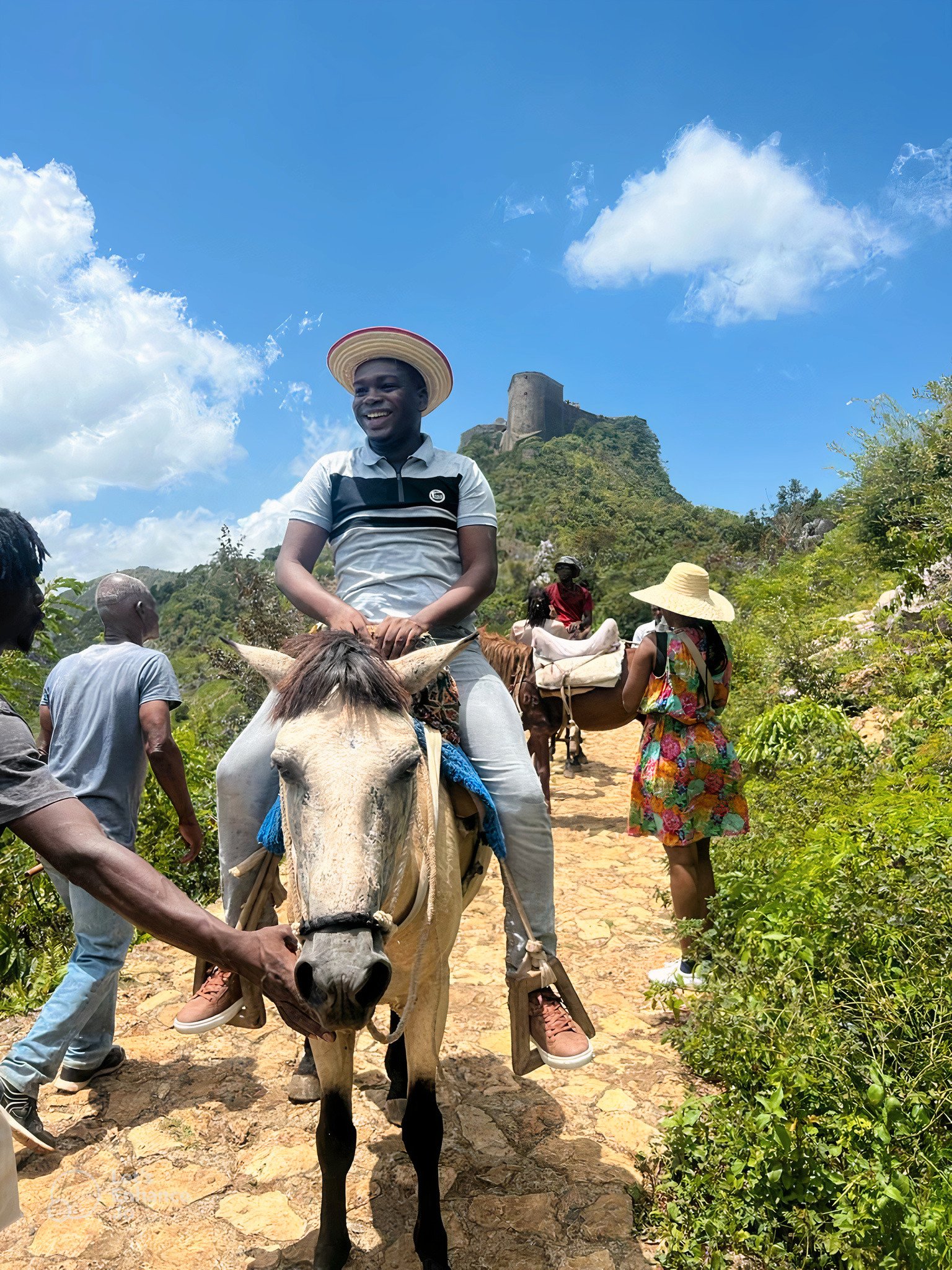
Haïti has a rich historical heritage, including sites like the Citadelle Laferrière and the Sans-Souci Palace, listed as UNESCO World Heritage Sites.

Culture

Culture

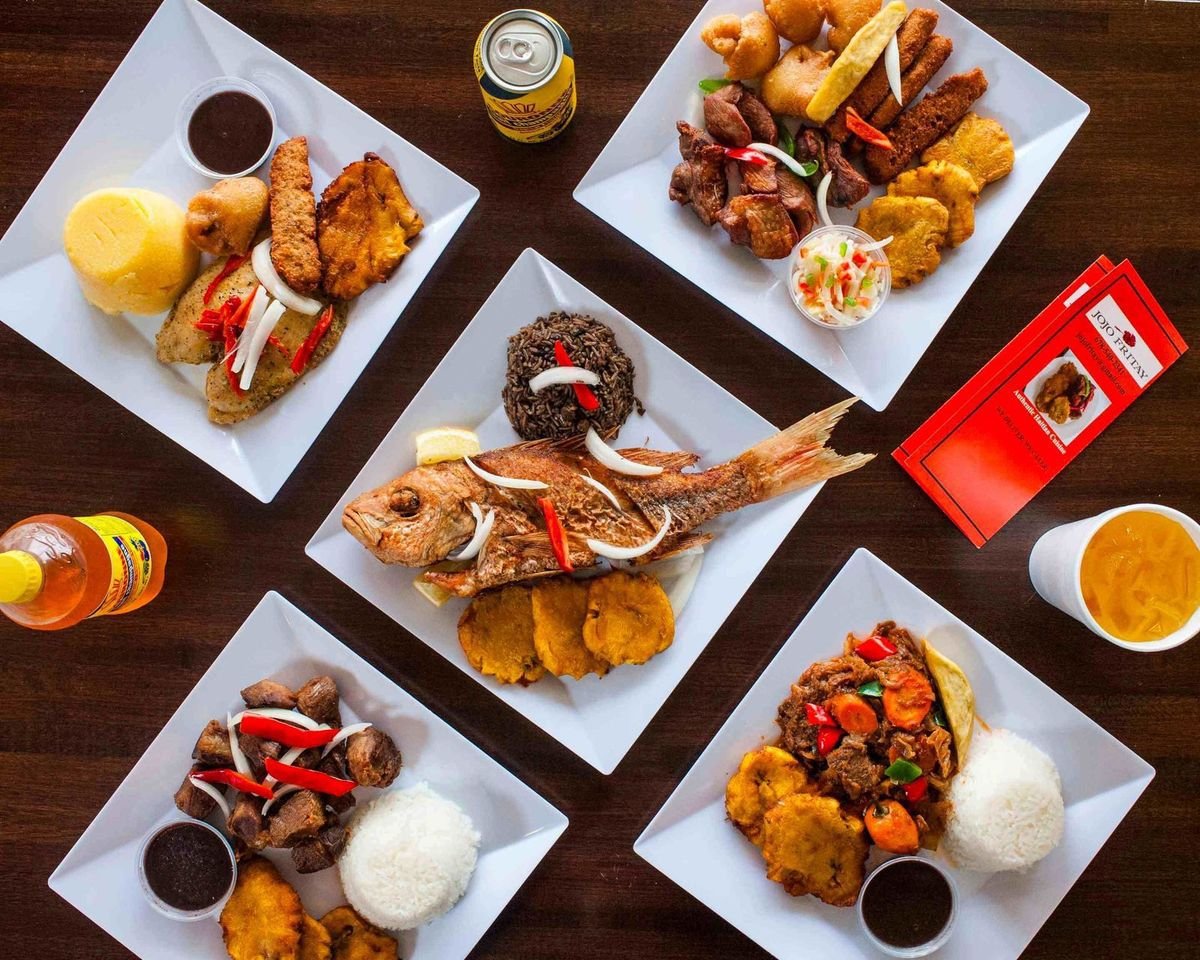
Haïti has a rich and diverse culture, influenced by African, European and indigenous elements. Haitian music, dance, art and cuisine are celebrated around the world.

  • +
    • Post