contact@haitiwonderland.com+509 36184317

Discover

Shopping Cart

What Does “Strength in Unity” Mean for Haiti
What Does  Strength in Unity  Mean for Haiti
What Does Strength in Unity Mean for Haiti

What Does “Strength in Unity” Mean for Haiti

Haiti’s national motto, “Strength in Unity,” is emblazoned on the Haitian flag and is an integral part of the country’s identity. But what does this phrase really mean to Haïti and why is it so important? This article explores the historical, cultural, and symbolic significance of this motto, which embodies the Haitian spirit of solidarity and resilience.

Haïti
Haïti
Haïti

A Legacy of the Haitian Revolution

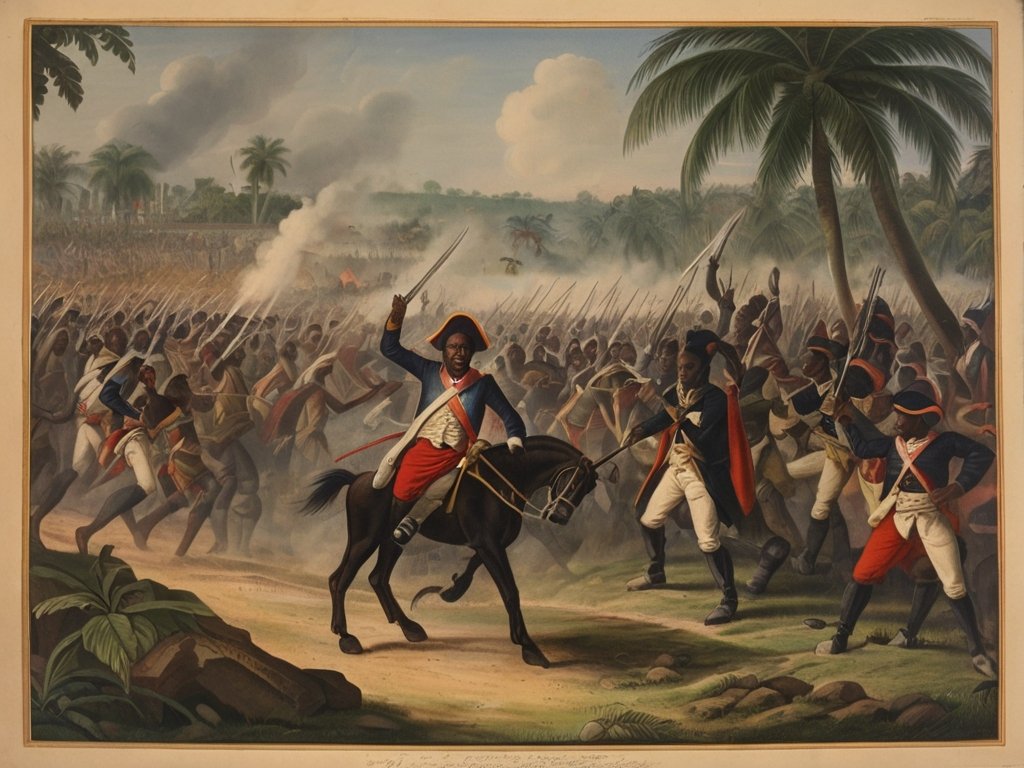
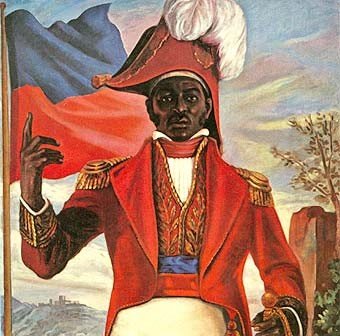
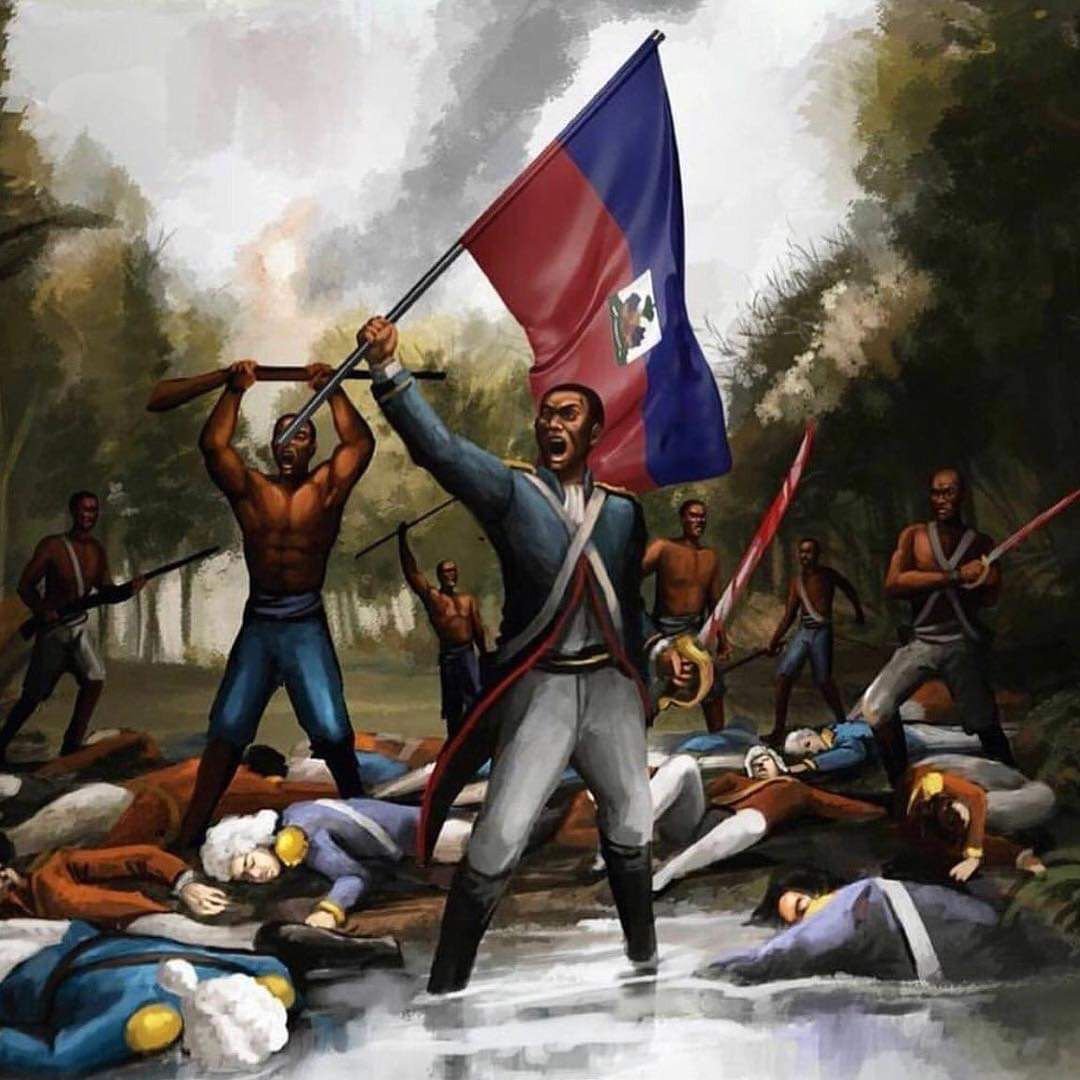
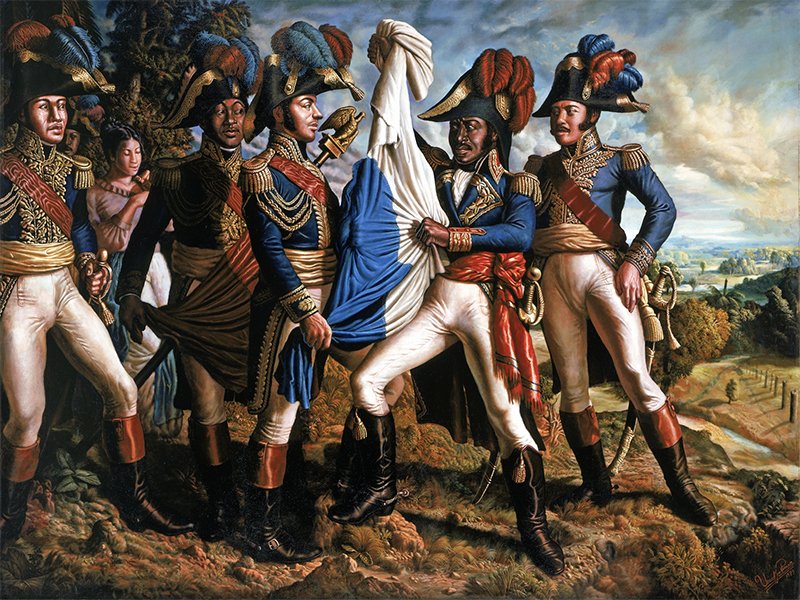
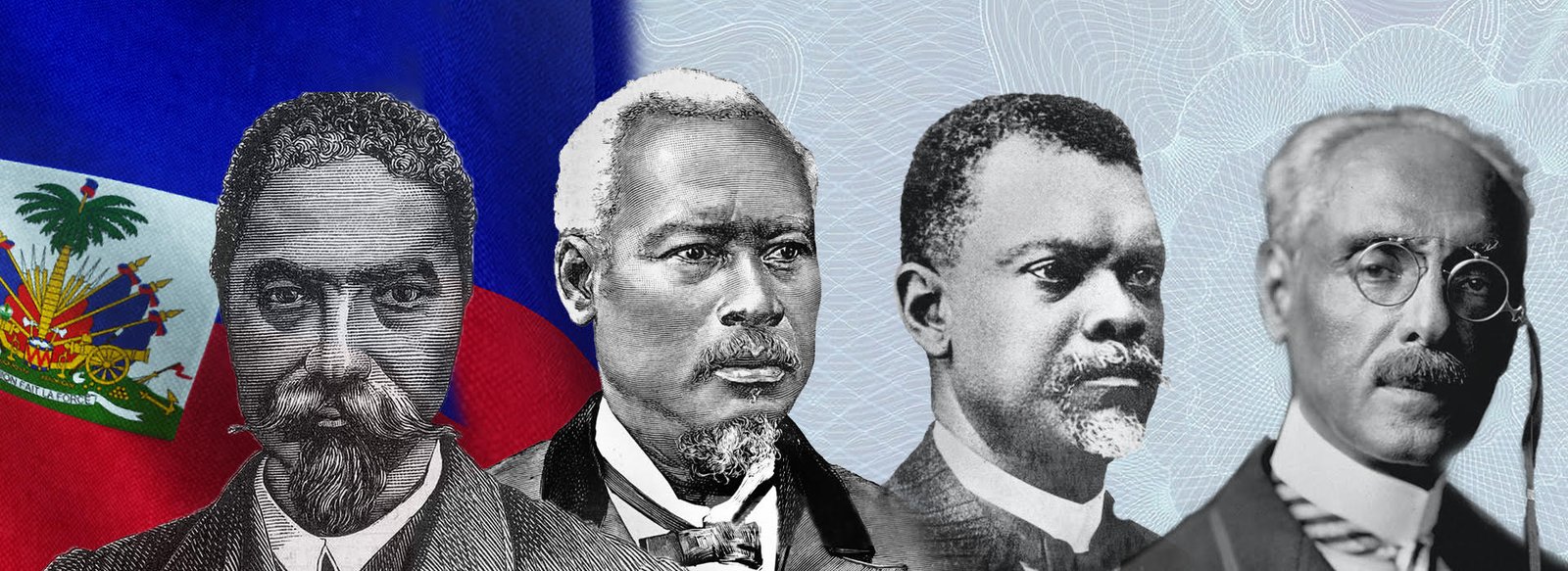
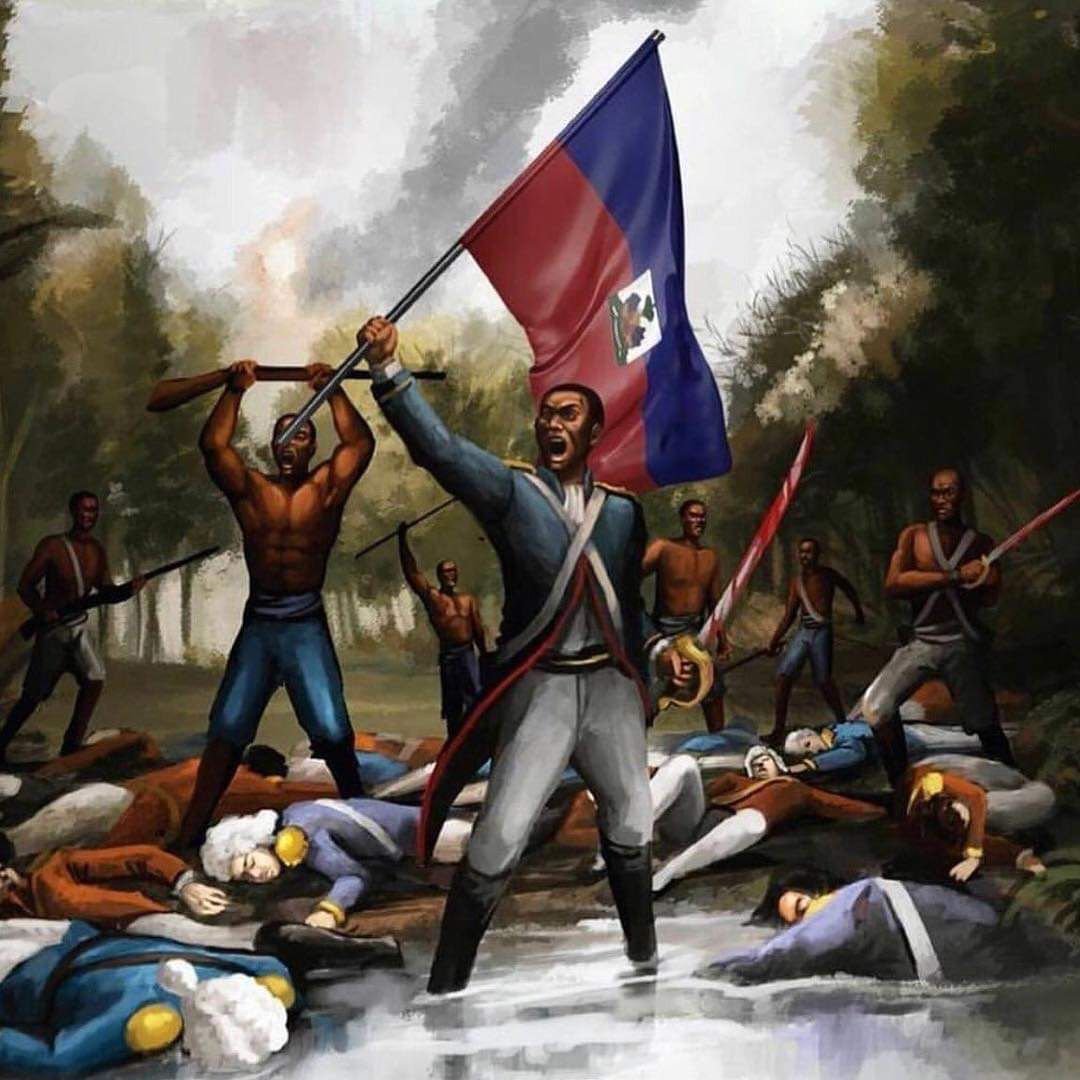
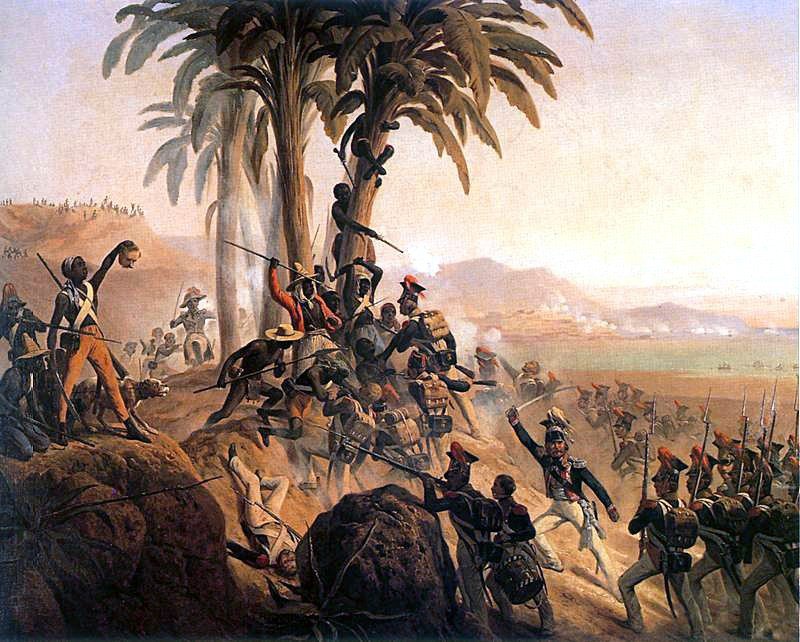
“Strength in Unity” is rooted in Haiti’s revolutionary history. During the struggle for independence from France in the early 19th century, former slaves, led by leaders such as Toussaint Louverture, Jean-Jacques Dessalines, and Henri Christophe, joined forces to overthrow colonial oppression.

This unity was crucial because the slaves came from different regions of Africa, spoke different languages, and had distinct traditions. By overcoming their differences, they were able to form a powerful and coordinated army that defeated one of the most powerful military forces of the time.

The motto "Unity is Strength" reflects this historical lesson: it is through solidarity and collaboration that Haitians were able to conquer their freedom and create the first independent black republic in the world.

A Message of National Cohesion

After independence, Haïti faced many challenges, including economic reconstruction, internal political divisions, and international isolation. In this context, "Unity is Strength" became a constant reminder of the importance of unity in overcoming adversity.

This motto is not just a slogan; it represents a philosophy of life. It invites Haitians to work together, despite their social, economic, or political differences, to build a better future for the country. It also serves as a guide in times of crisis, encouraging people to come together to overcome obstacles.

A Symbol of Resilience and Pride

"Unity is strength" is also an expression of the resilience of the Haitian people. Throughout its history, Haïti has faced many challenges: natural disasters, political instability, and economic challenges. Yet, despite these difficulties, Haitians continue to rise again thanks to their community spirit and solidarity.

The motto inspires national pride, reminding Haitians of their unique history and their ability to overcome oppression. It is a call to remember the sacrifices of ancestors and to honor their struggle by remaining united.

A Call for Unity in Diversity

Haïti is a country rich in cultural, linguistic, and religious diversity. This plurality can sometimes create tensions, but "L’Union fait la force" reminds us that diversity is a richness when it is used to serve a common goal.

Whether in music, gastronomy or traditional festivals, Haitians celebrate their culture with a spirit of sharing and inclusion. The motto resonates particularly during national events such as Carnival or the celebration of the flag, where unity and fraternity are highlighted.

Haïti
Haïti
Haïti

A Message for the Whole World

Beyond Haiti’s borders, "L’Union fait la force" is a universal message. In a world marked by divisions, this motto recalls the importance of solidarity and collaboration to meet global challenges.

For the Haitian diaspora, it is a link to the homeland and a reminder of the values ​​inherited from ancestors. It also inspires others to learn from Haiti’s history and believe in the power of unity in the face of adversity.

Haïti / Fort Saint-Joseph: Historical Vestige of the Resistance

Haïti / Fort Saint-Joseph: Historical Vestige of the Resistance

Located in the Bay of Cap-Haitien, Fort Saint-Joseph stands like a silent guardian of Haiti’s tumultuous history. Built in two stages, in 1748 and 1774, this defensive work was once a crucial element of the city’s protection system against French colonial assaults. Alongside other forts such as Picolet and Magny, its mission was to control maritime passages and defend Haitian sovereignty. However, its history is not limited to its defensive function. In 1802, then under the control of General Henry Christophe, the fort became the scene of a heroic act of resistance. Faced with the French expeditionary army, Christophe ordered the destruction of the powder magazine and the entrance gate to the fort, thus rendering it temporarily unusable. This courageous gesture, although tactical, left indelible scars on the very structure of the fort, testifying to the fierce clashes between French colonial forces and Haitian resistance fighters. These historic marks, still visible today, offer a window into the country’s tumultuous past. They allow visitors and historians to interpret the fierce struggles that forged Haitian identity. Fort Saint-Joseph, as a witness to the resistance and the struggle for freedom, embodies the indomitable spirit of the Haitian people. Recognizing its historical significance, the Haitian government officially classified Fort Saint-Joseph as national heritage in 1995. This recognition paved the way for restoration efforts aimed at preserving this precious vestige of Haitian military heritage. Thanks to collaboration between the public sector and local private funding, the fort has recently been restored and enhanced. Thus, Fort Saint-Joseph remains much more than a simple stone structure. It is a living symbol of the resilience and determination of the Haitian people, reminding all visitors that Haiti’s history is deeply rooted in the struggle for freedom and human dignity. To virtually discover this jewel of Haitian history, you can visit the following link: https://haitiwonderland.com/haiti-virtual-reality-ht/monuments-histoire/haiti--fort-saint-joseph--visite- virtual/11



Haïti
Haïti
Haïti

Why “Unity is Strength” Remains Essential for Haiti

“Unity is Strength” is much more than just a motto for Haiti. It is a historical legacy, a moral guide, and a source of motivation for a people who have always risen to the challenges. It reflects the very essence of Haitian identity: a courageous, resilient, and united people.

By recalling the importance of unity, this motto continues to inspire current and future generations to build a stronger and more united Haiti, while honoring the struggles and victories of the past.

Share
About the Author
Appolon Guy Alain
Appolon Guy Alain
Appolon Guy Alain

Full Stack Developer, Créatif, expérimenté, passionné des nouvelles technologies et de l’art.

See other articles from Appolon Guy Alain
Leave a comment

Recently Posted

Belle-Anse, a village between tradition, nature and tourist potential

Nestled in the southeast of Haiti, Belle-Anse is a destination that fascinates with its natural beauty and rich history. This small town, still often ignored by major tourist routes, is full of treasures that deserve to be discovered. Its wild beaches, its imposing mountains and its unique historical heritage make Belle-Anse a hidden pearl, ready to seduce travelers in search of authenticity and tranquility. Belle-Anse, founded in the 18th century, still bears the traces of its past. Its history, marked by changes of names and identity, bears witness to the political and social upheavals that have given the region. From the colonial era to the birth of the Republic, each corner of the city tells a part of the history of Haiti. This rich past is combined with a vibrant cultural life, where local festivals, such as the celebration of the Patron Saint every December 10, offer an authentic glimpse into the lives of the inhabitants. The historical remains scattered throughout the city are not only a reminder of the era of colonization, but also of the struggles for independence. These witnesses of the past, combined with a calm and preserved atmosphere, make Belle-Anse a place where history and nature intertwine harmoniously. What distinguishes Belle-Anse is undoubtedly its spectacular natural environment. Ultimately, these beaches before the deserts invite you to relax. Lagan Beach, lined with palm trees and crystal clear waters, offers an idyllic setting for lovers of wild nature, far from the crowds of more frequent tourist destinations. The nearby Bay of Jacmel is a true natural bliss, promising moments of calm and escape. The city is also surrounded by majestic mountains, ideal for those who wish to explore the Haitian landscapes on foot, while discovering a unique biodiversity. While Belle-Anse’s natural resources are rich, they are also fragile, and preserving these areas remains an important issue for the future of the region.

Newsletter

Subscribe to our newsletter to stay informed of all our activities and news on Haiti.

Recently Posted

History

History

First black nation to free itself from slavery and gain independence from France in 1804 and influenced other liberation movements around the world, inspiring struggles for freedom and equality.

Natural beauty

Natural beauty

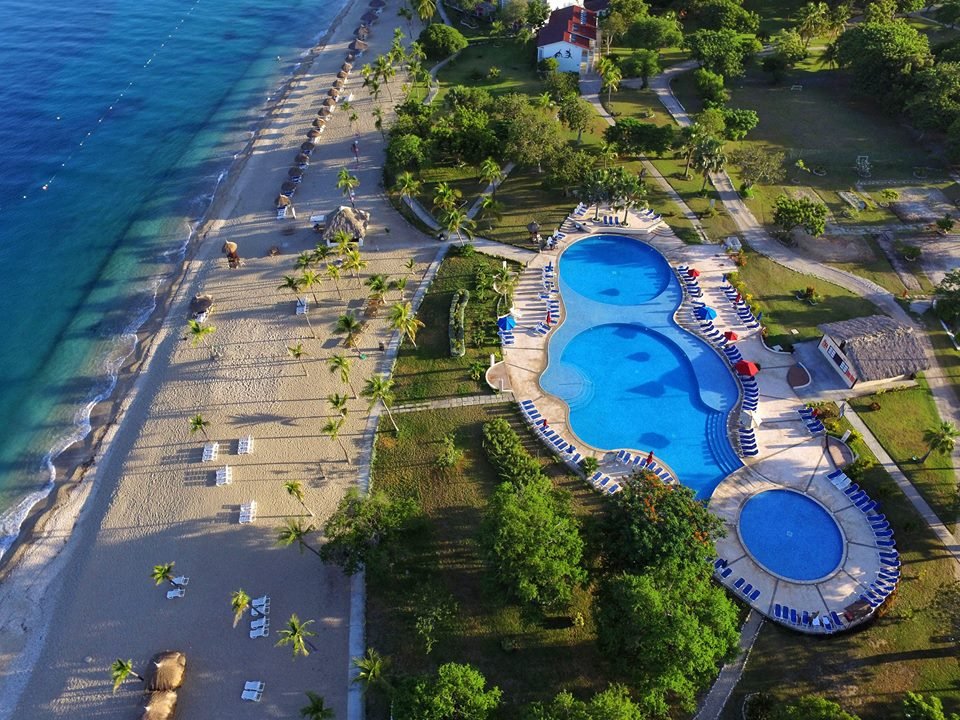
Haïti is blessed with spectacular natural landscapes, including white sand beaches, mountains and rich biodiversity.

Heritage

Heritage

Haïti has a rich historical heritage, including sites like the Citadelle Laferrière and the Sans-Souci Palace, listed as UNESCO World Heritage Sites.

Culture

Culture

Haïti has a rich and diverse culture, influenced by African, European and indigenous elements. Haitian music, dance, art and cuisine are celebrated around the world.

  • +
    • Post