contact@haitiwonderland.com+509 36184317

Discover

Shopping Cart

Did you know? Haïti is the first independent black republic

Did you know? Haïti is the first independent black republic

Haïti holds a unique and iconic place in world history as the first independent black republic. This historical fact, inscribed in the annals of the world, is a source of pride for the Haitian people and an inspiration for freedom and equality movements throughout the centuries. Let’s discover together the events that led to this historical feat and its impact on the international scene.

Haïti
Haïti
Haïti

A fight for freedom

The history of Haitian independence begins in the 18th century, when the island, then known as Saint-Domingue, was a French colony prospering thanks to the exploitation of sugar and coffee plantations. This economic model was based on the forced labor of hundreds of thousands of African slaves, subjected to inhumane conditions.

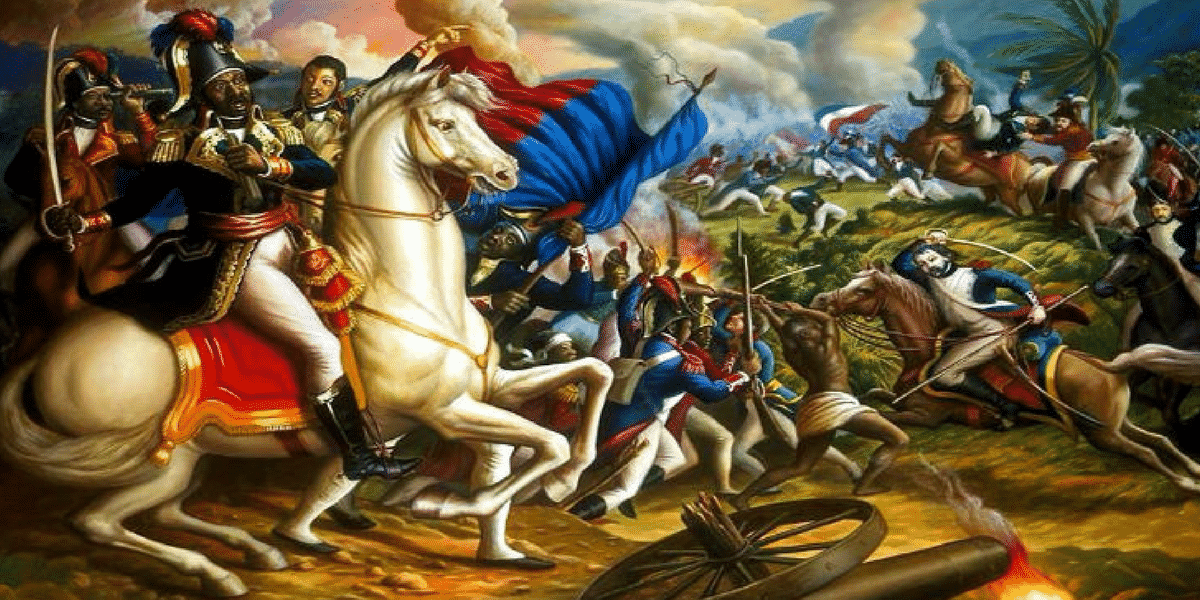
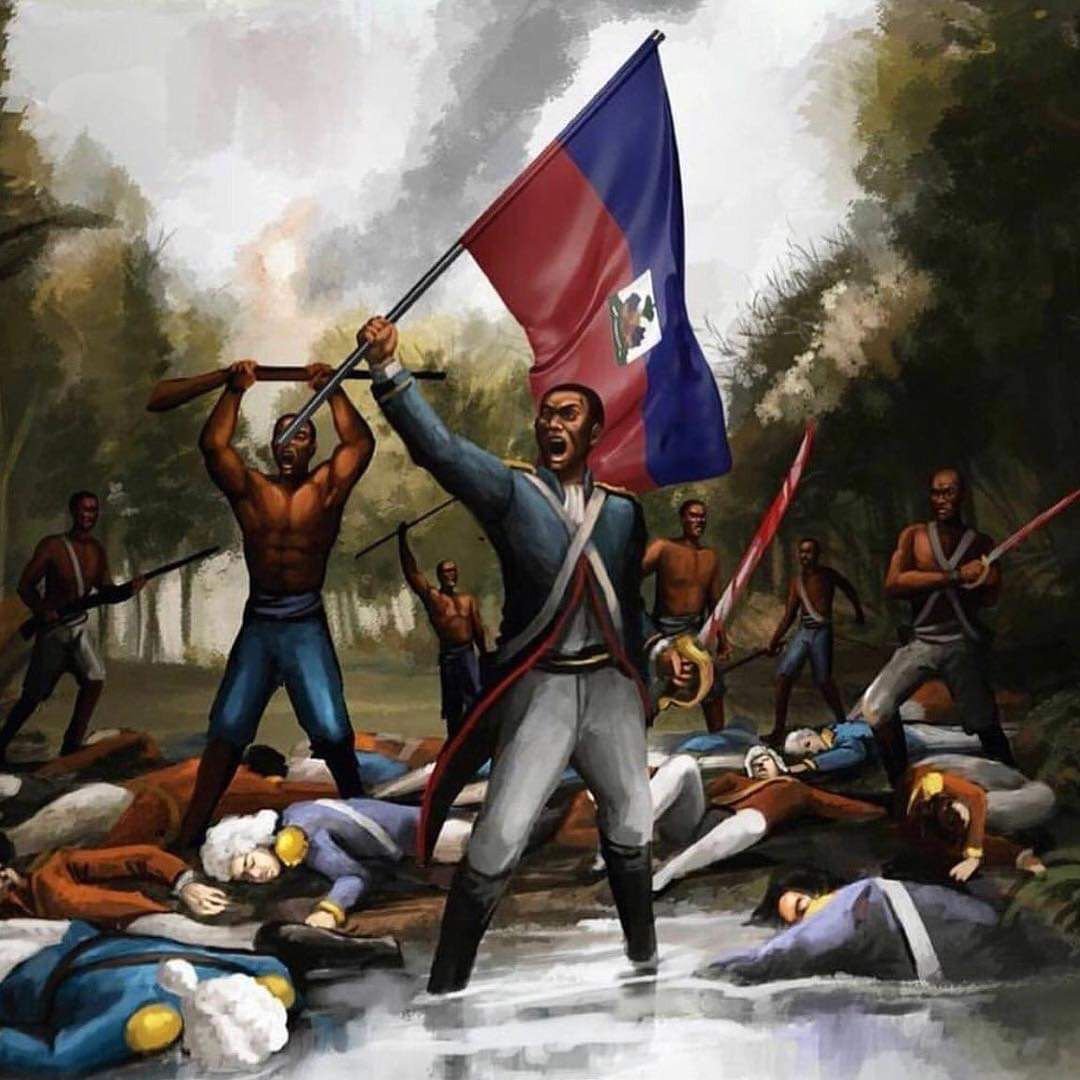
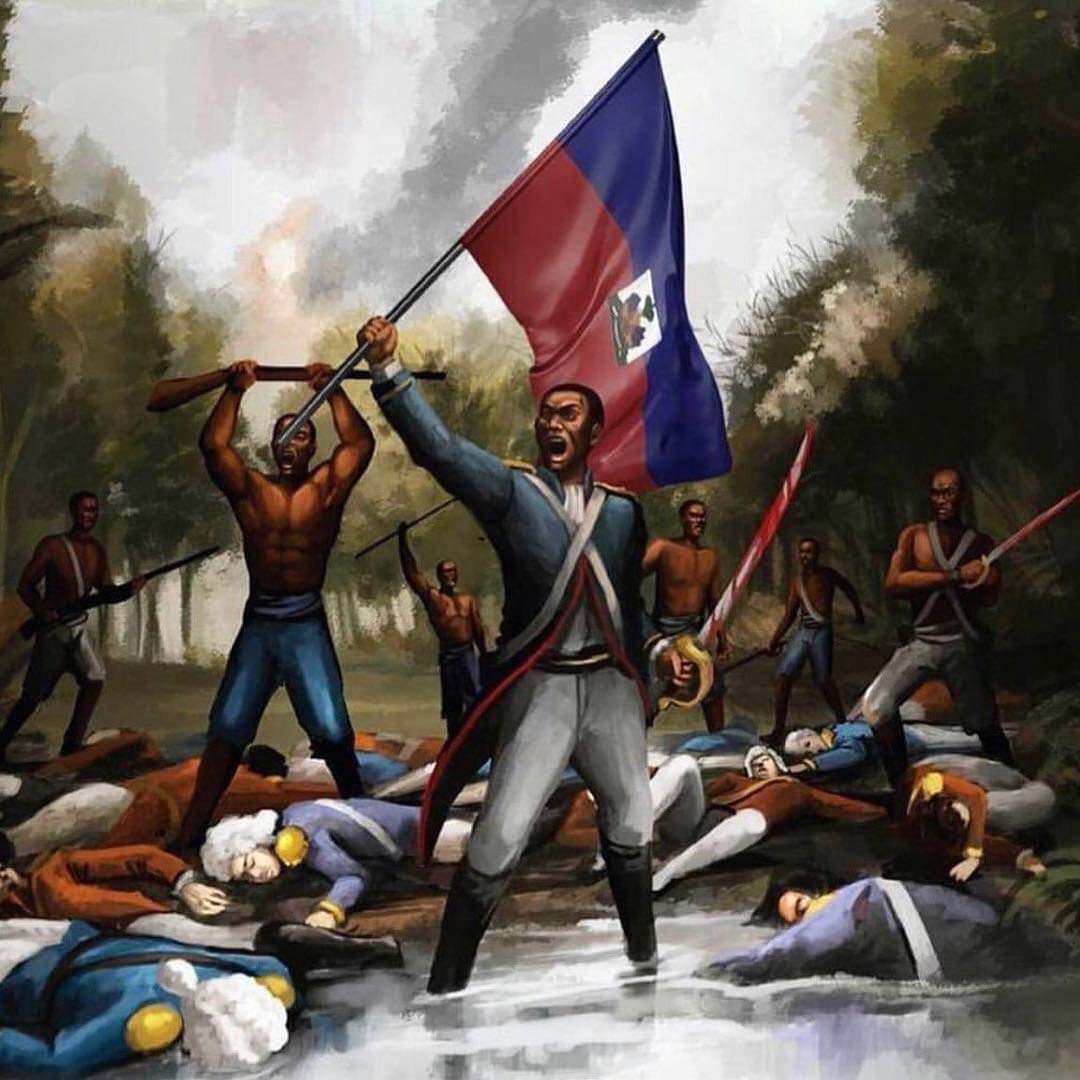
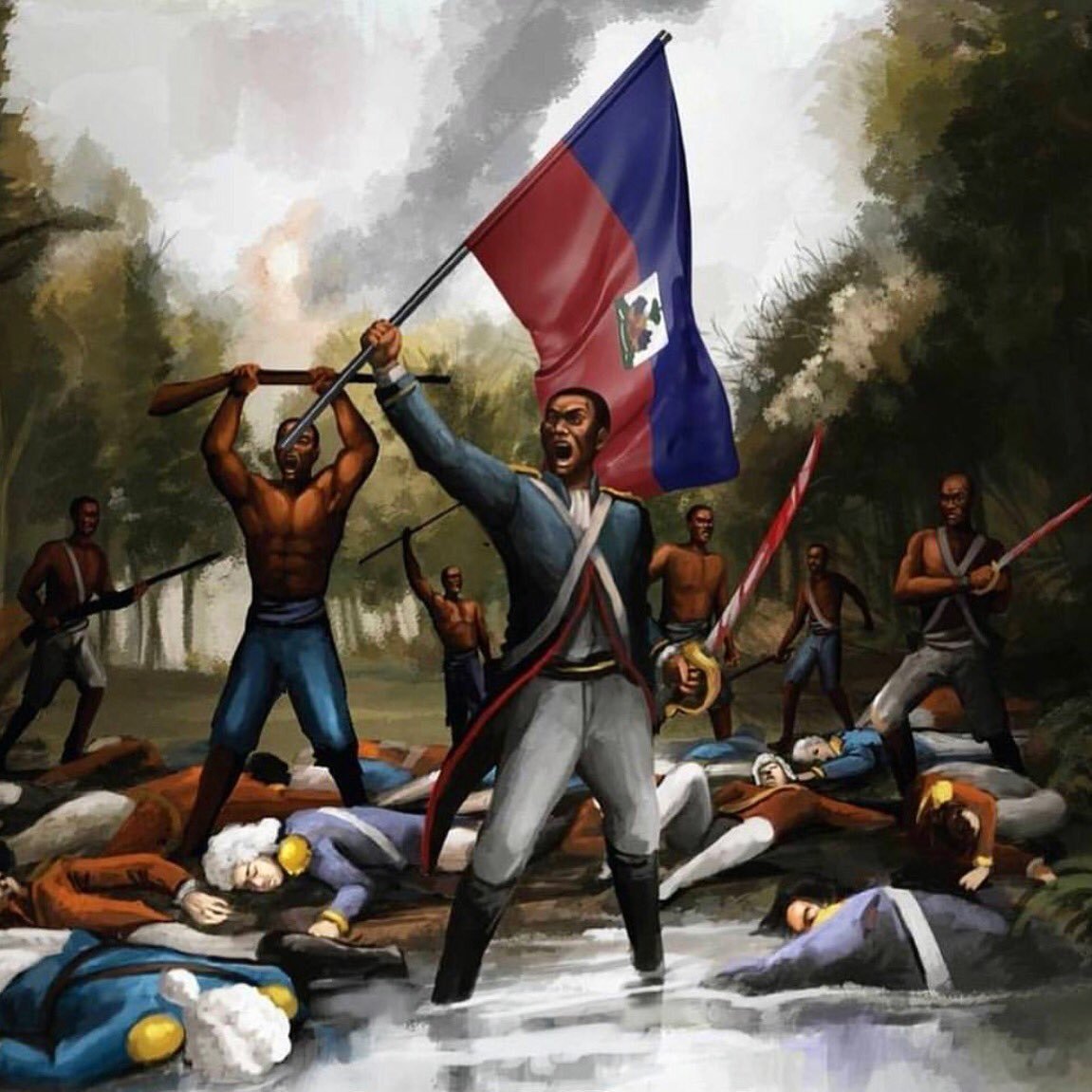
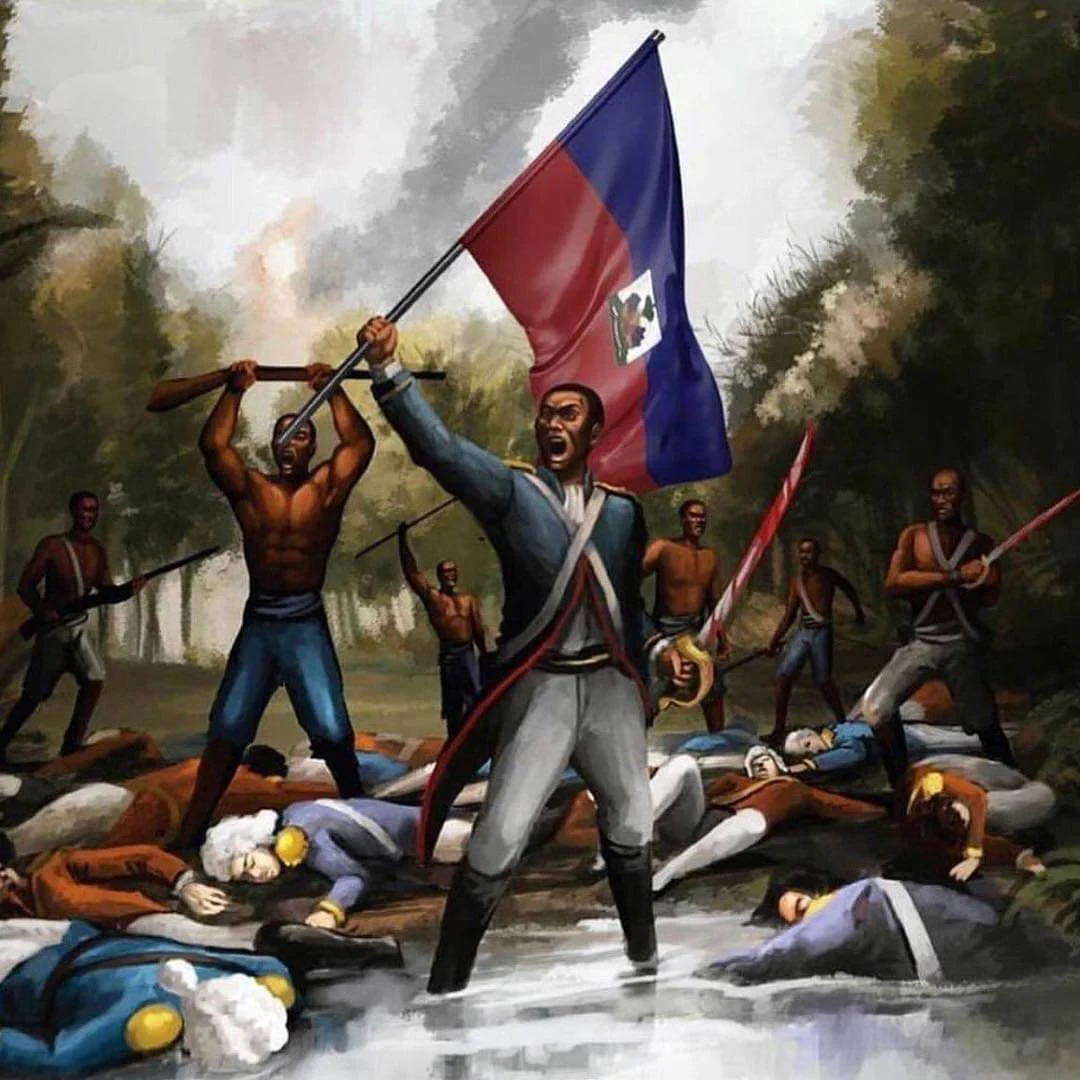
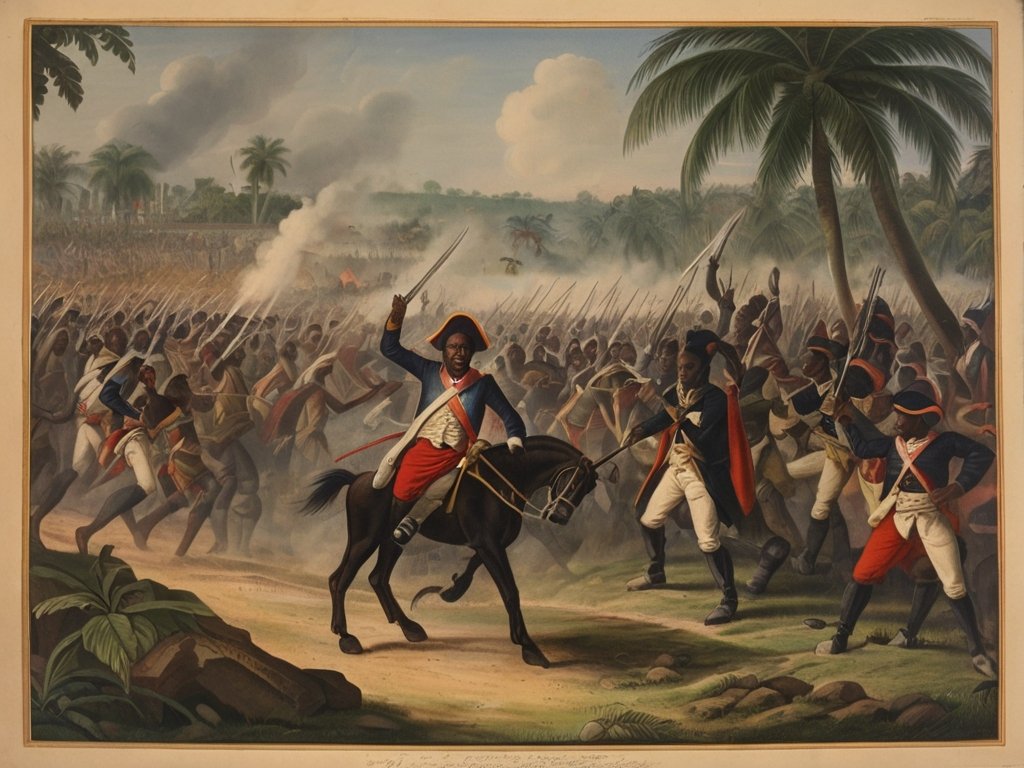
In the face of this oppression, slaves rose up in 1791 to launch the Haitian Revolution, a movement that would last for more than a decade. Led by iconic figures such as Toussaint Louverture, Jean-Jacques Dessalines, and Henri Christophe, slaves and freedmen waged a fierce struggle against the French army.

On January 1, 1804, after a decisive victory over Napoleon Bonaparte at the famous Battle of Vertières, Haïti declared its independence. This declaration marked not only the end of French colonial rule but also the definitive abolition of slavery in Haitian territory.

A Historical Precedent

Haïti became the first nation in the world to establish a republic led by former slaves. This feat inspired other peoples fighting for their freedom, particularly in Latin America and the United States. Haiti’s victory also demonstrated the power of collective resistance in the face of injustice.

Yet the young Republic’s path was not without its challenges. Because of its revolutionary act, Haïti was isolated diplomatically and economically by many nations, including European colonial powers and the United States, who feared that this example of revolt would inspire similar uprisings in their own colonies.

Haïti
Haïti
Haïti

A Global Impact

Haitian independence left a lasting legacy. Here are some key facts and figures that highlight its significance:
- 500,000 slaves freed: The Haitian Revolution ended slavery across the island, making Haïti a universal symbol of freedom.
- 1825: In order to gain official recognition from France, Haïti was forced to pay an exorbitant “debt of independence,” equivalent to $21 billion in today’s dollars. This economic burden impacted the country’s development for centuries.
- A role in other independences: Haïti supported liberation movements around the world, including that of Simon Bolivar, leader of independence in South America, by providing weapons, soldiers and a refuge for his troops.

Haïti / Fort Picolet: Historical Guardian of Liberty

Haïti / Fort Picolet: Historical Guardian of Liberty

Cap-Haïtien, Haiti’s historic jewel, is home to a fascinating architectural relic: Fort Picolet. Built at the end of the 18th century by the French, this imposing bastion majestically dominates the bay of Cap-Haïtien, bearing witness to the tumults of Haitian history and the fierce struggle for independence. The history of Fort Picolet is closely linked to that of Haiti, particularly at the time of the Haitian Revolution. During this tumultuous period, when slaves and freedmen rose up against colonial oppression, the fort was the scene of epic battles and fierce sieges. Sometimes used by French forces, sometimes by Haitian revolutionaries, Fort Picolet was a silent witness to the events that shaped the destiny of the nation. Designed with a strategic vision, the fort embodies the military architecture of its era. Its thick stone walls, strategically positioned cannons and viewpoints overlooking the bay make it an impregnable bastion. Its name, Fort Picolet, pays homage to General Louis Marie, Marquis de Picolet, French governor of Cap-Français at the end of the 18th century. Today, Fort Picolet remains much more than a simple historical monument. It is a living symbol of the resilience and determination of the Haitian people. Visitors who wander through its ruins can feel the imprint of history and contemplate the remains of a tumultuous past. From up there, a panoramic view of the bay of Cap-Haitien is available to them, offering a unique perspective on the strategic importance of this place in the maritime history of Haiti. As a pillar of Haitian tourism, Fort Picolet attracts visitors from around the world. Its historical aura, combined with the natural beauty of its environment, makes it a must-see destination for history and culture lovers. More than just a tourist attraction, Fort Picolet is a poignant testimony to the endless struggle for freedom and the cultural richness of Haiti. Throughout the centuries, Fort Picolet has survived the test of time, reminding everyone that freedom is an inalienable right, hard won and carefully preserved. By exploring its ramparts, contemplating its silent cannons, visitors find themselves immersed in the tormented history of Haiti, a story of courage, resistance and hope. Live an extraordinary experience by virtually visiting the ruins of Fort Picolet: https://haitiwonderland.com/haiti-virtual-reality-ht/monuments-histoire/haiti--fort-picolet--visite-virtuelle/14

Haïti
Haïti
Haïti

A source of pride for Haitians

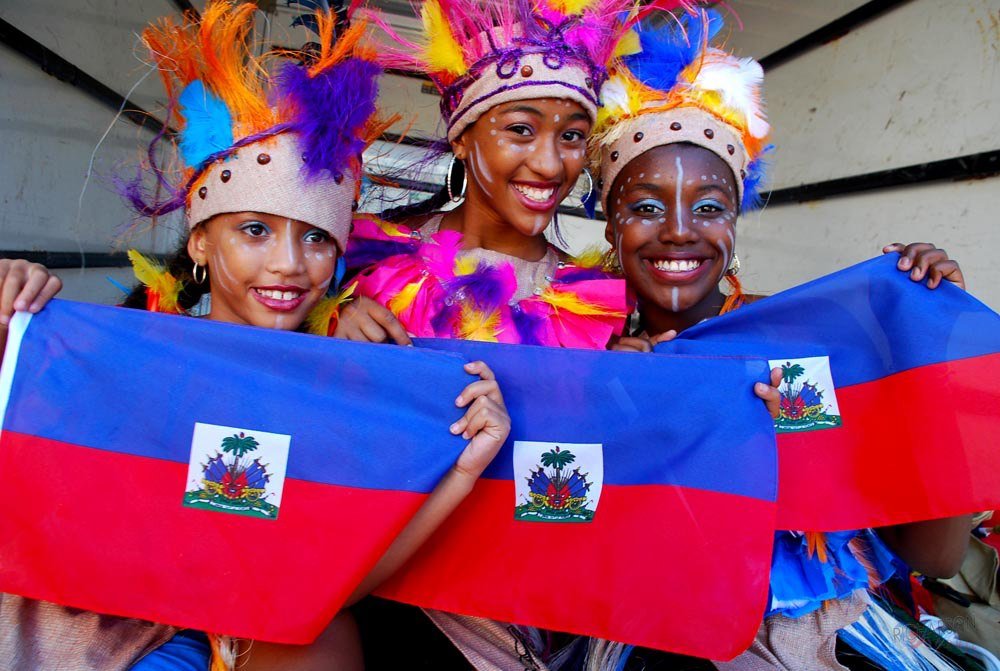
Today, Haiti’s independence is celebrated every year on January 1st, a date that also coincides with the national holiday. This day is marked by festivities, patriotic speeches, and the tasting of the famous soup joumou, a symbol of freedom and equality.

Despite the economic and political challenges the country has faced since its independence, Haïti remains a nation proud of its history and its role in the global struggle for human rights.

Haïti
Haïti
Haïti

A universal message

Haiti’s story is much more than a chapter in world history. It is a poignant reminder of the human capacity to overcome oppression and claim dignity. Haiti, as the first independent black republic, embodies the spirit of freedom, resilience, and courage.

If you would like to learn more about the impact of Haitian independence or share your thoughts, please leave a comment. Let’s celebrate this unique and powerful legacy together!

Share
About the Author
Appolon Guy Alain
Appolon Guy Alain
Appolon Guy Alain

Full Stack Developer, Créatif, expérimenté, passionné des nouvelles technologies et de l’art.

See other articles from Appolon Guy Alain
Leave a comment

Recently Posted

Cultural exploration: Discovering the Haitian soul

Cultural exploration offers a fascinating window into the richness and diversity of world heritage. Among destinations that captivate with their history, art and unique identity, Haïti stands out as a cultural gem worth discovering. b~Historical heritage:~b The history of Haïti is marked by the resilience of the Haitian people in the face of slavery, colonization and political challenges. It is the first independent state in Latin America and the only one founded by a successful slave revolt. Haiti’s historical heritage is reflected in its art, music, dance and beliefs. b~Art and Crafts:~b Haitian artistic expression is vibrant and powerful. Naive painting, famous for its bright colors and narrative themes, has its roots in Vodou traditions and local folklore. Haitian artists have gained international fame by capturing the mystical spirit and daily life of the country. b~Music, rhythm of the Haitian soul:~b Music is the pulsating soul of Haiti. From direct compass to voodoo to jazz to rasin, each musical genre has a deeply rooted history in Haitian culture. The iconic band, Boukman Eksperyans, fuses traditional rhythms with modern influences, creating a unique sonic experience that transcends boundaries. b~Dance and movements:~b Dance in Haïti is a celebration of life and spirituality. Voodoo dances, such as Yanvalou and Banda, embody sacred rituals while preserving African heritage. The graceful movements and colorful costumes tell stories from Haitian history, creating a deep connection between past and present. b~Spirituality and Voodoo:~b Vodou, often misunderstood, is an essential component of Haitian culture. It is a syncretic religion that combines African, Native American and Catholic elements. Vodou ceremonies, with their intoxicating dances and mystical rituals, are powerful expressions of Haitian spirituality and are rooted in the quest for connection with ancestors and deities. Exploring the Haitian soul means delving into a world where history, art, music and spirituality intertwine to form a unique cultural web. Haiti, with its diversity and resilience, offers an experience rich in emotions and discoveries. Whether through the bustling streets of Port-au-Prince, the vibrant art galleries or the captivating rhythms, every corner of this Caribbean country reveals a captivating facet of its deep and living soul.

Newsletter

Subscribe to our newsletter to stay informed of all our activities and news on Haiti.

Recently Posted

History

History

First black nation to free itself from slavery and gain independence from France in 1804 and influenced other liberation movements around the world, inspiring struggles for freedom and equality.

Natural beauty

Natural beauty

Haïti is blessed with spectacular natural landscapes, including white sand beaches, mountains and rich biodiversity.

Heritage

Heritage

Haïti has a rich historical heritage, including sites like the Citadelle Laferrière and the Sans-Souci Palace, listed as UNESCO World Heritage Sites.

Culture

Culture

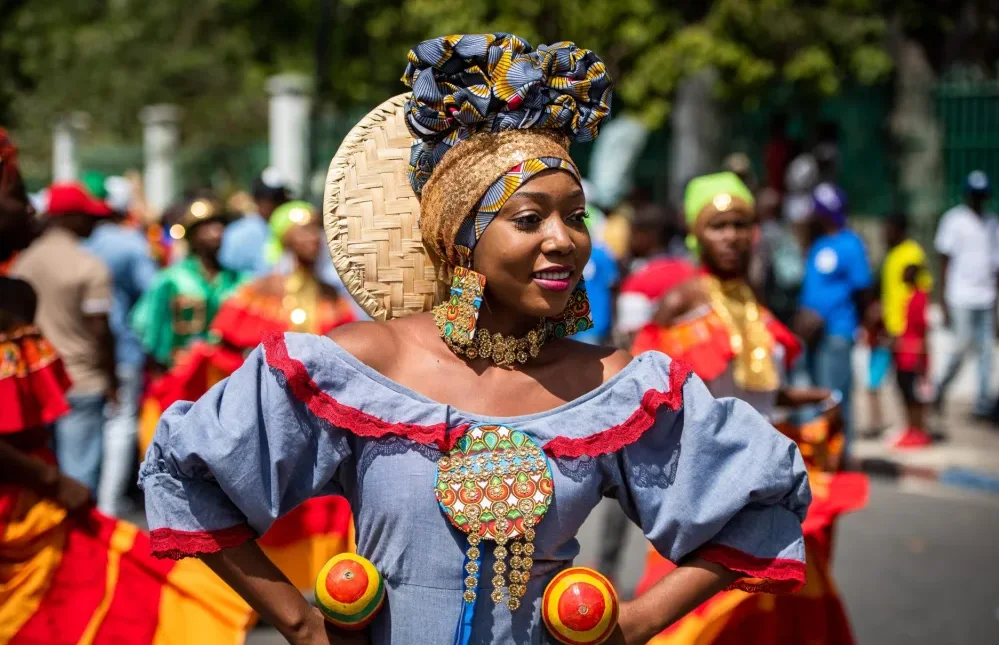
Haïti has a rich and diverse culture, influenced by African, European and indigenous elements. Haitian music, dance, art and cuisine are celebrated around the world.

  • +
    • Post