contact@haitiwonderland.com+509 36184317

Discover

Shopping Cart

January 1, 1804: Proclamation of the Independence of Haiti

January 1, 1804: Proclamation of the Independence of Haiti

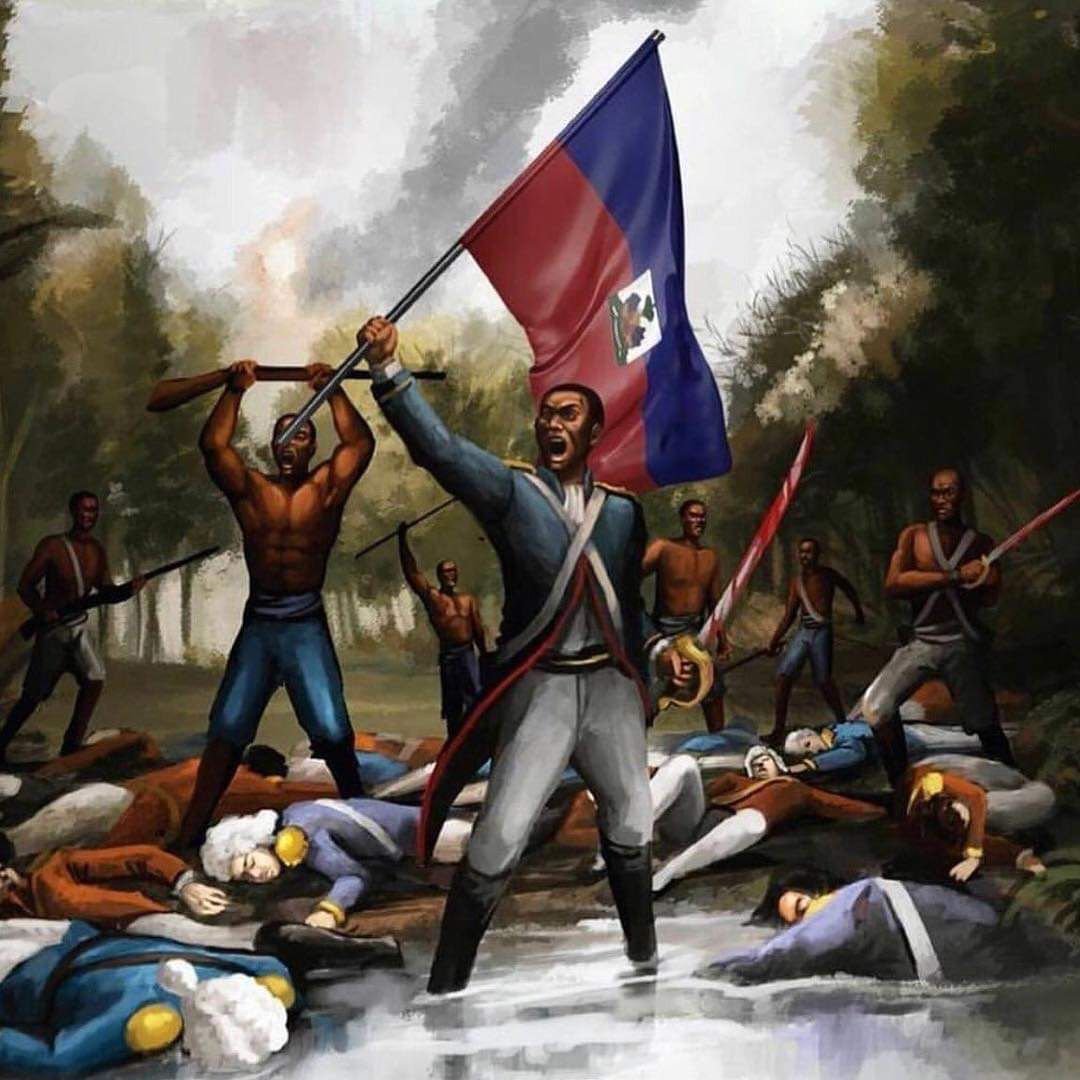
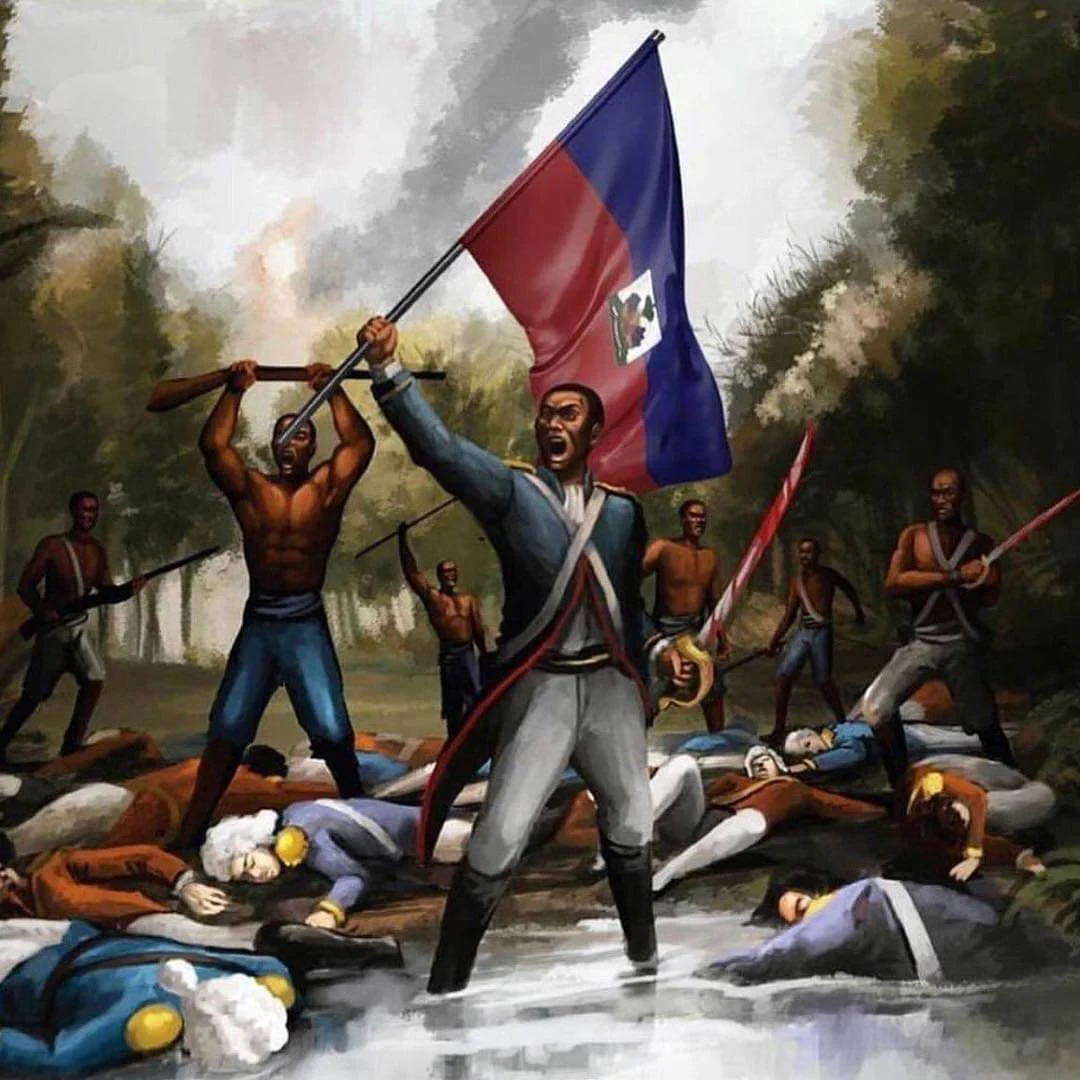
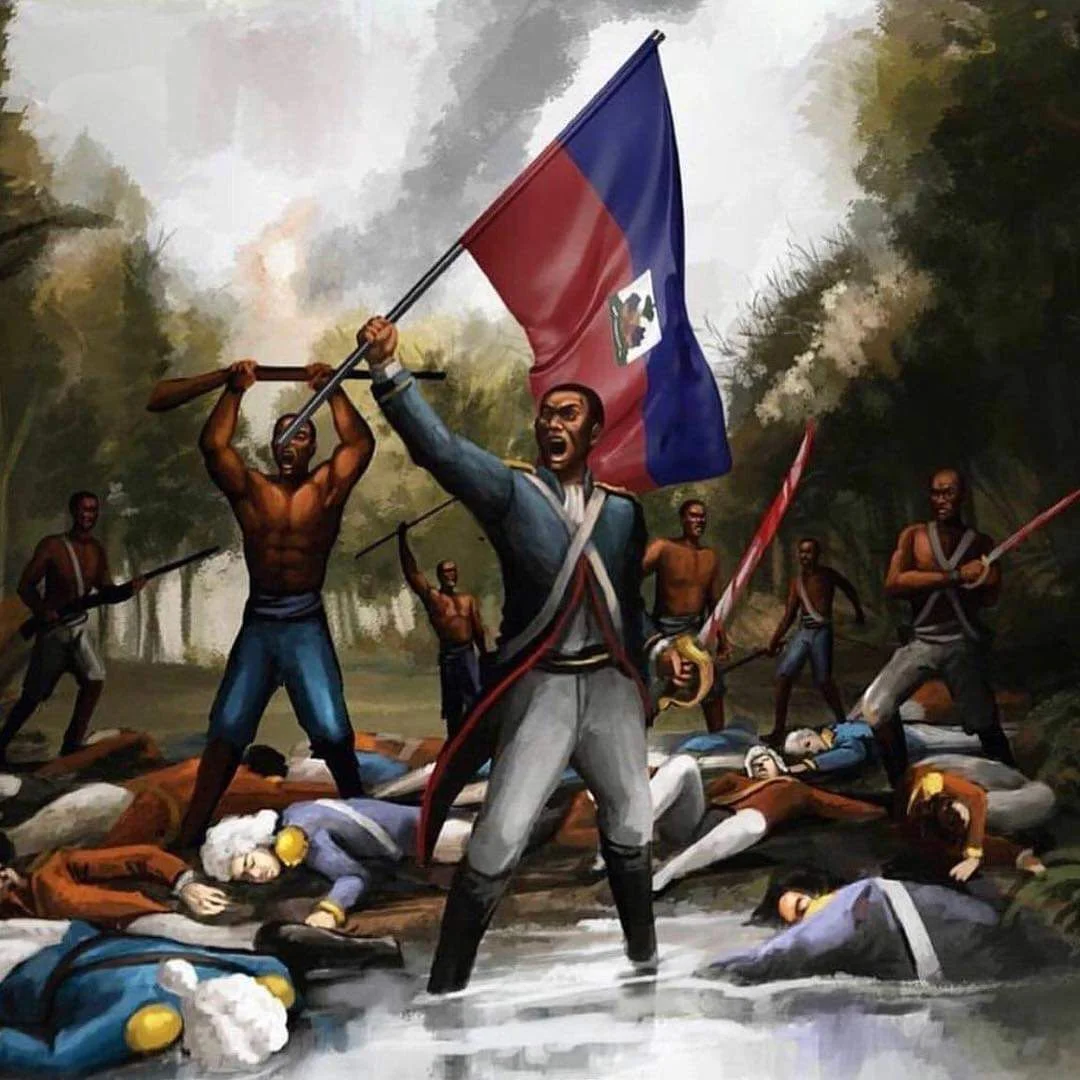
On January 1, 1804, a significant event in world history occurred: the proclamation of the independence of Haiti. On that day, Haïti became the first independent black country in the modern world, marking the end of more than a decade of bitter struggle against French colonial oppression and slavery.

Haïti
Haïti
Haïti

Historical context

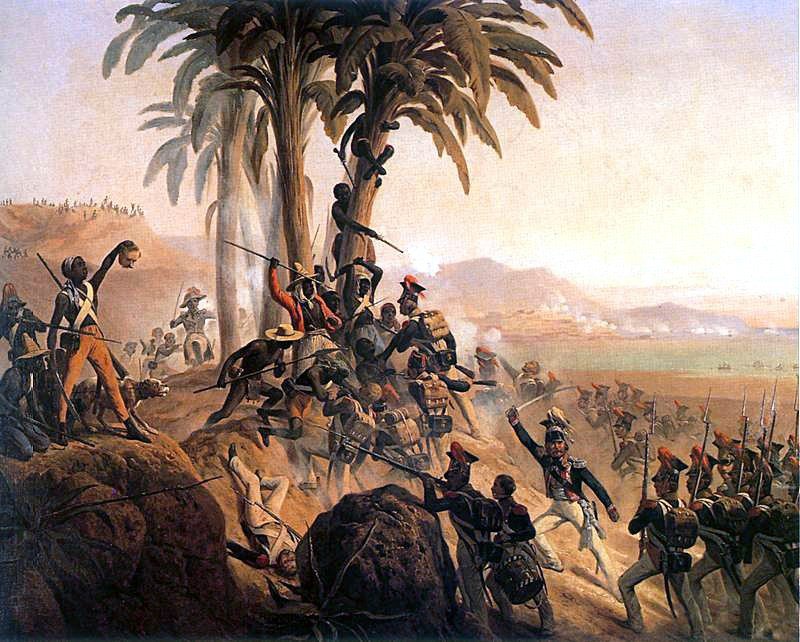
The Haitian Revolution began in 1791, when a slave uprising broke out in the French colony of Saint-Domingue. Led by iconic figures such as Toussaint Louverture, Jean-Jacques Dessalines and Henri Christophe, this rebellion was inspired by the ideals of freedom and equality of the French Revolution. However, unlike the revolution in France, the struggle in Haïti aimed not only to overthrow colonial authority, but also to abolish slavery and establish a free and egalitarian society.

Haïti
Haïti
Haïti

The proclamation of independence

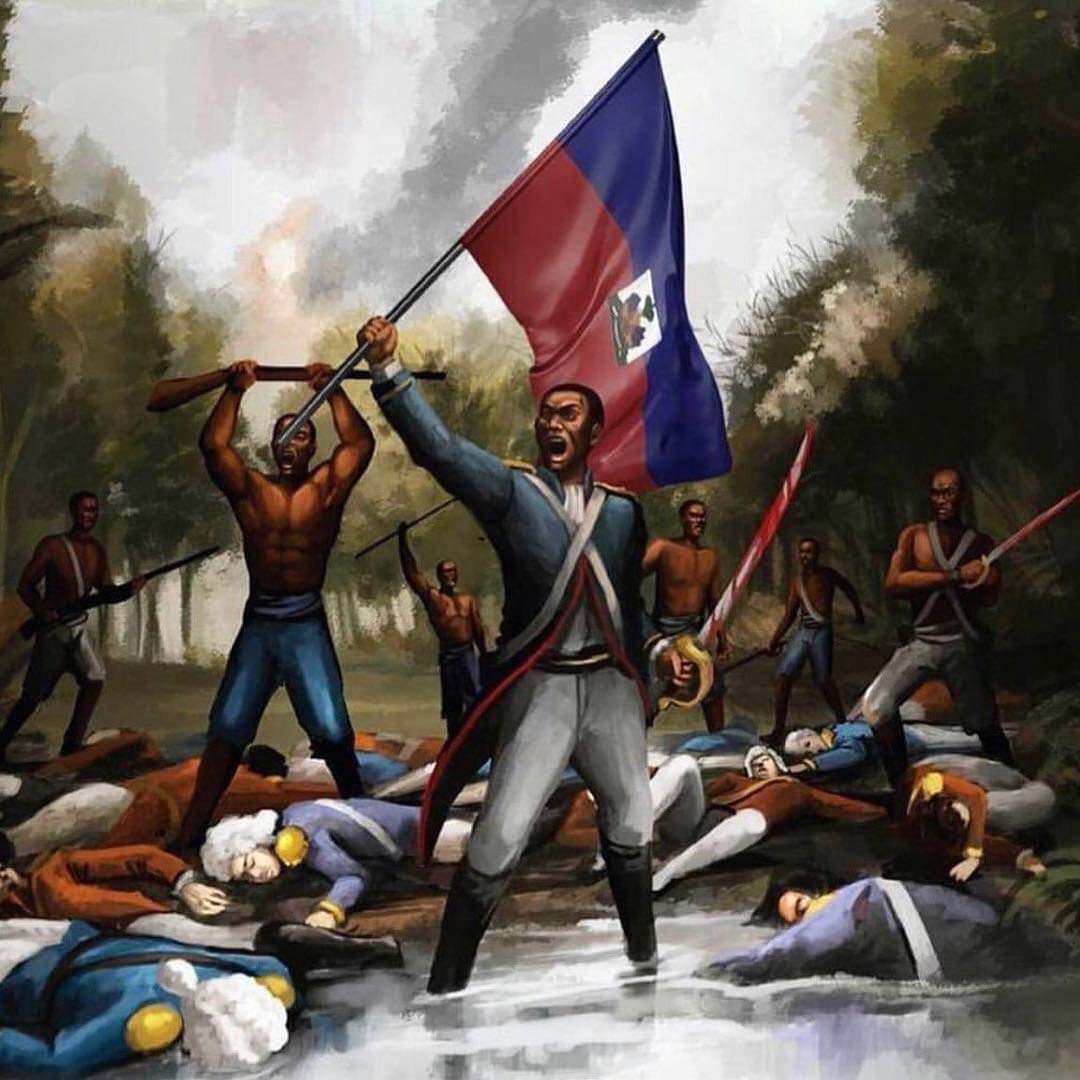
After years of violent fighting and political maneuvering, Jean-Jacques Dessalines, one of the main leaders of the revolution, proclaimed the independence of Haïti on January 1, 1804 in Gonaïves. This declaration was an unprecedented act of defiance against one of the most powerful colonial empires in the world at that time. Dessalines, who would later become Emperor James I of Haiti, proclaimed that the island would henceforth be free of foreign domination and that slavery would never be reestablished.

Discover the history of Haiti: A fascinating story to explore! : https://haitiwonderland.com/haiti/histoire/decouvrez-l-histoire-d-haiti--un-recit-fascinant-a-explorer/81

Haïti
Haïti
Haïti

The consequences and impact

The proclamation of Haitian independence had profound repercussions. By becoming the first country to permanently abolish slavery and gain independence through a slave revolt, Haïti served as an inspiration for abolitionist movements and freedom struggles across the world. However, this hard-won independence also plunged the country into a period of economic and diplomatic challenge. Colonial powers, notably France and the United States, imposed diplomatic isolation and economic sanctions that hampered Haiti’s development for many decades.

Haïti
Haïti
Haïti

Legacy and commemoration

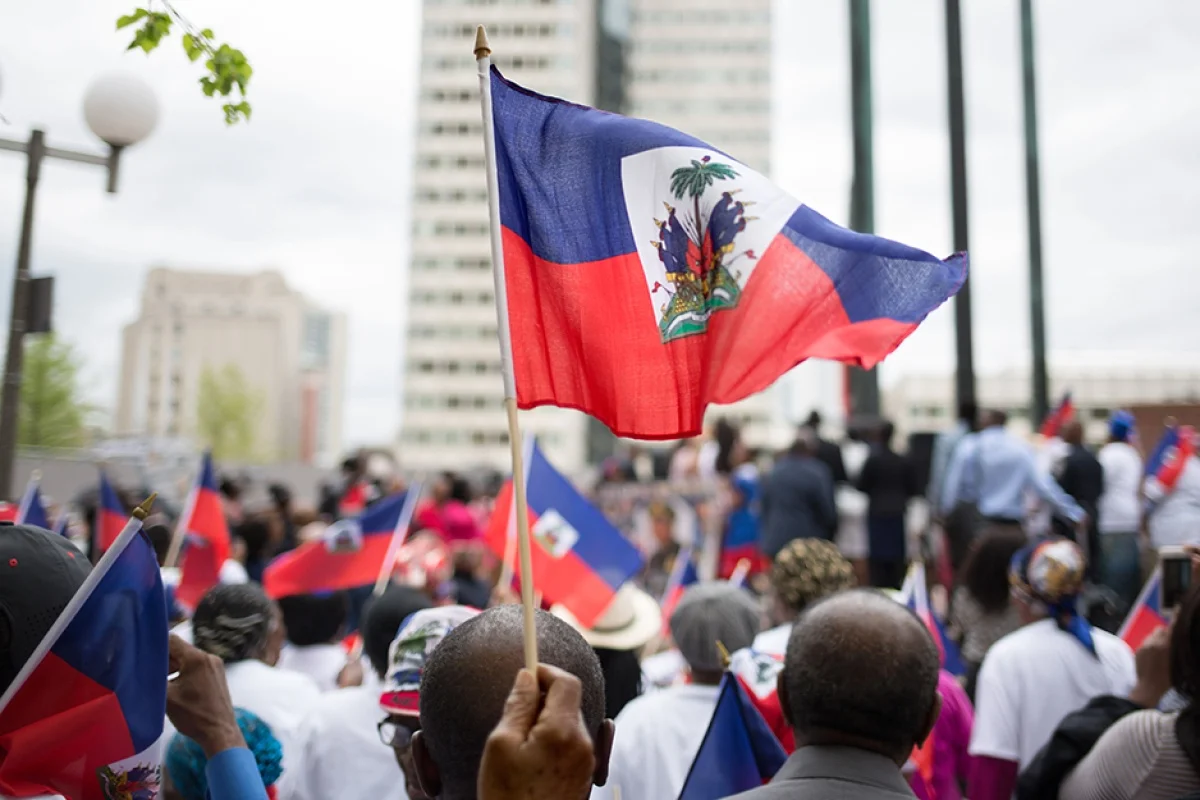
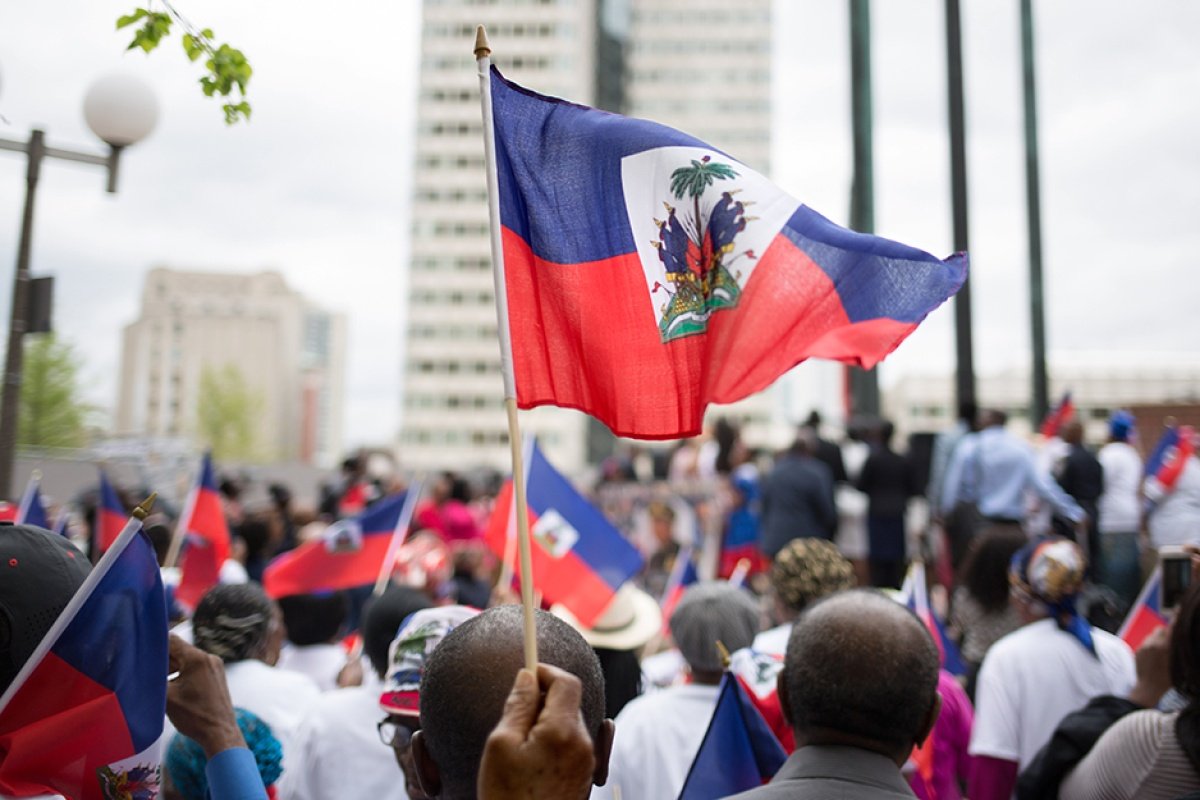
Today, January 1 is celebrated as Independence Day in Haiti, marking not only the start of the new year, but also a time to reflect on the struggle and sacrifices of Haitian ancestors for freedom. The Haitian Revolution remains a source of national pride and a powerful symbol of resistance against oppression and injustice.

The proclamation of Haiti’s independence on January 1, 1804 is an essential chapter in world history. She not only transformed Haitian society, but also left an indelible mark on global movements fighting for freedom and equality.

Share
About the Author
Appolon Guy Alain
Appolon Guy Alain
Appolon Guy Alain

Full Stack Developer, Créatif, expérimenté, passionné des nouvelles technologies et de l’art.

See other articles from Appolon Guy Alain
Makendy PIERRE

Félicitations mon frère

November 12, 2025 - 10:28:14 AM
Leave a comment

Recently Posted

Haitian rhythms: Exploring musical and dance traditions

Haiti, a land rich in history and cultural diversity, offers a unique musical treasure through its captivating rhythms. Haitian music, deeply rooted in the fusion of different African, European and Caribbean influences, constitutes a vibrant expression of national identity. One of the distinctive elements of Haitian music is its rhythmic diversity, reflecting the many facets of daily life, from religious celebrations to moments of joy and sorrow. Haitian rhythms, carrying contagious energy, are a reflection of the soul of the Haitian people. One of Haiti’s most iconic musical genres is direct compas, which emerged in the 1950s. This catchy rhythm, coupled with captivating melodies, has captured hearts globally. The direct compass embodies the fusion of different musical styles, including jazz, merengue, and elements of traditional Haitian music. Haitian musical traditions are not limited to contemporary sounds. Vodou, an ancestral spiritual practice, also has a major influence on Haitian music. Vodou rhythms, often associated with religious ceremonies, create a deep connection between spirituality and artistic expression. Furthermore, dance is inseparable from Haitian music. The graceful and energetic movements of traditional dances like rasin, combined with captivating rhythms, transport dancers and spectators to a world where bodily expression becomes a living art form. Exploring the musical and dance traditions of Haïti is like diving into a universe where history, culture and spirituality are harmoniously woven together. These rhythms, passed down from generation to generation, are much more than simple notes; they embody the soul of a people and the richness of its diversity. Celebrating these traditions pays homage to Haiti’s exceptional cultural heritage and its invaluable contribution to the global music scene.

Newsletter

Subscribe to our newsletter to stay informed of all our activities and news on Haiti.

Haiti: The History of the World’s First Free Black Nation

Haiti, the pearl of the Antilles, is a Caribbean island with a rich and complex history. However, its special status as the world’s first free black nation gives it a unique place in the annals of history. This small island was the scene of an extraordinary revolution which resulted in independence, thus marking the beginning of a new era for the black community and the abolition of slavery. Let’s delve into the captivating story of the birth of the first black republic, Haiti. b~The colonial era and slavery~b Haiti’s history dates back to the arrival of Europeans in the 15th century, when Christopher Columbus discovered the island. European settlers, mainly Spanish and French, introduced slavery to exploit the island’s resources, including sugar, coffee and cotton. The indigenous Native American population was decimated, paving the way for the massive importation of African slaves. b~The Haitian Revolution~b On August 14, 1791, Haitian slaves rose up against their oppressors, sparking the Haitian Revolution. Under the leadership of iconic figures such as Toussaint Louverture, Jean-Jacques Dessalines and Henri Christophe, the insurgent slaves inflicted defeats on European armies, demonstrating fierce resistance and a desperate quest for freedom. b~The Declaration of Independence and the creation of the Republic of Haiti~b On January 1, 1804, Haïti proclaimed its independence, becoming the world’s first free black nation. This historic declaration symbolized the end of slavery and the triumph of the will of a people determined to live free. The Republic of Haïti was born in struggle and blood, asserting its autonomy in the face of the colonial powers. b~Post-independence challenges~b However, independence did not mean the end of challenges for Haiti. The country had to face external pressure, reparations imposed by France in exchange for recognition of its independence, as well as internal unrest. Despite these obstacles, Haïti strove to build a free and sovereign nation. The story of Haïti is that of a nation that overcame countless challenges to emerge as a pioneer of freedom for the black population. The Haitian Revolution remains a unique example of resistance, courage and determination, and Haïti continues to carry the torch of independence in the contemporary world. The legacy of this small Caribbean island still resonates today, reminding the world that freedom is a universal right that can be won even in the most difficult circumstances.

Recently Posted

History

History

First black nation to free itself from slavery and gain independence from France in 1804 and influenced other liberation movements around the world, inspiring struggles for freedom and equality.

Natural beauty

Natural beauty

Haïti is blessed with spectacular natural landscapes, including white sand beaches, mountains and rich biodiversity.

Heritage

Heritage

Haïti has a rich historical heritage, including sites like the Citadelle Laferrière and the Sans-Souci Palace, listed as UNESCO World Heritage Sites.

Culture

Culture

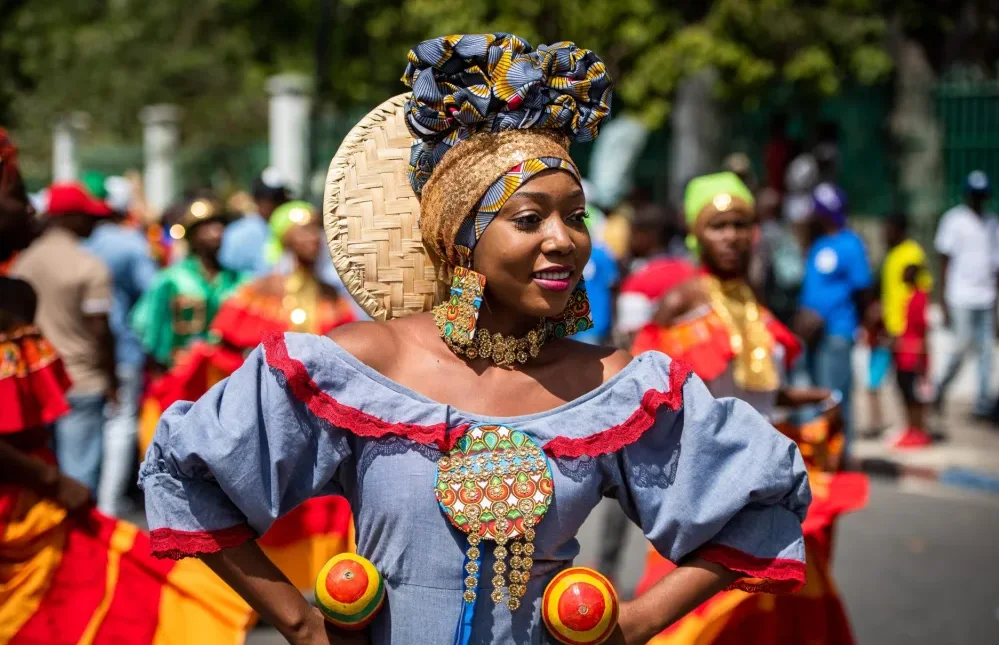
Haïti has a rich and diverse culture, influenced by African, European and indigenous elements. Haitian music, dance, art and cuisine are celebrated around the world.

  • +
    • Post