What does October 17th represent for Haiti?
Why is October 17th etched in the hearts of Haitians? The brutal assassination of Jean-Jacques Dessalines reveals the dark secrets of the young republic. The story you need to know.
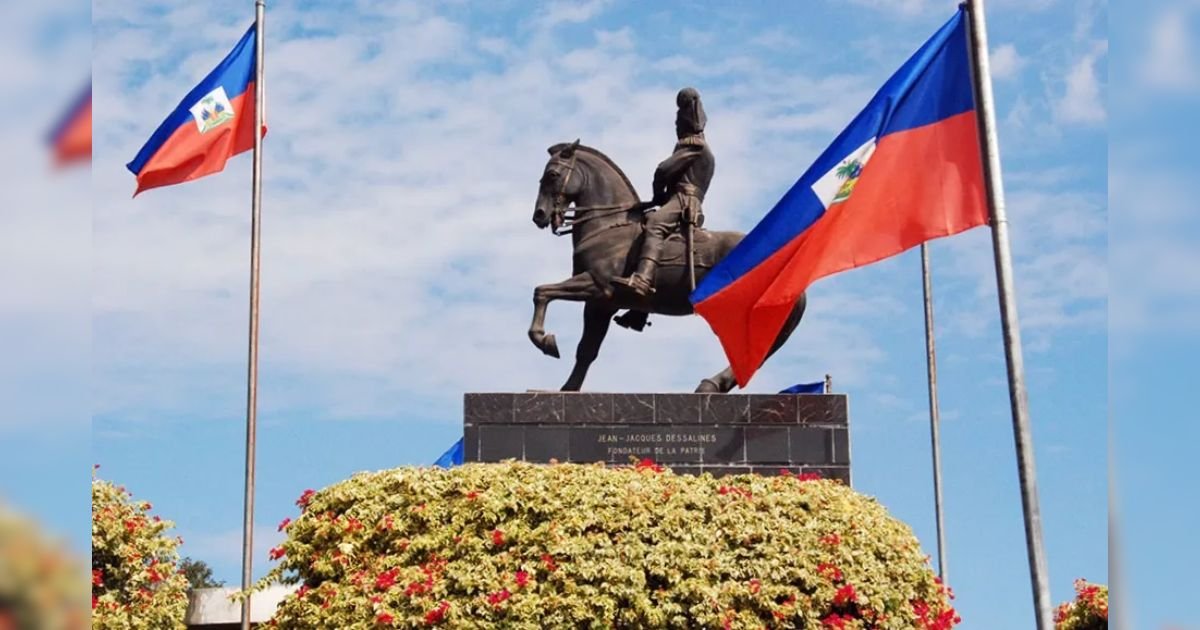
October 17th occupies a tragic but fundamental place in Haitian history. This date marks the assassination of Jean-Jacques Dessalines, the founding father of the Haitian nation and first emperor under the name of Jacques I.
Who Was Jean-Jacques Dessalines?
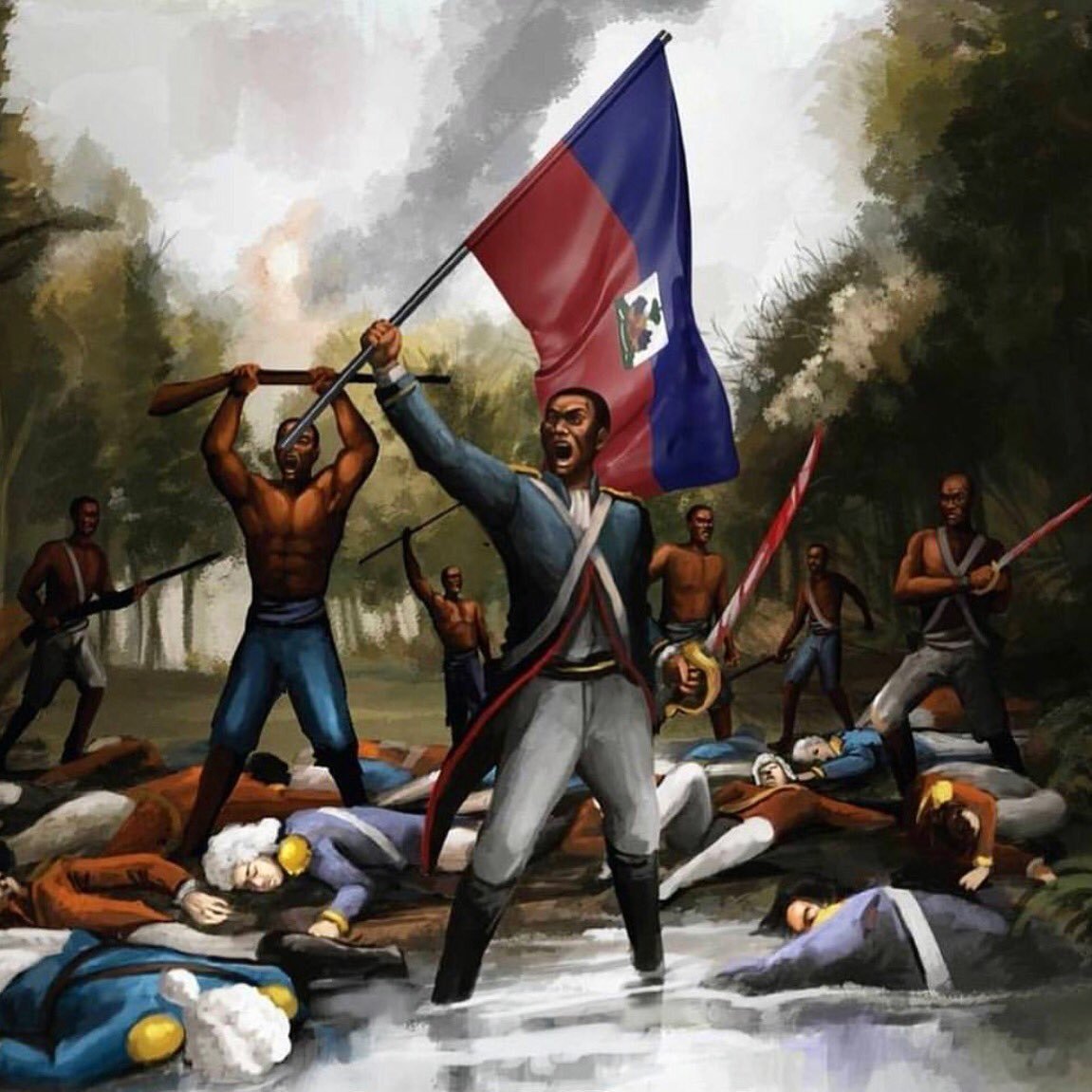
Jean-Jacques Dessalines remains one of the most iconic figures in Haitian history. Born a slave around 1758, he rose to become the military leader who consolidated Haiti’s independence in 1804, making the country the world’s first free Black republic and the first nation in the Americas to permanently abolish slavery.
Dessalines was renowned for:
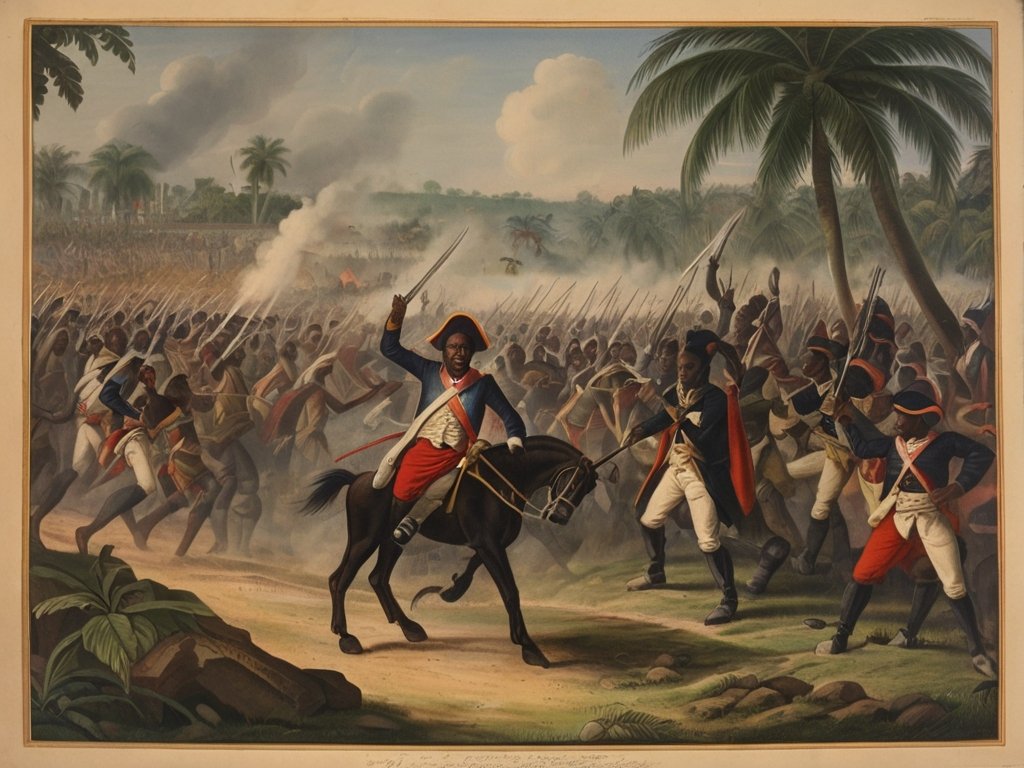
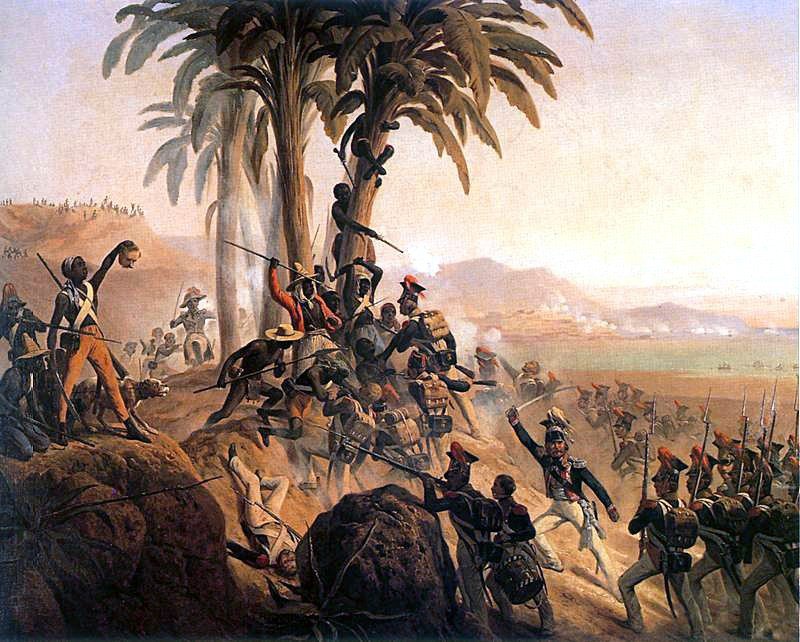
- His exceptional military bravery in the fight against French colonial forces
- His decisive role in the Battle of Vertières in November 1803
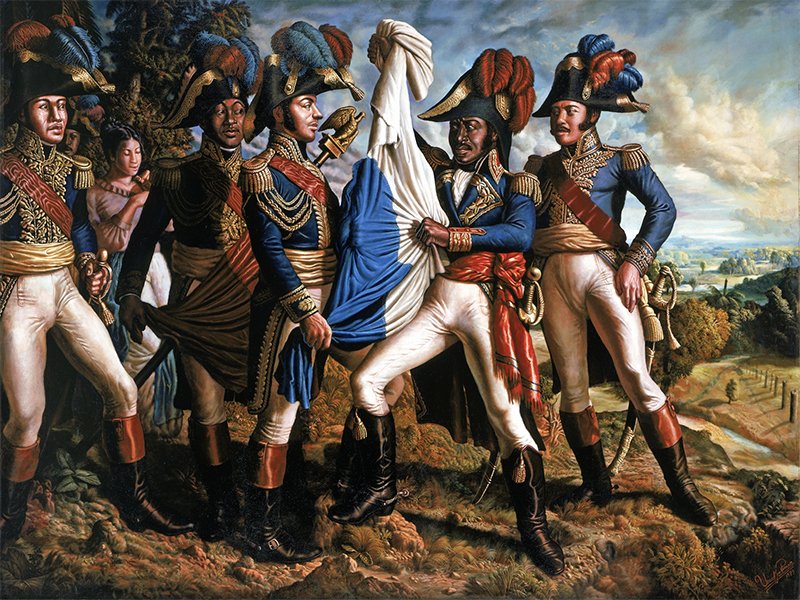
- His historic proclamation of Haitian independence on January 1, 1804
- His vision of a sovereign and independent Black nation
The Circumstances of the Assassination
On October 17, 1806, Dessalines was ambushed at Pont-Rouge, near Port-au-Prince, while en route to suppress a revolt in the south. His assassination was the result of a plot orchestrated by other Haitian generals, notably Alexandre Pétion and Henri Christophe, who opposed his authoritarian style of governance and radical agrarian policies.
This internal betrayal revealed the deep tensions that already existed in the young nation, barely two years after its independence. Dessalines’ body was mutilated and abandoned in a public square, a brutal symbol of the end of an era.
Dessalines’ Legacy for Modern Haiti
Despite the controversies surrounding his authoritarian reign, Dessalines remains a powerful symbol for the Haitian people:
A national hero: He is considered the true architect of Haitian independence, the one who had the courage to definitively break with colonial France.
The national anthem: "La Dessalinienne," Haiti’s national anthem, adopted in 1904, bears his name and honors his memory.
A symbol of resistance: Dessalines embodies resistance against oppression and the struggle for the dignity of Black people, a message that still resonates today.
A complex figure: Historians continue to debate his legacy, between his brutal methods and his vision of a sovereign and independent Haiti.
How Haïti Commemorates October 17
Every year, October 17th is an opportunity for Haitians to reflect on their national history. Official ceremonies are held at Pont-Rouge, the site of the assassination, where wreaths are laid. Historical debates, lectures, and educational programs remind new generations of Dessalines’ sacrifice.
This commemoration also invites a broader reflection on the internal divisions that have marked Haïti since its early days of independence, a theme that unfortunately remains relevant today.
Why October 17th Remains Important Today
More than two centuries after his death, Dessalines remains a central figure of Haitian identity. October 17 reminds Haitians of:
- The price of independence and freedom
- The dangers of national division
- The importance of unity in building a strong country
- The need to preserve Haitian sovereignty
In a context where Haïti continues to face numerous political, economic, and social challenges, the memory of Dessalines serves as a reminder that the nation has already overcome extraordinary hardships and possesses within itself the resources to rebuild.
A Date Etched in Collective Memory
October 17, 1806, marks a tragic turning point in Haiti’s history, the abrupt end of its founder’s dream. But this date also symbolizes the resilience of a people who, despite hardship, continue to rise up and fight for their future. By remembering Dessalines, Haitians honor not only a man, but the very idea of freedom and dignity for which he fought throughout his life.