contact@haitiwonderland.com+509 36184317

Discover

Shopping Cart

What does the name Haïti mean? History and context

What does the name Haïti mean? History and context

The name “Haiti” is deeply rooted in the history, culture and identity of the nation. Carrying within it the legacy of the first inhabitants and the weight of the struggles for freedom, this word symbolizes much more than a simple territory. Let’s discover together the history and context surrounding this unique appellation.

Origin and etymology of the word Haiti

The word “Haiti” comes from the language of the Taino, the indigenous people who inhabited the island before the arrival of Europeans.

- Meaning in Taino: In the Taino language, “Ayiti” means “land of high mountains” or “mountainous country”.
- Geographic description: This term reflects the spectacular relief of the island, characterized by imposing mountains that dominate the landscape.

By choosing this name, the Tainos were highlighting the natural beauty of their land, where nature played a central role in their way of life.

A symbolic choice after independence

After the Haitian revolution and the proclamation of independence in 1804, the leaders of the new country decided to rename the former French colony of Saint-Domingue to “Haiti”.

- Back to the origins: This choice aimed to honor the Tainos, the first inhabitants of the island, and to break with the colonial past.
- An act of resistance: By adopting this name, Haïti affirmed its unique identity and its desire to free itself from European colonial influences.

Thus, “Haiti” has become a symbol of national pride and resilience in the face of historical oppression.

Haïti and its mountainous landscape

The name “Haiti” also finds its meaning in the country’s exceptional geography.

- A land of mountains: Haïti is made up of more than 60% mountains, including the famous Massifs de la Hotte, du Nord and de la Selle. These mountains are not only natural wonders, but also historical refuges during the Haitian Revolution.
- A natural paradise: This relief contributes to Haiti’s unique biodiversity, offering varied landscapes ranging from lush tropical forests to rugged peaks.

By celebrating the country’s mountainous character, the name “Haiti” reflects a true natural wealth.

A name carrying heritage and pride

“Haiti” is much more than a word: it is a constant reminder of the country’s glorious history and the struggle for independence.

- First independent black republic: In 1804, Haïti marked world history by becoming the first independent black republic, an example of resistance and courage.
- A name that carries memory: It also evokes the cultural richness and diversity of its inhabitants, descendants of the Tainos, Africans and European settlers.

This word has become an emblem of freedom, resilience and identity for Haitians and beyond.

Why is “Haiti” unique?

The choice of the name “Haiti” reflects universal values:

- Respect for origins: By honoring the first inhabitants, it highlights the importance of preserving cultural roots.
- Resilience: It testifies to the ability of the Haitian people to overcome adversity and build a strong and independent nation.
- Natural beauty: It highlights the country’s geographical and ecological assets, making Haïti a destination to discover and respect.

For Haitians, this word is a source of pride. It tells their past, present and future with power and authenticity.

A Meaning That Resonates Around the World

“Haiti” is more than just a geographic name. It is a testament to courage, a symbol of hope, and a reminder of the natural and cultural beauty of a unique country.

Learning the meaning and history behind the word will help you understand why Haïti is such a special place and why its people carry their heritage with pride.

What does the name “Haiti” inspire in you? Share your thoughts and learn more about this fascinating nation!

Share
About the Author
Appolon Guy Alain
Appolon Guy Alain
Appolon Guy Alain

Full Stack Developer, Créatif, expérimenté, passionné des nouvelles technologies et de l’art.

See other articles from Appolon Guy Alain
Leave a comment

Recently Posted

Newsletter

Subscribe to our newsletter to stay informed of all our activities and news on Haiti.

Timoun se Moun: A poetry competition to promote children’s rights in Haiti

A wounded country. Bent under the weight of a multidimensional crisis. Widespread violence. Hope slammed shut. A sacrificed generation. Children are increasingly threatened. They are increasingly confronted with all forms of vulnerability that hinder their overall development. ACTIF is launching the second edition of the "Timoun se Moun" poetry competition. A citizen initiative in which the organization uses writing as a springboard to build what life deprives Haitian children of. Pain can be turned into gold. For ACTIF (Community Action for Transformation and Formal Integration), poetry is a philosopher’s stone. Not only for this organization, but also for all those who believe that writing can help rekindle the stars. Faced with this urgent need for action, this is "an initiative to raise awareness, denounce, and affirm loud and clear that every child matters, every child deserves protection, hope, and a future," reads the competition’s descriptive document. So what do you intend to do with your human light? Through this competition, participants have the opportunity to engage in an act of resistance, like a cry of conscience to raise the voice of broken childhoods. Open from May 18 to June 18, "Timoun se Moun" is open to all Haitians living in the country and aged 18 and over. Texts must be submitted in Creole. Behind this initiative, ACTIF intends, on the one hand, to affirm our cultural and linguistic identity, and on the other, to enrich our Creole literature, promote it, and encourage creativity in our vernacular. The text must not exceed 500 words. The format chosen is PDF, Times New Roman font, size 12, and 1.5 line spacing. This competition aims to offer a touch of affection to these children who are the first victims of the country’s descent into hell. To evaluate the literary quality and essence of the submitted texts, a jury is composed of Ruthza Paul, Douglas Zamor, and Darly Renois. The former is a physician and winner of the first edition of this competition. The other two work in the fields of sociology, psychology, and literature. In addition to the "Jury Prize: 15,000 HTG + books + certificate" and "Audience Prize: 5,000 HTG + certificate + books" prizes, the best texts will be included in an anthology to be published by Éditions Répérages. It should be noted that there will be one winner for each prize. This initiative reflects ACTIF’s commitment to honoring authors who embrace the cause of underprivileged children while enriching Haiti’s literary heritage. This competition extends a helping hand to all those who believe that through poetry, one can transform one’s life into a masterpiece. At the same time, it offers the opportunity to contribute to ACTIF’s child protection program. Each participant may submit a single text. It must be sent by email to the following address: actifkonkoupwezi@gmail.com. The partial results will be published on June 30, 2025, and the final results on July 18, 2025. For more information, visit ACTIF at the following address: 18 Rue Desdunes, Imp. Thoby, Mahotière 79, Carrefour, Haiti, or contact the organization at the following number: (+509) 38 44 57 57. More than just a contest, ACTIF invites you to say No. No to forgetting. No to passivity. No to violence against children and the violation of their rights.

Recently Posted

History

History

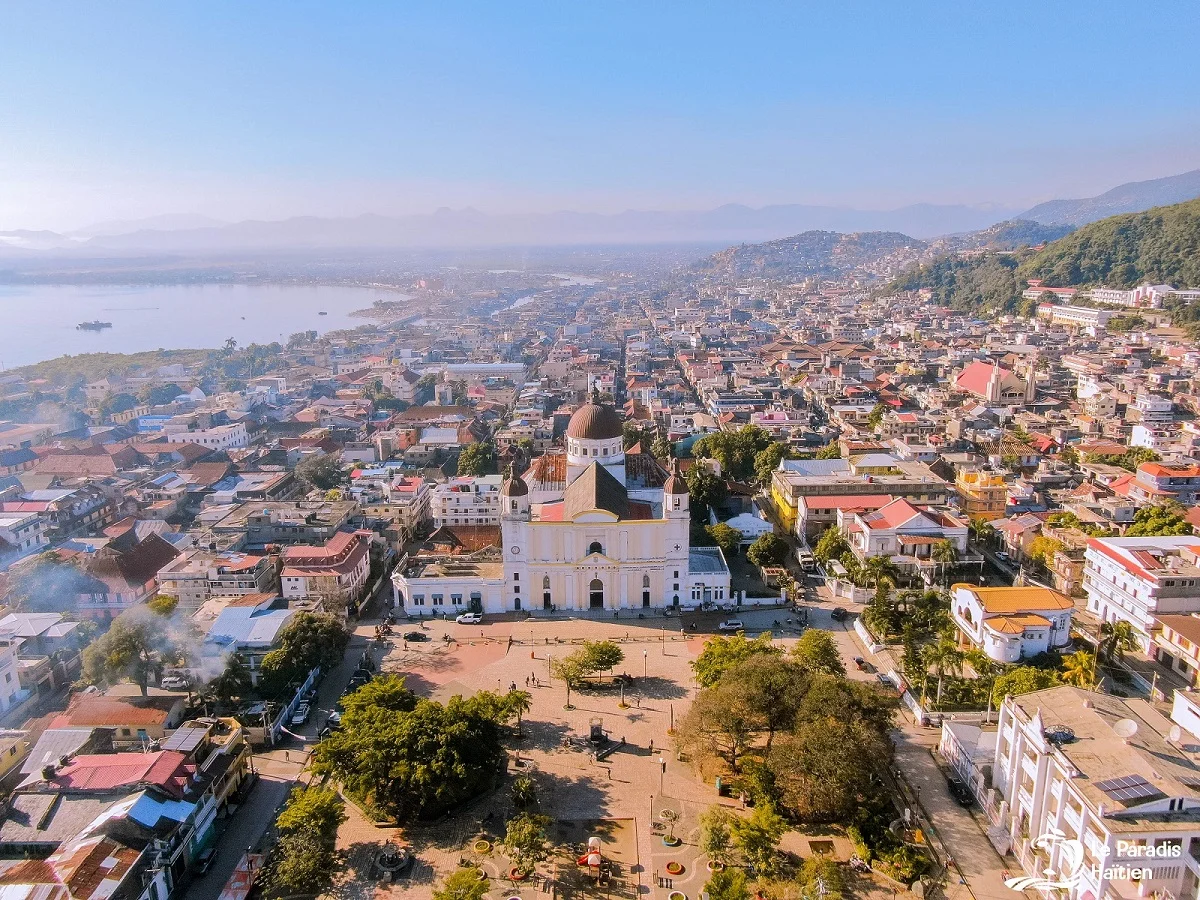
First black nation to free itself from slavery and gain independence from France in 1804 and influenced other liberation movements around the world, inspiring struggles for freedom and equality.

Natural beauty

Natural beauty

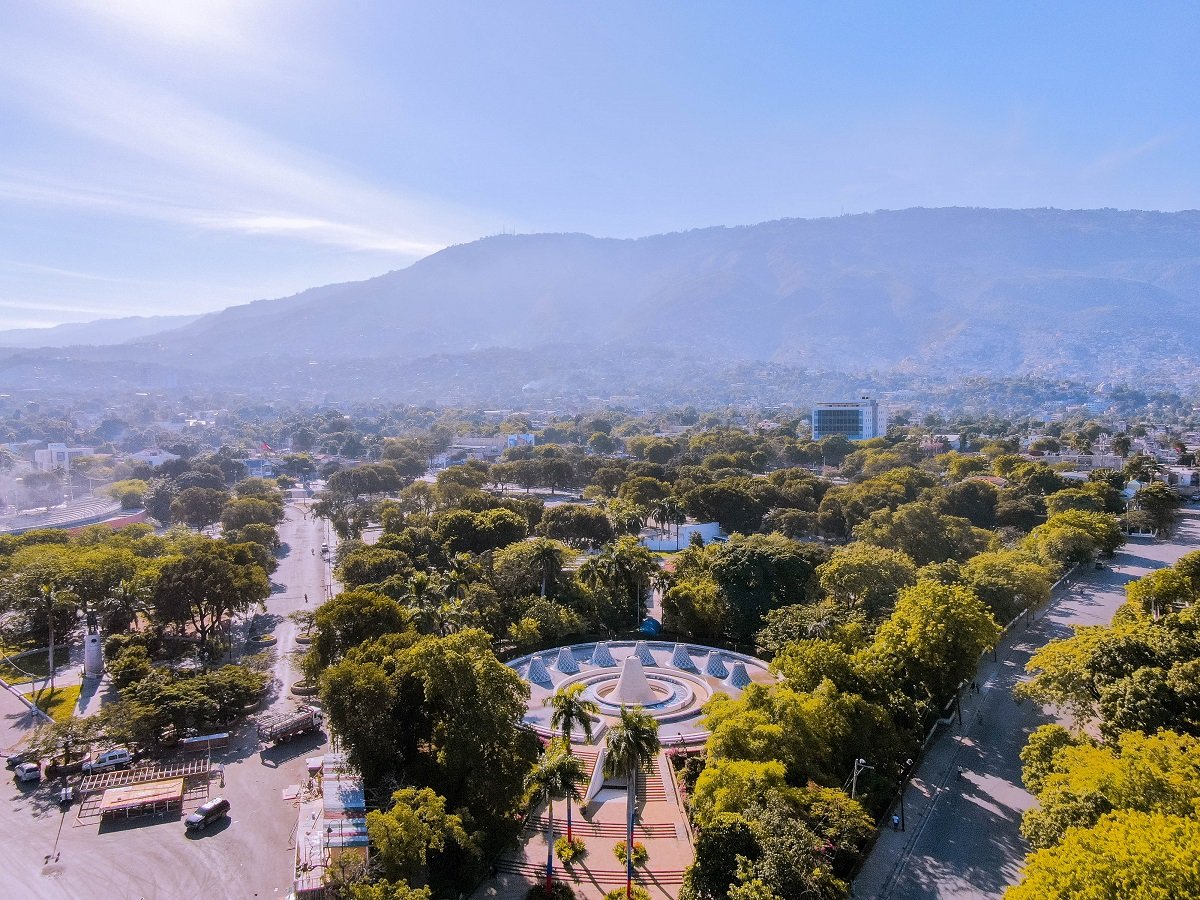
Haïti is blessed with spectacular natural landscapes, including white sand beaches, mountains and rich biodiversity.

Heritage

Heritage

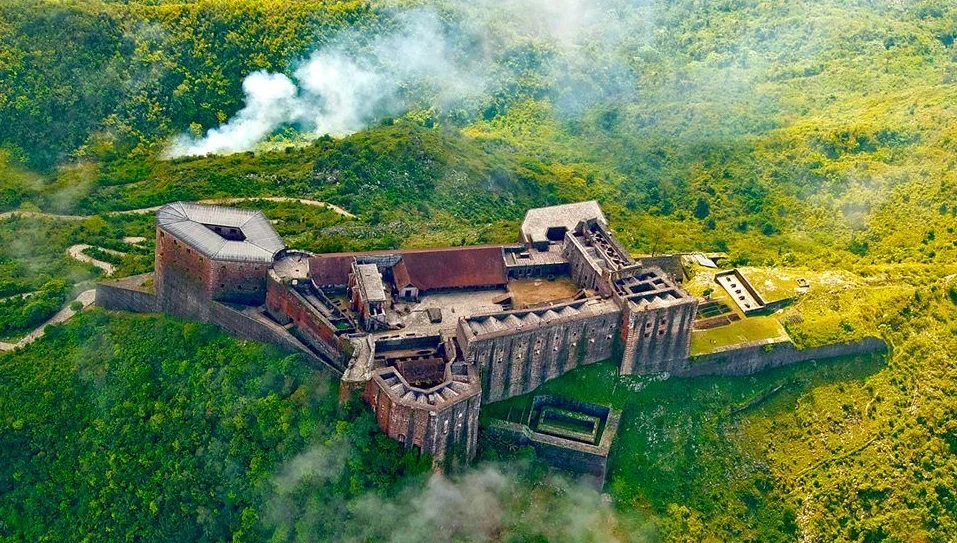
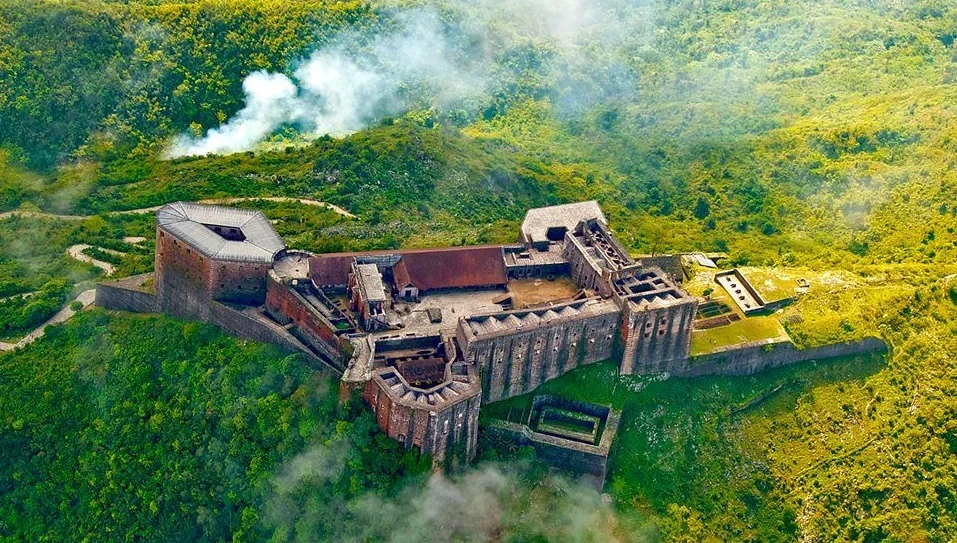
Haïti has a rich historical heritage, including sites like the Citadelle Laferrière and the Sans-Souci Palace, listed as UNESCO World Heritage Sites.

Culture

Culture

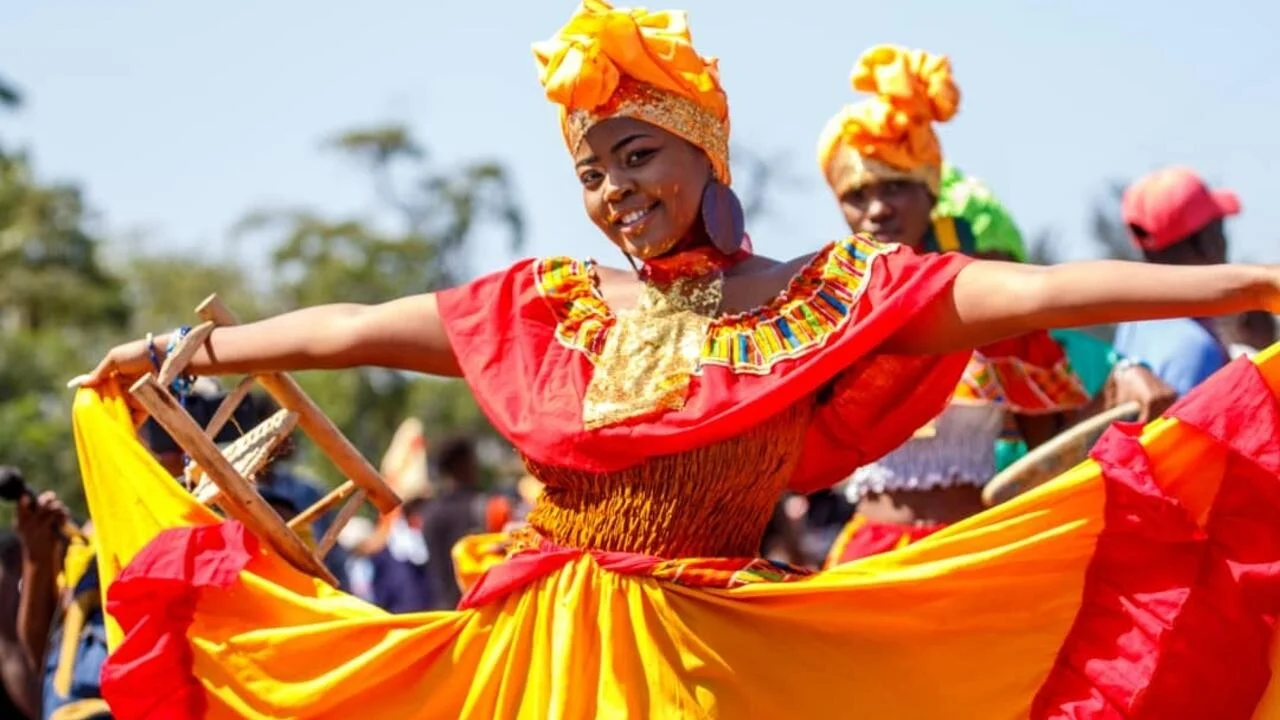
Haïti has a rich and diverse culture, influenced by African, European and indigenous elements. Haitian music, dance, art and cuisine are celebrated around the world.


  • +
    • Post