contact@haitiwonderland.com+509 36184317

Discover

Shopping Cart

How many people live in Haiti?

How many people live in Haiti?

Haiti, with its spectacular landscapes and rich culture, is home to a vibrant and diverse population. Haiti’s demographics are a key aspect in understanding the economic, social, and cultural development of this unique country. Discover the current numbers and trends shaping Haiti’s population.

A Snapshot of Haiti’s Population

According to the most recent estimates, Haïti has a population of approximately 12 million (2024). This figure makes it one of the most populous countries in the Caribbean region.

- Population Density: With an area of ​​27,750 km², Haïti has a density of approximately 430 inhabitants per km², which is relatively high for the region.
- Urban and rural distribution: Approximately 60% of the population lives in rural areas, although cities such as Port-au-Prince, Cap-Haïtien and Jacmel are attracting more and more people.

These figures reflect a constantly growing population despite economic and environmental challenges.

A young and dynamic population

Haïti is characterized by a young population, with a median age of only 23 years.

- Birth rate: Approximately 2.8 births per woman, although this figure has decreased in recent decades.
- Life expectancy: It is estimated at 64 years for men and 68 years for women, improving thanks to progress in public health.

This youth represents an opportunity for development, but also a challenge in terms of education, employment and social services.

Haiti’s major cities: booming centers

Haiti’s major cities concentrate a large part of the population:

- Port-au-Prince: The capital, with more than 3.5 million inhabitants in its metropolitan area, is the economic and cultural heart of the country.
- Cap-Haïtien: With approximately 300,000 inhabitants, this northern city is a historical and tourist hub.
- Les Cayes: With nearly 125,000 inhabitants, it is an important center in the south of the country.

These agglomerations, although dynamic, must meet challenges in terms of urbanization, housing and infrastructure.

Key figures on Haitian demographics

- Annual population growth: Approximately 1.5%.
- Literacy rate: Approximately 61%, although it varies between urban and rural areas.
- Diaspora: More than 2 million Haitians live abroad, mainly in the United States, Canada, and the Dominican Republic.

The diaspora plays a vital role, particularly through remittances, which represent a significant portion of the national economy.

Demographic challenges and opportunities

With a constantly growing population, Haïti faces several challenges:

- Education: Ensuring access to quality education for a young and expanding population.
- Employment: Creating opportunities for a rapidly growing workforce.
- Urbanization: Managing the expansion of cities while preserving the environment and natural resources.

Despite these challenges, the Haitian population is recognized for its resilience, creativity, and ability to adapt.

A promising future

Haiti’s population is a major asset for the country’s development. Its youth, diversity, and diaspora contribute to the nation’s cultural and economic wealth.

Do you have any questions or comments about Haiti’s demographics? Share your thoughts in the comments and discover why each resident is a cornerstone of this unique nation.

Share
About the Author
Appolon Guy Alain
Appolon Guy Alain
Appolon Guy Alain

Full Stack Developer, Créatif, expérimenté, passionné des nouvelles technologies et de l’art.

See other articles from Appolon Guy Alain
Leave a comment

Recently Posted

Haïti, a rich and impoverished country

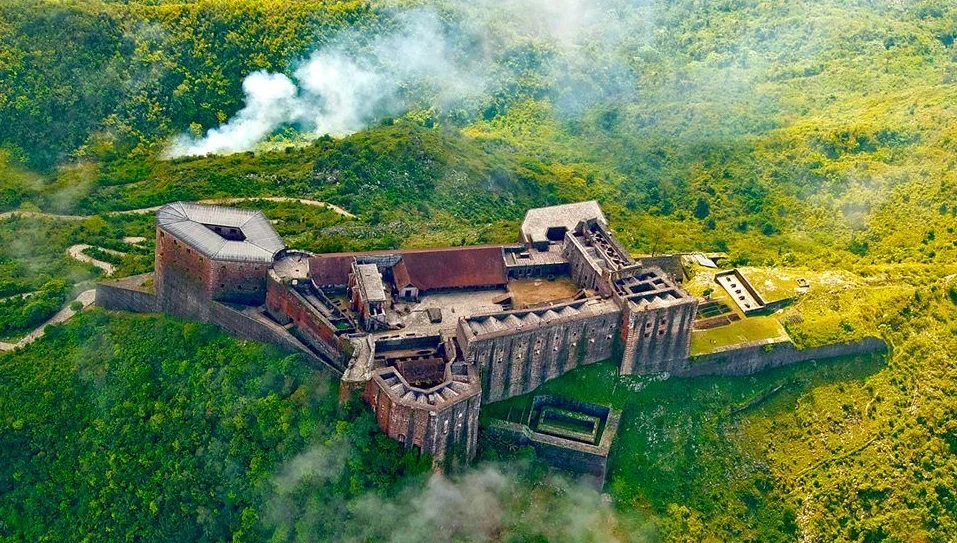
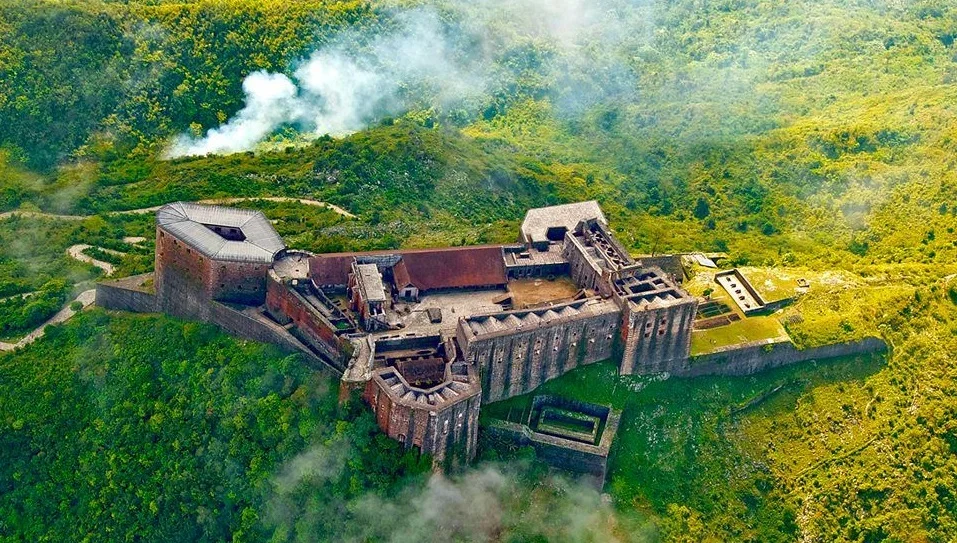
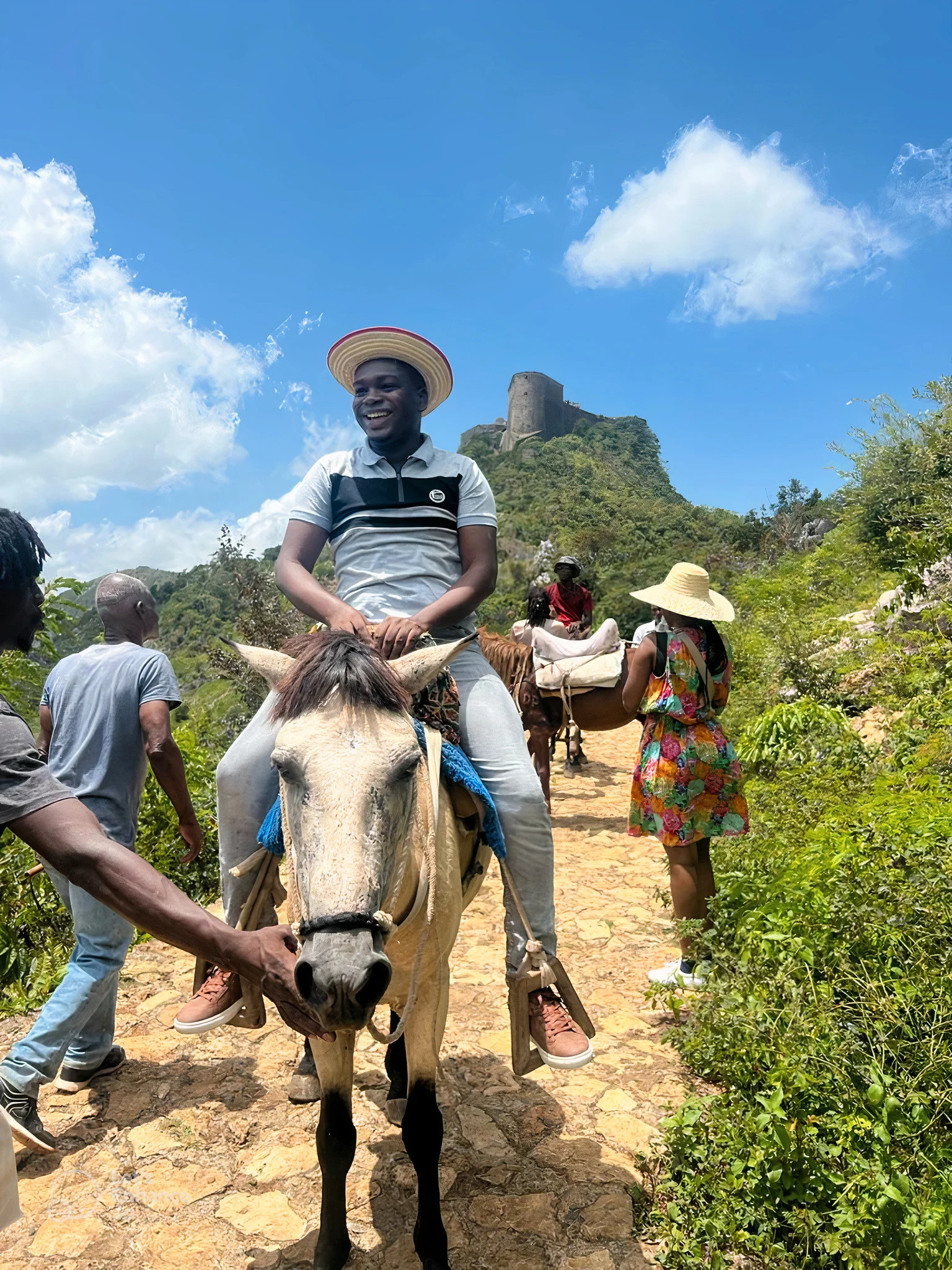
Located in the western part of the island of Hispaniola, Haïti is a land imbued with natural, cultural and historical wealth. Unfortunately, behind the beauty of its landscapes, the richness of its culture and the delicacy of its cuisine lies a complex reality marked by the debt of its independence and the persistent interference of third countries, casting a shadow over its stability. b~The Natural Beauty of Haïti~b Haïti, nicknamed the "Pearl of the Antilles", dazzles with the diversity of its landscapes. From majestic mountains and lush valleys to meandering rivers and sandy beaches, the country offers natural beauty worth celebrating. The famous Citadelle Laferrière mountains and the refreshing waterfalls of Bassin-Bleu are just a few examples of the splendor that characterizes this nation. b~A Rich and Diverse Culture~b Haïti stands out for its vibrant and diverse culture. A heritage of African, French and indigenous influence, Haïtian music, dance and art reflect a unique fusion. Colorful festivals, like Carnival, are celebrations of this cultural richness, attracting visitors from all over the world. b~Delicious Cuisine~b Haïtian cuisine, tasty and spicy, is another aspect worth celebrating. Dishes like griot, sticky rice, and the legendary joumou soup, traditionally prepared to commemorate independence, are all culinary delights that demonstrate the country’s gastronomic ingenuity. b~Heritage Treasures and Paradise Beaches~b Haïti’s heritage treasures, such as the remains of the Sans-Souci Palace and the Citadelle Laferrière, listed as UNESCO World Heritage Sites, are testimonies to the architectural grandeur of Haïti’s past. At the same time, beaches like Labadee and Jacmel offer havens of peace with crystal clear waters, attracting travelers in search of a tropical paradise. b~A Fascinating Story~b The history of Haïti is both fascinating and tragic. It was the first country in the Americas to gain its independence, in 1804, after a courageous slave revolt. However, this independence came with a heavy financial price. France demanded exorbitant compensation, thus laying the foundations for Haïti’s foreign debt. b~The Debt of Independence and Foreign Interference~b Despite these treasures, Haïti struggles with the reality of its independence debt. After gaining its freedom, the country was forced to pay France a considerable sum in compensation for losses associated with the abolition of slavery. This debt has been a major economic burden for Haïti, hindering its development. Additionally, foreign interference continues to create significant challenges. External political and economic interventions have often contributed to the country’s instability, hindering its ability to build a sustainable future for its citizens. b~In conclusion~b Haïti remains a country of multiple riches, but its challenges persist. Despite its natural beauty, rich culture and fascinating history, the nation needs enlightened international support and lasting solutions to overcome the obstacles that stand in its way. Haïti’s wealth lies not only in its enchanting landscapes, but also in the potential of its people to be resilient and prosper despite persistent challenges.


Newsletter

Subscribe to our newsletter to stay informed of all our activities and news on Haiti.

Recently Posted

History

History

First black nation to free itself from slavery and gain independence from France in 1804 and influenced other liberation movements around the world, inspiring struggles for freedom and equality.

Natural beauty

Natural beauty

Haïti is blessed with spectacular natural landscapes, including white sand beaches, mountains and rich biodiversity.

Heritage

Heritage

Haïti has a rich historical heritage, including sites like the Citadelle Laferrière and the Sans-Souci Palace, listed as UNESCO World Heritage Sites.

Culture

Culture

Haïti has a rich and diverse culture, influenced by African, European and indigenous elements. Haitian music, dance, art and cuisine are celebrated around the world.

  • +
    • Post