contact@haitiwonderland.com+509 36184317

Discover

Shopping Cart

7 Things to Know About Haiti

7 Things to Know About Haiti

Haïti is much more than a Caribbean island. It is a country rich in history, culture, gastronomy, and nature. Behind the challenges it has faced, Haïti shines with its unique heritage and major historical role. Here are seven fascinating facts that show why Haïti is a land of pride.

Haïti
Haïti
Haïti

1- First Free Black Nation in the World

Haïti entered world history on January 1, 1804, by becoming the first independent black republic and the second nation in the Americas to free itself from European colonization, after the United States. This feat was the result of the Haitian Revolution, a struggle led by African slaves under the leadership of leaders such as Toussaint Louverture, Jean-Jacques Dessalines, and Henri Christophe.

The Battle of Vertières, on November 18, 1803, was instrumental in this historic victory. This triumph upended the global colonial order and inspired other freedom struggles. Approximately 500,000 slaves were emancipated, making Haïti a global symbol of hope and social justice.

Today, this victory is celebrated every January 1st, not only as a national holiday, but also as a reminder of the resilience and determination of the Haitian people.

Haïti
Haïti
Haïti

2- A Nation Engaged in Other Independence Struggles

After gaining its independence, Haïti played a vital role in other freedom struggles. In 1815, Haitian President Alexandre Pétion supported Simon Bolivar in his quest to free several Latin American nations from Spanish colonial rule.

Haïti provided Bolivar with weapons, soldiers, and supplies. In return, Pétion asked him to abolish slavery in the countries he liberated, a condition that reflects Haiti’s humanist values. This gesture of solidarity is a testament to Haiti’s contribution to the global history of justice and human rights.

This international role also allowed Haïti to become a refuge for African-American and Caribbean communities seeking to escape oppression in the 19th century.

Haïti
Haïti
Haïti

3- A Cuisine Ranked Among the Best in the World

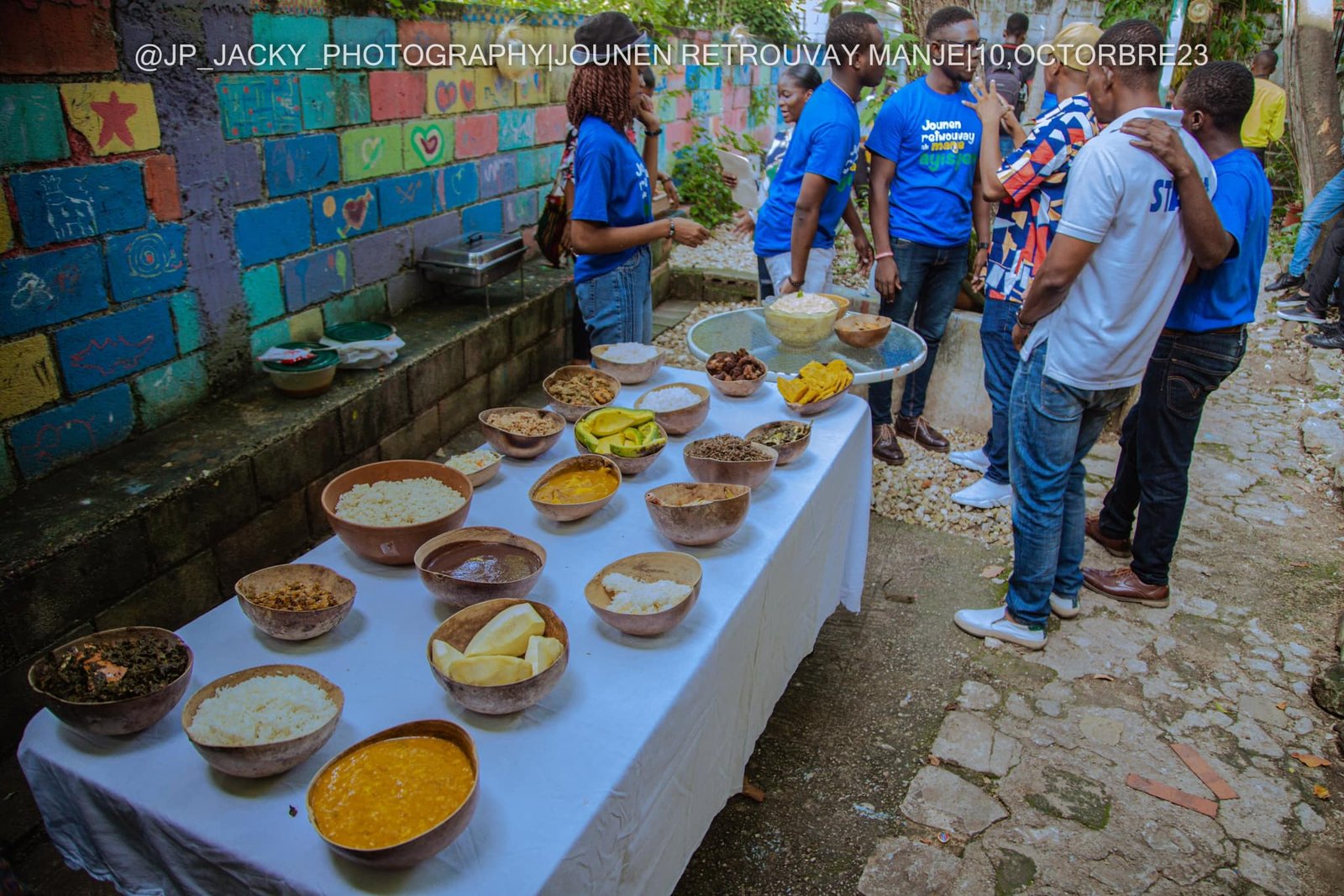
Haitian cuisine is a blend of African, French, Caribbean and Taíno traditions, offering a unique gastronomic experience. Iconic dishes such as djon djon rice (prepared with local black mushrooms), griot (marinated and fried pork) and soup joumou (squash soup) are not only delicious, but also deeply rooted in the country’s history and culture.

Soup joumou, which symbolizes freedom and independence, was inscribed as a UNESCO intangible cultural heritage in 2021. Every year, on January 1st, millions of Haitian families enjoy it to celebrate independence.

Haïti is also famous for its sweets such as dous makòs, the syrup candy and its traditional drinks such as crémas and akasan, which delight gourmands.

Haïti
Haïti
Haïti

4- A Rich and Diverse Culture

Haitian culture is a unique blend of African, European and indigenous influences. It is manifested in its dances, music, visual arts and oral traditions. The compas direct, a musical genre invented by Nemours Jean-Baptiste in 1955, is one of the country’s most precious legacies.

The Haitian Carnival, one of the largest cultural events in the Caribbean, is a vibrant celebration with colorful costumes, lively music, and spectacular parades. In addition, writers like Jacques Roumain and artists like Hector Hyppolite have placed Haïti on the world cultural map.

Haïti is also the land of voodoo, a spirituality that, despite prejudices, is recognized for its philosophical depth and importance in the daily lives of Haitians.

Haïti
Haïti
Haïti

5- A Historical Heritage Classified as a World Heritage Site

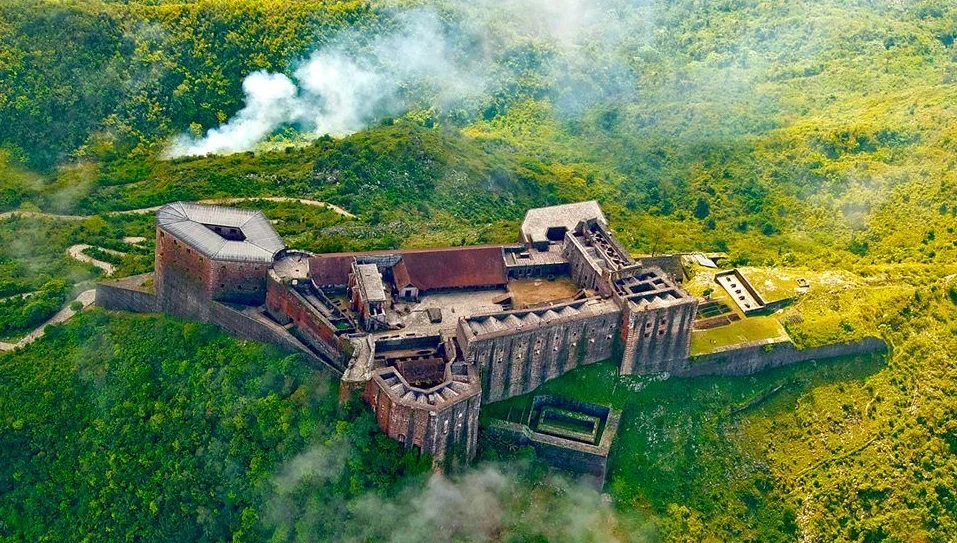
Haïti is home to historical monuments of global importance. The Citadelle Laferrière, the largest fortress in the Caribbean, was built to protect the young republic against a possible French invasion. Listed as a UNESCO World Heritage Site, it is a symbol of the Haitian people’s determination to preserve their freedom.

The Sans Souci Palace, the former royal residence of King Henri Christophe, and Les Ramiers, an archaeological site, also bear witness to the greatness and ingenuity of Haitians after independence. These places attract thousands of visitors each year and reinforce Haiti’s position as a cultural tourist destination.

Haïti
Haïti
Haïti

6- A Tropical Climate All Year Round

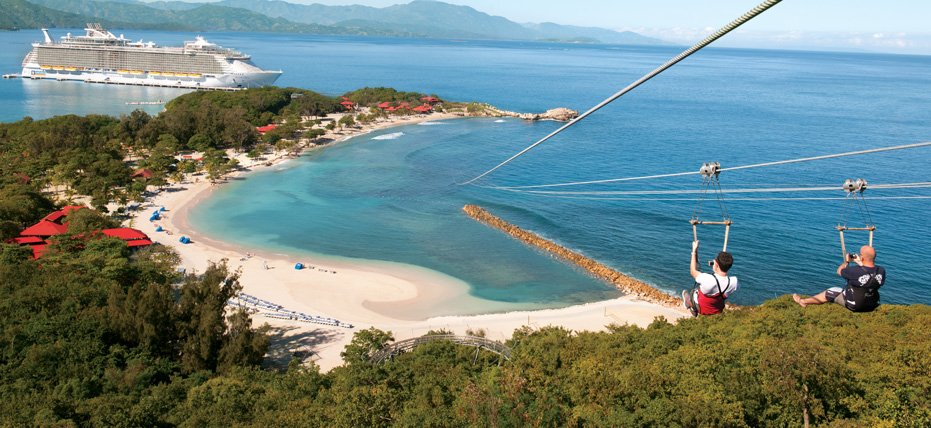
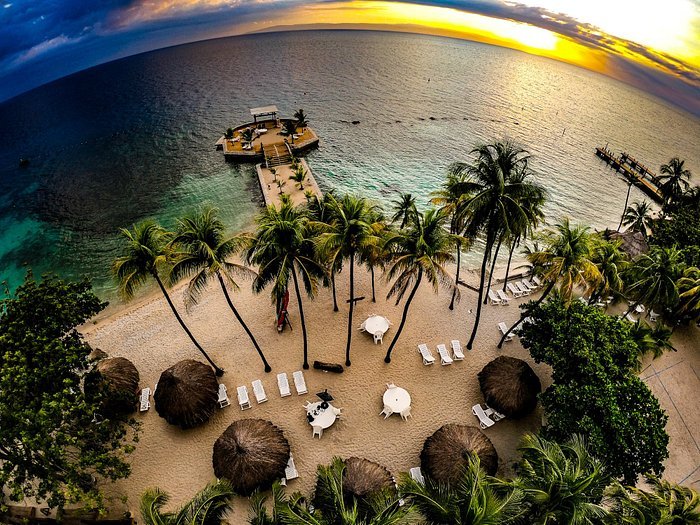
With an average temperature of 27°C, Haïti enjoys a tropical climate that attracts visitors from all over the world. Its white sand beaches, such as those of Labadie, and its turquoise waters offer a heavenly setting.

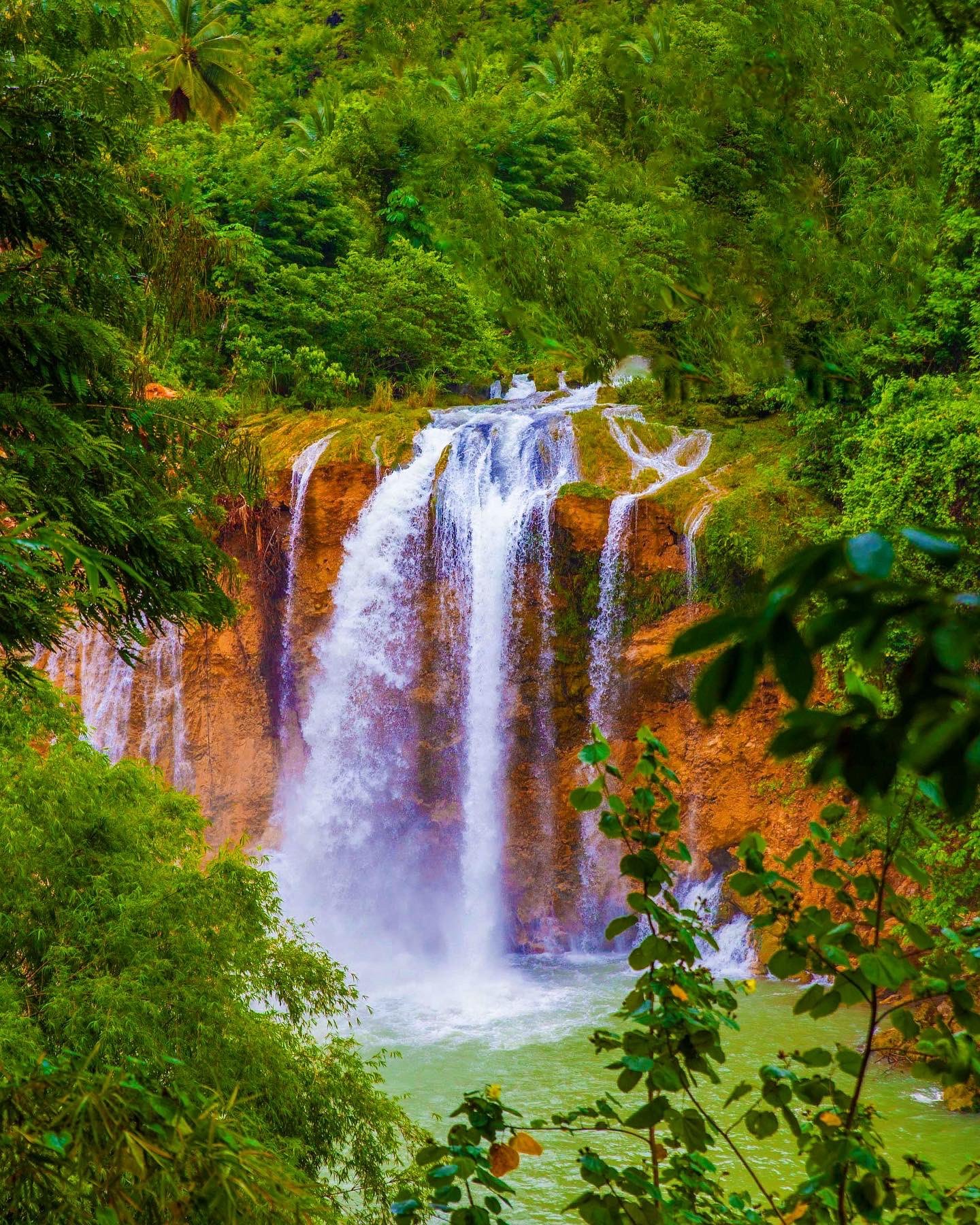
Aside from the beaches, natural sites such as the Bassin Bleu and the Saut-d’Eau waterfall are perfect for hiking and discovery enthusiasts. This sunny climate, combined with the country’s exceptional biodiversity, makes Haïti a dream destination for nature lovers.

Haïti
Haïti
Haïti

7- Invaluable Natural Resources

Haïti has enormous potential with natural resources such as gold, copper and bauxite. The country also exports agricultural products such as coffee, mango (of which it is one of the world’s leading producers) and cocoa.

These resources offer an opportunity for sustainable development. With reforestation projects and local initiatives to protect the environment, Haïti is focused on the responsible exploitation of its natural resources.

Haiti, Land of Wealth and Pride

Haiti, rich in its history, culture and nature, is a source of global inspiration. Behind the challenges, the country continues to reinvent itself and shine through its resilience and uniqueness. If you know other fascinating aspects of this exceptional land, share them in the comments to celebrate together the greatness of Haiti!

Share
About the Author
Appolon Guy Alain
Appolon Guy Alain
Appolon Guy Alain

Full Stack Developer, Créatif, expérimenté, passionné des nouvelles technologies et de l’art.

See other articles from Appolon Guy Alain
Leave a comment

Recently Posted

Caractéristique d’un lapin

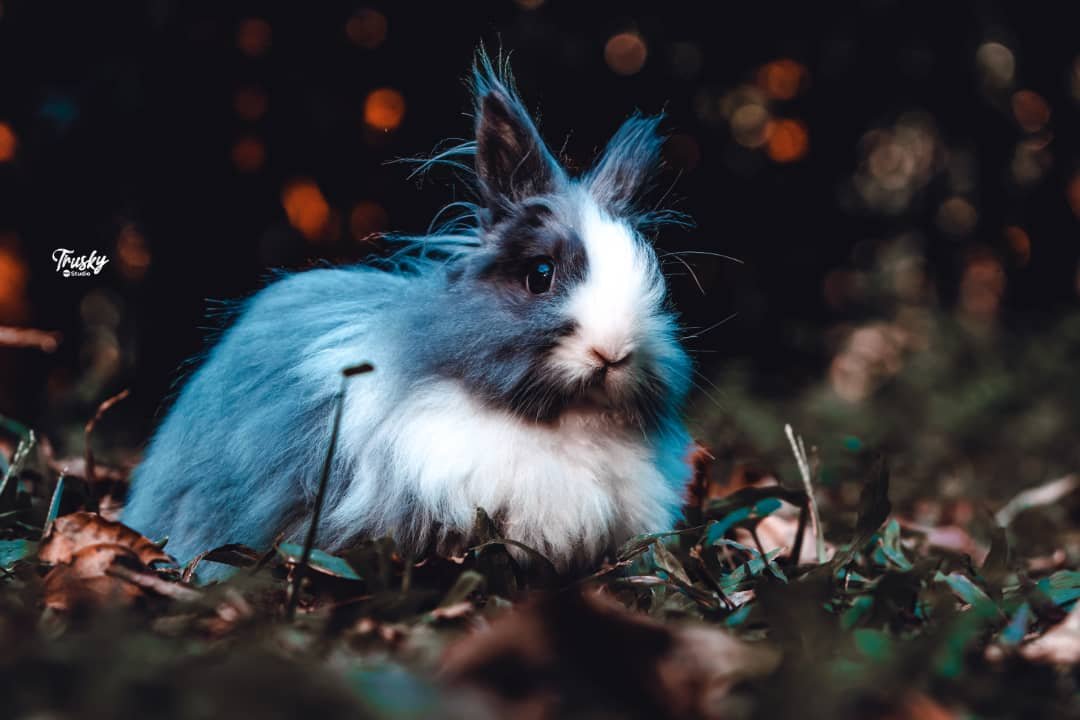
Les lapins sont des mammifères appartenant à la famille des Leporidae. Voici quelques-unes de leurs caractéristiques principales : 1. **Physique** : Les lapins ont un corps couvert de fourrure douce, des oreilles longues et droites, de grands yeux sur les côtés de leur tête, et une queue courte et duveteuse. Ils possèdent de puissantes pattes arrière adaptées au saut. 2. **Taille et poids** : La taille et le poids peuvent varier considérablement selon la race, allant d’environ 500 grammes pour les plus petits à plus de 5 kilogrammes pour les plus grands. 3. **Comportement** : Les lapins sont connus pour être sociaux et peuvent vivre en groupes dans la nature. Ils communiquent entre eux par différents moyens, y compris par des sons et des mouvements corporels. Les lapins creusent des terriers pour y vivre et se protéger des prédateurs. 4. **Alimentation** : Ils sont herbivores, se nourrissant principalement de foin, d’herbes, de feuilles, de fleurs, et de certains légumes. Leur système digestif est adapté pour traiter une grande quantité de fibres. 5. **Reproduction** : Les lapins sont réputés pour leur capacité à se reproduire rapidement, avec des gestations courtes d’environ 28 à 31 jours. Une portée peut compter de un à douze lapereaux, selon la race. 6. **Sens** : Ils ont une excellente vision périphérique pour détecter les mouvements tout autour d’eux, mais ont une zone aveugle juste devant leur nez. Leur ouïe est également très développée, leur permettant de capter des sons à de grandes distances. 7. **Espérance de vie** : En captivité, les lapins peuvent vivre de 7 à 10 ans, selon la race et les soins prodigués, tandis que dans la nature, leur espérance de vie est généralement plus courte en raison des prédateurs et des maladies. Ces animaux nécessitent des soins appropriés, notamment un régime alimentaire équilibré, de l’exercice, et une attention particulière à leur bien-être émotionnel et physique pour vivre une vie saine et heureuse en captivité.

Haiti: Flora and Fauna

Haiti, located on the western part of the Caribbean island of Hispaniola, is often associated with its rich and complex history. However, beyond its cultural and historical aspects, Haïti is home to a remarkable diversity of fauna and flora that deserves to be explored and preserved. This article highlights the ecological wealth of Haiti, emphasizing its unique flora and fauna. Fauna: Haïti is home to a variety of animal species, some of which are endemic to the island. The country’s tropical rainforests are home to a great diversity of birds. The rugged mountains provide suitable habitat for rare species. The waters surrounding Haïti are also rich in biodiversity. Colorful corals, tropical fish and sea turtles find refuge in the coral reefs along the coast. Conservation efforts are crucial to protect these fragile marine ecosystems and preserve marine life. Flora: Haiti’s landscapes are adorned with a wide variety of plants and flowers. The tropical rainforests are home to majestic trees, the Hispaniola pine and the gum tree. These forests play an essential role in climate regulation and the preservation of biodiversity. The coastal plains are dotted with palm trees, including Haiti’s iconic royal palm. Botanical gardens, such as the Jardin Botanique des Cayes, are havens of greenery where you can admire a wide variety of tropical plants, some of which are endemic to the region. Haiti, with its unique flora and fauna, is an ecological gem that deserves to be preserved for future generations. Awareness, conservation and sustainable development are key elements to ensure the survival of this natural wealth. By investing in the protection of its environment, Haïti can not only preserve its ecological heritage, but also promote sustainable tourism and strengthen the resilience of its ecosystems in the face of current global challenges.

Newsletter

Subscribe to our newsletter to stay informed of all our activities and news on Haiti.

The literary and philosophical club of Galette-Chambon reveals its second edition: a journey to the heart of books

In an atmosphere of madness, at the Auditorium Saint Jean Marie Vianney de Galette-Chambon, where the laughs broke out, the music resounded, and the talents were dismented, started the second edition of the reading competition, around the theme "Ann Li pou n chanje peyi n ». This initiative, organized by the literary and philosophical club of Galette Chambon (CLPGACH) on Friday 06 October 2024, was marked by an overflowing passion within the public. The spectators came for several reasons: to support the applicants and live their presentations. The works, as "thus spoke of the uncle", "the vocation of the elite" of Jean Price Mars, "the ten black men" of Etzer vilary and "the courage to live in Haïti in the 21st century" of Hérold Toussaint, present innovative arguments linked to the societal context. They intertwine with folklore, Haitian culture, sociology and anthropology. These books are given to the applicants for a period of 15 days. Back, they come with their summaries and, after each presentation, in turn, reveal new perspectives on burning questions and delicate themes from works, while taking into account the concepts learned in public speaking. In this arena where the verve and the verb clash as well as logic, conviction, precision and clarity, it is a question of "saying all in a few words". The judgments are based on three criteria: the methodology concerning the substance and the form of the work; The eloquence which concerns verbal and non -verbal discourse (micro management, good pronunciation, etc.); And finally, an essential criterion: understanding. This is to assess whether the applicant has controlled the work. Questions can be asked without ignoring the context in which he lives. In addition, assistants have the opportunity to vote for the applicant who charmed them the most. This vote is precious at a higher level. Note that this vote can be made not only face -to -face but also online on our Facebook page CLPGACH. In addition, the public has always changed well through this trip to the universe of regional authors. The latter weave the frame and make vital the very repertoire of the competition vital, made up of impactful works such as "the price of irresponsibility" of Montuma Murat, "the return to citizen responsibility" written by Jean Jacquesson Thelucier and "Courage to live in Haïti in the 21st century "Professor Hérold Toussaint, to name a few. Although they died, some writers still live at the heart of our situation through their inheritance. Among them, it is necessary to quote: "the vocation of the elite" of Doctor Jean Price Mars, "the ten black men" of Etzer Villaire and "the Governor of the dew" by Jacques Roumain, as well as so many others . For this literary event to be moving and meets expectations for this second edition, many sacrifices are necessary on the part of the staff as well as the public which never leaves us alone. In this sense, we would like to thank them and call all those wishing to support this event. Indeed, if this competition is a solution found to advance together towards a common goal, its success depends on everyone’s commitment. About two years ago, the security climate in the area was not conducive to the completion of the competition. Although it is not yet ideal today, it is time to triumph over obscurantism and fight the dictatorship of ambient ignorance.

Recently Posted

History

History

First black nation to free itself from slavery and gain independence from France in 1804 and influenced other liberation movements around the world, inspiring struggles for freedom and equality.

Natural beauty

Natural beauty

Haïti is blessed with spectacular natural landscapes, including white sand beaches, mountains and rich biodiversity.

Heritage

Heritage

Haïti has a rich historical heritage, including sites like the Citadelle Laferrière and the Sans-Souci Palace, listed as UNESCO World Heritage Sites.

Culture

Culture

Haïti has a rich and diverse culture, influenced by African, European and indigenous elements. Haitian music, dance, art and cuisine are celebrated around the world.

  • +
    • Post