contact@haitiwonderland.com+509 36184317

Discover

Shopping Cart

It’s summer in Haiti!

It’s summer in Haiti!

Summer in Haiti, a vibrant and sunny time, is much more than just a season. It is a celebration of life, culture and nature in this Caribbean country. Let me take you on a journey through the different facets of the Haitian summer, where the sun shines brightly, music resonates and nature flourishes.

Read the article in :

French : C’est l’été en Haïti !

Spanish : ¡Es verano en Haití!

Creole : Se ete an Ayiti!

Reference page : It’s summer in Haiti!

Other version : C’est l’été en Haïti !

Haïti
Haïti
Haïti

Climate and Nature

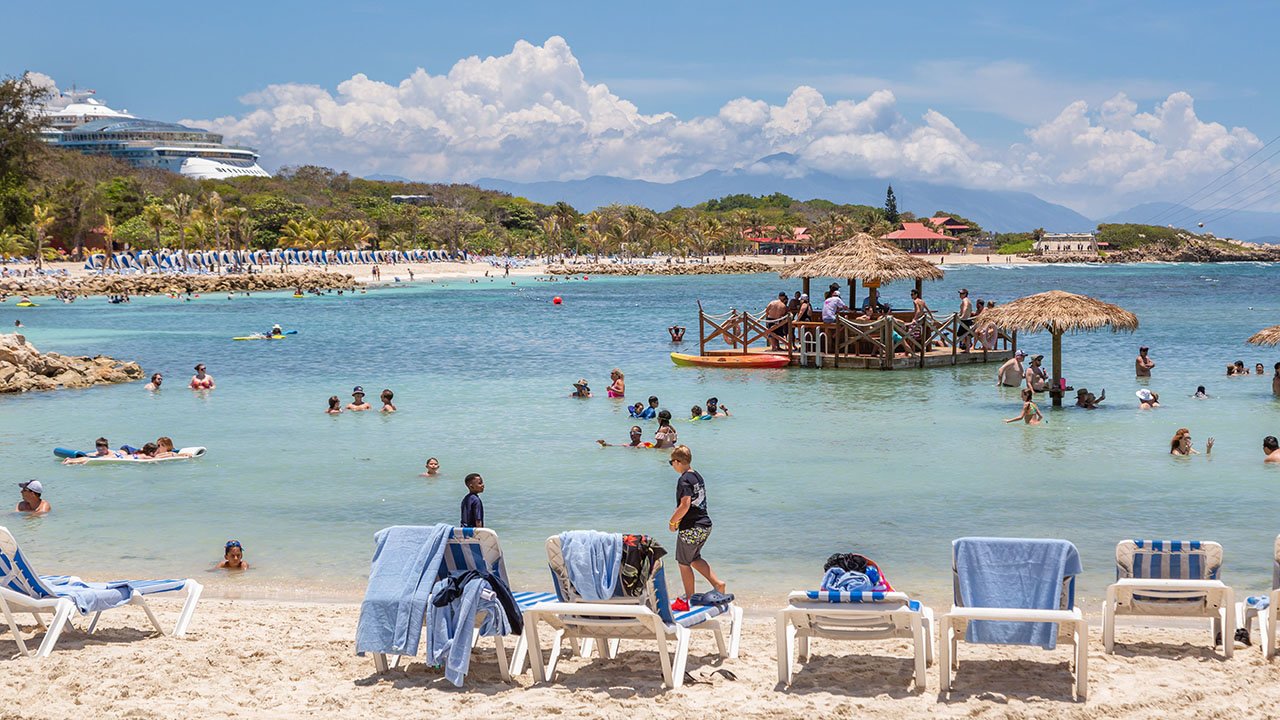
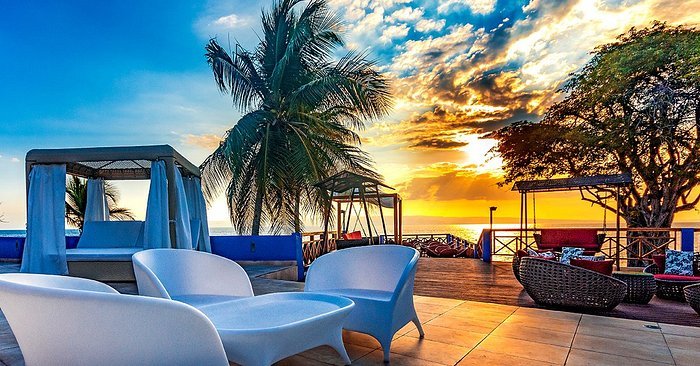
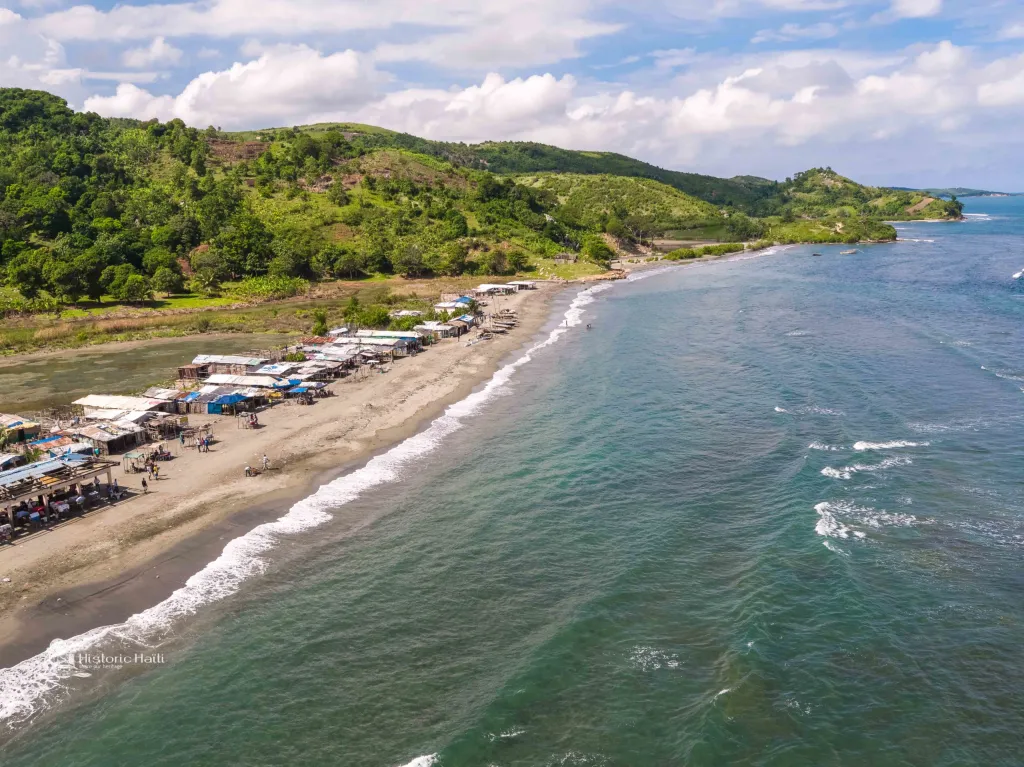
Summer in Haiti, which runs from June to August, is characterized by high temperatures, often around 30 degrees Celsius, and palpable humidity. The sun reigns supreme, offering long and bright days. Haiti’s beaches, such as Labadee, Cormier, Pointe sable, Raymond les Bains and Moulin Sur Mer, become paradises of white sand and turquoise waters, attracting locals and tourists seeking relaxation and aquatic fun.

The north coast, spearhead of summer destinations, offers total immersion in a postcard setting. Cap-Haïtien, the undisputed queen of vacations, exudes the joy of living. On its fine sandy beaches, families and friends come together for wild games of beach soccer, deliciously refreshing baths or pure moments of relaxation, lulled by the sea breeze.

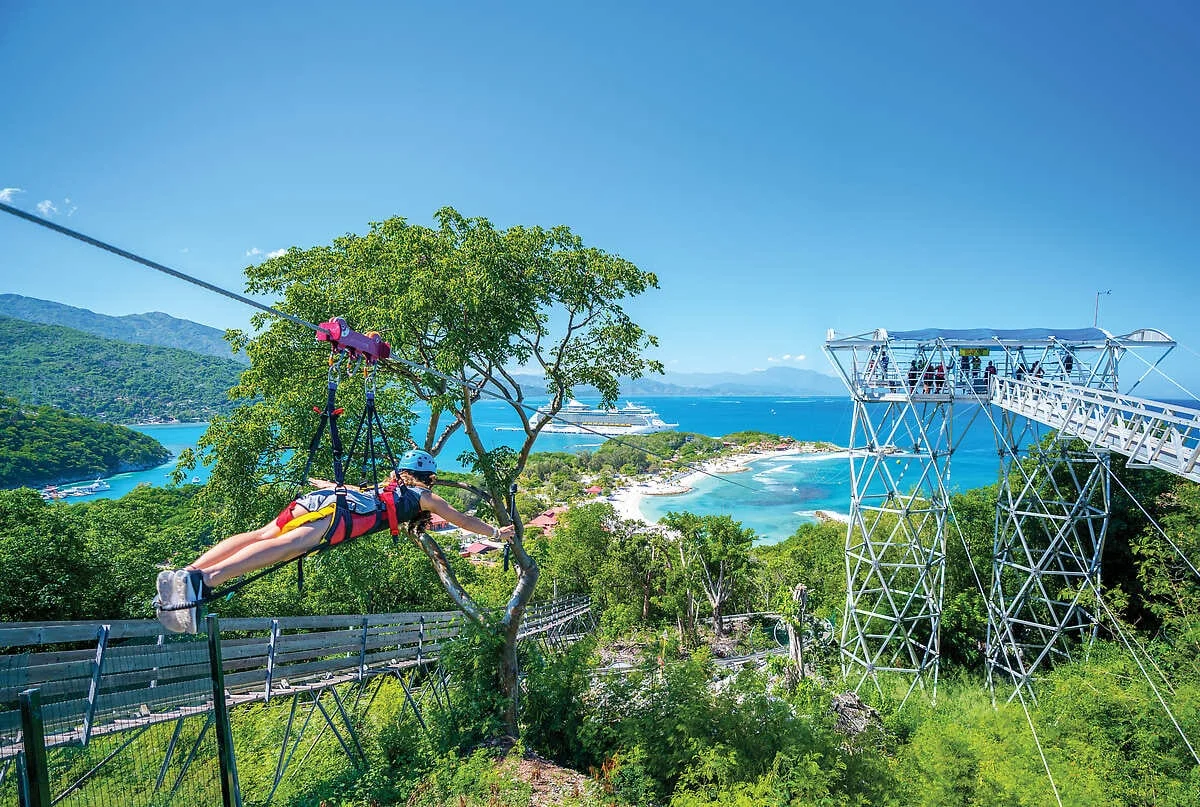
Further south, adventure lovers will be charmed by the steep hiking trails that crisscross the majestic mountains. An idyllic escape into the freshness of the undergrowth, interspersed with crystal-clear waterfalls where you can cool off.

The country’s lush green mountains and rainforests provide a refreshing contrast. Hikes through the winding trails of La Visite National Park or Massif de la Hotte reveal rich biodiversity and stunning landscapes, from hidden waterfalls to panoramic views.

Haïti
Haïti
Haïti

Culture and Festivities

Summer is also a time of festivities and cultural celebrations in Haiti. Breathtaking festivities await visitors, starting with the legendary SumFest. This unmissable event brings together the big names of the Haitian music scene for a weekend of pure madness, all bathed in an idyllic setting by the sea.

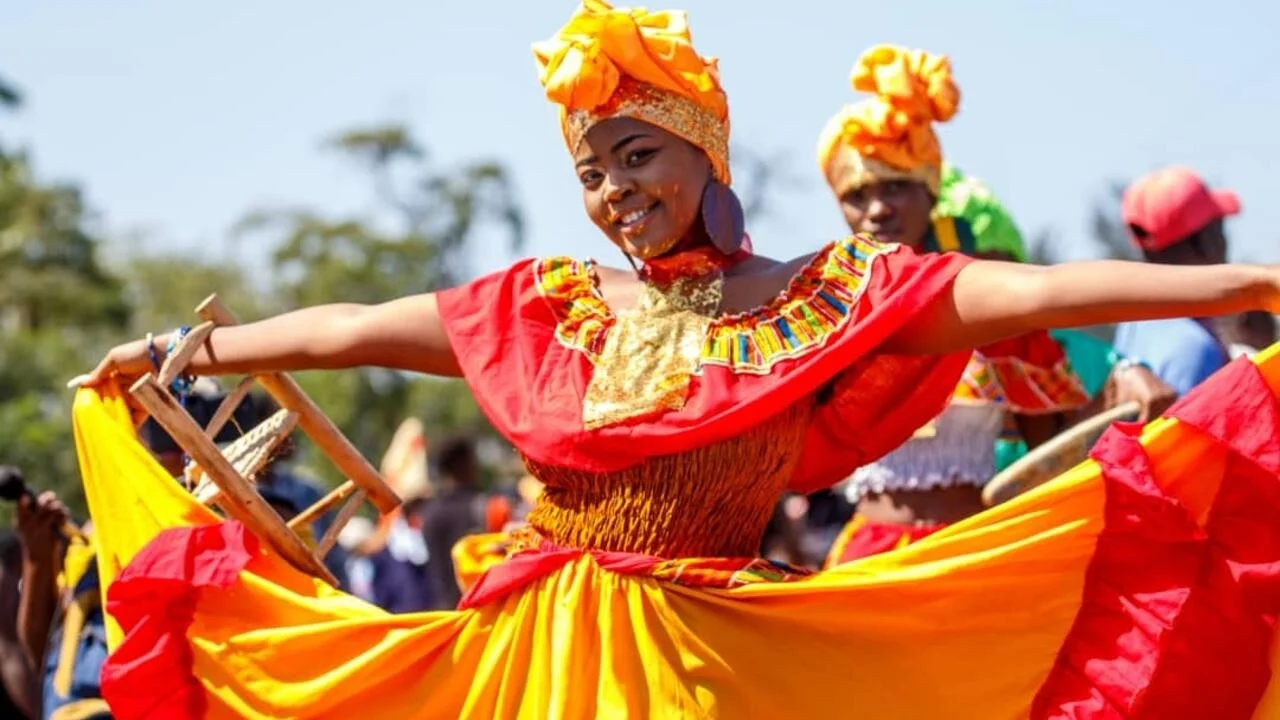
But the star attraction undoubtedly remains the Carnival of Flowers, generally celebrated in the bustling streets of Port-au-Prince. Inspired by the traditional carnival but adapted to the summer season, this thrilling event makes the capital vibrate with electrifying energy. Dancers, musicians and artists converge from the four corners of the country for a veritable surge of colors, intoxicating rhythms and contagious jubilation.

Music, the true soul of Haitian culture, resonates with increased intensity during the summer. Lively konpa, hypnotic rara and other traditional and contemporary genres invade the streets, beaches and clubs in a supercharged atmosphere. Music festivals, such as the prestigious Port-au-Prince International Jazz Festival, attract world-renowned artists and fans from all walks of life, eager to immerse themselves in this unique musical excitement.

Haïti
Haïti
Haïti

Gastronomy

Summer is also a feast for the taste buds in Haiti. Local markets are full of seasonal tropical fruits like mangoes, papayas, avocados and passion fruit. Haitians enjoy traditional dishes such as griot (marinated and fried pork), acra and tassot. Refreshing drinks like sugarcane juice, iced papaya and Barbancourt rum are a must to quench thirst under the summer sun.

Haïti
Haïti
Haïti

Tradition and Spirituality

Summer is also a time of deep spirituality for many Haitians. On July 16, the feast of Our Lady of Mount Carmel is celebrated with fervor, particularly in Saut-d’Eau, a famous pilgrimage site. Thousands of worshipers gather to honor the Virgin Mary, participating in Vodou and Catholic rituals in a unique symbiosis of beliefs.

Summer in Haïti is a rich sensory and emotional experience. It is a season when the natural beauty of the country, the human warmth of its people and the depth of its culture are fully revealed. Whether you’re drawn to sunny beaches, lush green mountains, upbeat music, or spiritual traditions, Haïti in summer offers an unforgettable and enchanting trip.

Share
About the Author
Appolon Guy Alain
Appolon Guy Alain
Appolon Guy Alain

Full Stack Developer, Créatif, expérimenté, passionné des nouvelles technologies et de l’art.

See other articles from Appolon Guy Alain
Leave a comment

Recently Posted

Haiti: the Island of Lovers

The ideal place for vacations, honeymoons, excursions, sightseeing tours and much more. This paradise island, located in the south of Haiti, near Île-à-Vache, offers a picturesque setting which makes it a destination of choice. A stone’s throw from Île à Vache, a 128 km² island bathed by the crystal clear waters of the Caribbean Sea, Île des Amoureux is a true gem to explore in Haiti. Just 5.50 nautical miles from the coastal town of Les Cayes, this island is easily accessible. Travelers can reach the town of Les Cayes by car or opt for charter flights arriving at the regional airport. From the port of Les Cayes, a short 20-minute boat trip will take you to this enchanting destination. The fascinating history of Île à Vache adds an extra dimension to your experience. Once a refuge for pirates and buccaneers, this island was nicknamed "Treasure Island". Today, it continues to charm visitors with its authentic ambiance, pristine beaches and crystal clear waters. Whether you’re looking for beach relaxation, underwater adventures, a romantic getaway, an exotic adventure or cultural discoveries, Lovers’ Island has it all. Dive into the clear waters to explore colorful coral reefs, hike through lush vegetation, or soak up the bustling atmosphere of local markets. For couples looking for romance, there’s nothing like a sunset stroll on the beach, followed by a candlelit dinner under the stars. Lovers’ Island is much more than just a vacation destination, it is a true haven of peace where adventure and relaxation meet. Whether you are a lover of relaxation or an adventurer at heart, this island will seduce you with its authentic charm and breathtaking landscapes. Embark on an unforgettable getaway and discover all that Haïti has to offer on this island paradise.
Newsletter

Subscribe to our newsletter to stay informed of all our activities and news on Haiti.

Haïti, a rich and impoverished country

Located in the western part of the island of Hispaniola, Haïti is a land imbued with natural, cultural and historical wealth. Unfortunately, behind the beauty of its landscapes, the richness of its culture and the delicacy of its cuisine lies a complex reality marked by the debt of its independence and the persistent interference of third countries, casting a shadow over its stability. b~The Natural Beauty of Haïti~b Haïti, nicknamed the "Pearl of the Antilles", dazzles with the diversity of its landscapes. From majestic mountains and lush valleys to meandering rivers and sandy beaches, the country offers natural beauty worth celebrating. The famous Citadelle Laferrière mountains and the refreshing waterfalls of Bassin-Bleu are just a few examples of the splendor that characterizes this nation. b~A Rich and Diverse Culture~b Haïti stands out for its vibrant and diverse culture. A heritage of African, French and indigenous influence, Haïtian music, dance and art reflect a unique fusion. Colorful festivals, like Carnival, are celebrations of this cultural richness, attracting visitors from all over the world. b~Delicious Cuisine~b Haïtian cuisine, tasty and spicy, is another aspect worth celebrating. Dishes like griot, sticky rice, and the legendary joumou soup, traditionally prepared to commemorate independence, are all culinary delights that demonstrate the country’s gastronomic ingenuity. b~Heritage Treasures and Paradise Beaches~b Haïti’s heritage treasures, such as the remains of the Sans-Souci Palace and the Citadelle Laferrière, listed as UNESCO World Heritage Sites, are testimonies to the architectural grandeur of Haïti’s past. At the same time, beaches like Labadee and Jacmel offer havens of peace with crystal clear waters, attracting travelers in search of a tropical paradise. b~A Fascinating Story~b The history of Haïti is both fascinating and tragic. It was the first country in the Americas to gain its independence, in 1804, after a courageous slave revolt. However, this independence came with a heavy financial price. France demanded exorbitant compensation, thus laying the foundations for Haïti’s foreign debt. b~The Debt of Independence and Foreign Interference~b Despite these treasures, Haïti struggles with the reality of its independence debt. After gaining its freedom, the country was forced to pay France a considerable sum in compensation for losses associated with the abolition of slavery. This debt has been a major economic burden for Haïti, hindering its development. Additionally, foreign interference continues to create significant challenges. External political and economic interventions have often contributed to the country’s instability, hindering its ability to build a sustainable future for its citizens. b~In conclusion~b Haïti remains a country of multiple riches, but its challenges persist. Despite its natural beauty, rich culture and fascinating history, the nation needs enlightened international support and lasting solutions to overcome the obstacles that stand in its way. Haïti’s wealth lies not only in its enchanting landscapes, but also in the potential of its people to be resilient and prosper despite persistent challenges.

Haiti: Is buying votes to be elected a form of corruption or political strategy?

The democratic political system requires the active participation of citizens in the management of the city. Everyone freely expresses their opinion for harmonious management of society. Generally the choices are made from the organization of free and honest elections. However, sometimes candidates use diverted means to achieve their ends. Can we consider this act as a form of corruption or a political strategy? In a democratic society, the organization of elections at regular intervals is an imperative. Managers are generally elected by the majority of voters, which ensures them a certain legitimacy within the framework of government management. Today, more and more, around the world, the elections are controlled by economic power. This sector gives a lot of silver to candidates who often buy the media services in order to have certain visibility through mass communication means (radio, VAT, Internet, etc.) and do without constraints Many very expensive trips, which require enormous capital. By the way, the possibility that a candidate with low financial means of being elected is increasingly reduced in Western societies. Despite everything, it is illegal to buy the votes of the voters. It is an act of corruption that should lead to criminal sanctions. No society can tolerate this practice which could hamper the degeneration of the democratic system and, consequently, of the electorate system. Civil society and human rights organizations must be vigilant in order to avoid these harmful drifts in the democratic system. In fact, the temptation to bribe the voters in order to access elective positions must be denounced as an act of corruption. In doing so, will lead to political dissenting between duty, and law, because citizens are called upon to freely choose the leaders of the city. Ultimately, the organization of the elections must be the fruit of consensus between the various groups of the social system. Managers must be chosen according to their ability to provide adequate answers to the problems of the company. They can still benefit from powerful financial means from other partners. But, giving voters directly money is a condemnable detective act which reduces the autonomy of action and thinking of voters. In this sense, the latter’s vote must reflect the desire to choose or build a fair, fair and favorable company.

Recently Posted

History

History

First black nation to free itself from slavery and gain independence from France in 1804 and influenced other liberation movements around the world, inspiring struggles for freedom and equality.

Natural beauty

Natural beauty

Haïti is blessed with spectacular natural landscapes, including white sand beaches, mountains and rich biodiversity.

Heritage

Heritage

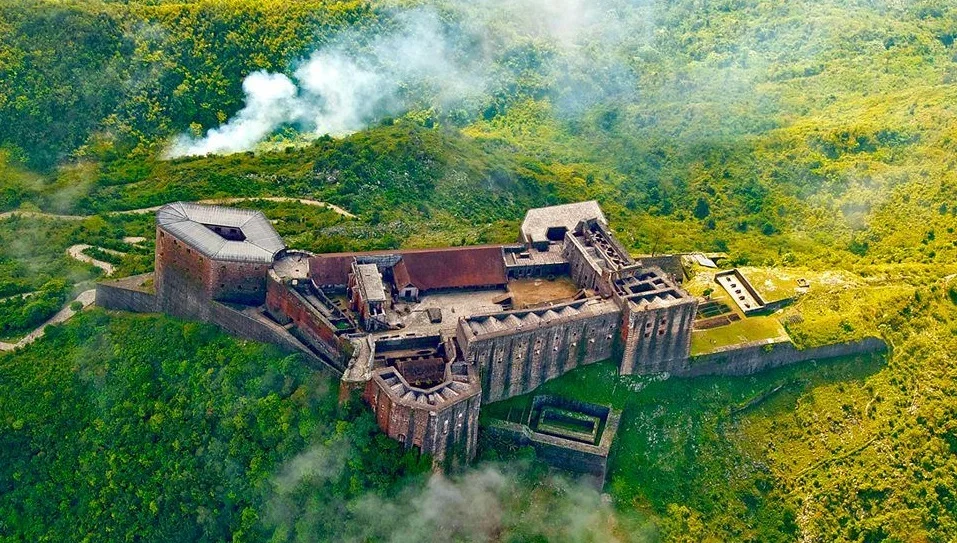
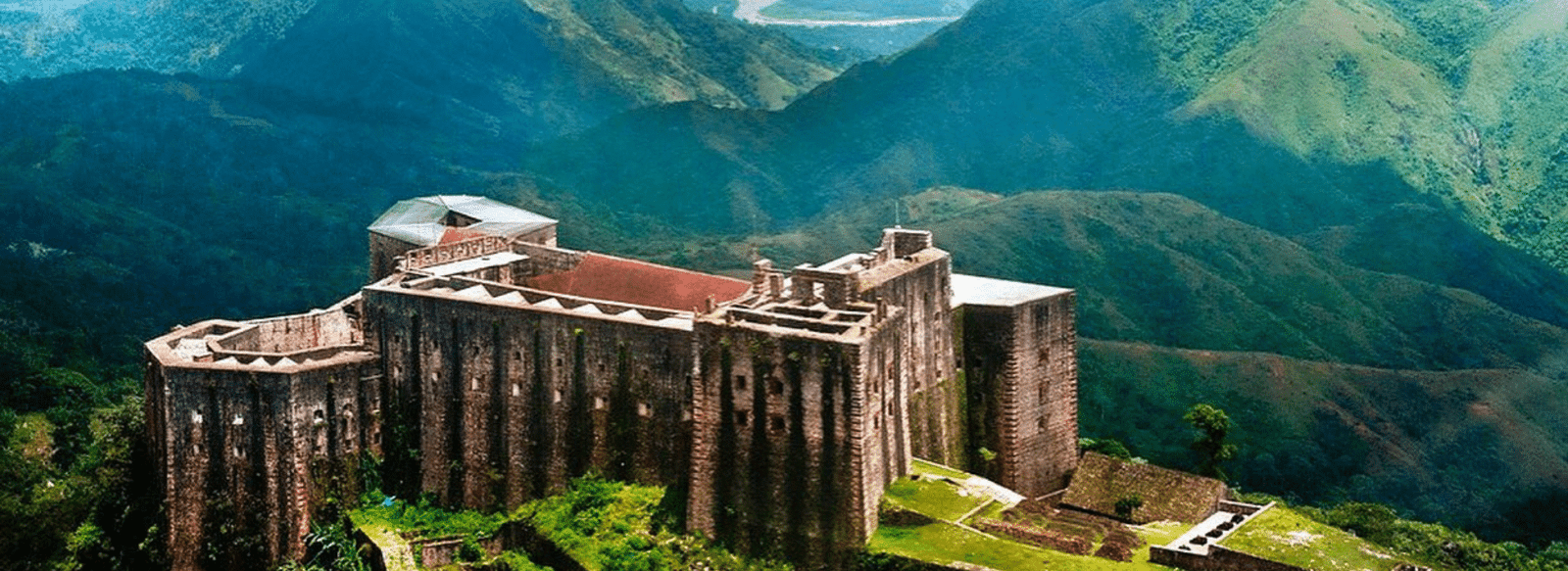
Haïti has a rich historical heritage, including sites like the Citadelle Laferrière and the Sans-Souci Palace, listed as UNESCO World Heritage Sites.

Culture

Culture

Haïti has a rich and diverse culture, influenced by African, European and indigenous elements. Haitian music, dance, art and cuisine are celebrated around the world.

  • +
    • Post