contact@haitiwonderland.com+509 36184317

Discover

Shopping Cart

These traditional Haitian festivals you must experience at least once

These traditional Haitian festivals you must experience at least once

Haiti, an island of culture and history, is much more than a beach destination. It vibrates to the rhythm of its traditions, its music, its dances, and especially its traditional festivals. If you’re looking for an authentic experience, these events are the perfect opportunity to immerse yourself in the soul of a proud, warm, and creative people. Here is a selection of the must-see traditional Haitian festivals that every traveler should experience at least once.

1. The National Carnival An explosion of colors and rhythms

February or March (before Lent)

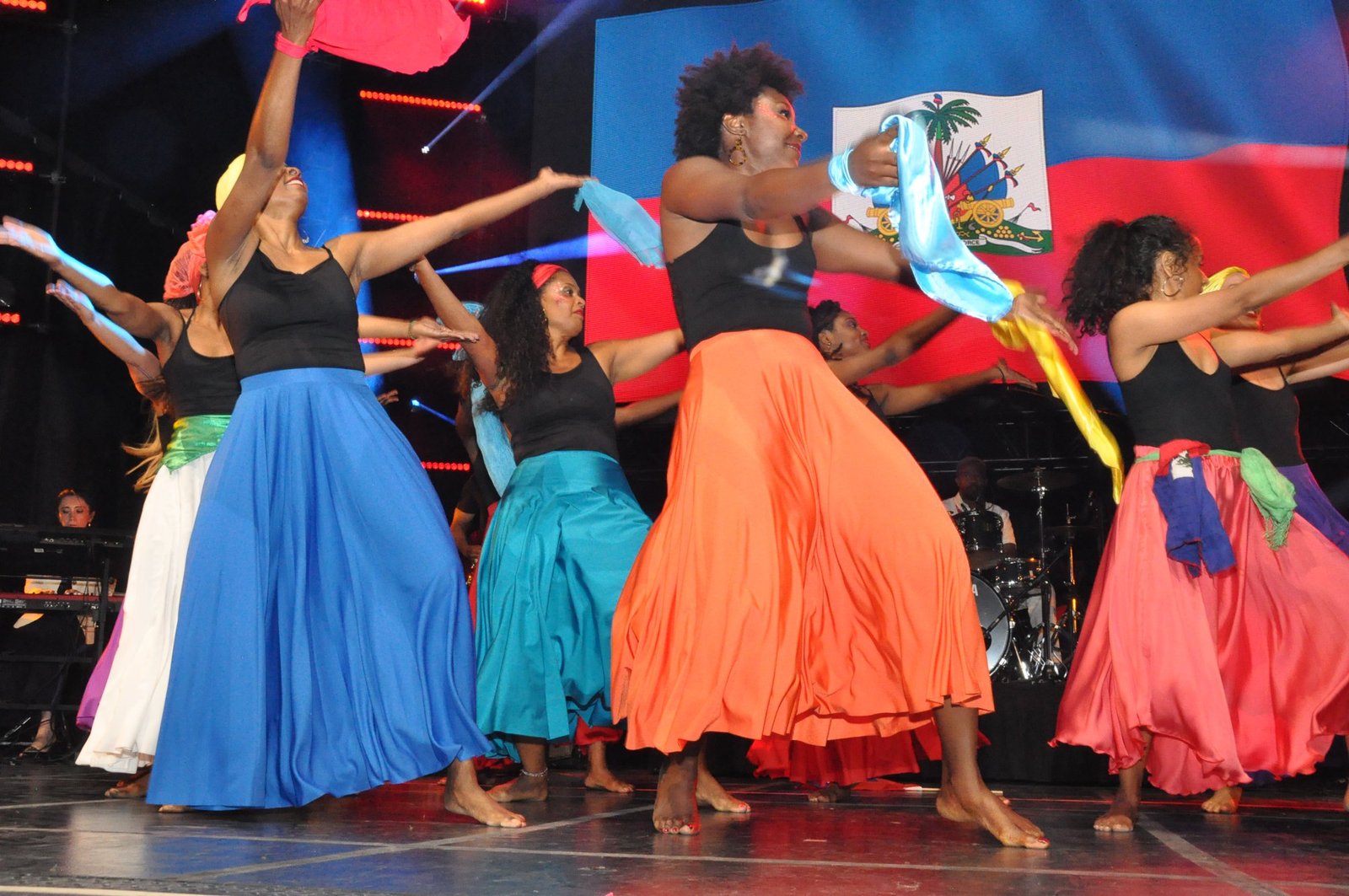
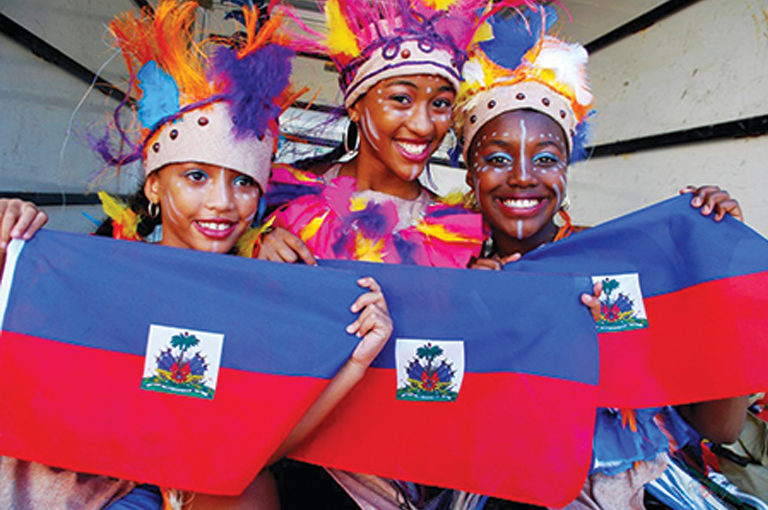
Carnival is undoubtedly the most popular festival in Haiti. It attracts thousands of people, both local and foreign, every year. This is a time when the streets of major citiesespecially Port-au-Prince, Jacmel, and Cap-Haïtienare transformed into lively stages: floats, musical groups (the famous "bann a pye"), costumed dancers, and an electrifying atmosphere.

Why you should attend:

- A total immersion in Haitian culture.
- Unique artistic performances.
- A festive atmosphere unparalleled in the Caribbean.

2. Jacmel Carnival Art in the Service of Tradition

Two weeks before Mardi Gras

Less commercial than the capital’s, the Jacmel Carnival is a cultural gem. Known for its papier-mâché masks, the city offers an artistic and symbolic carnival. Fantastical creatures, satirical scenes, and traditional costumes recount the history and myths of Haiti.

Why you should attend:

- A more intimate and cultural experience.
- Living works of art in the streets.
- An excellent excuse to visit Jacmel, a city of artists.

3. The Feast of Saint James and Saint Philip in Plaine-du-Nord

July 24-25

This is one of Haiti’s most important festivals. Every year, thousands of pilgrims travel to Plaine-du-Nord, in the north of the country, to celebrate Saint James, syncretized with the Lwa Ogou (the Voodoo deity of war and fire). Between Catholic mass, Voodoo rituals, and colorful processions, this festival perfectly illustrates Haiti’s spiritual richness.

Why you should attend:

- An impressive fusion of Catholicism and Voodoo.
- A mystical and solemn atmosphere.
- A tradition unique in the world.

4. The Gédé Festival Ancestor Worship

November 1st and 2nd (All Saints’ Day and All Souls’ Day)

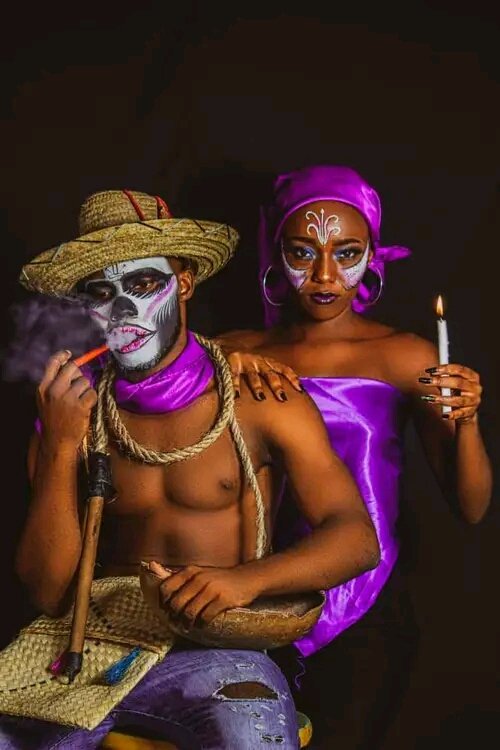
During the Gédé Festival, Haïti pays tribute to its dead. But here, the commemoration is festive, noisy, and colorful. In cemeteries, Haitians dance, sing, and pray for the spirits of the deceased. Voodoo is very present, with rituals and offerings to the Gédé spirits, symbols of death and resurrection.

Why you should attend:

- A different way to experience the relationship with death.
- A deeply spiritual and cultural event.
- An atmosphere where life celebrates the dead.

5. The Feast of Our Lady of Perpetual Help in Coteaux

June 27th

In Coteaux, in southern Haiti, this Marian festival attracts many pilgrims. It blends Catholic faith and popular spirituality, with masses, processions, and religious songs. The location, perched between the sea and the mountains, offers a spectacular view, reinforcing the sacred dimension of the event.

Why attend:

- A pilgrimage filled with fervor.
- A magnificent region to discover.
- A religious tradition respected for generations.

Haiti: The Rara season in Petit-Goâve: A celebration of life, unity and resilience

Haiti: The Rara season in Petit-Goâve: A celebration of life, unity and resilience

As the new season of Rara looms on the horizon, certain groups such as Saint Jacques Majeur, Ratyèfè, Florida Band, Lambi Grand, and Grap Kenèp are already preparing to light up the streets of Petit-Goâve with their flamboyant costumes and their captivating melodies. For these groups, the future looks bright, promising a season full of passion and success. However, other rara bands are still hesitant about which direction to take. Despite these uncertainties, optimism reigns regarding the success of this new season for all rara groups in the commune of Petit-Goâve. Rara, anchored in the Vodou tradition, is much more than a simple artistic manifestation. It embodies the very essence of Haitian culture, highlighting questions of memory, tradition and identity. This increasingly popular form of artistic expression attracts a large audience and arouses unprecedented enthusiasm. Groups like Ratyèfè, Grap Kenèp, Florida Band and Chenn Tamaren, recognized for their ability to delight their fans, play a crucial role in the continued growth of rara in the town. The rara season traditionally begins on Dead Thursday and ends on the night of Easter Sunday or quasimodo Monday. To mark the beginning of this sacred period, groups organize opening ceremonies, honoring the spirits of the deceased in rituals steeped in spirituality. These ceremonies, often held in cemeteries or in the "Bitasyons" of groups, symbolize the deep link between the rara and Vodou traditions.

Why experience these festivals in Haiti?

Participating in these celebrations is much more than just attending a party. It’s experiencing Haïti from the inside, understanding its identity, its resilience, its faith, its joie de vivre. Traditional Haitian festivals are unique moments where art, spirituality, and community come together as one.

Share
About the Author
Appolon Guy Alain
Appolon Guy Alain
Appolon Guy Alain

Full Stack Developer, Créatif, expérimenté, passionné des nouvelles technologies et de l’art.

See other articles from Appolon Guy Alain
Leave a comment

Recently Posted

Newsletter

Subscribe to our newsletter to stay informed of all our activities and news on Haiti.

Recently Posted

History

History

First black nation to free itself from slavery and gain independence from France in 1804 and influenced other liberation movements around the world, inspiring struggles for freedom and equality.

Natural beauty

Natural beauty

Haïti is blessed with spectacular natural landscapes, including white sand beaches, mountains and rich biodiversity.

Heritage

Heritage

Haïti has a rich historical heritage, including sites like the Citadelle Laferrière and the Sans-Souci Palace, listed as UNESCO World Heritage Sites.

Culture

Culture

Haïti has a rich and diverse culture, influenced by African, European and indigenous elements. Haitian music, dance, art and cuisine are celebrated around the world.

  • +
    • Post