contact@haitiwonderland.com+509 36184317

Discover

Shopping Cart

These traditional Haitian festivals you must experience at least once



These traditional Haitian festivals you must experience at least once

Haiti, an island of culture and history, is much more than a beach destination. It vibrates to the rhythm of its traditions, its music, its dances, and especially its traditional festivals. If you’re looking for an authentic experience, these events are the perfect opportunity to immerse yourself in the soul of a proud, warm, and creative people. Here is a selection of the must-see traditional Haitian festivals that every traveler should experience at least once.

1. The National Carnival An explosion of colors and rhythms

February or March (before Lent)

Carnival is undoubtedly the most popular festival in Haiti. It attracts thousands of people, both local and foreign, every year. This is a time when the streets of major citiesespecially Port-au-Prince, Jacmel, and Cap-Haïtienare transformed into lively stages: floats, musical groups (the famous "bann a pye"), costumed dancers, and an electrifying atmosphere.

Why you should attend:

- A total immersion in Haitian culture.
- Unique artistic performances.
- A festive atmosphere unparalleled in the Caribbean.

2. Jacmel Carnival Art in the Service of Tradition

Two weeks before Mardi Gras

Less commercial than the capital’s, the Jacmel Carnival is a cultural gem. Known for its papier-mâché masks, the city offers an artistic and symbolic carnival. Fantastical creatures, satirical scenes, and traditional costumes recount the history and myths of Haiti.

Why you should attend:

- A more intimate and cultural experience.
- Living works of art in the streets.
- An excellent excuse to visit Jacmel, a city of artists.

3. The Feast of Saint James and Saint Philip in Plaine-du-Nord

July 24-25

This is one of Haiti’s most important festivals. Every year, thousands of pilgrims travel to Plaine-du-Nord, in the north of the country, to celebrate Saint James, syncretized with the Lwa Ogou (the Voodoo deity of war and fire). Between Catholic mass, Voodoo rituals, and colorful processions, this festival perfectly illustrates Haiti’s spiritual richness.

Why you should attend:

- An impressive fusion of Catholicism and Voodoo.
- A mystical and solemn atmosphere.
- A tradition unique in the world.

4. The Gédé Festival Ancestor Worship

November 1st and 2nd (All Saints’ Day and All Souls’ Day)

During the Gédé Festival, Haïti pays tribute to its dead. But here, the commemoration is festive, noisy, and colorful. In cemeteries, Haitians dance, sing, and pray for the spirits of the deceased. Voodoo is very present, with rituals and offerings to the Gédé spirits, symbols of death and resurrection.

Why you should attend:

- A different way to experience the relationship with death.
- A deeply spiritual and cultural event.
- An atmosphere where life celebrates the dead.

5. The Feast of Our Lady of Perpetual Help in Coteaux

June 27th

In Coteaux, in southern Haiti, this Marian festival attracts many pilgrims. It blends Catholic faith and popular spirituality, with masses, processions, and religious songs. The location, perched between the sea and the mountains, offers a spectacular view, reinforcing the sacred dimension of the event.

Why attend:

- A pilgrimage filled with fervor.
- A magnificent region to discover.
- A religious tradition respected for generations.

Haitian traditions
Haitian traditions

Haitian traditions

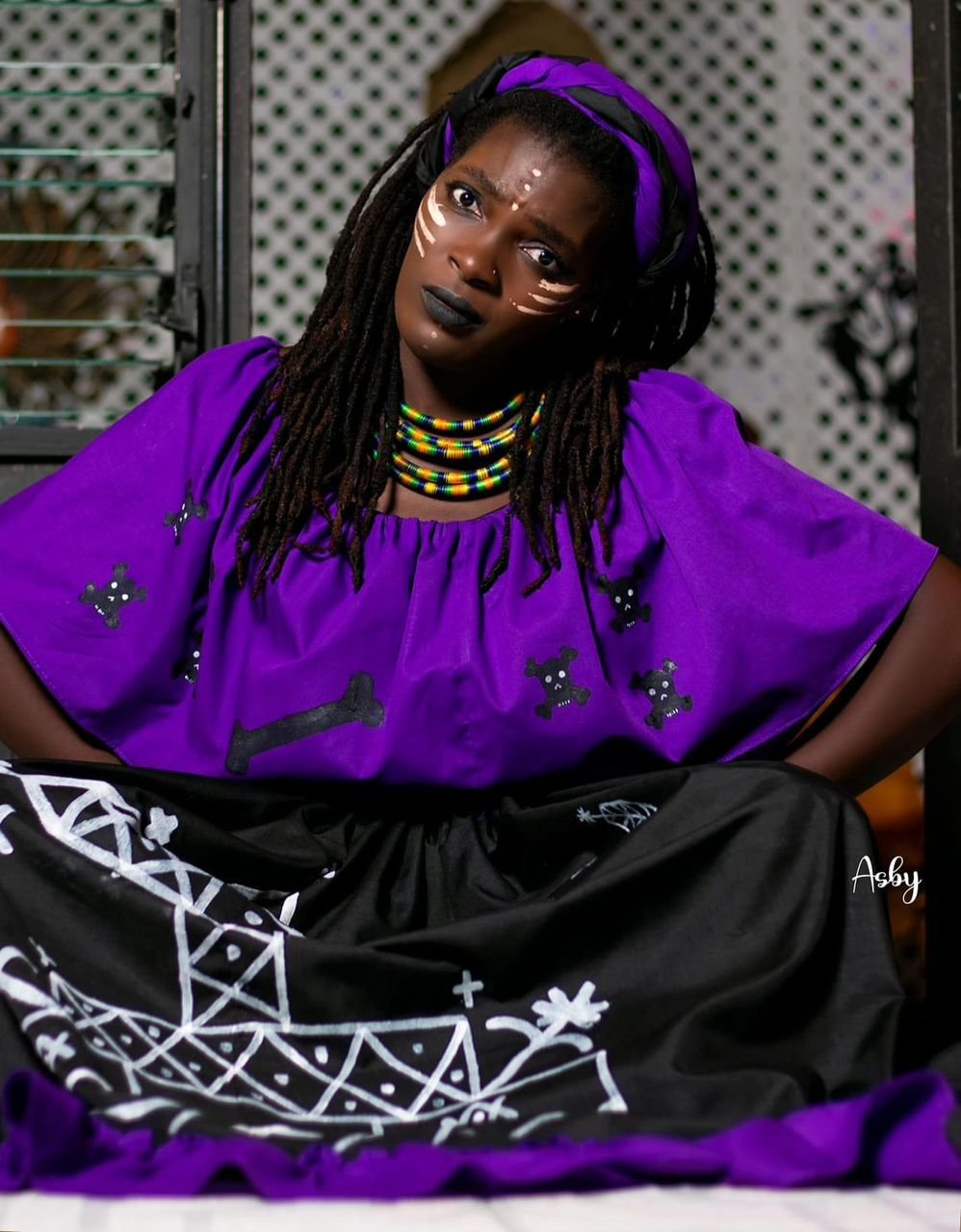
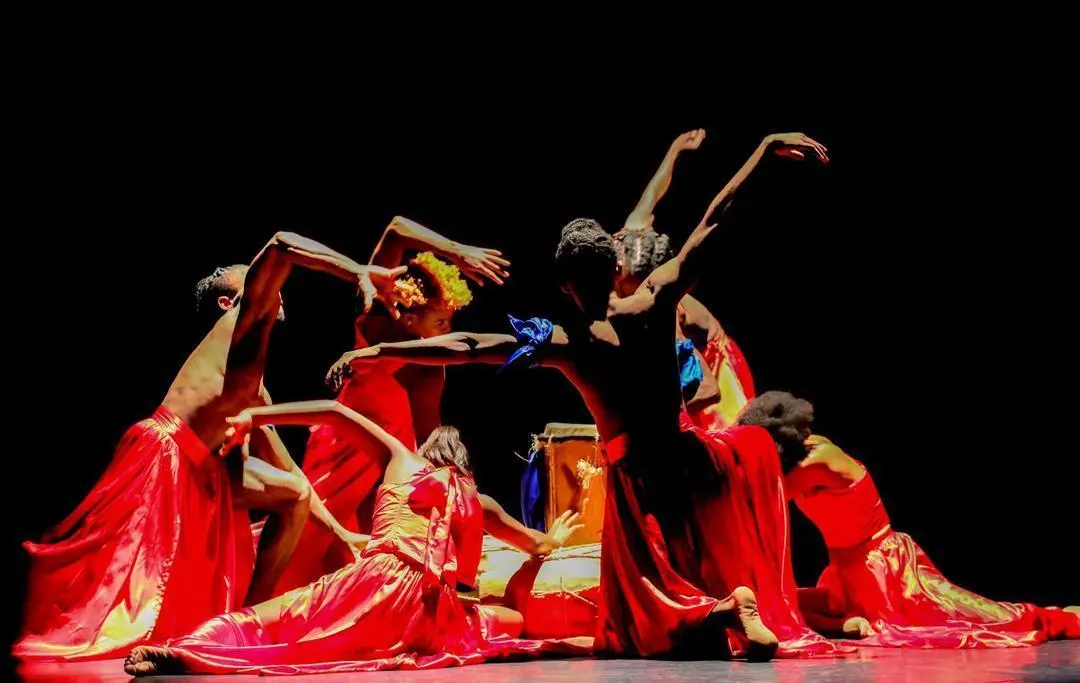
Haiti, the pearl of the Antilles, is a country rich in history and traditions. Its vibrant and diverse culture is reflected through its national holidays, cultural festivities, traditional foods, religious beliefs, folk tales, and traditional games. Let’s immerse ourselves in the social fabric of Haïti to discover the beauty of its traditions. b~National Holidays:~b National holidays in Haïti are moments of pride and national unity as January 1, Independence Day, commemorates the victory of Haitian slaves over French colonial forces in 1804, making Haïti the first independent country in Haiti. Latin America and the Caribbean or the commemoration of the Battle of Vertières on November 18. The Battle of Vertières was one of the last great battles of the revolution. It took place in Vertières, near the town of Cap-Haitien. b~Cultural Festivities:~b Haïti is also famous for its cultural festivities, particularly Carnival, which is an explosion of color, dance, and music. Artistic and craft events, such as the Rara festival, are an opportunity for artists to showcase their talent. The Rara, a musical parade, combines folklore and spirituality, creating a unique experience. b~Traditional Foods:~b Haitian cuisine is a delight for the taste buds. Dishes like griot (fried pork), diri djon djon (rice with black mushrooms), and the legendary joumou (joumou soup) are an integral part of Haitian culinary tradition. Bold flavors, spices and cooking methods inherited from African and French tradition make Haitian cuisine unforgettable. b~Vodou:~b Vodou, often misunderstood, is a synchretic religion that incorporates elements of Catholicism, African animism, and indigenous beliefs. It plays a significant role in the daily lives of Haitians, influencing music, dance, and religious rites. Vodou is a profound expression of Haitian spirituality. The Tales (Krik Krak, Tim Tim, Bwa Sèch): Haitian folk tales, passed down from generation to generation, are rich in morality and wisdom. b~Konbit :~b The concept of Konbit represents community solidarity. Haitians come together to perform community tasks, whether in agricultural fields or for construction projects. It is a living example of the collective spirit that permeates Haitian society. The most recent major project to date concerns the construction of the canal from the Massacre River to Ouanaminthe, which took place between September and December 2023. Thousands of inhabitants of the north of the country mobilized all their forces to erect a canal allowing to collect water intended for irrigation of their plantations, with the aim of obtaining better harvests. Despite their modest means, they were motivated by the slogan "KPK" (Kanal la pap kanpe), a direct response to Dominican President Luis Abinader who warned them and did everything in his power to stop the construction of the canal. This channel represents the deep solidarity of Haitians and reaffirms national pride. Despite economic challenges, the people of northern Haïti have demonstrated exceptional determination to work together for a common goal. The slogan “Kanal la pap kanpe” embodies their resilience in the face of external pressures and demonstrates their unwavering will to continue the construction of the canal. b~Traditional Games:~b Traditional games are an essential part of daily life in Haiti. Games like lido, sote kòd, Yoyo, Ralba, Marèl, TiTaTo, Kay, lago kache, Monte kap, teke mab, woule sèk, twa fwa se manbo, and domino bring people together, promoting camaraderie and fun. Haitian traditions are a harmonious blend of spirituality, community, and cultural diversity. Every aspect, from national holidays to traditional games, helps weave the rich cultural tapestry that makes Haïti proud. These traditions are the beating heart of the nation, a precious heritage that continues to be passed down from generation to generation.

Why experience these festivals in Haiti?

Participating in these celebrations is much more than just attending a party. It’s experiencing Haïti from the inside, understanding its identity, its resilience, its faith, its joie de vivre. Traditional Haitian festivals are unique moments where art, spirituality, and community come together as one.

Share
About the Author
Appolon Guy Alain
Appolon Guy Alain
Appolon Guy Alain

Full Stack Developer, Créatif, expérimenté, passionné des nouvelles technologies et de l’art.

See other articles from Appolon Guy Alain
Leave a comment

Recently Posted

Newsletter

Subscribe to our newsletter to stay informed of all our activities and news on Haiti.

Haiti: Fort Liberté, a Historical and Cultural Jewel

Nestled on the northeast coast of Haiti, between the green mountains and the azure waters of the Atlantic Ocean, lies a small town with undeniable charm: Fort Liberté. This historical and cultural gem is full of fascinating stories, picturesque landscapes and cultural richness that captivate visitors from around the world. A Historical Heritage Fort Liberté owes its name to the old fortress which overlooks the city, a vestige of the French colonial era. Built in the 18th century to protect the region from foreign invasions, this fort offers stunning panoramic views of the surrounding area, testifying to its strategic importance at the time. Today, it serves as a major tourist attraction, offering visitors a captivating insight into Haiti’s turbulent history. Culture and Traditions The cultural richness of Fort Liberté is reflected in its vibrant traditions, captivating music and local crafts. The city’s residents are renowned for their warm hospitality and pride in their heritage. Visitors can immerse themselves in the local culture by experiencing authentic Creole cuisine, watching traditional dance performances, or exploring bustling markets where a variety of handmade crafts can be found, such as wood carvings and vivid paintings. Natural beauty The surroundings of Fort Liberté are full of breathtaking natural treasures. The white sand beaches lined with palm trees offer an idyllic setting to relax and soak up the tropical sun. Outdoor enthusiasts will also find what they are looking for in the surrounding mountains, where they can hike through lush nature and discover hidden waterfalls and breathtaking panoramas. Fort Liberté, with its captivating blend of history, culture and nature, is a must-visit destination for those wishing to experience the true essence of Haiti. Whether you explore the historical remains, immerse yourself in the daily lives of the locals or marvel at the natural beauty of the surrounding area, this small town offers an enriching and memorable experience for all those who have the chance to visit it.

Recently Posted

History

History

First black nation to free itself from slavery and gain independence from France in 1804 and influenced other liberation movements around the world, inspiring struggles for freedom and equality.

Natural beauty

Natural beauty

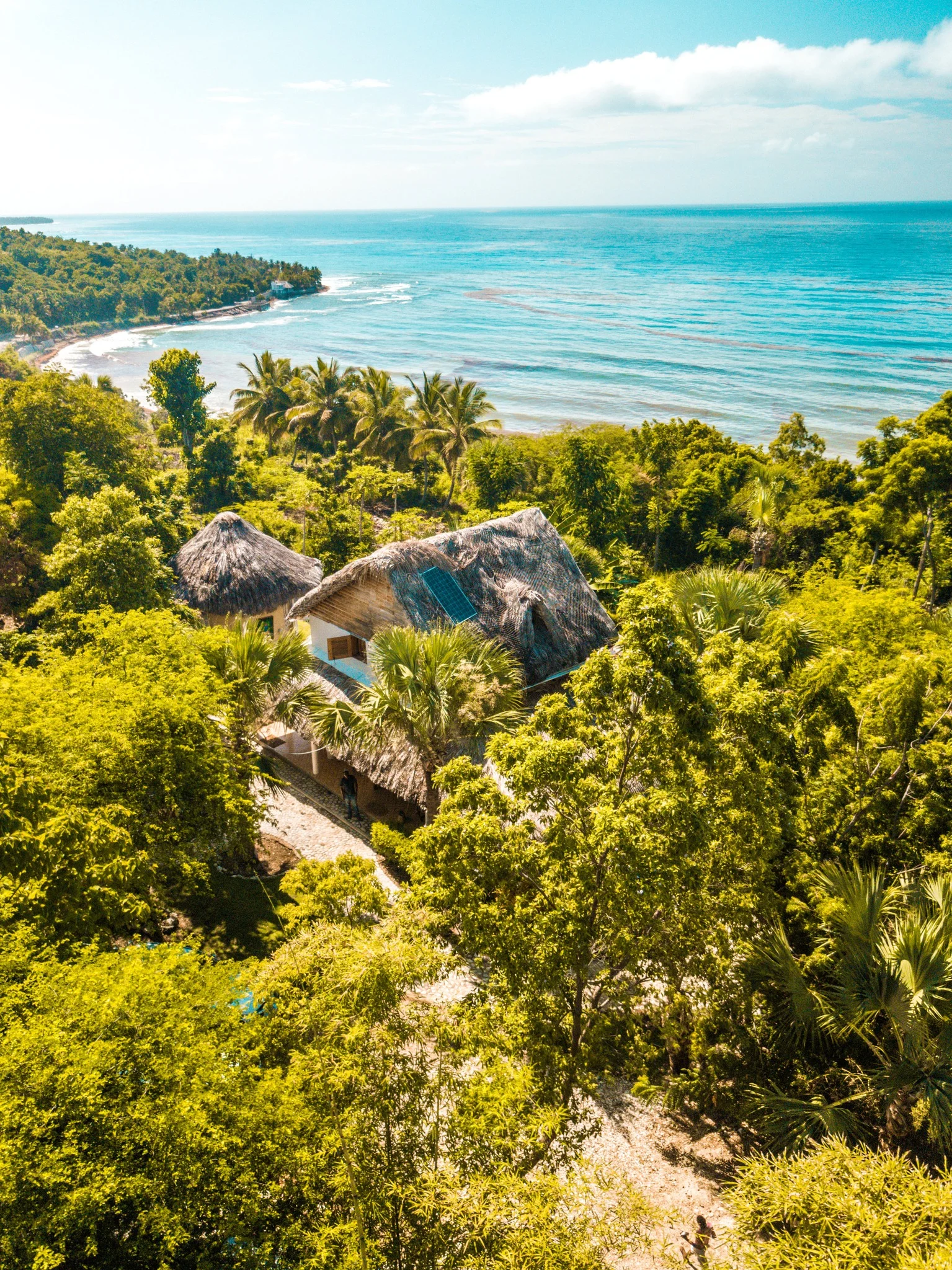
Haïti is blessed with spectacular natural landscapes, including white sand beaches, mountains and rich biodiversity.

Heritage

Heritage

Haïti has a rich historical heritage, including sites like the Citadelle Laferrière and the Sans-Souci Palace, listed as UNESCO World Heritage Sites.

Culture

Culture

Haïti has a rich and diverse culture, influenced by African, European and indigenous elements. Haitian music, dance, art and cuisine are celebrated around the world.

  • +
    • Post