contact@haitiwonderland.com+509 36184317

Discover

Shopping Cart

What Does December 25th Mean to Haitians?

What Does December 25th Mean to Haitians?

In Haiti, December 25th, Christmas Day, is much more than just a religious holiday. It is a date filled with traditions, cultural meanings, and moments of sharing. This article explores what this day means to Haitians and how it is celebrated throughout the country.

A Deep and Spiritual Religious Holiday

For most Haitians, December 25th is first and foremost a religious holiday, marking the birth of Jesus Christ. As a country where the Christian faith, particularly Catholicism and Protestantism, is central, Christmas is a sacred day.

Haitians gather in churches for special masses, often accompanied by Christmas carols, prayers, and Bible readings. These celebrations provide an opportunity to connect with their faith while sharing a spiritual moment with the community. Christmas mass is a tradition deeply rooted in the hearts of Haitians and is the highlight of the festivities.

See as well

Haïti
Haïti
Haïti

A Moment of Sharing with the Family

Beyond the religious dimension, December 25 is a day dedicated to family. Haitians take advantage of this holiday to gather with their loved ones around a festive meal. This moment is marked by warm exchanges, lively discussions and a deep feeling of gratitude.

The Christmas meal is a central element of this day. It often includes emblematic dishes such as griot, rice with peas, bananas weighed, potato bread and of course, the traditional soup joumou for some. Families take the time to cook together, strengthening family ties and perpetuating recipes and culinary traditions.

Haïti
Haïti
Haïti

A Day of Generosity and Solidarity

December 25 is also an opportunity to show generosity towards the most disadvantaged. In Haiti, Christmas celebrations are often marked by community initiatives: food distributions, gifts for underprivileged children, or the organization of collective meals.

Churches, associations and even families get involved to help those in need, thus illustrating the Christmas spirit which emphasizes sharing and solidarity. This generosity reinforces the sense of community which is at the heart of Haitian culture.

Haïti
Haïti
Haïti

A Day of Cultural and Festive Expressions

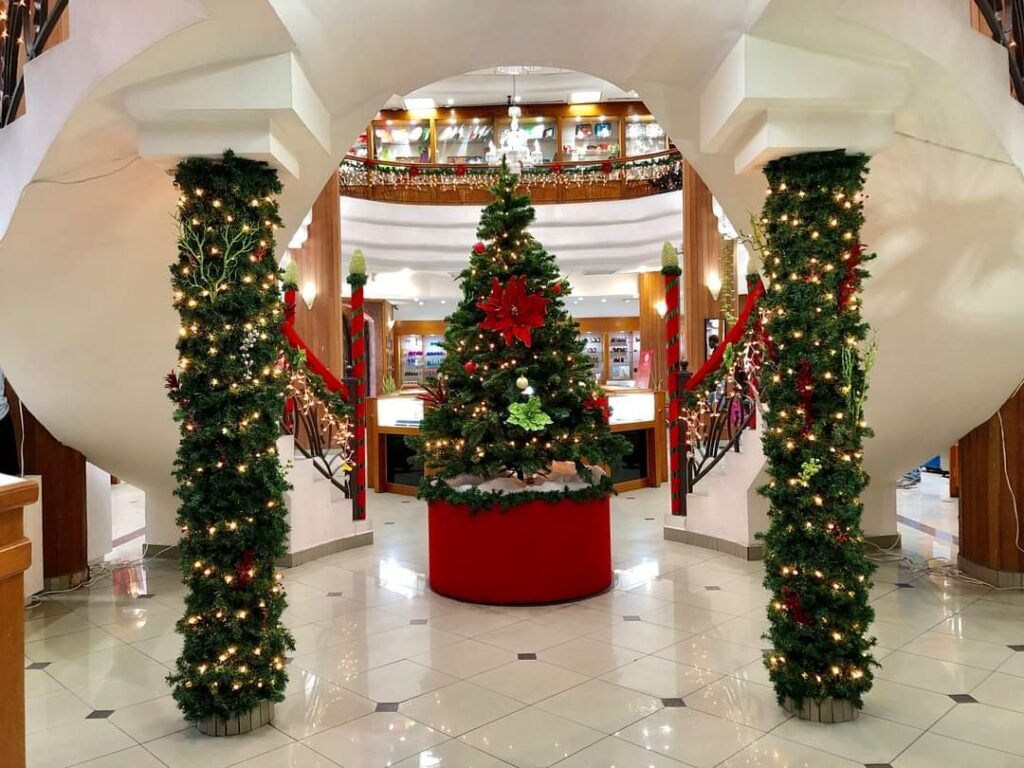
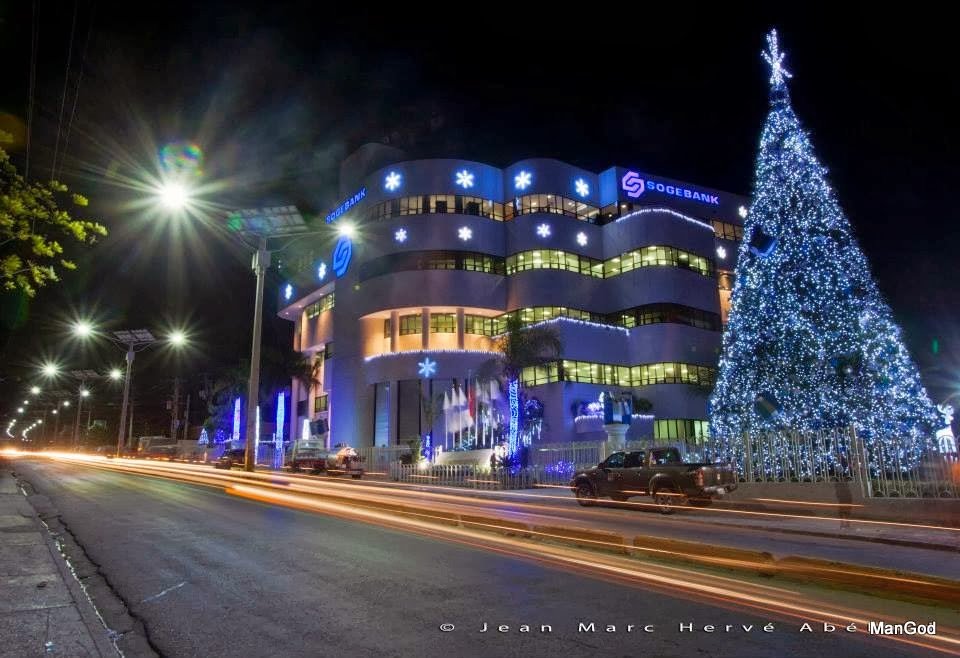
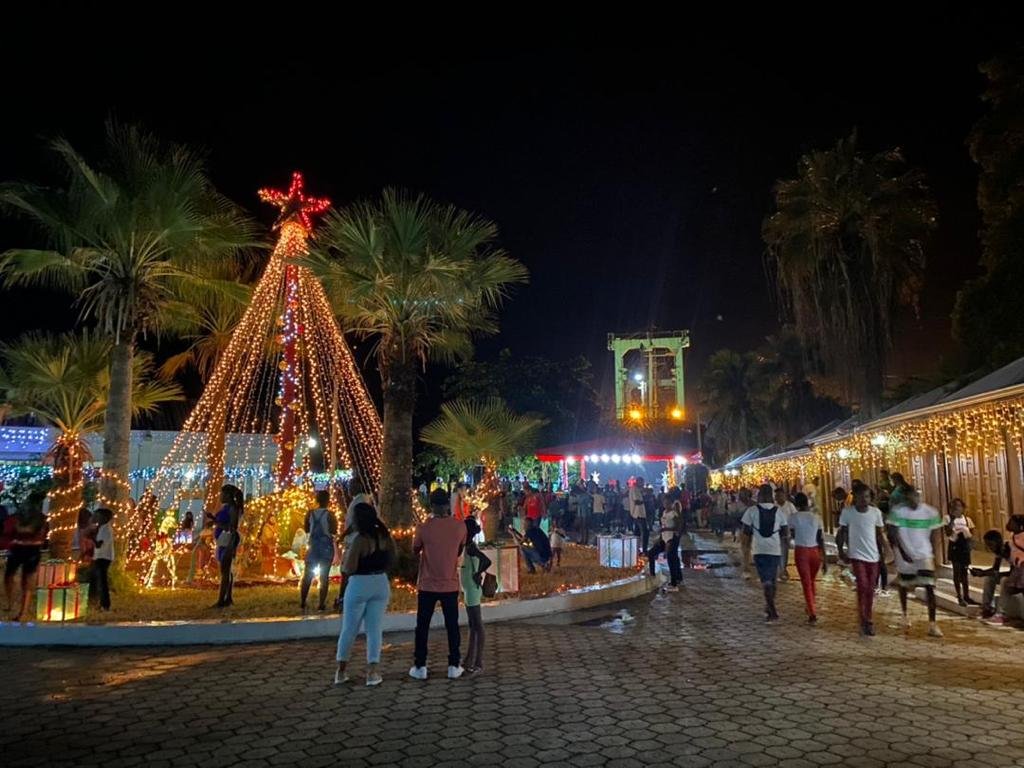
December 25 is also an opportunity for Haitians to express their creativity through music, dance and decorations. Christmas carols, whether traditional or modern, resonate in homes and neighborhoods. Families decorate their homes with lights, garlands, and sometimes even handmade nativity scenes, demonstrating their commitment to tradition.

Children play a central role in these celebrations, receiving gifts or surprises prepared by their parents. These moments of joy and laughter make December 25 a particularly magical day for the youngest.

Haïti
Haïti
Haïti

December 25: A Blend of Faith, Family, and Culture

For Haitians, December 25 is a day when faith, family, and culture intertwine to create a unique moment of celebration. It is an opportunity to reconnect with loved ones, share the values ​​of solidarity and generosity, and celebrate their cultural heritage.

Whether through masses, festive meals, Christmas carols, or charitable initiatives, Christmas in Haïti is a celebration rich in meaning and emotion. For Haitians, December 25 is not just a day, it is a celebration of life, love and hope.

Haitian traditions
Haitian traditions

Haitian traditions

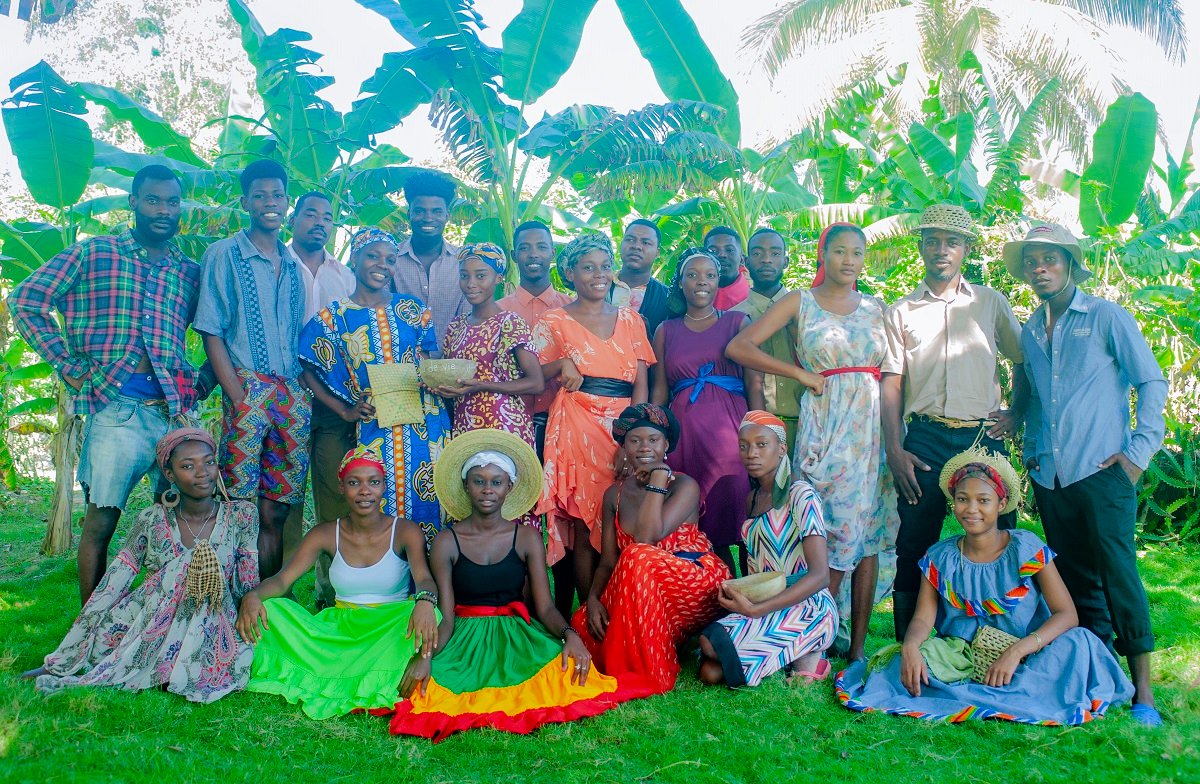
Haiti, the pearl of the Antilles, is a country rich in history and traditions. Its vibrant and diverse culture is reflected through its national holidays, cultural festivities, traditional foods, religious beliefs, folk tales, and traditional games. Let’s immerse ourselves in the social fabric of Haïti to discover the beauty of its traditions. b~National Holidays:~b National holidays in Haïti are moments of pride and national unity as January 1, Independence Day, commemorates the victory of Haitian slaves over French colonial forces in 1804, making Haïti the first independent country in Haiti. Latin America and the Caribbean or the commemoration of the Battle of Vertières on November 18. The Battle of Vertières was one of the last great battles of the revolution. It took place in Vertières, near the town of Cap-Haitien. b~Cultural Festivities:~b Haïti is also famous for its cultural festivities, particularly Carnival, which is an explosion of color, dance, and music. Artistic and craft events, such as the Rara festival, are an opportunity for artists to showcase their talent. The Rara, a musical parade, combines folklore and spirituality, creating a unique experience. b~Traditional Foods:~b Haitian cuisine is a delight for the taste buds. Dishes like griot (fried pork), diri djon djon (rice with black mushrooms), and the legendary joumou (joumou soup) are an integral part of Haitian culinary tradition. Bold flavors, spices and cooking methods inherited from African and French tradition make Haitian cuisine unforgettable. b~Vodou:~b Vodou, often misunderstood, is a synchretic religion that incorporates elements of Catholicism, African animism, and indigenous beliefs. It plays a significant role in the daily lives of Haitians, influencing music, dance, and religious rites. Vodou is a profound expression of Haitian spirituality. The Tales (Krik Krak, Tim Tim, Bwa Sèch): Haitian folk tales, passed down from generation to generation, are rich in morality and wisdom. b~Konbit :~b The concept of Konbit represents community solidarity. Haitians come together to perform community tasks, whether in agricultural fields or for construction projects. It is a living example of the collective spirit that permeates Haitian society. The most recent major project to date concerns the construction of the canal from the Massacre River to Ouanaminthe, which took place between September and December 2023. Thousands of inhabitants of the north of the country mobilized all their forces to erect a canal allowing to collect water intended for irrigation of their plantations, with the aim of obtaining better harvests. Despite their modest means, they were motivated by the slogan "KPK" (Kanal la pap kanpe), a direct response to Dominican President Luis Abinader who warned them and did everything in his power to stop the construction of the canal. This channel represents the deep solidarity of Haitians and reaffirms national pride. Despite economic challenges, the people of northern Haïti have demonstrated exceptional determination to work together for a common goal. The slogan “Kanal la pap kanpe” embodies their resilience in the face of external pressures and demonstrates their unwavering will to continue the construction of the canal. b~Traditional Games:~b Traditional games are an essential part of daily life in Haiti. Games like lido, sote kòd, Yoyo, Ralba, Marèl, TiTaTo, Kay, lago kache, Monte kap, teke mab, woule sèk, twa fwa se manbo, and domino bring people together, promoting camaraderie and fun. Haitian traditions are a harmonious blend of spirituality, community, and cultural diversity. Every aspect, from national holidays to traditional games, helps weave the rich cultural tapestry that makes Haïti proud. These traditions are the beating heart of the nation, a precious heritage that continues to be passed down from generation to generation.

Share
About the Author
Appolon Guy Alain
Appolon Guy Alain
Appolon Guy Alain

Full Stack Developer, Créatif, expérimenté, passionné des nouvelles technologies et de l’art.

See other articles from Appolon Guy Alain
Leave a comment

Recently Posted

The Republic of the Stateless?

Haïti is making headlines all over the world. And it’s not good news. The exploits of Haitians rarely generate so much interest, but we always tend to point out the excesses, spill ink to stir up thorns in the side, broadcast on loop to relay the chaos that is raging. There is hardly any media to make amends for the resilience of this cornered people. No one to highlight the fierce resistance that serves as fuel for this people hanging in the gorges of death. And what if it was to a certain extent the only way to talk about this country to finally attract attention? It is July 26, 2024. The Olympic Games have just started in France. The 33rd Olympiad of modern times. Without realizing it, according to Forbes Magazine, Haïti ranks among the ten nations with the best costume, proudly pointing to third place. At the same time, miles away from France, on “The Island of Skillfully Orchestrated Chaos,” Haitians do not even realize how much this recognition borders on irony. A paradox whose unpopular evocation is likely to greatly displease. An aerial image shows the city of Paris in all its splendor, illuminated like the gates of paradise, reflecting all the grandeur of France, all the magnificence it has acquired over the centuries, without forgetting the contribution of the blood shed by the horrible machine of colonization. I close my eyes, I go back in time, I see again this boy left to his own devices, lost without even knowing it, doomed to failure without even understanding it. And then there are the others. Boys in the same situation, or worse. Banished from society, they do not know what life has in store for them. They form the elegant class of the marginalized, in their quality of scoundrels, good-for-nothings, and thugs who spoil the splendor of society. This contrast challenges me, and I wonder for a moment if those who live the chaos from the outside grasp the stakes and the reality of the situation. Moreover, it seems to me that even the majority of Haitians living in the territory have no notion of the fundamental and essential aspects of the situation.

Newsletter

Subscribe to our newsletter to stay informed of all our activities and news on Haiti.

Recently Posted

History

History

First black nation to free itself from slavery and gain independence from France in 1804 and influenced other liberation movements around the world, inspiring struggles for freedom and equality.

Natural beauty

Natural beauty

Haïti is blessed with spectacular natural landscapes, including white sand beaches, mountains and rich biodiversity.

Heritage

Heritage

Haïti has a rich historical heritage, including sites like the Citadelle Laferrière and the Sans-Souci Palace, listed as UNESCO World Heritage Sites.

Culture

Culture

Haïti has a rich and diverse culture, influenced by African, European and indigenous elements. Haitian music, dance, art and cuisine are celebrated around the world.

  • +
    • Post