contact@haitiwonderland.com+509 36184317

Discover

Shopping Cart

What are the special elements of Haitian cuisine?


What are the special elements of Haitian cuisine?

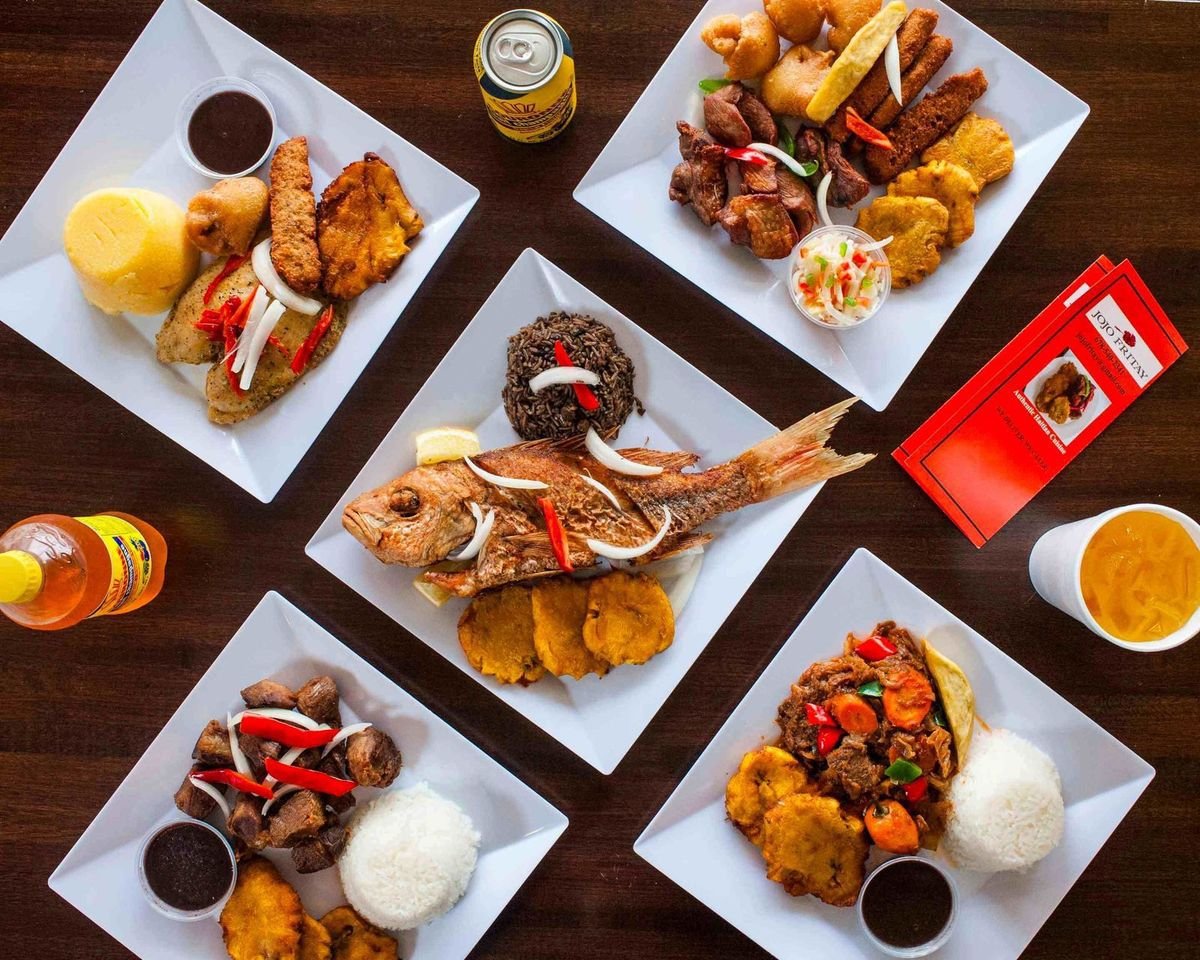
Haitian cuisine, with its blend of spices, flavors, and traditions, occupies a unique place in the Caribbean culinary panorama. Rooted in centuries of history and cultural influences, it is distinguished by several elements that make it exceptional. Let’s discover what makes Haitian gastronomy unique.

Haïti
Haïti
Haïti

1. A masterful use of spices

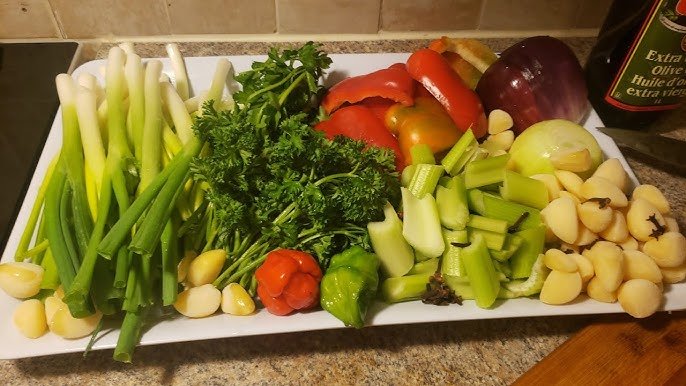
Spices occupy a central place in Haitian cuisine. Epis, a seasoning blend composed of garlic, parsley, chili pepper, cloves, onion, and lime, is the secret ingredient used in almost every dish. This aromatic blend gives Haitian cuisine an incomparable depth of flavor.

The use of scotch bonnet pepper is also characteristic: it brings a controlled heat that enhances dishes without overpowering them.

Haïti
Haïti
Haïti

2. Complex Flavored Stews

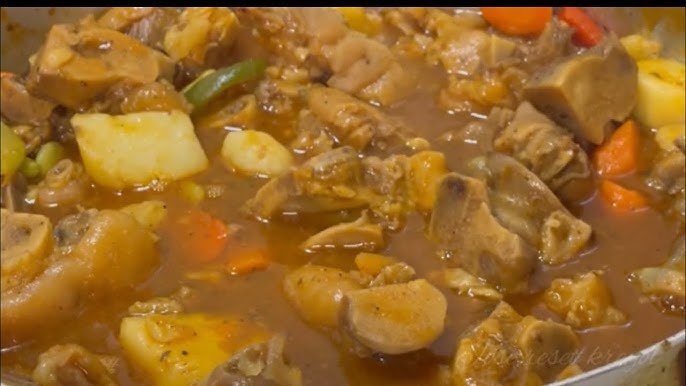
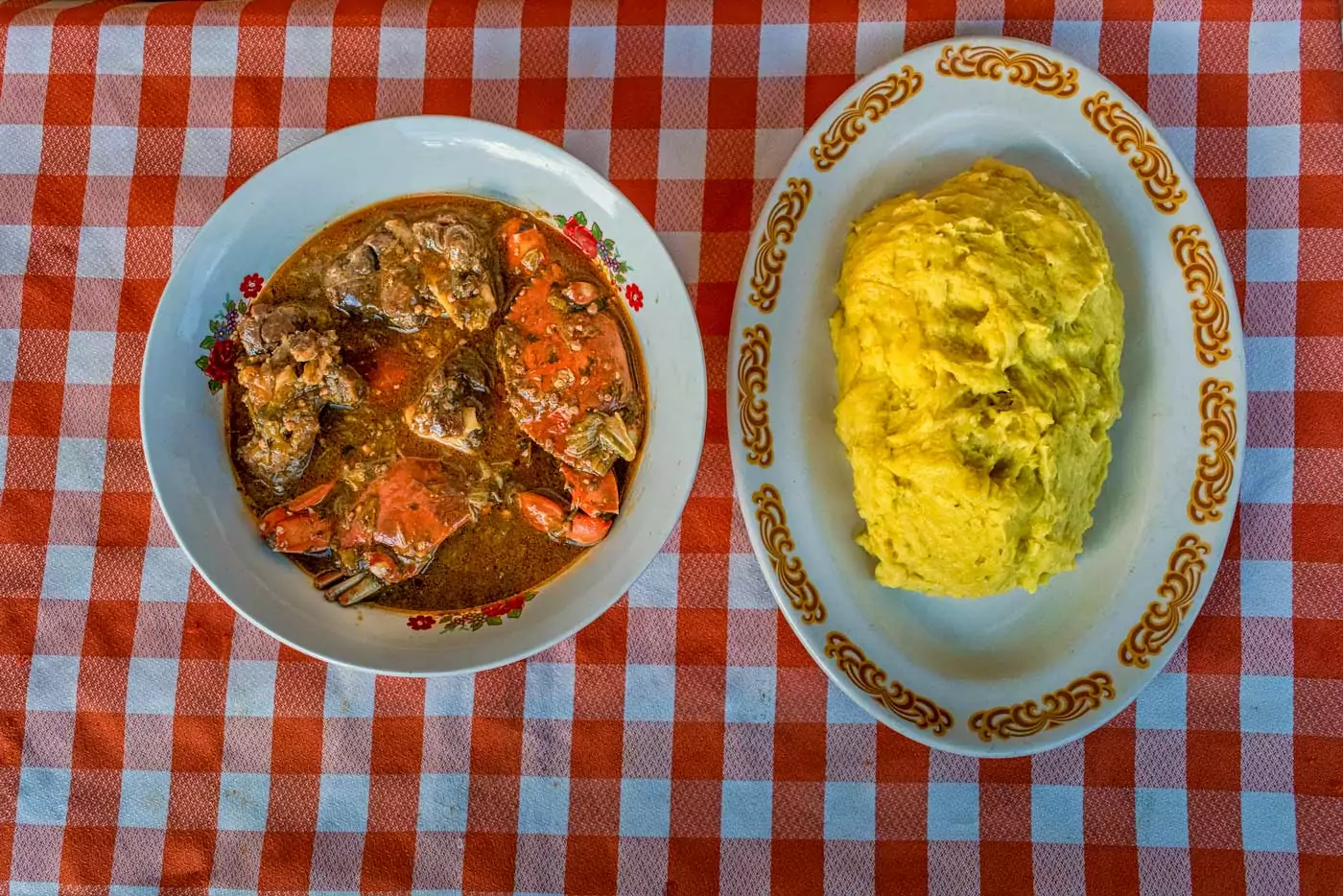
Haitians excel at the art of stewing their dishes. Whether it’s a meat stew like tassot (dried and fried meat) or lalo (jute leaf stew), stewed dishes are carefully prepared to allow the flavors to develop slowly.

The thick, well-seasoned sauces that accompany these dishes are often the result of slow cooking, allowing the flavors to blend harmoniously.

Haïti
Haïti
Haïti

3. A Fusion of Cultural Influences

Haitian cuisine is a reflection of the country’s history. It is the result of a blend of African, French, Spanish, and indigenous influences. African cooking techniques combine with the elegance of European dishes and local ingredients to create a unique gastronomy.

For example, dishes like djon djon rice (black mushroom rice) perfectly illustrate this fusion by combining indigenous ingredients with traditional preparation methods.

Haïti
Haïti
Haïti

4. A diet based on local products

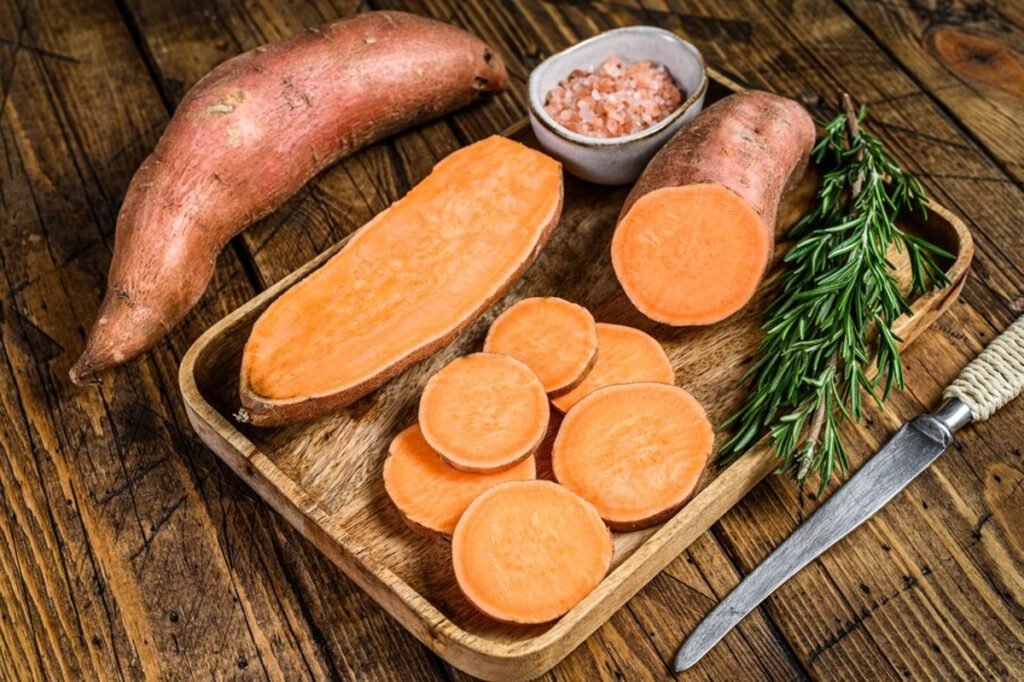
Haitian cuisine values ​​local products, highlighting ingredients such as sweet potatoes, yams, cassava, pumpkins, and of course, tropical fruits such as mango, papaya and banana.

These fresh products, often cultivated in an artisanal way, guarantee dishes rich in natural flavors and nutrients.

Haïti
Haïti
Haïti

5. Varied and essential accompaniments

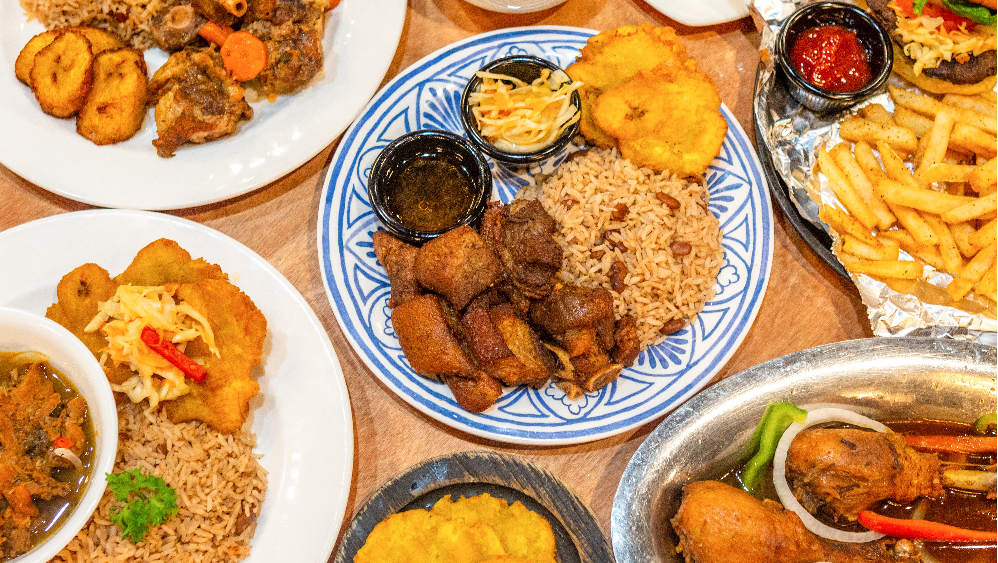
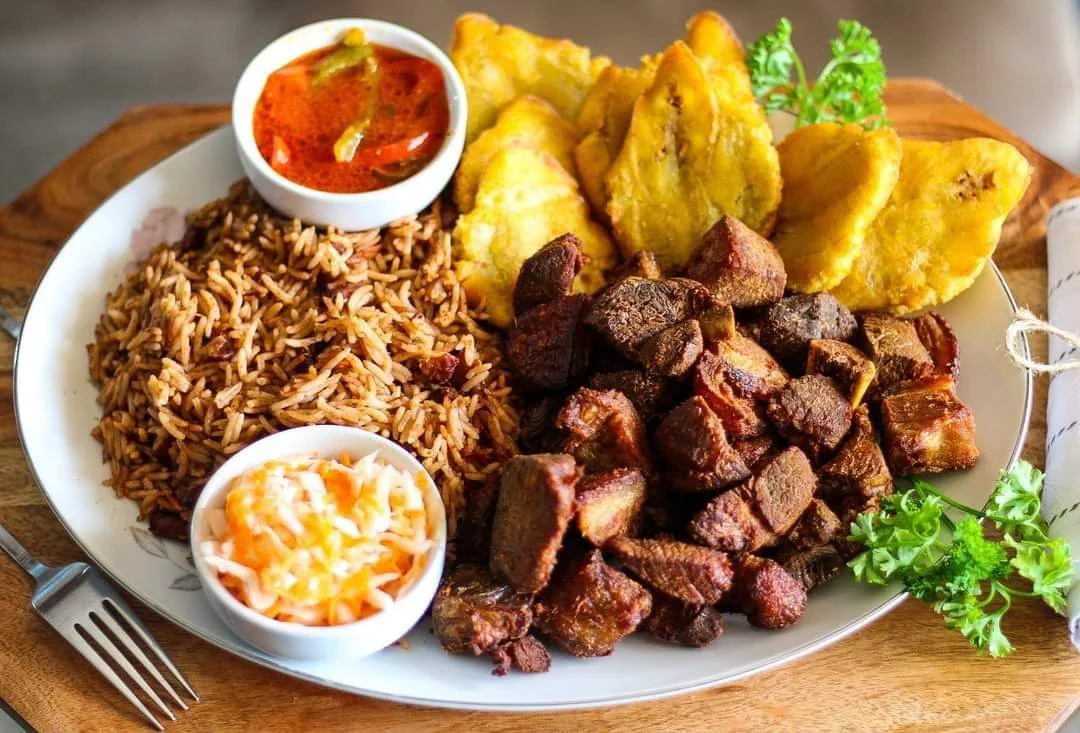
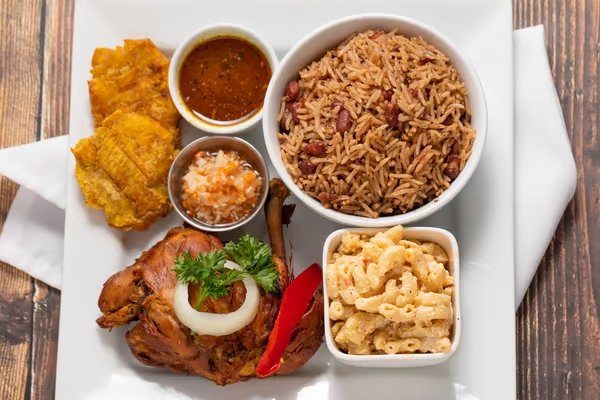
Rice is the king of accompaniments in Haiti, often served with red peas, black peas or lentils. However, banana pesées (fried plantains), mayi moulen (corn polenta), and sautéed vegetables are also very popular accompaniments that bring diversity to meals.

Haïti
Haïti
Haïti

6. A culinary tradition deeply rooted in celebrations

Celebrations in Haïti are synonymous with special dishes. Soup joumou, served on Independence Day on January 1, is a symbol of freedom and resilience.

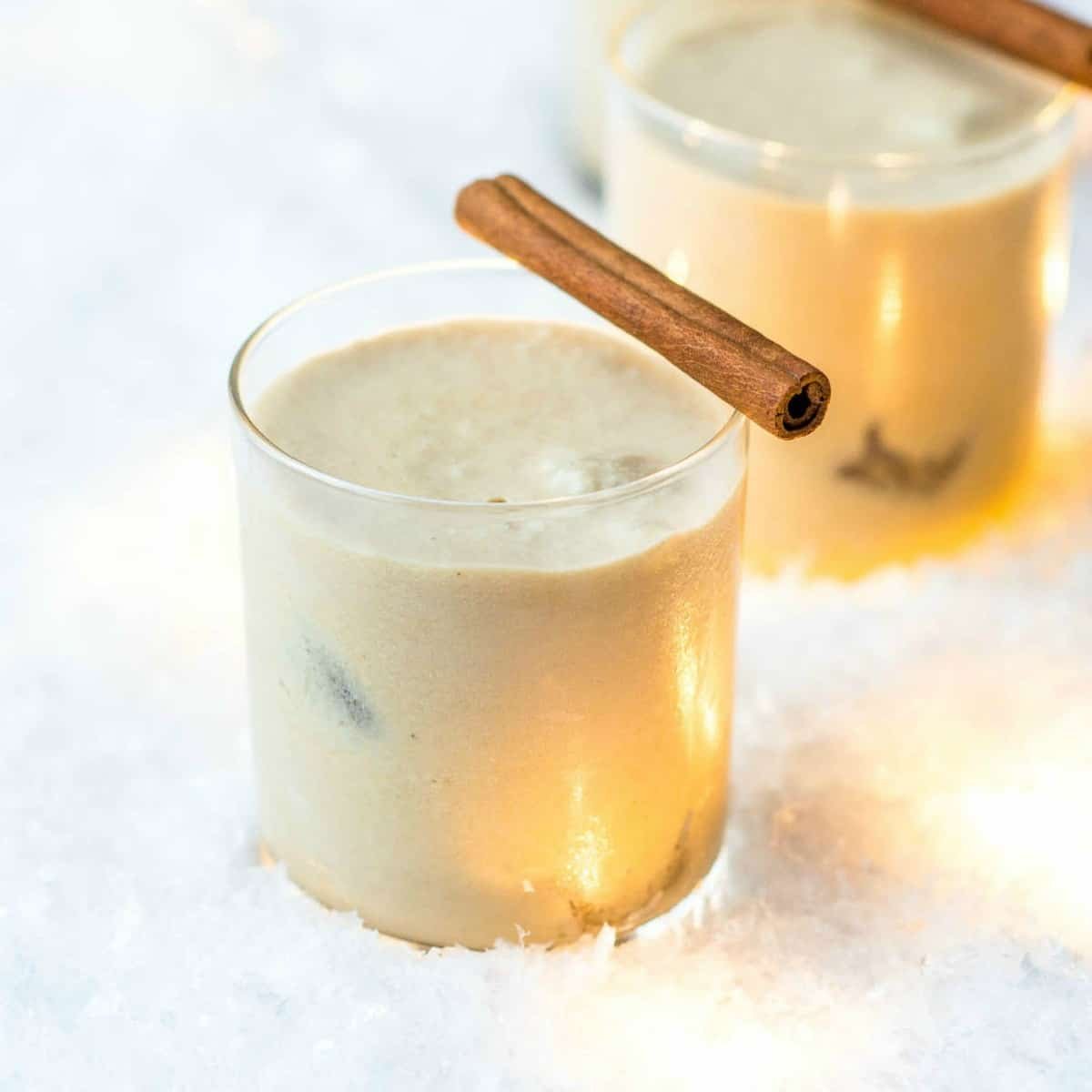
During Christmas, delicacies like kremas (a sweet drink made with coconut milk and rum) and pain patate (sweet potato cake) are a must. These festive dishes strengthen family and cultural ties.

Haïti
Haïti
Haïti

7. A special focus on sharing and conviviality

In Haiti, meals are not only about food, but also about moments of sharing. Whether with family or friends, the Haitian table is always a place of conviviality where dishes are prepared and savored with love.

Haïti
Haïti
Haïti

A cuisine full of character

Haitian cuisine is distinguished by its richness, authenticity and its ability to tell the story and culture of a people. Spices, simmered dishes, multicultural influences and the freshness of local ingredients form a whole that makes this gastronomy a treasure to discover.

Whether you taste a piece of griot accompanied by pikliz or savor a bowl of soup joumou, each bite immerses you in the warm and generous soul of Haiti.

Share
About the Author
Appolon Guy Alain
Appolon Guy Alain
Appolon Guy Alain

Full Stack Developer, Créatif, expérimenté, passionné des nouvelles technologies et de l’art.

See other articles from Appolon Guy Alain
PTS Terbaik

Me gusta especialmente cómo resalta el uso magistral de las especias como el epis y la pimienta escocesa, que dan personalidad y profundidad a cada plato.
Visítanos Telkom University Jakarta

July 08, 2025 - 05:37:39 AM
Leave a comment

Recently Posted

Haiti: Carnival and Rara: Crossed Perspectives on Culture and Haitian Identity

In our tradition, carnival represents an essential cultural activity. Indeed, for the holding of it this year, the State had drawn from the public treasury not only a huge sum but also a strong concentration of law enforcement to ensure the protection and security of carnival-goers in the area. metropolitan. Despite numerous criticisms and concerns expressed by certain media on the one hand, then on the other hand by the democratic opposition. While it is true that in Port au Prince these concerns had had a no less valuable consequence on the progress of this festivity. It is no less true that this was the case in other provincial towns, as proof in the southeast department the authorities did not record anything as an element of accident or incident during the progress of the carnival unlike Port au Prince. Certainly, socio/economic problems are increasingly worrying, nevertheless what makes us what we are today, a free and independent people is none other than our exceptionality. This deeply expresses our intrinsic characteristic in relation to people. In fact, historically we are a people who laugh and cry, smile and irritate, dance and hit the system, sing and fight so well that "grenadya alaso sa ki mouri zafè ya yo" is the most emblematic song of the slaves for the conquest of our freedom. We do not intend to claim that those who expressed their disagreement with the carnival are showing a historical deficit. However, we leave in the shadows a fundamental question: why is carnival taken care of by the State while the rara is like an abandoned child? The rara is not only a simple cultural tradition but, above all, it is the heritage of our valiant warriors who bravely fought the French expeditionary army, the most powerful of the time. While, this mass cultural, she is still marginalized by state authorities. It is emphasized that social cohesion is the dead point of carnival. On the other hand, this is the strong point of rara. As proof, the Thursday of the Dead in our Voudouesque tradition which represents the opening ceremony for the rara bands is the blatant testimony of this social cohesion. And, in fact, there were circles of people who took divergent directions to attend the opening ceremony of their rara bands. For this opening ceremony the atmosphere was a taste of carnival in terms of color. On the side of Croix Hilaire, for the title champion Ratyèfè full force band, the color of his club was very diverse, a long dress of apricot yellow, mauve white, then white scarf. In terms of performance, this band had completely proven its champion skills thanks to its arsenal of musicians who were not in their testing phase. To tell the truth, they performed their note with surgical precision as a doctor-surgeon in his surgical procedure. The synchronization between the musicians, the instruments and then the fans form a whole and harmonize perfectly well. This band not only has the magic of words and verbs, it seems that they also have the magic to thrill even the most reluctant fans. Moreover, his performance for this dead Thursday was a challenge for his rivals this weekend to the extent that their performances were less good. On the symbol side of light, Grap Kenèp was the wonder of the Thursday evening of the dead. His club dressed in the appropriate color for this evening, purple scarf, purple jersey, then white “kolan”. In a symbolic way, this marriage of color represents Baron in Haitian Vodou. Without a doubt, it was the most beautiful symbolic representation of the evening. In terms of performance, returning from the cemetery we felt a very strong warmth of jubilation, elation, and playfulness for a completely balanced performance. As far as Chenn Tamarin is concerned, it was already 2 a.m. when our team met him, it was a less good performance than what we were accustomed to. On the symbolic side it leaves something to be desired. His news was that he had his own media. Petit-Goave/Culture and Society

Newsletter

Subscribe to our newsletter to stay informed of all our activities and news on Haiti.

Recently Posted

History

History

First black nation to free itself from slavery and gain independence from France in 1804 and influenced other liberation movements around the world, inspiring struggles for freedom and equality.

Natural beauty

Natural beauty

Haïti is blessed with spectacular natural landscapes, including white sand beaches, mountains and rich biodiversity.

Heritage

Heritage

Haïti has a rich historical heritage, including sites like the Citadelle Laferrière and the Sans-Souci Palace, listed as UNESCO World Heritage Sites.

Culture

Culture

Haïti has a rich and diverse culture, influenced by African, European and indigenous elements. Haitian music, dance, art and cuisine are celebrated around the world.

  • +
    • Post