contact@haitiwonderland.com+509 36184317

Discover

Shopping Cart

Haitian Cuisine: 10 Must-Eat Drinks and Desserts for an Authentic Christmas

Haitian Cuisine: 10 Must-Eat Drinks and Desserts for an Authentic Christmas

Christmas in Haïti is not limited to festivities and traditional songs. It is also an explosion of flavors, with typical desserts and drinks that delight the taste buds and add a unique touch to the celebrations. Discover 10 must-haves of Haitian gastronomy for an authentic and gourmet Christmas.

Haïti
Haïti
Haïti

1. Dous Makòs

A true emblem of Haitian confectionery, dous makòs is a sweet dessert made from condensed milk, sugar and spices. This tricolor fudge, originally from Petit-Goâve, is appreciated for its melting texture and deliciously rich taste.

Present on all tables during the holidays, it is often shared as a sweet that symbolizes conviviality.

Haïti
Haïti
Haïti

2. Pain Patate

Pain patate is a traditional dessert prepared with sweet potatoes, coconut milk, spices, and sometimes raisins. Its soft texture and warm aromas make it a favorite during Christmas celebrations.

Served warm, this cake is a true ode to sweetness and a must-have for festive evenings in Haiti.

Haïti
Haïti
Haïti

3. Bonbon Syrup

With its intense molasses flavor and slightly crunchy consistency, bonbon syrup is an artisanal treat that recalls the flavors of yesteryear. Prepared with cane sugar, ginger, and spices, this dessert is both simple and rich in flavor.

Its popularity during Christmas reflects Haitians’ attachment to culinary traditions passed down from generation to generation.

Haïti
Haïti
Haïti

4. Akasan

Akasan is a creamy, slightly sweet drink made from corn flour, milk, and spices like cinnamon and nutmeg. Consumed hot, it is ideal for cool December evenings.

It is often shared with family, creating moments of complicity around this comforting and nutritious drink.

Haïti
Haïti
Haïti

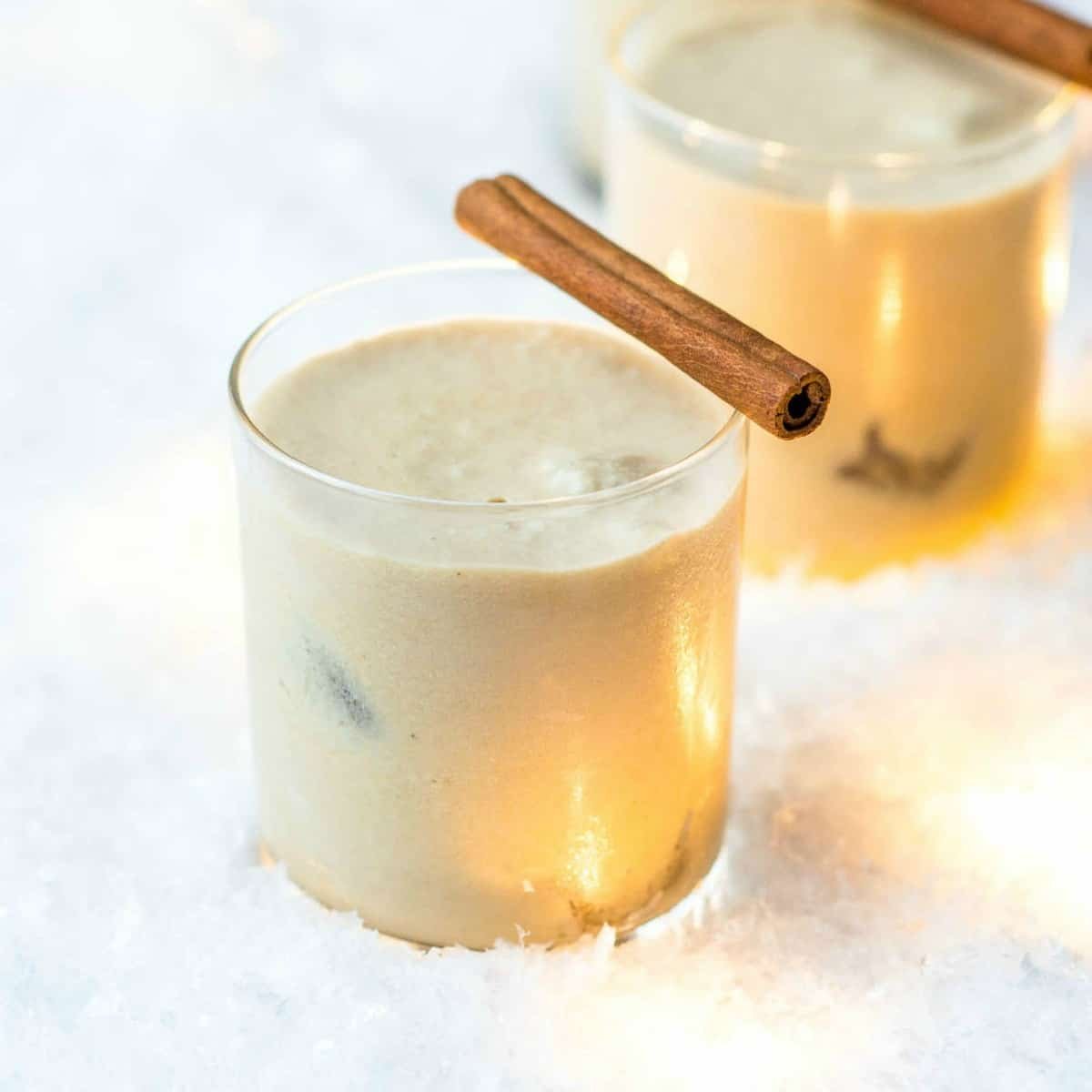
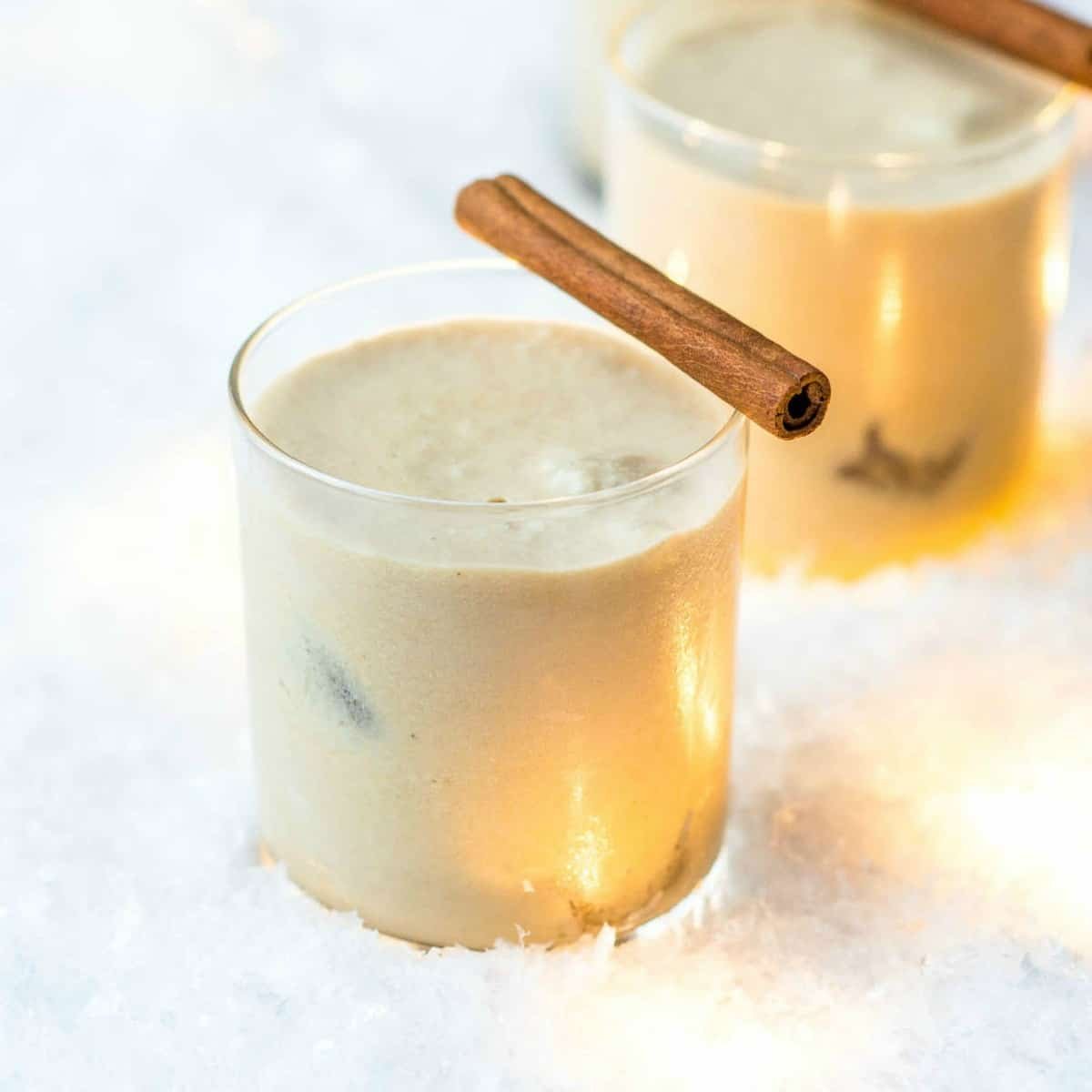
5. Kremas

No Christmas celebration in Haïti is complete without the famous kremas. This creamy blend of condensed milk, coconut milk, rum, and spices is a festive drink par excellence.

Its sweet and slightly alcoholic taste makes it a real treat, appreciated by young adults as well as elders.

Haïti
Haïti
Haïti

6. Konparèt

Originally from the South of Haiti, konparèt is a dense and spicy pastry made with flour, coconut, and ginger. With its strong taste and unique texture, it is perfect to accompany a cup of tea or coffee during the holidays.

Its longevity as a traditional dessert is a testament to its cultural importance and irresistible character.

Haïti
Haïti
Haïti

7. Tablèt Cocoye

Tablèt cocoye is a treat made with grated coconut, sugar, and sometimes spices like vanilla. This crunchy dessert is both simple to prepare and extremely tasty.

Ideal for snacking between meals, it is one of those little sweets that reminds us of childhood and shared moments of happiness.

Haïti
Haïti
Haïti

8. Pistach Tablèt

Similar to the cocoye tablèt, but made with peanuts, the pistach tablèt is an irresistible treat. With its mixture of caramelized sugar and roasted peanuts, it combines crunch and deliciousness.

Very popular during Christmas, it is often offered as a gourmet gift.

Haïti
Haïti
Haïti

9. Chadeque Jam

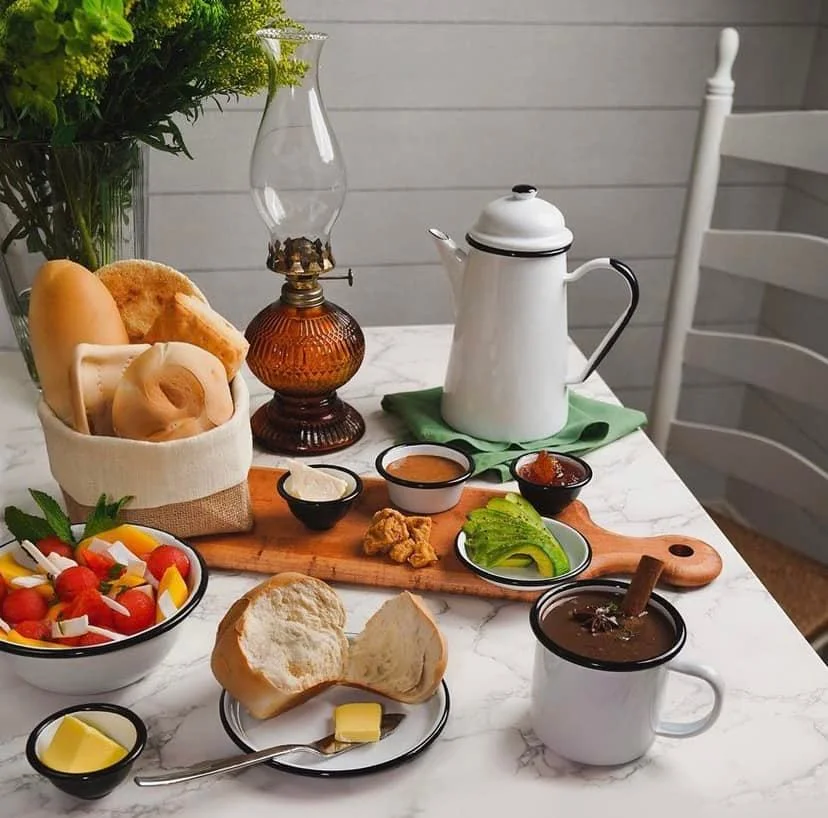
Chadeque jam, prepared from Haitian grapefruit, is a slightly bitter and sweet treat. Spread on bread or eaten with a spoon, it brings a refined touch to any Christmas meal.

Its artisanal preparation and unique taste make it a true culinary treasure.

Haïti
Haïti
Haïti

10. Bonbon Amidon

Bonbon amidon is a delicate dessert, made from corn starch, milk and sugar. Its melting texture and slightly sweet taste make it a subtle sweetness that appeals to all ages.

This candy, often served during special occasions, is a symbol of sharing and generosity.

An Explosion of Flavors for an Authentic Christmas

Christmas desserts and drinks in Haïti are not simple dishes: they tell stories, transmit traditions and bring people together. Each bite is a celebration of Haitian culture, rich in tastes and authenticity.

This holiday season, indulge in these local sweets and discover all the richness of Haitian cuisine through its must-have desserts and drinks. Share them with your loved ones for a memorable Christmas, marked by generosity and gourmet pleasure.

Share
About the Author
Appolon Guy Alain
Appolon Guy Alain
Appolon Guy Alain

Full Stack Developer, Créatif, expérimenté, passionné des nouvelles technologies et de l’art.

See other articles from Appolon Guy Alain
Leave a comment

Recently Posted

Newsletter

Subscribe to our newsletter to stay informed of all our activities and news on Haiti.

Discover the Hidden Gem of Caracol: A Peaceful Haven in Haiti

Nestled in the enchanting embrace of Haiti’s North East department lies a true marvel – Caracol. This picturesque area is more than just a destination; it’s a sanctuary where tranquility dances in harmony with the gentle whispers of nature. From the chirping of content birds to the warm smiles of its inhabitants, Caracol is a true wonderland waiting to be explored. One of the most captivating aspects of Caracol is its serene ambiance. Here, peace isn’t just a concept; it’s a way of life. Even the birds seem to sing with an extra ounce of joy, as if they’ve found their own slice of paradise amidst the lush greenery. Stepping into Caracol feels like entering a world where time slows down, allowing you to embrace the simple pleasures of life. But what truly sets Caracol apart is its people – kind-hearted souls who find solace in the simplicity of their daily lives. Engaged in activities like fishing and gardening, they embody a deep connection to the land that sustains them. And amidst it all, the industrious spirit of Caracol shines through, with the industrial parc serving as a beacon of progress and opportunity for the community. Yet, amidst the tranquil rhythm of everyday life, Caracol pulsates with the vibrant energy of Haitian culture. Voodoo, an integral part of local life, weaves its mystical threads into the fabric of daily rituals and traditions. And come July, the entire community comes alive with patronal celebrations that draw Haitian diaspora from every corner of the globe. It’s a time of joyous reunions, where cultural immersion meets spirited competitions, from exhilarating running races to thrilling boat races on the sparkling waters. As the sun sets on another day in Caracol, the excitement doesn’t end – it transforms. Carnival season, known as "mardi gras," casts its spell over the land, igniting the imaginations of children who eagerly don disguises and wield whips to make merry mischief. Laughter fills the air as they chase each other, their gleeful shrieks echoing through the streets, creating memories that will last a lifetime. In Caracol, every moment is a celebration, every day a testament to the resilience and warmth of its people. So, whether you’re seeking a tranquil retreat or a cultural adventure, Caracol invites you to discover its hidden wonders and experience the magic for yourself. After all, in this captivating corner of Haiti, every day is a journey into the heart of paradise.

Jacmel: the Haitian city whose history is linked to the liberation of Latin America

Jacmel is a city located on the southern coast of Haiti, specifically in the southeastern department. To this day, the city is known for its well-preserved colonial architecture and rich historical heritage, as well as its carnival, one of the most famous in the Caribbean. Jacmel is one of the oldest cities in Haiti. Its origins, according to some historians, trace back to the time of the Taíno people, the island’s first inhabitants, who lived here long before the arrival of Christopher Columbus and his settlers in 1492. Long before it became Jacmel, this city in southeastern Haïti was called Yakimel. The renaming of Jacmel was carried out by the French during their colonization of the western part of the island of Hispaniola. Over the years, Jacmel has transformed into a city where living well blends with the beauty of the sea, in the hearts of its visitors. Nature is fully embraced here, and the sea remains a source of joy throughout the day. Jacmel offers all of this, in addition to its glorious past, which anchors it as a major location in Haiti’s grand history. With its unique charm, Jacmel is among the Haitian cities that can leave a lasting impression. In the 1950s and 60s, until the early 1980s, Jacmel was one of the most popular tourist destinations in the Caribbean due to its reputation as a city with unmatched natural beauty and grace. During this time, the Jacmel coastline warmly welcomed cruise ships filled with tourists from all corners of the world. It was also during this period that Jacmel was one of the most commercially active cities in Haiti, among the country’s most economically flourishing, thanks to the significant influx of tourists.

Recently Posted

History

History

First black nation to free itself from slavery and gain independence from France in 1804 and influenced other liberation movements around the world, inspiring struggles for freedom and equality.

Natural beauty

Natural beauty

Haïti is blessed with spectacular natural landscapes, including white sand beaches, mountains and rich biodiversity.

Heritage

Heritage

Haïti has a rich historical heritage, including sites like the Citadelle Laferrière and the Sans-Souci Palace, listed as UNESCO World Heritage Sites.

Culture

Culture

Haïti has a rich and diverse culture, influenced by African, European and indigenous elements. Haitian music, dance, art and cuisine are celebrated around the world.

  • +
    • Post