contact@haitiwonderland.com+509 36184317

Discover

Shopping Cart

Haitian Cuisine: 10 Must-Eat Drinks and Desserts for an Authentic Christmas

Haitian Cuisine: 10 Must-Eat Drinks and Desserts for an Authentic Christmas

Christmas in Haïti is not limited to festivities and traditional songs. It is also an explosion of flavors, with typical desserts and drinks that delight the taste buds and add a unique touch to the celebrations. Discover 10 must-haves of Haitian gastronomy for an authentic and gourmet Christmas.

Haïti
Haïti
Haïti

1. Dous Makòs

A true emblem of Haitian confectionery, dous makòs is a sweet dessert made from condensed milk, sugar and spices. This tricolor fudge, originally from Petit-Goâve, is appreciated for its melting texture and deliciously rich taste.

Present on all tables during the holidays, it is often shared as a sweet that symbolizes conviviality.

Haïti
Haïti
Haïti

2. Pain Patate

Pain patate is a traditional dessert prepared with sweet potatoes, coconut milk, spices, and sometimes raisins. Its soft texture and warm aromas make it a favorite during Christmas celebrations.

Served warm, this cake is a true ode to sweetness and a must-have for festive evenings in Haiti.

Haïti
Haïti
Haïti

3. Bonbon Syrup

With its intense molasses flavor and slightly crunchy consistency, bonbon syrup is an artisanal treat that recalls the flavors of yesteryear. Prepared with cane sugar, ginger, and spices, this dessert is both simple and rich in flavor.

Its popularity during Christmas reflects Haitians’ attachment to culinary traditions passed down from generation to generation.

Haïti
Haïti
Haïti

4. Akasan

Akasan is a creamy, slightly sweet drink made from corn flour, milk, and spices like cinnamon and nutmeg. Consumed hot, it is ideal for cool December evenings.

It is often shared with family, creating moments of complicity around this comforting and nutritious drink.

Haïti
Haïti
Haïti

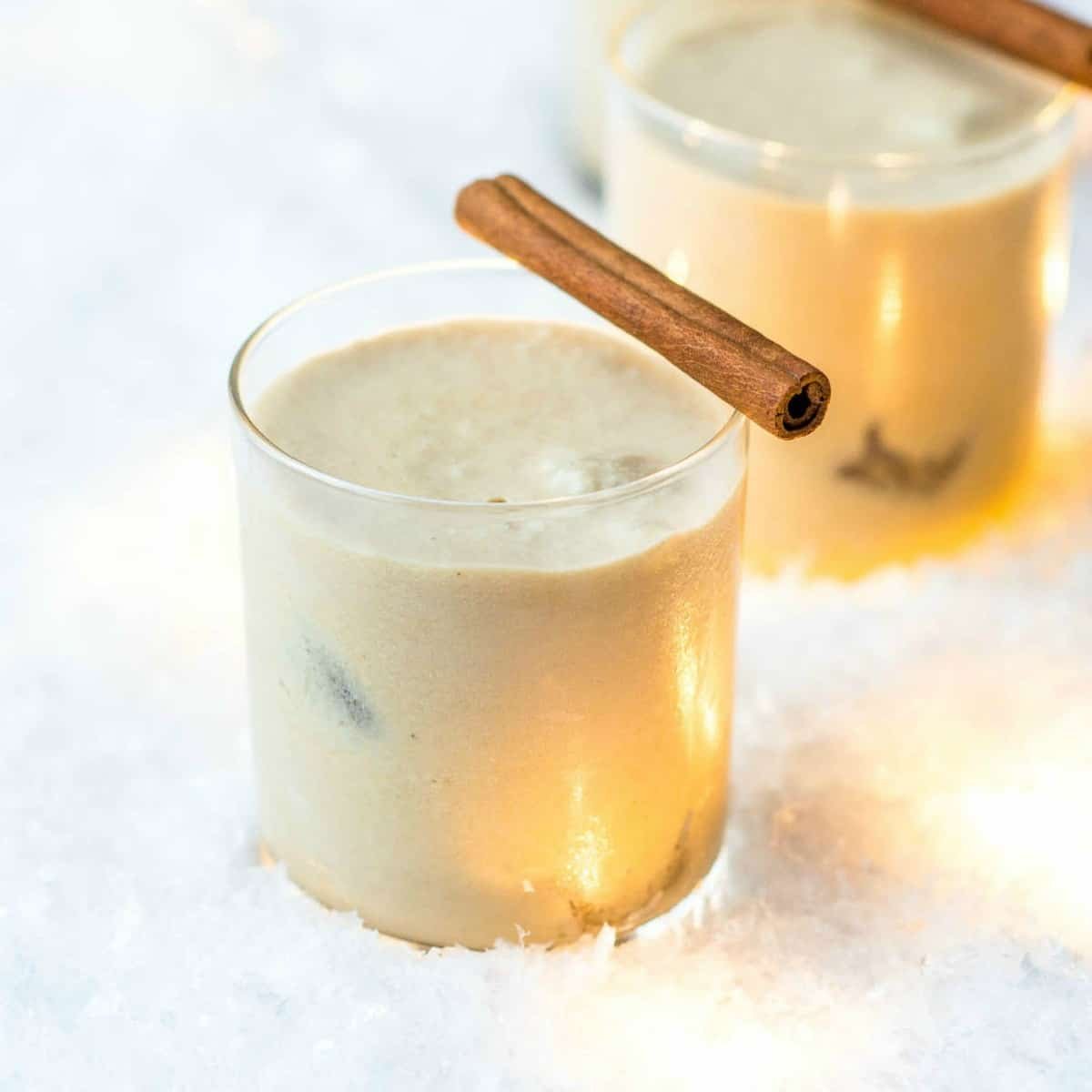
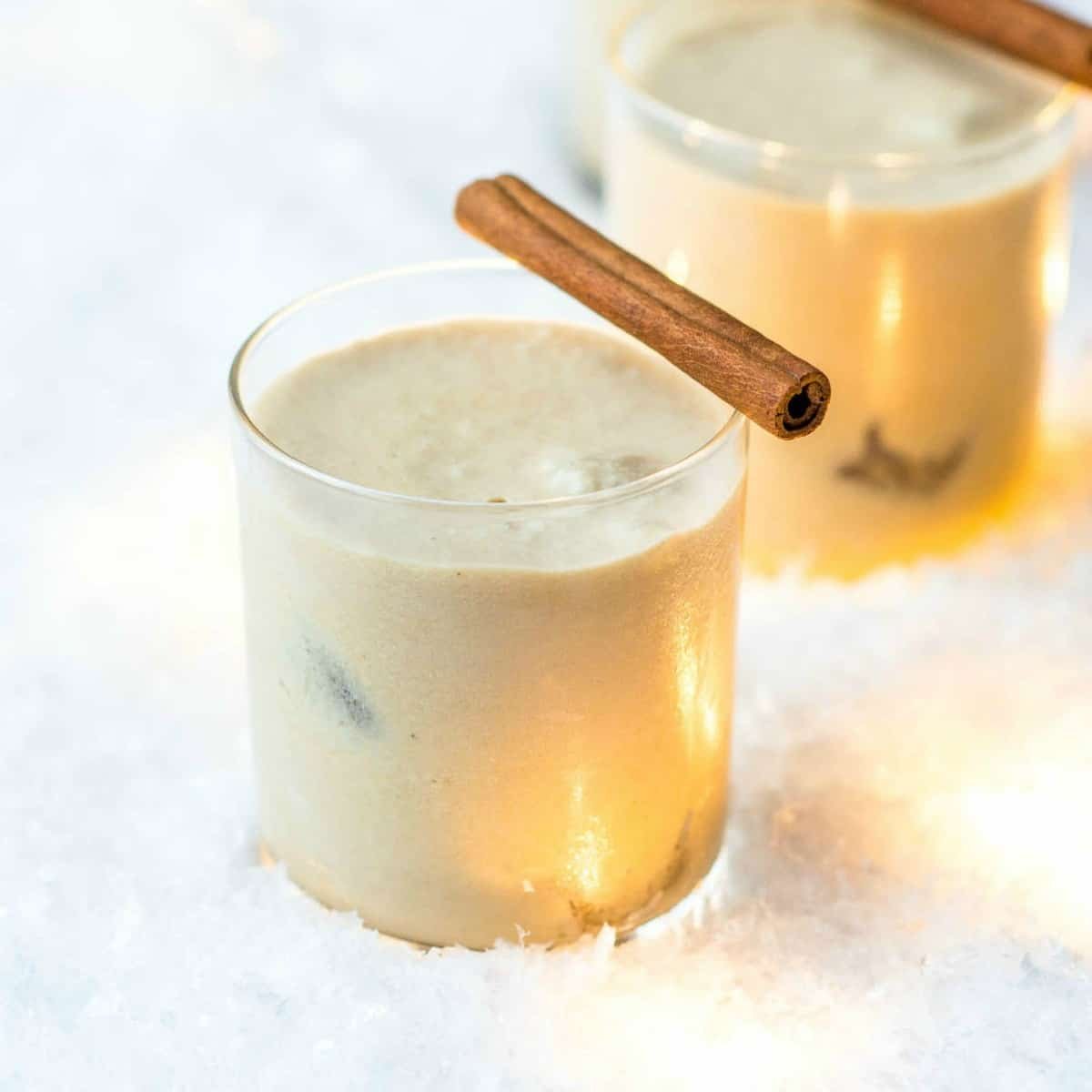
5. Kremas

No Christmas celebration in Haïti is complete without the famous kremas. This creamy blend of condensed milk, coconut milk, rum, and spices is a festive drink par excellence.

Its sweet and slightly alcoholic taste makes it a real treat, appreciated by young adults as well as elders.

Haïti
Haïti
Haïti

6. Konparèt

Originally from the South of Haiti, konparèt is a dense and spicy pastry made with flour, coconut, and ginger. With its strong taste and unique texture, it is perfect to accompany a cup of tea or coffee during the holidays.

Its longevity as a traditional dessert is a testament to its cultural importance and irresistible character.

Haïti
Haïti
Haïti

7. Tablèt Cocoye

Tablèt cocoye is a treat made with grated coconut, sugar, and sometimes spices like vanilla. This crunchy dessert is both simple to prepare and extremely tasty.

Ideal for snacking between meals, it is one of those little sweets that reminds us of childhood and shared moments of happiness.

Haïti
Haïti
Haïti

8. Pistach Tablèt

Similar to the cocoye tablèt, but made with peanuts, the pistach tablèt is an irresistible treat. With its mixture of caramelized sugar and roasted peanuts, it combines crunch and deliciousness.

Very popular during Christmas, it is often offered as a gourmet gift.

Haïti
Haïti
Haïti

9. Chadeque Jam

Chadeque jam, prepared from Haitian grapefruit, is a slightly bitter and sweet treat. Spread on bread or eaten with a spoon, it brings a refined touch to any Christmas meal.

Its artisanal preparation and unique taste make it a true culinary treasure.

Haïti
Haïti
Haïti

10. Bonbon Amidon

Bonbon amidon is a delicate dessert, made from corn starch, milk and sugar. Its melting texture and slightly sweet taste make it a subtle sweetness that appeals to all ages.

This candy, often served during special occasions, is a symbol of sharing and generosity.

An Explosion of Flavors for an Authentic Christmas

Christmas desserts and drinks in Haïti are not simple dishes: they tell stories, transmit traditions and bring people together. Each bite is a celebration of Haitian culture, rich in tastes and authenticity.

This holiday season, indulge in these local sweets and discover all the richness of Haitian cuisine through its must-have desserts and drinks. Share them with your loved ones for a memorable Christmas, marked by generosity and gourmet pleasure.

Share
About the Author
Appolon Guy Alain
Appolon Guy Alain
Appolon Guy Alain

Full Stack Developer, Créatif, expérimenté, passionné des nouvelles technologies et de l’art.

See other articles from Appolon Guy Alain
Leave a comment

Recently Posted

The Haïtian Compas: A Musical and Cultural Journey

Music has always been an essential part of Haïtian culture, and among the many genres that have emerged from this Caribbean island, Compas holds a special place. It is a musical style that carries with it the history, cultural diversity and vibrant energy of Haïti. b~Origins and Evolution~b The Compas Haïtien, also known as Kompa, has deep roots in Haïtian and African musical traditions. Its development was influenced by genres such as Dominican merengue, Cuban salsa, jazz and even rock. This fusion of styles has resulted in a distinctive sound that embodies the cultural richness and diversity of Haïti. The Haïtian Compass has evolved over the decades, moving from a more traditional style to more modern and sophisticated forms. Iconic artists such as Nemours Jean-Baptiste and Tabou Combo helped shape the genre and propel it onto the international music scene. b~The Characteristics of the Compass~b Le Compas Haïtien is characterized by its intoxicating rhythm and complex arrangements. Traditional instruments such as guitar, saxophone, drums, and of course, bass, play a crucial role in creating this catchy music. The lyrics, often sung in Haïtian Creole, address varied themes, from love and joy to social and political issues. Dance is an inseparable component of the Haïtian Compass. The irresistible rhythms encourage the dancers to sway to the music. Traditional dance moves, such as "Kompa Direk" and "Kompa Love," reflect the joyful expression and sensuality that characterize this musical genre. b~Global Influence~b Over the years, the Haïtian Compas has transcended the borders of Haïti to conquer the international stages. Haïtian artists helped popularize the genre around the world, bringing with them the warmth and vitality of Haïtian culture. Music festivals dedicated to Compas attract fans from around the world, providing an immersive experience of this catchy music. The Haïtian Compass is much more than a musical genre; it is a standard bearer of Haïtian culture, a mirror reflecting the history, diversity and resilience of the Haïtian people. Discovering the Haïtian Compas means diving into a world of captivating rhythms, passionate dances and captivating stories, while celebrating Haïti’s unique musical heritage. Whether you are a world music lover or simply curious about new experiences, the Compas Haïtien is an invitation to an unforgettable sound journey.

Newsletter

Subscribe to our newsletter to stay informed of all our activities and news on Haiti.

Haïti et son Rôle Pionnier dans l’Abolition de l’Esclavage Mondial

For centuries, the institution of slavery has darkened human history, leaving behind a legacy of pain, oppression and the struggle for freedom. However, in this dark tale, one nation stands out for its courage and determination to break the chains of oppression: Haiti. Located in the Caribbean, Haïti played a pioneering role in the abolition of slavery, laying the foundation for the fight for freedom and equality around the world. The history of slavery in Haïti dates back to the arrival of Europeans on the island, which was then called Santo Domingo, in the 15th century. French colonists quickly established an economy based on sugar and coffee production, cruelly exploiting millions of African slaves deported to work on plantations. However, this brutal system engendered fierce resistance from slaves, whose fight for freedom ultimately led to one of the most significant revolutions in history. In 1791, under the leadership of iconic figures such as Toussaint Louverture, Jean-Jacques Dessalines and Henri Christophe, Haitian slaves rose up against their oppressors in an unprecedented rebellion. This revolt resulted in a war of independence that lasted more than a decade, but ultimately resulted in the proclamation of Haiti’s independence in 1804, making that country the first post-colonial nation ruled by people from slavery. The impact of the Haitian Revolution on the abolition of slavery worldwide cannot be overstated. By breaking the chains of oppression and proclaiming their independence, Haitians have sent a powerful message to all oppressed peoples around the world: freedom is possible, and it is worth the struggle. The example of Haïti inspired other movements for the abolition of slavery in the Americas and beyond, thus helping to shake the very foundations of the institution of slavery. Haiti’s participation in the fight against slavery was not limited to its territory; it also extended to external actions where Haitian men were sent or actively participated in movements for the abolition of slavery in other regions of the world. For example, Haitian President Alexandre Pétion supported Simón Bolívar, the leader of the South American revolution, by providing him with weapons, money and even men, which contributed to the liberation of several countries in America Latin of colonial domination. Haïti also provided support for independence movements in Central America. Haitian fighters, led by General Jean-Pierre Boyer, helped Venezuelan patriots fight against Spanish rule, contributing to the liberation of that region. The Haitian government financially and diplomatically supported movements for the abolition of slavery in countries such as Venezuela, Colombia and Mexico, contributing to the gradual eradication of this institution throughout the region. Although Haïti did not directly participate in the American Civil War, many Haitians and descendants of Haitians played crucial roles in the abolitionist movement in the United States. Figures who were of Haitian origin or of Haitian ancestry, were important voices in the fight against slavery and for equal rights in the United States. The legacy of the Haitian Revolution remains a symbol of resistance and courage for future generations. Today, as the world continues to struggle against injustice and oppression in various forms, Haiti’s history reminds us that the fight for freedom is a universal fight, one that transcends borders and times. Haiti’s participation in the abolition of slavery throughout the world remains a crucial chapter in the history of humanity. Through their courage and determination, Haitians have paved the way for a future where freedom and equality are inalienable rights for all.

Recently Posted

History

History

First black nation to free itself from slavery and gain independence from France in 1804 and influenced other liberation movements around the world, inspiring struggles for freedom and equality.

Natural beauty

Natural beauty

Haïti is blessed with spectacular natural landscapes, including white sand beaches, mountains and rich biodiversity.

Heritage

Heritage

Haïti has a rich historical heritage, including sites like the Citadelle Laferrière and the Sans-Souci Palace, listed as UNESCO World Heritage Sites.

Culture

Culture

Haïti has a rich and diverse culture, influenced by African, European and indigenous elements. Haitian music, dance, art and cuisine are celebrated around the world.

  • +
    • Post