Why Haïti is called that? Discover its origin
Haiti, a name that resonates in world history and culture, finds its roots in a rich and iconic past. This word is not simply a country name; it embodies an identity, a unique geography, and a struggle for freedom. Let’s dive into the origin and meaning of the word “Haiti” to better understand why this choice is deeply significant.
Before the arrival of Europeans, the island we know today as Haïti was inhabited by the Taino, an indigenous people with a rich culture and language.
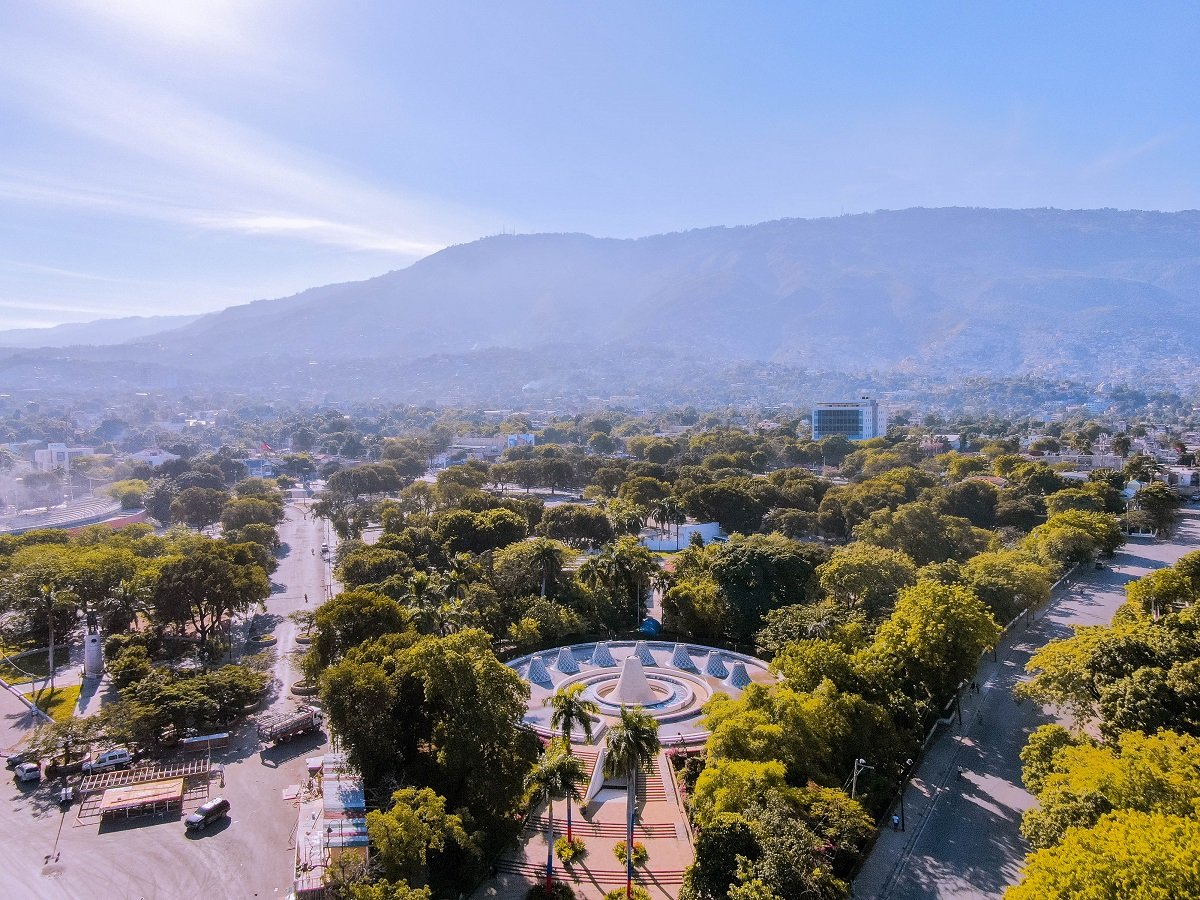
- A Taino name: In the Taino language, “Ayiti” means “land of high mountains” or “mountainous country”.
- Description of the island: This term perfectly reflected the geography of the island, marked by impressive mountain ranges and lush nature.
For the Tainos, the name “Ayiti” represented their connection to the land and their way of life in harmony with nature.
A return to the origins after independence
With the proclamation of independence in 1804, the leaders of the new Republic decided to break with the colonial name “Saint-Domingue” and adopt “Haiti”.
- A tribute to the first inhabitants: By choosing this name, Haitian leaders, notably Jean-Jacques Dessalines, wanted to honor the Tainos, the first inhabitants of the island.
- An act of freedom: The name change also symbolized a definitive break with the French colonial heritage and a return to an authentically local identity.
Thus, “Haiti” became a symbol of freedom and national pride.
A geographical and cultural significance
The name "Haiti" also reflects the geographical and cultural richness of the country.
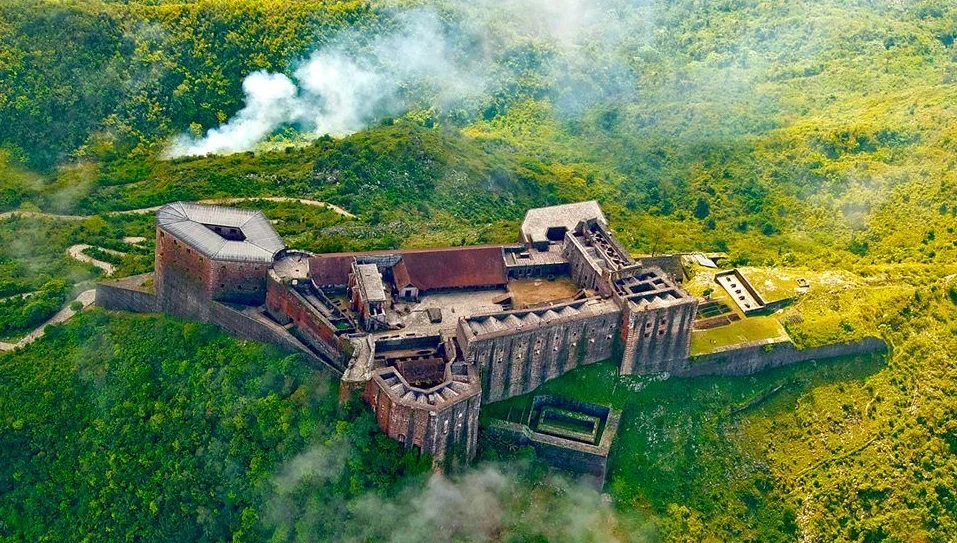
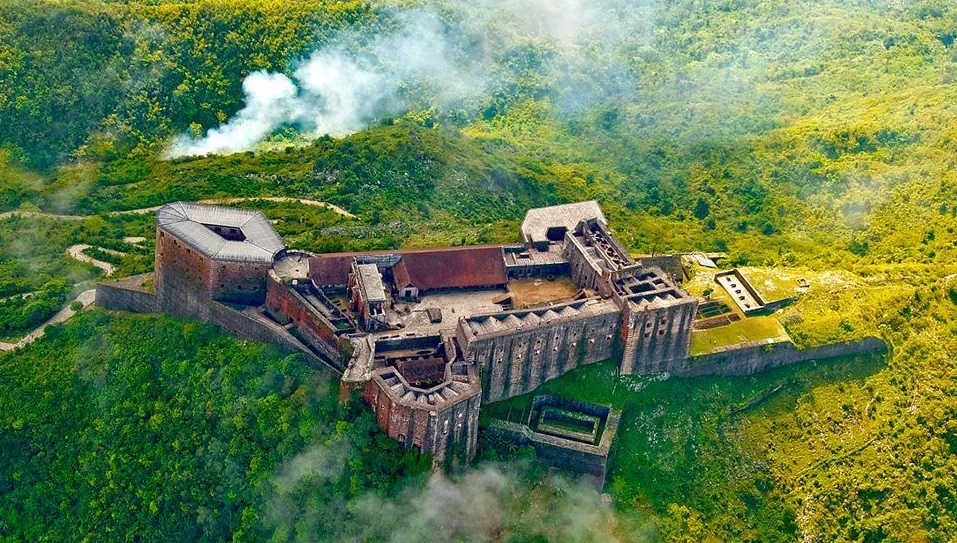
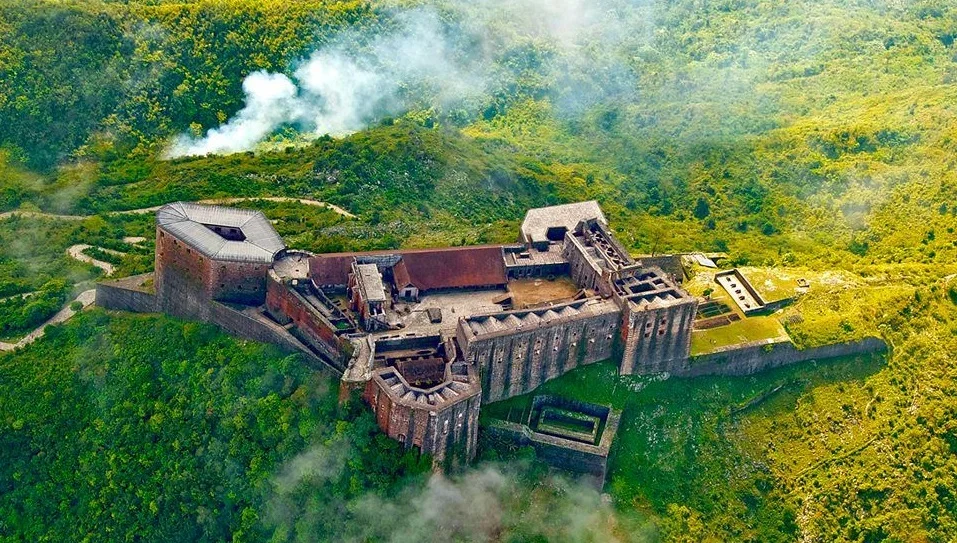
- Mountainous country: Haïti is famous for its rugged landscapes, with mountain ranges covering a large part of the territory, such as the Hotte and Selle massifs.
- Exceptional biodiversity: These mountains are home to unique fauna and flora in the Caribbean, reinforcing the importance of the chosen name.
The word "Haiti" highlights the natural beauty of the country, echoing its past and present.
A name that embodies national identity
Adopting the name "Haiti" was not only a symbolic choice, but also a strong political act.
- Black and independent identity: By becoming the first independent black republic in the world, Haïti wanted to mark its uniqueness and its role in world history. - An example for other nations: This name has become a symbol of hope for people seeking freedom, inspiring similar struggles around the world.
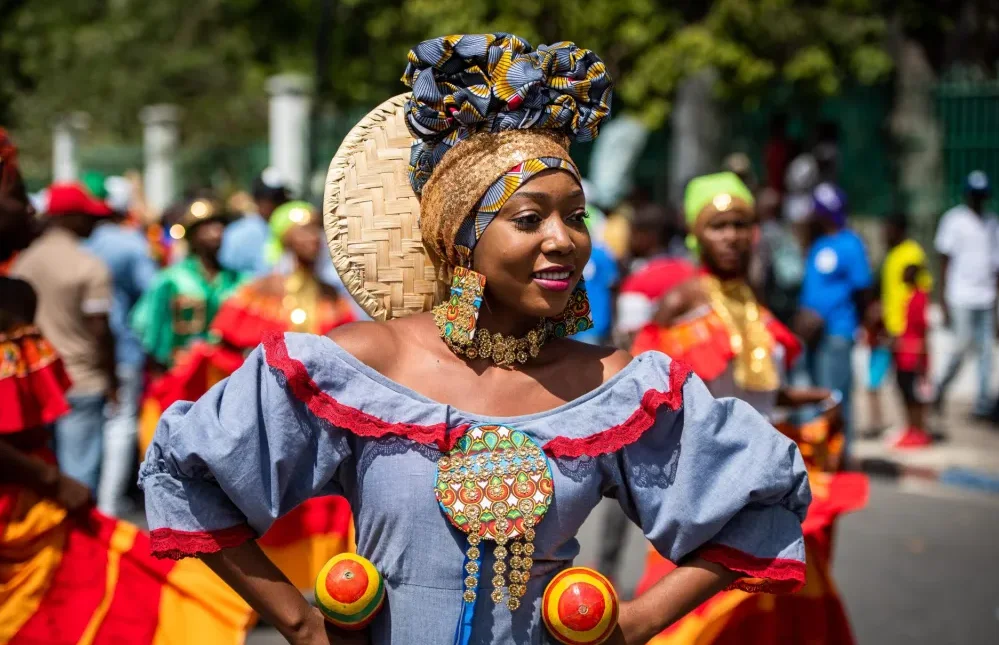
Even today, the name “Haiti” is associated with resilience, pride, and a rich history.
Why is “Haiti” such a powerful choice?
The name “Haiti” carries several essential messages:
- Memory and heritage: It honors the Taíno and their culture, while recalling the struggles for freedom.
- Natural beauty: It highlights the country’s unique geographic assets, true treasures for its inhabitants and visitors.
- National pride: It represents the determination of the Haitian people to write their own history.
By bearing this name, Haïti distinguishes itself not only as a country, but also as an idea: that of a freedom conquered and an identity assumed.
A name that carries history and future
Haiti, “land of high mountains,” is not just a name. It is a tribute to a glorious past, a recognition of geographical richness, and a promise for the future.
Through this name, Haïti reminds the world of its pioneering role in the fight for equality and freedom, while celebrating its unique natural and cultural heritage.
Whether you are Haitian or simply curious, the word “Haiti” embodies a universal story of courage and resilience. So, what does this meaningful name mean to you? Share your thoughts and discover even more about this fascinating land!