contact@haitiwonderland.com+509 36184317

Discover

Shopping Cart

Unity is Strength or Liberty - Equality - Fraternity: What is Haiti’s true national motto?

Unity is Strength or Liberty - Equality - Fraternity: What is Haiti’s true national motto?

Haiti has two mottos: "Unity is Strength" on its coat of arms and "Liberty-Equality-Fraternity" in its 1987 Constitution. Find out which one is official.

Confusion has persisted for decades in the Haitian collective imagination: what is the true official motto of the Republic of Haiti? While "Unity is Strength" proudly adorns the national coat of arms, the 1987 Constitution proclaims "Liberty - Equality - Fraternity." Immersed in this symbolic duality, it reflects the complex identity of the first independent Black Republic.

Two Mottos, One Nation: The Haitian Paradox

If you ask a Haitian about their country’s motto, chances are they will answer without hesitation: "Unity is Strength." This historic phrase, engraved on the national coat of arms and taught from generation to generation, is an integral part of Haiti’s patriotic DNA. Yet, legally speaking, the answer is quite different.

According to Article 4 of the 1987 Constitution of the Republic of Haiti, the fundamental text that currently governs the country, the official national motto is: "Liberty - Equality - Fraternity." This direct borrowing from the French republican motto may seem surprising for a country that fiercely fought France for its independence in 1804.

Strength in Unity: A Legend Inscribed in the Arms of the Republic

Although it is not the constitutional motto, "Strength in Unity" nevertheless occupies a central place in Haitian national symbols. This phrase appears explicitly in the official description of the coat of arms of the Republic, as established by the Constitution:

The Arms of the Republic consist of a palm tree surmounted by the cap of liberty and, shading with its palms, a trophy of arms with the legend: Strength in Unity.

This inscription is not insignificant. It appears on the national flag, in the center of the white square separating the blue and red bands. Every Haitian grows up contemplating this motto on the emblem flown in institutions, schools, and official ceremonies.

Why this symbolic duality?

The coexistence of these two mottos reveals the historical and ideological tensions that have plagued Haïti for more than two centuries.

The revolutionary legacy of "Strength in Unity"

"Strength in Unity" has its roots in the Haitian Revolution (1791-1804). This maxim embodied the crucial message that independence leaders wanted to convey: only the unity of rebellious slaves, beyond divisions of color and origin, could defeat the French colonial armies.

This motto reflects Haiti’s unique history, the only successful slave revolt in world history. It reminds us that Haitian freedom was not granted, but rather won through the sacred union of the oppressed.

The constitutional shift towards "Liberty - Equality - Fraternity"

The adoption of "Liberty - Equality - Fraternity" in the 1987 Constitution marks a symbolic turning point. This constitution, drafted after the fall of the Duvalier dictatorship, sought to anchor Haïti in the universal values ​​of human rights and democracy.

The choice of the French motto can be interpreted as a desire to reinstate itself in the international republican community and the legacy of the Enlightenment, while turning the page on the years of dictatorship.

Which motto legally prevails?

From a strictly legal perspective, "Liberty - Equality - Fraternity" is the official national motto of Haiti, as it is explicitly designated as such in the Constitution, the country’s supreme text.

However, "Unity is Strength" retains a special status: it is the official legend of the coat of arms of the Republic, also enshrined in the Constitution. It is therefore not an "unofficial" motto, but rather a heraldic motto, distinct from the national motto.

In the hearts of Haitians: "Unity is Strength" remains essential.

Despite constitutional clarity, the social and cultural reality overwhelmingly favors "Unity is Strength." This phrase resonates deeply with Haitian historical identity. It evokes resistance, solidarity in the face of adversity, and the glorious legacy of ancestors who have broken their chains.

For many Haitians, "Liberty - Equality - Fraternity" seems like a foreign import, while "Unity is Strength" is their own. It is this motto that is sung, celebrated, and brandished during moments of national unity.

Two Mottos, One Dream

Whether it is called "Unity is Strength" or "Liberty - Equality - Fraternity," the Haitian motto embodies the aspirations of a people who paid the price in blood for their freedom.

Perhaps Haiti’s true motto, ultimately, is not to be found in legal texts, but in the hearts of every Haitian who continues to believe, against all odds, in the possibility of a better future, built on the values ​​of unity, freedom, and human dignity.

And you, which motto do you think best embodies the spirit of Haiti? Share your opinion in the comments!

Share
About the Author
Appolon Guy Alain
Appolon Guy Alain
Appolon Guy Alain

Full Stack Developer, Créatif, expérimenté, passionné des nouvelles technologies et de l’art.

See other articles from Appolon Guy Alain
Leave a comment

Recently Posted

Discover the Hidden Gem of Caracol: A Peaceful Haven in Haiti

Nestled in the enchanting embrace of Haiti’s North East department lies a true marvel – Caracol. This picturesque area is more than just a destination; it’s a sanctuary where tranquility dances in harmony with the gentle whispers of nature. From the chirping of content birds to the warm smiles of its inhabitants, Caracol is a true wonderland waiting to be explored. One of the most captivating aspects of Caracol is its serene ambiance. Here, peace isn’t just a concept; it’s a way of life. Even the birds seem to sing with an extra ounce of joy, as if they’ve found their own slice of paradise amidst the lush greenery. Stepping into Caracol feels like entering a world where time slows down, allowing you to embrace the simple pleasures of life. But what truly sets Caracol apart is its people – kind-hearted souls who find solace in the simplicity of their daily lives. Engaged in activities like fishing and gardening, they embody a deep connection to the land that sustains them. And amidst it all, the industrious spirit of Caracol shines through, with the industrial parc serving as a beacon of progress and opportunity for the community. Yet, amidst the tranquil rhythm of everyday life, Caracol pulsates with the vibrant energy of Haitian culture. Voodoo, an integral part of local life, weaves its mystical threads into the fabric of daily rituals and traditions. And come July, the entire community comes alive with patronal celebrations that draw Haitian diaspora from every corner of the globe. It’s a time of joyous reunions, where cultural immersion meets spirited competitions, from exhilarating running races to thrilling boat races on the sparkling waters. As the sun sets on another day in Caracol, the excitement doesn’t end – it transforms. Carnival season, known as "mardi gras," casts its spell over the land, igniting the imaginations of children who eagerly don disguises and wield whips to make merry mischief. Laughter fills the air as they chase each other, their gleeful shrieks echoing through the streets, creating memories that will last a lifetime. In Caracol, every moment is a celebration, every day a testament to the resilience and warmth of its people. So, whether you’re seeking a tranquil retreat or a cultural adventure, Caracol invites you to discover its hidden wonders and experience the magic for yourself. After all, in this captivating corner of Haiti, every day is a journey into the heart of paradise.

Newsletter

Subscribe to our newsletter to stay informed of all our activities and news on Haiti.

Haïti et son Rôle Pionnier dans l’Abolition de l’Esclavage Mondial

For centuries, the institution of slavery has darkened human history, leaving behind a legacy of pain, oppression and the struggle for freedom. However, in this dark tale, one nation stands out for its courage and determination to break the chains of oppression: Haiti. Located in the Caribbean, Haïti played a pioneering role in the abolition of slavery, laying the foundation for the fight for freedom and equality around the world. The history of slavery in Haïti dates back to the arrival of Europeans on the island, which was then called Santo Domingo, in the 15th century. French colonists quickly established an economy based on sugar and coffee production, cruelly exploiting millions of African slaves deported to work on plantations. However, this brutal system engendered fierce resistance from slaves, whose fight for freedom ultimately led to one of the most significant revolutions in history. In 1791, under the leadership of iconic figures such as Toussaint Louverture, Jean-Jacques Dessalines and Henri Christophe, Haitian slaves rose up against their oppressors in an unprecedented rebellion. This revolt resulted in a war of independence that lasted more than a decade, but ultimately resulted in the proclamation of Haiti’s independence in 1804, making that country the first post-colonial nation ruled by people from slavery. The impact of the Haitian Revolution on the abolition of slavery worldwide cannot be overstated. By breaking the chains of oppression and proclaiming their independence, Haitians have sent a powerful message to all oppressed peoples around the world: freedom is possible, and it is worth the struggle. The example of Haïti inspired other movements for the abolition of slavery in the Americas and beyond, thus helping to shake the very foundations of the institution of slavery. Haiti’s participation in the fight against slavery was not limited to its territory; it also extended to external actions where Haitian men were sent or actively participated in movements for the abolition of slavery in other regions of the world. For example, Haitian President Alexandre Pétion supported Simón Bolívar, the leader of the South American revolution, by providing him with weapons, money and even men, which contributed to the liberation of several countries in America Latin of colonial domination. Haïti also provided support for independence movements in Central America. Haitian fighters, led by General Jean-Pierre Boyer, helped Venezuelan patriots fight against Spanish rule, contributing to the liberation of that region. The Haitian government financially and diplomatically supported movements for the abolition of slavery in countries such as Venezuela, Colombia and Mexico, contributing to the gradual eradication of this institution throughout the region. Although Haïti did not directly participate in the American Civil War, many Haitians and descendants of Haitians played crucial roles in the abolitionist movement in the United States. Figures who were of Haitian origin or of Haitian ancestry, were important voices in the fight against slavery and for equal rights in the United States. The legacy of the Haitian Revolution remains a symbol of resistance and courage for future generations. Today, as the world continues to struggle against injustice and oppression in various forms, Haiti’s history reminds us that the fight for freedom is a universal fight, one that transcends borders and times. Haiti’s participation in the abolition of slavery throughout the world remains a crucial chapter in the history of humanity. Through their courage and determination, Haitians have paved the way for a future where freedom and equality are inalienable rights for all.

Haïti Music: Haitian artist Rutshelle Guillaume crowned “Best Caribbean Artist” at the Trace Awards & Festival 2023

The international music scene buzzed with excitement on Saturday, October 20, 2023 when talented Haitian singer Rutshelle Guillaume was crowned “Best Caribbean Artist” at the prestigious Trace Awards & Festival 2023, held in Kigali, Rwanda. This award recognizes a remarkable career and a significant contribution to the evolution of Caribbean music. Rutshelle Guillaume is an artist who has captured the hearts of music lovers thanks to her undeniable talent and her numerous quality productions. The Trace Awards & Festival is an event renowned for its promotion of Afrocentric music and culture. It is a platform that celebrates the musical diversity of the Caribbean while highlighting the creativity of the region. Caribbean artists are honored for their exceptional contribution to the enrichment of world music. Rutshelle Guillaume’s victory at this prestigious event is not only a tribute to her talent, but also a recognition of the richness of Caribbean music and its ability to transcend geographical boundaries. The Haitian singer knew how to embody this musical diversity and touched the hearts of many listeners around the world. Her career, marked by memorable titles and collaborations with other talented artists, has made her an ambassador for Caribbean music on an international scale. His commitment to promoting Haitian and Caribbean culture has helped strengthen ties between artists in the region and the rest of the world. Rutshelle Guillaume continues to inspire many emerging artists and show that passion, talent and dedication can lead to extraordinary achievements. His victory at the Trace Awards & Festival 2023 is a well-deserved tribute to his influence and undeniable contribution to Caribbean music. Ultimately, Rutshelle Guillaume’s recognition as "Best Caribbean Artist" at the Trace Awards & Festival 2023 is a reminder of the power of music to unite cultures and celebrate artistic diversity. It is a historic moment for the Haitian artist and a source of pride for the Caribbean as a whole. Rutshelle Guillaume continues to be an inspiration to many artists and music lovers around the world, and her music will live on as a testament to her incredible talent and dedication to her art.

Recently Posted

History

History

First black nation to free itself from slavery and gain independence from France in 1804 and influenced other liberation movements around the world, inspiring struggles for freedom and equality.

Natural beauty

Natural beauty

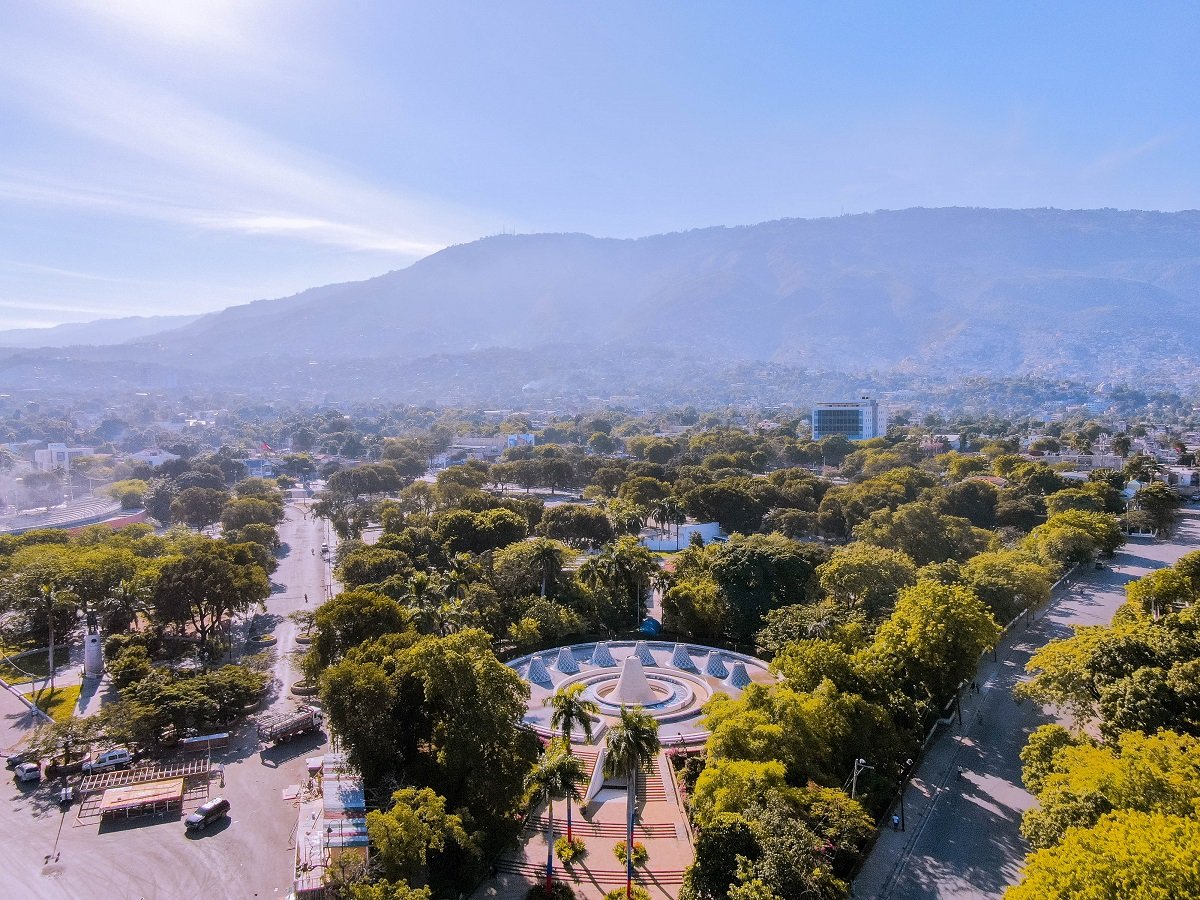
Haïti is blessed with spectacular natural landscapes, including white sand beaches, mountains and rich biodiversity.

Heritage

Heritage

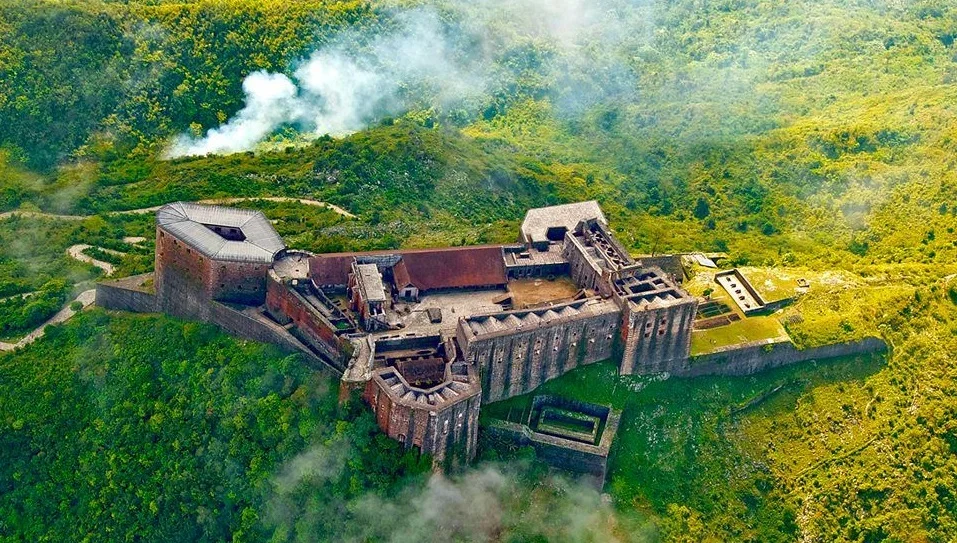
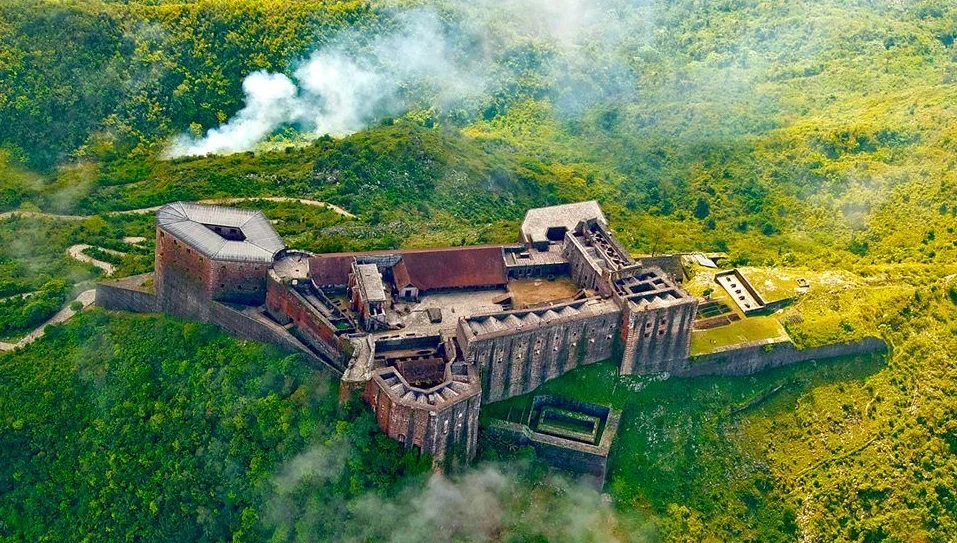
Haïti has a rich historical heritage, including sites like the Citadelle Laferrière and the Sans-Souci Palace, listed as UNESCO World Heritage Sites.

Culture

Culture

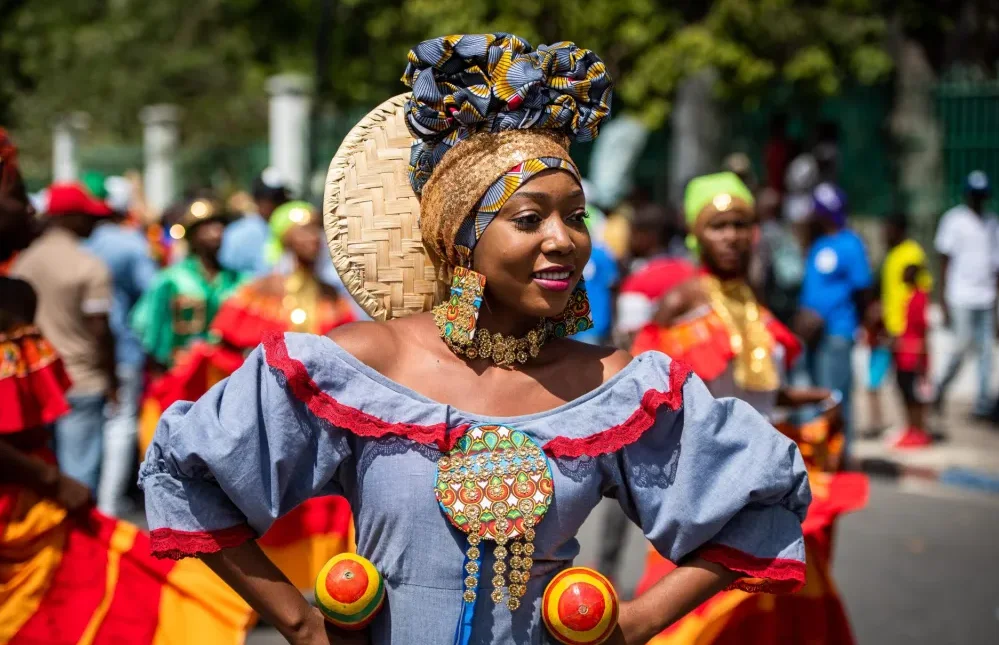
Haïti has a rich and diverse culture, influenced by African, European and indigenous elements. Haitian music, dance, art and cuisine are celebrated around the world.

  • +
    • Post