Haiti, located in the Caribbean, is known for its tropical climate that differs from the seasons as defined in temperate countries. Rather than the traditional four seasons (spring, summer, fall, winter), the country mainly experiences an alternation between the dry season and the rainy season. However, there are climatic variations that are associated with the times of the year and influence the lives of Haitians. This article explains how these seasons manifest themselves in Haiti.
The dry season, also called "winter" by the locals, generally begins in November and ends in April. This period is characterized by cooler weather and less humidity. Temperatures are pleasant, ranging between 20°C and 30°C, especially in mountainous regions like Kenscoff where nights can be cool.
It is also a good time for outdoor activities, with clear skies and a low risk of rain. This season often coincides with the end-of-year holidays and the celebration of Haiti’s independence on January 1st, creating a festive and lively atmosphere.
The rainy season in Haïti generally begins in May and lasts until October. During this period, rains are frequent, often in the form of torrential downpours, especially in the late afternoon. Temperatures remain high, between 25°C and 35°C, and humidity is higher.
This season is essential for agriculture, as it allows crops such as corn, rice, and vegetables to thrive. However, it also brings risks, including flooding and landslides, which can disrupt daily life and cause significant damage in some areas.
Although the shoulder seasons are not as pronounced as in temperate zones, the months of April-May and October-November can be considered transitional periods. These times see an alternation between dry days and light showers, creating a gradual transition between the dry season and the rainy season.
These months are often marked by lush vegetation, especially after the first rains, offering green landscapes that attract nature lovers.
Due to its geographical location, Haïti enjoys a tropical climate all year round. Seasonal variations are mainly manifested by differences in humidity and precipitation, rather than by significant temperature differences.
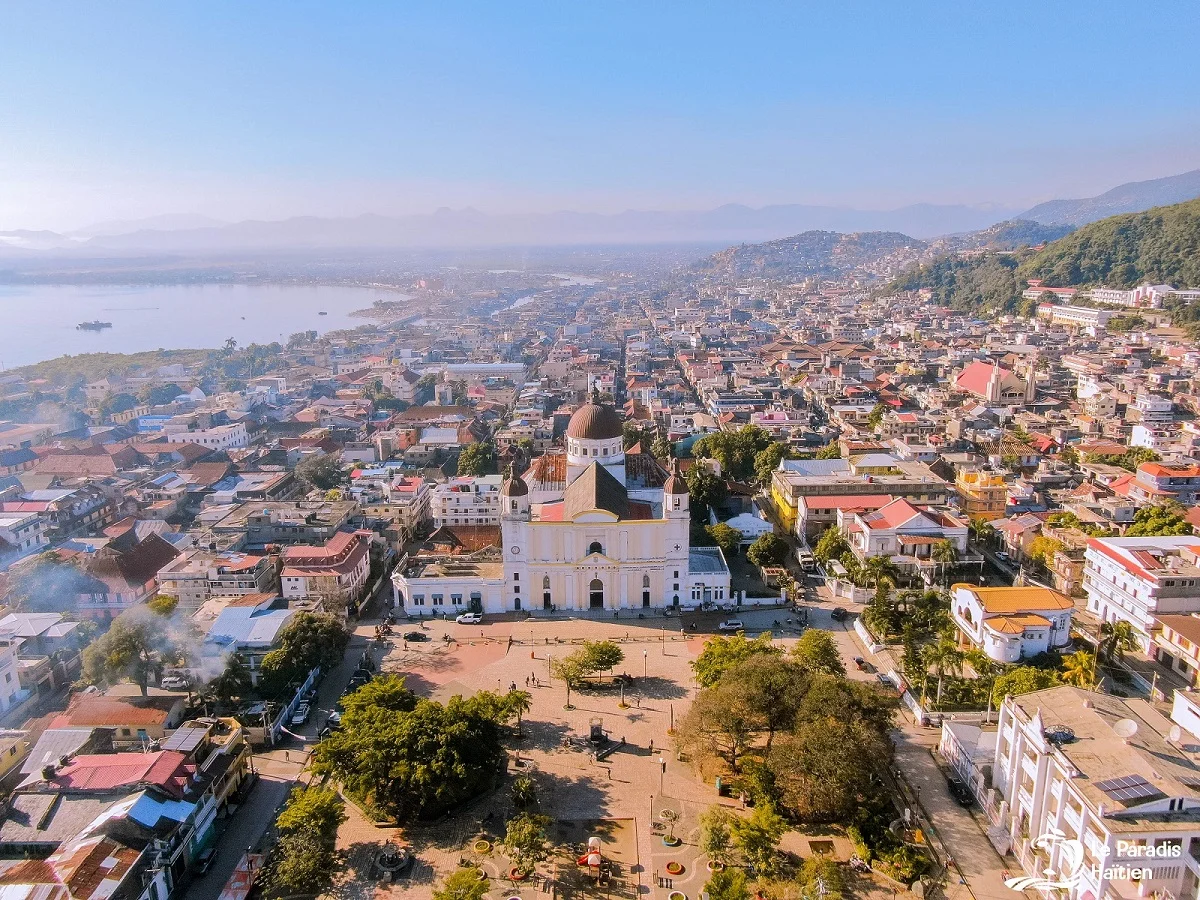
Coastal regions, such as the North (Cap-Haïtien) and South (Jacmel, Les Cayes), remain hot and humid most of the year, while mountainous areas enjoy cooler temperatures.
For travelers, the best time to visit Haïti is the dry season, from November to April, when the weather conditions are ideal for exploring beaches, mountains, and historical sites. The rainy season, although intense, also offers an opportunity to discover a green and lively Haiti, but it requires more careful planning due to climate risks.
Whether during the dry or rainy season, each time of year has its charm in Haiti, allowing visitors to discover different facets of this country with its varied landscapes and rich culture.
Although Haïti does not have seasons as we know them in temperate zones, the distinction between dry and rainy seasons, as well as the periods of transition, play a central role in the country’s daily and cultural life. These climatic cycles influence everything from agriculture to social activities to travel choices.
Understanding these seasons allows us to appreciate the natural wealth and resilience of the Haitian people, who adapt with creativity and determination to changes in their environment throughout the year.
Share
About the Author
Appolon Guy Alain
Appolon Guy Alain
Full Stack Developer, Créatif, expérimenté, passionné des nouvelles technologies et de l’art.
First black nation to free itself from slavery and gain independence from France in 1804 and influenced other liberation movements around the world, inspiring struggles for freedom and equality.
Natural beauty
Haïti is blessed with spectacular natural landscapes, including white sand beaches, mountains and rich biodiversity.
Heritage
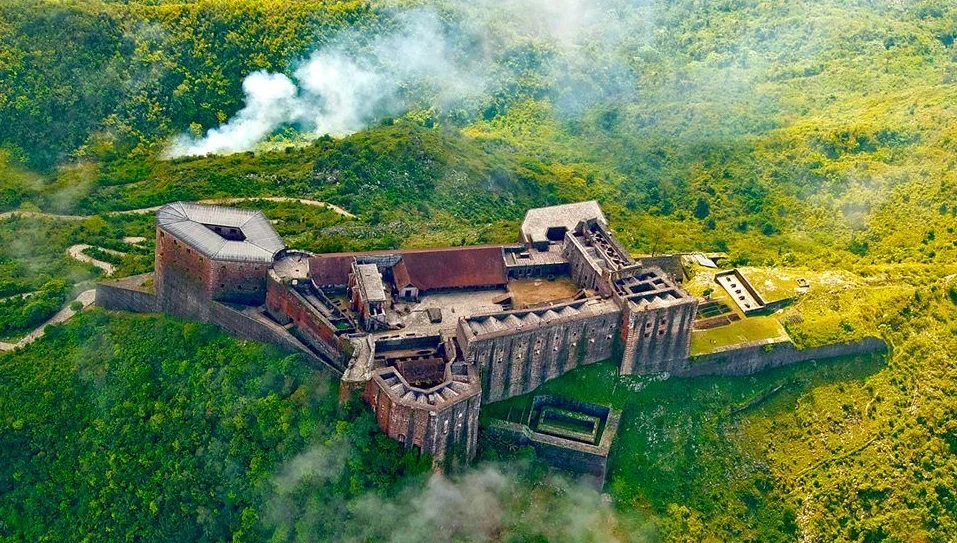
Haïti has a rich historical heritage, including sites like the Citadelle Laferrière and the Sans-Souci Palace, listed as UNESCO World Heritage Sites.
Culture
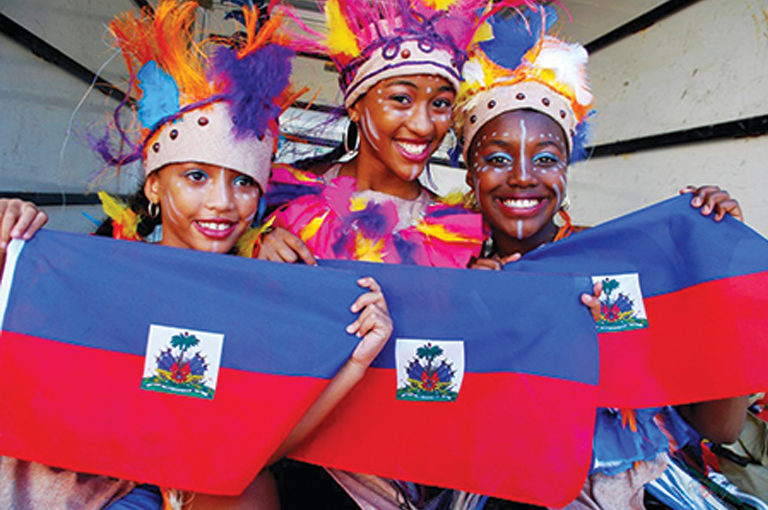
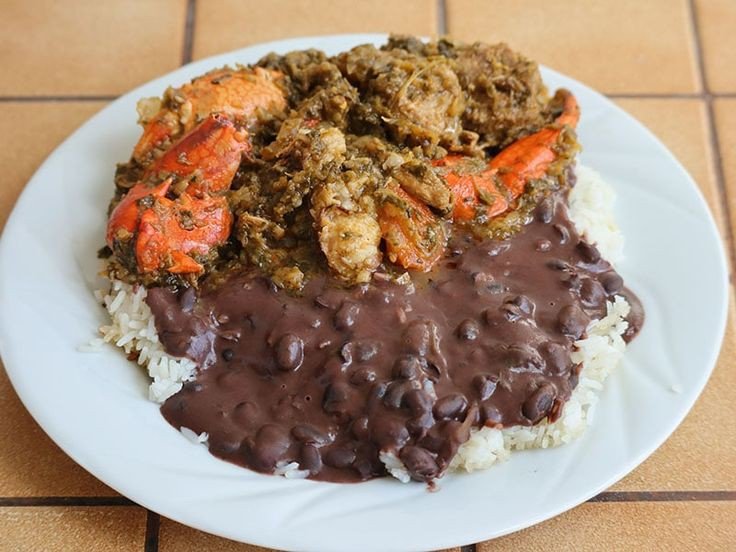
Haïti has a rich and diverse culture, influenced by African, European and indigenous elements. Haitian music, dance, art and cuisine are celebrated around the world.































Merci pour cet article
January 27, 2026 - 07:20:03 AMMerci
February 05, 2026 - 08:07:33 PM