contact@haitiwonderland.com+509 36184317

Discover

Shopping Cart

What are the national holidays in Haiti?

What are the national holidays in Haiti?

Haiti, rich in history and culture, celebrates several national holidays throughout the year. These celebrations reflect the identity and resilience of the Haitian people, marking key moments in their history and honoring their traditions. Discover the most important national holidays in Haiti, their meanings and how they are celebrated.

Haïti
Haïti
Haïti

National Independence Day January 1st

January 1st is a sacred date for Haitians, marking their accession to independence in 1804.

- Significance: This holiday celebrates the proclamation of Haiti’s independence, making the country the first independent black republic in the world.
- Celebrations: The day is marked by patriotic speeches, official ceremonies and the sharing of soup joumou, an iconic dish symbolizing freedom and national pride.
- Key figures: More than 11 million Haitians participate in this culinary and historical tradition each year.

Haïti
Haïti
Haïti

Grandfathers’ Day January 2

The day after Independence Day, Haïti pays tribute to the ancestors who fought for freedom.

- Significance: This day honors the heroes of the Haitian revolution and celebrates their courage and sacrifice.
- Celebrations: Haitians often visit historical monuments and organize gatherings to remember their ancestors.
- Impact: It is an opportunity to reflect on the legacy left by these emblematic figures.

Haïti
Haïti
Haïti

Agriculture and Labor Day May 1

May 1 is a day dedicated to the importance of agriculture and labor in Haitian society.

- Meaning: This holiday highlights the crucial role of farmers and workers in the national economy.
- Celebrations: Agricultural fairs are held across the country, showcasing local products and innovations in the agricultural sector.

- Key figures: Agriculture employs nearly 38% of the working population in Haiti, highlighting the importance of this sector.

Haïti
Haïti
Haïti

Flag and University Day May 18

May 18 is a doubly symbolic day, celebrating the Haitian flag and education.

- Meaning: This date commemorates the creation of the Haitian flag in 1803 in Arcahaie, a symbol of national unity.
- Celebrations: Parades, patriotic speeches, and educational activities are organized to honor this event.
- Key figures: More than 90% of Haitian schools organize events to mark this day.

Haïti
Haïti
Haïti

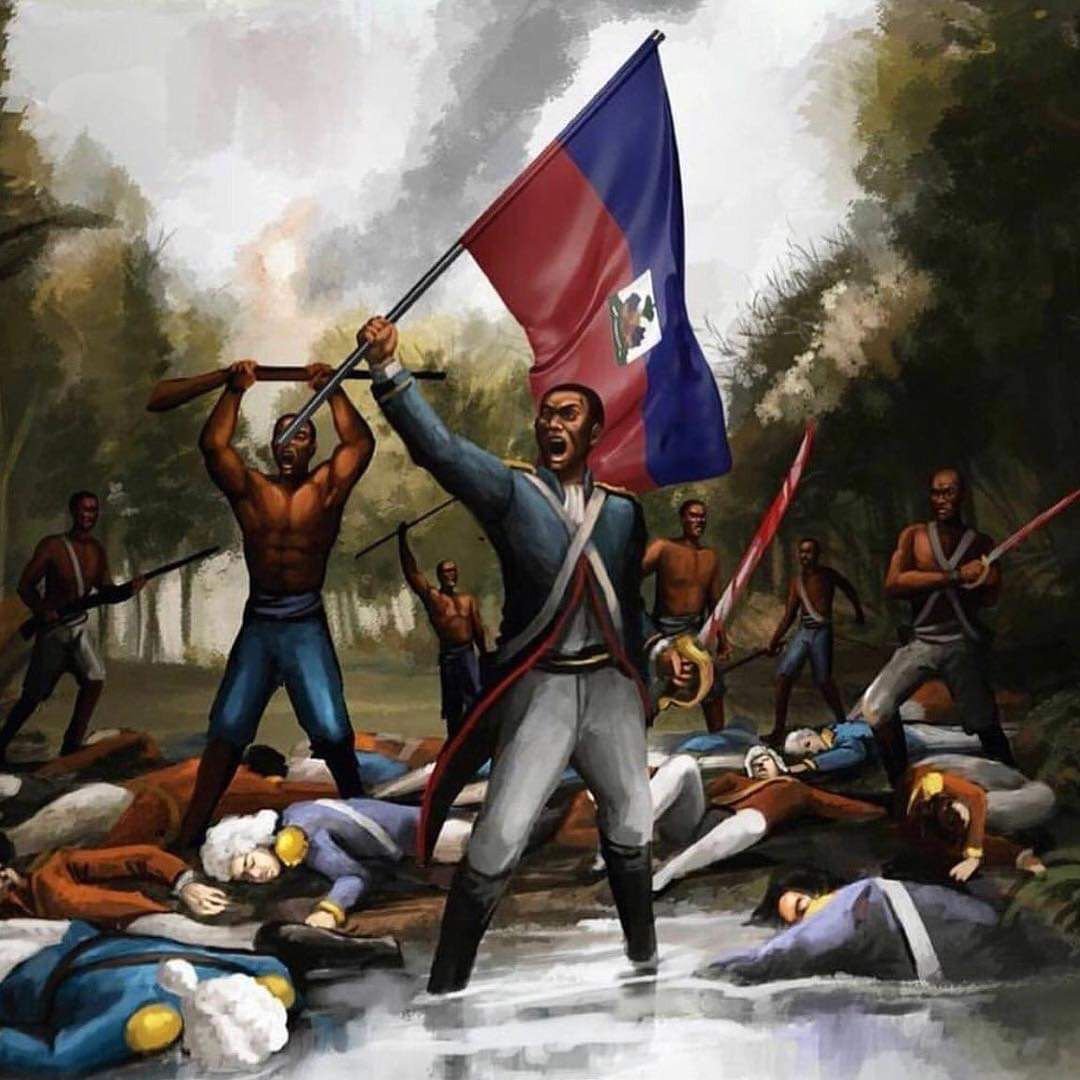
The Commemoration of the Battle of Vertières November 18

November 18 is a key date in Haitian history, marking the last major battle before independence.

- Significance: This day celebrates the decisive victory of Haitian troops against the Napoleonic army at the Battle of Vertières in 1803.
- Celebrations: Military ceremonies and historical reenactments are organized to commemorate this feat.
- Highlights: This battle remains a symbol of the determination and courage of the Haitian people.

Haïti
Haïti
Haïti

The importance of these national holidays

National holidays in Haïti are much more than public holidays: they embody the history, values, and identity of the nation. These celebrations allow Haitians to come together, pay tribute to their past and pass on their heritage to future generations.

If you have memories or anecdotes about one of these celebrations, share them in the comments!

Share
About the Author
Appolon Guy Alain
Appolon Guy Alain
Appolon Guy Alain

Full Stack Developer, Créatif, expérimenté, passionné des nouvelles technologies et de l’art.

See other articles from Appolon Guy Alain
Leave a comment

Recently Posted

Christmas in Haiti: Between Magic, Discoveries and Delicacies

The joyful ringing of bells echoes through the streets of Haïti as the holiday season approaches. Christmas is a magical time when the streets light up, families gather and a warm atmosphere invades the island. Between traditions, cultural discoveries and gourmet feasts, Christmas in Haïti promises a unique experience. b~The Magic of Lights and Decorations~b From the beginning of December, Haïti is adorned with sparkling lights and festive decorations. The markets come alive with shimmering garlands, twinkling stars and ornate fir trees. The streets of Port-au-Prince in Jacmel shine with a special magic, inviting locals and visitors to immerse themselves in the festive spirit. b~Haitian Traditions at Christmas~b Christmas in Haïti is celebrated with a unique combination of religious traditions and local customs. Midnight Mass is a deeply rooted tradition, drawing worshipers to churches to celebrate the birth of Jesus in a vibrant atmosphere of song and prayer. A popular tradition is the "Dawn Mass" which takes place at dawn on December 25. The faithful gather to welcome Christmas Day with special fervor, testifying to the deep spirituality that permeates the festivities. The festivities are not limited to churches. Street parades, folk dances and concerts are commonplace, creating a joyful atmosphere throughout the country. Traditional Haitian music, such as direct compass and voodoo, adds a special dimension to these celebrations. b~Cultural Discoveries: Haitian Crafts~b Christmas is also an ideal opportunity to discover unique Haitian crafts. Christmas markets offer a variety of handicrafts, such as wooden sculptures, vivid paintings, wrought iron items and traditional jewelry. These works of art reflect the artistic talent of the Haitian people and provide unique and meaningful gifts. Local markets, such as the Ferrier market in Cap-Haitien and the Jacmel market, are essential places to discover the authenticity of Haitian crafts. These purchases also help support local artists and the community economy. b~Gourmet Feasts: Christmas Cuisine~b Christmas in Haïti is also a gastronomic celebration. Families gather around festive tables laden with traditional culinary delights. “Joumou soup”, a pumpkin soup, is an essential specialty of the holiday season. Pork, lamb and chicken dishes are also common, accompanied by rice and local vegetables. Traditional desserts, such as “Pen patat” and “Tablèt Pistach,” add a sweet touch to the celebration. Tropical fruits, such as mangoes and bananas, are also often present on Christmas tables, recalling the richness of Haitian biodiversity. Christmas in Haïti is a vibrant celebration that blends the magic of lights, religious traditions, local crafts and delicious cuisine. It is a time when joy and generosity are in the spotlight, and when Haitians open their hearts to share the magic of the season with the world.

Newsletter

Subscribe to our newsletter to stay informed of all our activities and news on Haiti.

Haïti / Fort Picolet: Historical Guardian of Liberty

Cap-Haïtien, Haiti’s historic jewel, is home to a fascinating architectural relic: Fort Picolet. Built at the end of the 18th century by the French, this imposing bastion majestically dominates the bay of Cap-Haïtien, bearing witness to the tumults of Haitian history and the fierce struggle for independence. The history of Fort Picolet is closely linked to that of Haiti, particularly at the time of the Haitian Revolution. During this tumultuous period, when slaves and freedmen rose up against colonial oppression, the fort was the scene of epic battles and fierce sieges. Sometimes used by French forces, sometimes by Haitian revolutionaries, Fort Picolet was a silent witness to the events that shaped the destiny of the nation. Designed with a strategic vision, the fort embodies the military architecture of its era. Its thick stone walls, strategically positioned cannons and viewpoints overlooking the bay make it an impregnable bastion. Its name, Fort Picolet, pays homage to General Louis Marie, Marquis de Picolet, French governor of Cap-Français at the end of the 18th century. Today, Fort Picolet remains much more than a simple historical monument. It is a living symbol of the resilience and determination of the Haitian people. Visitors who wander through its ruins can feel the imprint of history and contemplate the remains of a tumultuous past. From up there, a panoramic view of the bay of Cap-Haitien is available to them, offering a unique perspective on the strategic importance of this place in the maritime history of Haiti. As a pillar of Haitian tourism, Fort Picolet attracts visitors from around the world. Its historical aura, combined with the natural beauty of its environment, makes it a must-see destination for history and culture lovers. More than just a tourist attraction, Fort Picolet is a poignant testimony to the endless struggle for freedom and the cultural richness of Haiti. Throughout the centuries, Fort Picolet has survived the test of time, reminding everyone that freedom is an inalienable right, hard won and carefully preserved. By exploring its ramparts, contemplating its silent cannons, visitors find themselves immersed in the tormented history of Haiti, a story of courage, resistance and hope. Live an extraordinary experience by virtually visiting the ruins of Fort Picolet: https://haitiwonderland.com/haiti-virtual-reality-ht/monuments-histoire/haiti--fort-picolet--visite-virtuelle/14

Recently Posted

History

History

First black nation to free itself from slavery and gain independence from France in 1804 and influenced other liberation movements around the world, inspiring struggles for freedom and equality.

Natural beauty

Natural beauty

Haïti is blessed with spectacular natural landscapes, including white sand beaches, mountains and rich biodiversity.

Heritage

Heritage

Haïti has a rich historical heritage, including sites like the Citadelle Laferrière and the Sans-Souci Palace, listed as UNESCO World Heritage Sites.

Culture

Culture

Haïti has a rich and diverse culture, influenced by African, European and indigenous elements. Haitian music, dance, art and cuisine are celebrated around the world.

  • +
    • Post