contact@haitiwonderland.com+509 36184317

Discover

Shopping Cart

What is the name of Haiti’s largest river?

What is the name of Haiti’s largest river?

Haiti’s largest river is called the Artibonite. This majestic waterway, which crosses the country from one end to the other, is a key element in the geography, economy and daily life of Haitians. With its crucial role in agriculture, its historical importance and its impact on the local ecosystem, the Artibonite deserves special attention. This article explores the many facets of this iconic river.

The Artibonite: A River of Exceptional Magnitude

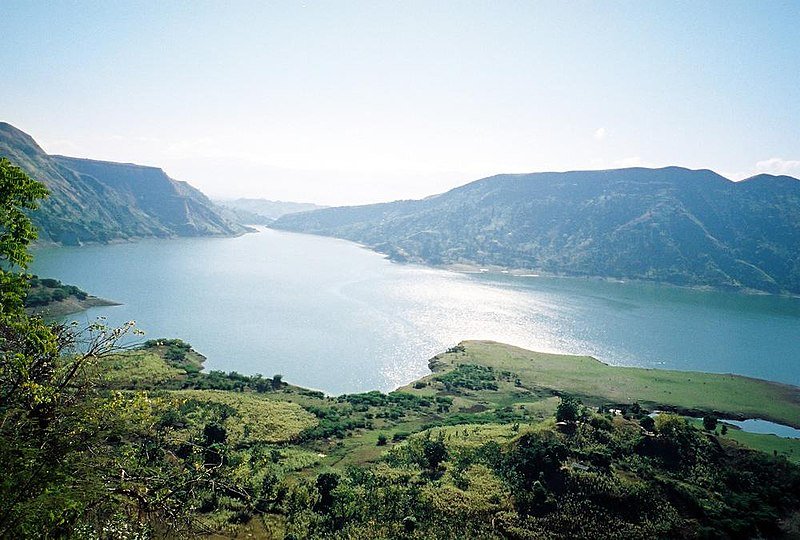
The Artibonite is Haiti’s longest river, with a length of approximately 320 kilometers. It rises in the mountains of the Dominican Republic, crosses the Haitian border and winds through the fertile valley that bears its name before emptying into the Gulf of Gonâve.

This river is a true artery of life for the region it irrigates. The Artibonite Valley is often referred to as the country’s “rice bowl,” due to the vast rice fields that depend on it. About 80% of Haiti’s rice production comes from this region, making the Artibonite a pillar of national food security.

A key role in agriculture and the economy

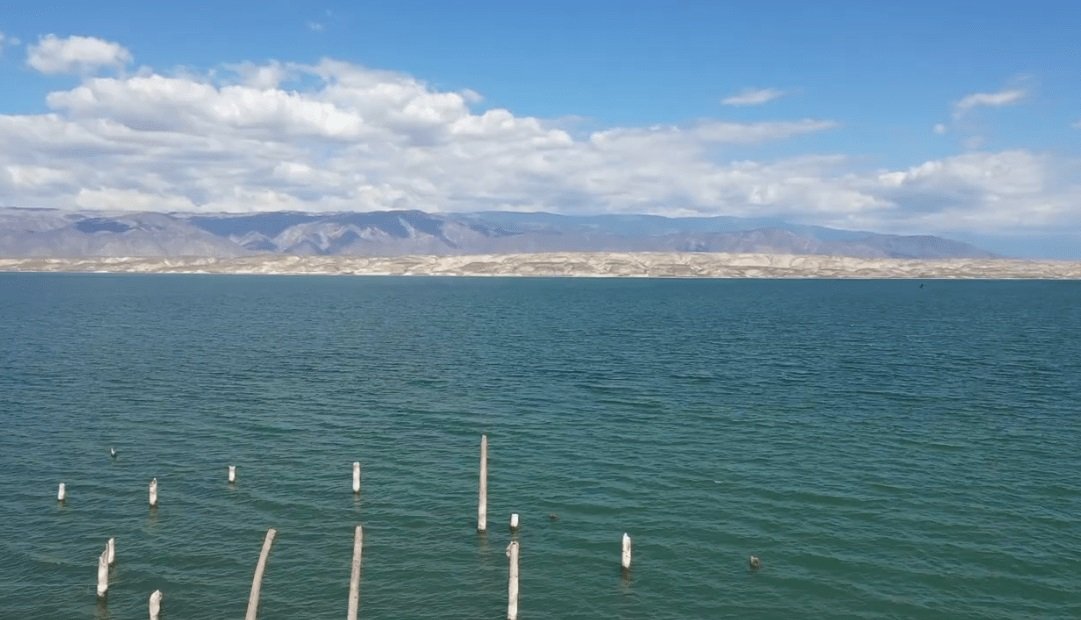
The Artibonite River is Haiti’s main irrigation system. Through irrigation projects such as the Péligre Dam, built in the 1950s, it provides water to thousands of hectares of arable land. In addition to rice, the region also produces corn, vegetables, and fruits, contributing to the local and national economy.

However, challenges abound. Soil erosion, caused by deforestation and poor land management, threatens the river’s ability to support agriculture. Reforestation and sustainable watershed management efforts are needed to preserve this vital ecosystem.

A historical and cultural heritage

The Artibonite is not only a natural resource; it is also deeply rooted in Haitian history and culture. The region around the river played a strategic role during the Haitian Revolution, hosting crucial battles that led to the country’s independence in 1804.

In addition, the river inspires many Haitian artists, writers, and musicians, who celebrate its beauty and importance in their works. It is often seen as a symbol of resilience and life for the Haitian people.

Some key figures about the Artibonite

- Total length: approximately 320 km, much of which flows through Haiti.
- Watershed area: approximately 9,500 km², covering a region rich in biodiversity.
- Rice production: The Artibonite Valley accounts for approximately 80% of Haiti’s rice production, feeding millions of people.
- Péligre Dam: Built on the river, it generates a significant portion of the country’s electricity while providing irrigation.

An ecosystem to preserve

The Artibonite is home to unique biodiversity, but it faces growing environmental challenges. Pollution, uncontrolled sand mining, and deforestation are affecting water quality and aquatic life. Conservation and environmental education initiatives are crucial to ensure the river continues to support life in Haiti.

Local and international organizations are working to raise awareness among communities about the importance of protecting the river. These efforts include planting trees, building dikes, and promoting sustainable agricultural practices.

The Artibonite, a national treasure

The Artibonite River is much more than just a body of water: it is an agricultural engine, a source of energy, and a historical symbol for Haiti. Its protection is essential not only for the communities that directly depend on it, but also for the future of the entire country.

Whether for its economic role, its rich history, or its natural beauty, the Artibonite is a river that Haïti can be proud of. If you have had the opportunity to visit the region or discover the river, do not hesitate to share your experiences in the comments!

Share
About the Author
Haïti Wonderland
Haïti Wonderland
Leave a comment

Recently Posted

Haiti: The History of the World’s First Free Black Nation

Haiti, the pearl of the Antilles, is a Caribbean island with a rich and complex history. However, its special status as the world’s first free black nation gives it a unique place in the annals of history. This small island was the scene of an extraordinary revolution which resulted in independence, thus marking the beginning of a new era for the black community and the abolition of slavery. Let’s delve into the captivating story of the birth of the first black republic, Haiti. b~The colonial era and slavery~b Haiti’s history dates back to the arrival of Europeans in the 15th century, when Christopher Columbus discovered the island. European settlers, mainly Spanish and French, introduced slavery to exploit the island’s resources, including sugar, coffee and cotton. The indigenous Native American population was decimated, paving the way for the massive importation of African slaves. b~The Haitian Revolution~b On August 14, 1791, Haitian slaves rose up against their oppressors, sparking the Haitian Revolution. Under the leadership of iconic figures such as Toussaint Louverture, Jean-Jacques Dessalines and Henri Christophe, the insurgent slaves inflicted defeats on European armies, demonstrating fierce resistance and a desperate quest for freedom. b~The Declaration of Independence and the creation of the Republic of Haiti~b On January 1, 1804, Haïti proclaimed its independence, becoming the world’s first free black nation. This historic declaration symbolized the end of slavery and the triumph of the will of a people determined to live free. The Republic of Haïti was born in struggle and blood, asserting its autonomy in the face of the colonial powers. b~Post-independence challenges~b However, independence did not mean the end of challenges for Haiti. The country had to face external pressure, reparations imposed by France in exchange for recognition of its independence, as well as internal unrest. Despite these obstacles, Haïti strove to build a free and sovereign nation. The story of Haïti is that of a nation that overcame countless challenges to emerge as a pioneer of freedom for the black population. The Haitian Revolution remains a unique example of resistance, courage and determination, and Haïti continues to carry the torch of independence in the contemporary world. The legacy of this small Caribbean island still resonates today, reminding the world that freedom is a universal right that can be won even in the most difficult circumstances.

Newsletter

Subscribe to our newsletter to stay informed of all our activities and news on Haiti.

Haiti: Flora and Fauna

Haiti, located on the western part of the Caribbean island of Hispaniola, is often associated with its rich and complex history. However, beyond its cultural and historical aspects, Haïti is home to a remarkable diversity of fauna and flora that deserves to be explored and preserved. This article highlights the ecological wealth of Haiti, emphasizing its unique flora and fauna. Fauna: Haïti is home to a variety of animal species, some of which are endemic to the island. The country’s tropical rainforests are home to a great diversity of birds. The rugged mountains provide suitable habitat for rare species. The waters surrounding Haïti are also rich in biodiversity. Colorful corals, tropical fish and sea turtles find refuge in the coral reefs along the coast. Conservation efforts are crucial to protect these fragile marine ecosystems and preserve marine life. Flora: Haiti’s landscapes are adorned with a wide variety of plants and flowers. The tropical rainforests are home to majestic trees, the Hispaniola pine and the gum tree. These forests play an essential role in climate regulation and the preservation of biodiversity. The coastal plains are dotted with palm trees, including Haiti’s iconic royal palm. Botanical gardens, such as the Jardin Botanique des Cayes, are havens of greenery where you can admire a wide variety of tropical plants, some of which are endemic to the region. Haiti, with its unique flora and fauna, is an ecological gem that deserves to be preserved for future generations. Awareness, conservation and sustainable development are key elements to ensure the survival of this natural wealth. By investing in the protection of its environment, Haïti can not only preserve its ecological heritage, but also promote sustainable tourism and strengthen the resilience of its ecosystems in the face of current global challenges.

Recently Posted

History

History

First black nation to free itself from slavery and gain independence from France in 1804 and influenced other liberation movements around the world, inspiring struggles for freedom and equality.

Natural beauty

Natural beauty

Haïti is blessed with spectacular natural landscapes, including white sand beaches, mountains and rich biodiversity.

Heritage

Heritage

Haïti has a rich historical heritage, including sites like the Citadelle Laferrière and the Sans-Souci Palace, listed as UNESCO World Heritage Sites.

Culture

Culture

Haïti has a rich and diverse culture, influenced by African, European and indigenous elements. Haitian music, dance, art and cuisine are celebrated around the world.

  • +
    • Post