contact@haitiwonderland.com+509 36184317

Discover

Shopping Cart

What is the name of the largest lake in Haiti?

What is the name of the largest lake in Haiti?

Haiti, a country rich in varied landscapes, is home to several natural treasures. Among them is the largest lake in the country, a little-known gem that plays a crucial role in the local ecosystem. Discover everything you need to know about this lake, its importance and its beauty.

Lake Azuei: The Largest Lake in Haiti

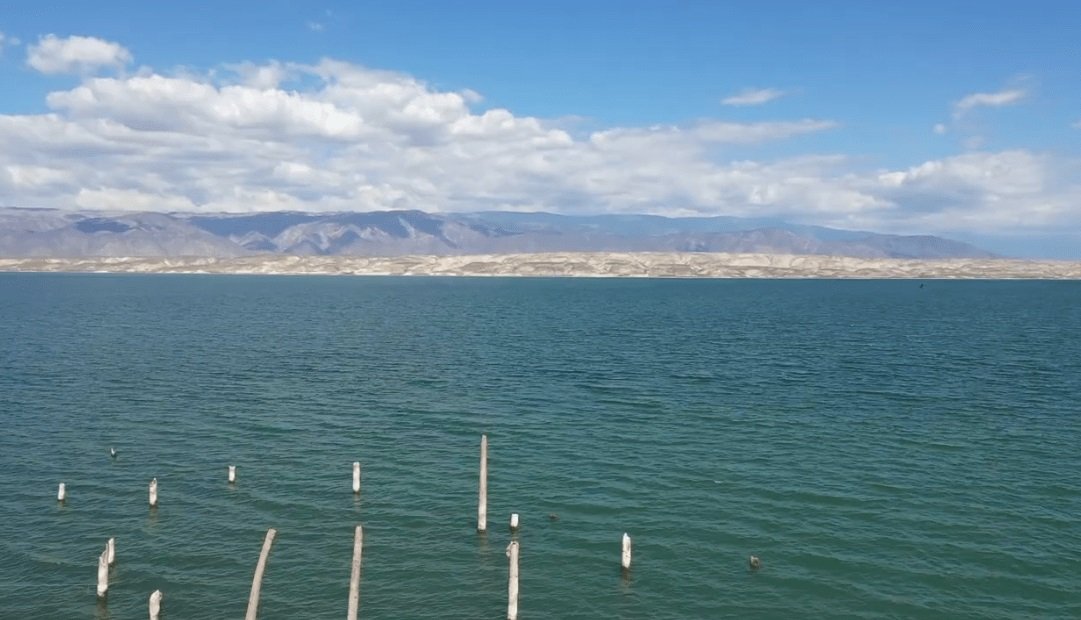
The largest lake in Haïti is Lake Azuei, also called Étang Saumâtre. Located in the Plaine du Cul-de-Sac, east of Port-au-Prince, it covers approximately 170 km², making it the largest body of water in Haiti.

This lake shares a natural border with the Dominican Republic and is only 29 kilometers from the capital. It is surrounded by spectacular landscapes, with mountains and flora typical of the region.

Characteristics of Lake Azuei

- Type of lake: It is a salt lake, whose water contains a higher concentration of salt than rivers and freshwater lakes.
- Altitude: Located about 15 meters above sea level, it is one of the largest brackish lakes in the Caribbean region.
- Depth: Its average depth is relatively shallow, but it varies according to the seasons and rainfall.

A Rich and Diverse Ecosystem

Lake Azuei is an important habitat for local fauna and flora:
- Migratory birds: Rare species, such as flamingos, frequent its banks to feed and reproduce.
- Fish and shellfish: Although it is salty, the lake is home to species adapted to this environment, such as certain varieties of tilapia.
- Aquatic Plants: The wetlands around the lake are teeming with vegetation, providing shelter for several animal species.

A Crucial Role for Local Communities

Lake Azuei is not just a natural site. It plays a vital role for the surrounding populations:
- Water Source: Locals use the lake for various needs, although its salinity limits some uses.
- Fishing: The lake provides essential food resources to local communities.
- Tourism: Its picturesque landscapes attract visitors who come to admire its sparkling waters and spectacular sunsets.

Environmental Threats and Challenges

Like many ecosystems around the world, Lake Azuei faces several challenges:
- Periodic Flooding: Heavy rains can cause the lake level to rise, flooding the surrounding land.
- Pollution: Waste and human activities affect the water quality and the ecosystem of the lake.
- Deforestation: The loss of vegetation cover around the lake accelerates soil erosion and degrades natural habitats.

Lake Azuei and Enriquillo Pond: A Unique Geographic Pair

Lake Azuei is often compared to Enriquillo Pond, located in the Dominican Republic. These two lakes form a fascinating geographical pair, with similarities in terms of salinity and ecosystem. However, Lake Azuei is slightly smaller than Enriquillo Pond, which is the largest lake in the Caribbean.

A Treasure to Discover and Protect

Lake Azuei represents a precious natural heritage for Haiti. Its biodiversity and its importance for the surrounding communities make it a site that deserves to be protected and valued.

Whether for its ecological role, its breathtaking landscapes or its proximity to the capital, Lake Azuei is an emblematic place that recalls the natural and cultural wealth of Haiti.

Share
About the Author
Appolon Guy Alain
Appolon Guy Alain
Appolon Guy Alain

Full Stack Developer, Créatif, expérimenté, passionné des nouvelles technologies et de l’art.

See other articles from Appolon Guy Alain
Leave a comment

Recently Posted

Newsletter

Subscribe to our newsletter to stay informed of all our activities and news on Haiti.

Haiti: Discovering Lake Péligre

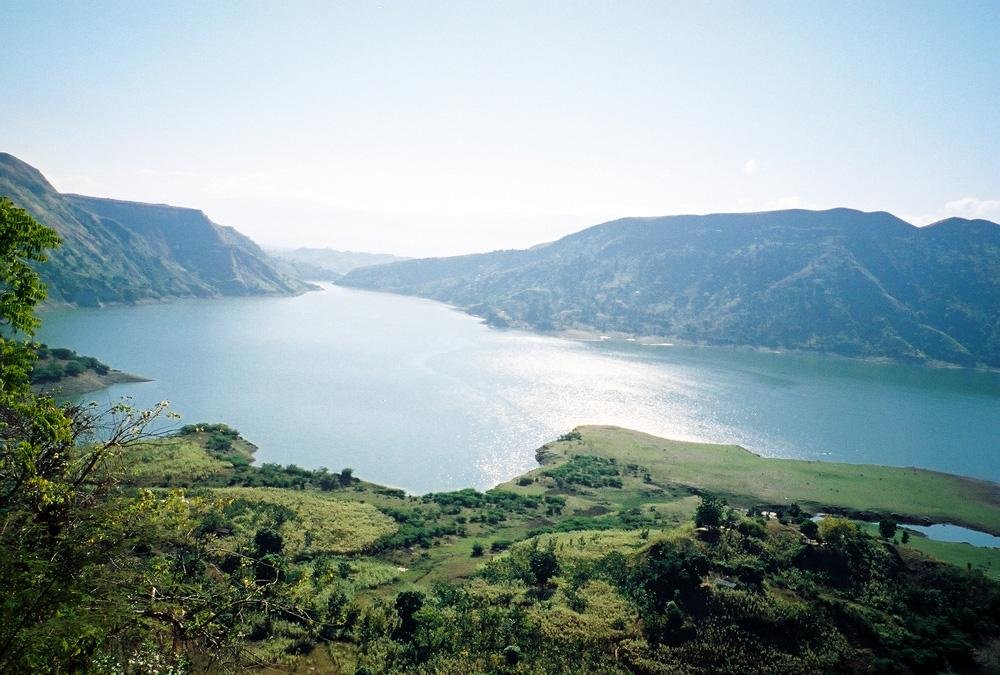
At the heart of the majestic Haitian topography, lies a natural gem of breathtaking beauty: Lake Péligre. Nestled in the mountains of Haiti’s central region, this artificial lake is a wonder for local residents and amazed visitors alike. From its historical creation to its contemporary ecological importance, let’s explore together the riches of Lake Péligre. Origin and History: Lac de Péligre is the result of an ambitious engineering project undertaken in the 1950s. At that time, the Haitian government, in collaboration with international partners, undertook the construction of the Péligre Dam on the Artibonite River. The main goal was to provide large-scale electricity to Haïti while regulating river flooding to protect agricultural land downstream. Ecology and Biodiversity: Beyond its usefulness as a source of hydraulic energy, Lake Péligre is home to rich ecological diversity. The calm waters of the lake provide vital habitat for a variety of native fish species, supporting local fishing communities. In addition, the surrounding forests and hills that border the lake are home to diverse flora and fauna, contributing to the preservation of the regional ecosystem. Tourism and Leisure: For outdoor enthusiasts and nature enthusiasts, Lake Péligre offers a multitude of leisure opportunities. Visitors can enjoy peaceful boat rides on the tranquil waters of the lake, offering panoramic views of the surrounding mountains. Additionally, hiking trails winding through lush forests allow hikers to explore the area’s natural beauty. Lake Péligre represents much more than a simple artificial body of water. It is a living testament to human ingenuity and the natural beauty of Haiti. As an emerging tourism destination, it offers visitors an immersive experience in nature, while highlighting the crucial importance of environmental conservation. By preserving this natural treasure, we also preserve the sustainable future of our planet.


Haiti: The Rara season in Petit-Goâve: A celebration of life, unity and resilience

As the new season of Rara looms on the horizon, certain groups such as Saint Jacques Majeur, Ratyèfè, Florida Band, Lambi Grand, and Grap Kenèp are already preparing to light up the streets of Petit-Goâve with their flamboyant costumes and their captivating melodies. For these groups, the future looks bright, promising a season full of passion and success. However, other rara bands are still hesitant about which direction to take. Despite these uncertainties, optimism reigns regarding the success of this new season for all rara groups in the commune of Petit-Goâve. Rara, anchored in the Vodou tradition, is much more than a simple artistic manifestation. It embodies the very essence of Haitian culture, highlighting questions of memory, tradition and identity. This increasingly popular form of artistic expression attracts a large audience and arouses unprecedented enthusiasm. Groups like Ratyèfè, Grap Kenèp, Florida Band and Chenn Tamaren, recognized for their ability to delight their fans, play a crucial role in the continued growth of rara in the town. The rara season traditionally begins on Dead Thursday and ends on the night of Easter Sunday or quasimodo Monday. To mark the beginning of this sacred period, groups organize opening ceremonies, honoring the spirits of the deceased in rituals steeped in spirituality. These ceremonies, often held in cemeteries or in the "Bitasyons" of groups, symbolize the deep link between the rara and Vodou traditions.

Recently Posted

History

History

First black nation to free itself from slavery and gain independence from France in 1804 and influenced other liberation movements around the world, inspiring struggles for freedom and equality.

Natural beauty

Natural beauty

Haïti is blessed with spectacular natural landscapes, including white sand beaches, mountains and rich biodiversity.

Heritage

Heritage

Haïti has a rich historical heritage, including sites like the Citadelle Laferrière and the Sans-Souci Palace, listed as UNESCO World Heritage Sites.

Culture

Culture

Haïti has a rich and diverse culture, influenced by African, European and indigenous elements. Haitian music, dance, art and cuisine are celebrated around the world.

  • +
    • Post