Haiti, rich in history and resilience, is defined by six terms enshrined in its Constitution. These terms are not only legal principles, but also fundamental values that reflect the essence and identity of this unique nation.
According to the first article of the Constitution of March 29, 1987, amended on May 14, 2011, Haïti is an "indivisible, sovereign, independent, free, democratic and social" Republic. These words embody the spirit of the Haitian people and the vision of a unified nation.
Haïti is defined as an indivisible Republic, meaning that its territory and its people are inseparable. Despite cultural differences and challenges, national unity remains a central goal.
- Key figure: Haïti has 10 administrative departments, but they share a common identity.
- Notable fact: The national motto, "Unity is strength," illustrates this indivisibility.
Sovereignty is at the heart of Haiti’s existence. In 1804, the country defied the colonial powers to become the first independent black republic. Even today, this sovereignty is a source of pride.
- Key figure: January 1, Independence Day, is celebrated every year as a national holiday.
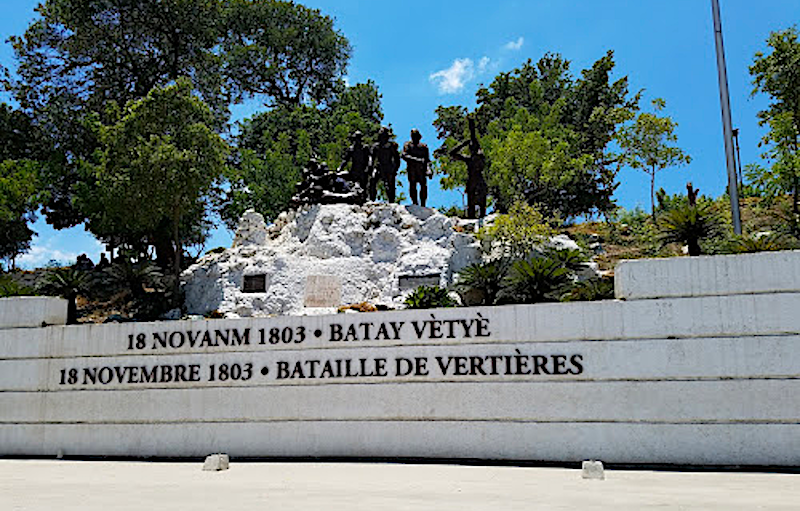
- Historical fact: The Battle of Vertières symbolizes the victory against French colonization.
Haïti made world history by becoming the first nation to abolish slavery and proclaim its independence. This term recalls the country’s legacy of freedom and self-determination.
- Key figure: More than 500,000 slaves were freed thanks to the Haitian revolution.
- Notable fact: Haïti is a symbol of hope for people seeking freedom around the world.
Freedom is a cornerstone of Haitian identity. It is both a legacy of independence and a fundamental right protected by the Constitution.
- Concrete example: Freedom of worship in Haïti allows for the coexistence of different beliefs, including Catholicism, Protestantism and Voodoo.
- Quote: “Liberty or death” was one of the slogans of the Haitian revolutionaries.
As a democratic republic, Haïti guarantees the participation of the people in governance. Democracy, though imperfect, remains an ideal toward which the country continues to strive.
- Key figure: The right to vote is granted to all citizens aged 18 and over.
- Notable example: Haïti held its first universal democratic election in 1990.
Haïti is committed to promoting social justice and reducing inequalities. This term reflects the importance of solidarity and collective well-being in the country’s constitutional vision.
- Notable fact: Local initiatives aim to strengthen access to education, health and economic opportunities.
- Key figure: Approximately 60% of the population depends on agriculture, highlighting the need for equitable social policies for rural areas.
A Message of Hope and Identity
These six terms indivisible, sovereign, independent, free, democratic and social form the pillars upon which the Republic of Haïti rests. They tell a story of struggle, triumph and resilience that continues to define the country today.
Haiti, despite its challenges, remains a land of inspiration and aspiration. These constitutional principles remind the world of the depth of Haitian identity and its unique role on the world stage.
Share
About the Author
Appolon Guy Alain
Appolon Guy Alain
Full Stack Developer, Créatif, expérimenté, passionné des nouvelles technologies et de l’art.
Fabuloso país, con rica y fascinante historia, que lucho, se emancipó, libero y dejo atrás las cadenas de la esclavitud bajo el lema "LA UNIÓN HACE LA FUERZA" y su gente noble y valiente, hoy, con el símbolo de su bandera, disfruta la libertad sabiendo de la sangre que derramó tiene la esperanza de un futuro mejor. Te quiero HAITI, Republica indivisible, soberana, independiente, libre, democrática y social”, valores irrenunciables que forman parte del espíritu del valiente y noble pueblo haitiano que QUIERO visitar y conocer pronto, este año en la medida de lo posible.
Jorge Reinaldo NERIS de la ciudad de Palpala, Jujuy, ARGENTINA, 30-04-2025.✨🇭🇹🇦🇷
First black nation to free itself from slavery and gain independence from France in 1804 and influenced other liberation movements around the world, inspiring struggles for freedom and equality.
Natural beauty
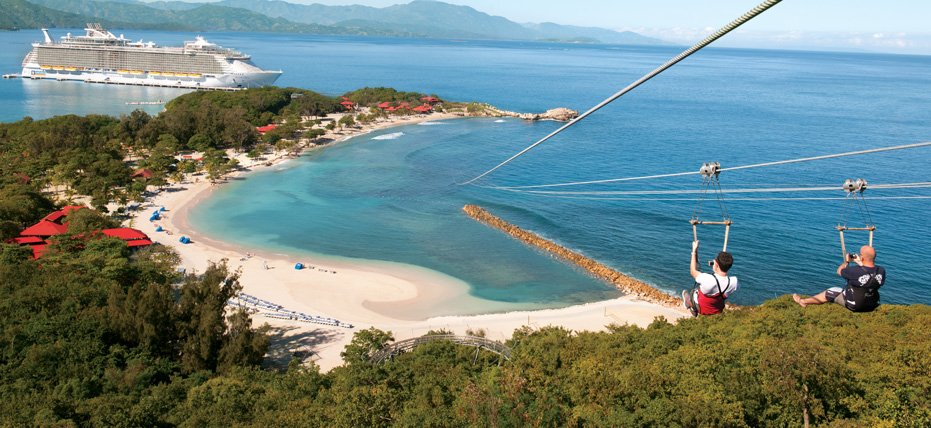
Haïti is blessed with spectacular natural landscapes, including white sand beaches, mountains and rich biodiversity.
Heritage
Haïti has a rich historical heritage, including sites like the Citadelle Laferrière and the Sans-Souci Palace, listed as UNESCO World Heritage Sites.
Culture
Haïti has a rich and diverse culture, influenced by African, European and indigenous elements. Haitian music, dance, art and cuisine are celebrated around the world.






























Fabuloso país, con rica y fascinante historia, que lucho, se emancipó, libero y dejo atrás las cadenas de la esclavitud bajo el lema "LA UNIÓN HACE LA FUERZA" y su gente noble y valiente, hoy, con el símbolo de su bandera, disfruta la libertad sabiendo de la sangre que derramó tiene la esperanza de un futuro mejor. Te quiero HAITI, Republica indivisible, soberana, independiente, libre, democrática y social”, valores irrenunciables que forman parte del espíritu del valiente y noble pueblo haitiano que QUIERO visitar y conocer pronto, este año en la medida de lo posible.
April 29, 2025 - 11:52:08 PMJorge Reinaldo NERIS de la ciudad de Palpala, Jujuy, ARGENTINA, 30-04-2025.✨🇭🇹🇦🇷