contact@haitiwonderland.com+509 36184317

Discover

Shopping Cart

Article 1 of the Haitian Constitution: The 6 Terms that Define the Republic of Haiti

Article 1 of the Haitian Constitution: The 6 Terms that Define the Republic of Haiti

Article 1 of the Haitian Constitution of 1987, amended in 2011, establishes the foundations of national identity. In one concise but powerful sentence, it states that Haïti is an indivisible, sovereign, independent, free, democratic and social Republic. These six terms reflect the fundamental values ​​and collective aspirations of the Haitian nation, forged through a rich and tumultuous history.

ARTICLE 1: Haïti is a Republic, indivisible, sovereign, independent, cooperative, free, democratic and social.


Let’s discover the meaning and importance of each of these principles in the context of the Republic of Haiti.

Haïti
Haïti
Haïti

1. Indivisible: National Unity Above All

Indivisibility ensures that Haïti forms a whole, unified and inseparable. This means that its territory, its people and its government cannot be divided, neither by internal conflicts nor by external influences.

- Key figure: Haïti has 10 administrative departments, but they all operate under a single national entity.
- Concrete example: The national motto, "Unity is Strength," illustrates this commitment to unity.

Haïti
Haïti
Haïti

2. Sovereign: A Country Master of Its Destiny

Sovereignty symbolizes political independence and Haiti’s ability to govern without foreign interference. Since its declaration of independence in 1804, Haïti has remained a model of resistance and self-determination.

- Key figure: Haïti is the first sovereign black republic in the world.
- Historical fact: The Battle of Vertières in 1803 marked the defeat of the Napoleonic army and affirmed Haitian sovereignty.

Haïti
Haïti
Haïti

3. Independent: a historic struggle for freedom

Being independent means that Haïti is free from any foreign domination. This independence was won through the Haitian Revolution, a movement that overturned the colonial and slave systems of the time.

- Notable fact: Haïti inspired other nations fighting for independence, particularly in Latin America.
- Key figure: January 1, 1804 official date of the declaration of independence.

Haïti
Haïti
Haïti

4. Free: a fundamental pillar

Freedom is at the heart of Haitian values. This principle guarantees that every citizen enjoys fundamental rights and freedoms, including freedom of expression, worship and association.

- Concrete example: Haïti is a country where different religions coexist harmoniously, including Catholicism, Protestantism and Voodoo.
- Key figure: More than 500,000 slaves were freed thanks to the Haitian Revolution.

Haïti
Haïti
Haïti

5. Democratic: the voice of the people above all

As a democratic republic, Haïti values ​​citizen participation in political decisions. Although the country has experienced periods of turbulence, the democratic ideal remains an essential objective.

- Notable fact: The first universal democratic elections were held in 1990.
- Key figure: Haïti has approximately 7 million registered voters.

Haïti
Haïti
Haïti

6. Social: a commitment to justice and equity

The social character of the Republic emphasizes the reduction of inequalities and the promotion of collective well-being. This includes initiatives to improve education, health, and living conditions for citizens.

- Concrete example: Community programs aim to strengthen infrastructure and reduce poverty.
- Notable fact: Approximately 60% of the Haitian population depends on agriculture for their livelihood, highlighting the importance of social policies.

An article that embodies the essence of Haiti

Article 1 of the Haitian Constitution is much more than a legal text. It is a declaration of the values ​​and aspirations of a nation proud of its history and identity. These six terms indivisible, sovereign, independent, free, democratic, and social encapsulate the vision of a unified, strong, and resilient Haiti.

By celebrating these principles, every Haitian is called to contribute to a Republic that honors its past while building a promising future.

Share
About the Author
Appolon Guy Alain
Appolon Guy Alain
Appolon Guy Alain

Full Stack Developer, Créatif, expérimenté, passionné des nouvelles technologies et de l’art.

See other articles from Appolon Guy Alain
Leave a comment

Recently Posted

Haiti: Discovering Lake Péligre

At the heart of the majestic Haitian topography, lies a natural gem of breathtaking beauty: Lake Péligre. Nestled in the mountains of Haiti’s central region, this artificial lake is a wonder for local residents and amazed visitors alike. From its historical creation to its contemporary ecological importance, let’s explore together the riches of Lake Péligre. Origin and History: Lac de Péligre is the result of an ambitious engineering project undertaken in the 1950s. At that time, the Haitian government, in collaboration with international partners, undertook the construction of the Péligre Dam on the Artibonite River. The main goal was to provide large-scale electricity to Haïti while regulating river flooding to protect agricultural land downstream. Ecology and Biodiversity: Beyond its usefulness as a source of hydraulic energy, Lake Péligre is home to rich ecological diversity. The calm waters of the lake provide vital habitat for a variety of native fish species, supporting local fishing communities. In addition, the surrounding forests and hills that border the lake are home to diverse flora and fauna, contributing to the preservation of the regional ecosystem. Tourism and Leisure: For outdoor enthusiasts and nature enthusiasts, Lake Péligre offers a multitude of leisure opportunities. Visitors can enjoy peaceful boat rides on the tranquil waters of the lake, offering panoramic views of the surrounding mountains. Additionally, hiking trails winding through lush forests allow hikers to explore the area’s natural beauty. Lake Péligre represents much more than a simple artificial body of water. It is a living testament to human ingenuity and the natural beauty of Haiti. As an emerging tourism destination, it offers visitors an immersive experience in nature, while highlighting the crucial importance of environmental conservation. By preserving this natural treasure, we also preserve the sustainable future of our planet.

Newsletter

Subscribe to our newsletter to stay informed of all our activities and news on Haiti.

Haïti et son Rôle Pionnier dans l’Abolition de l’Esclavage Mondial

For centuries, the institution of slavery has darkened human history, leaving behind a legacy of pain, oppression and the struggle for freedom. However, in this dark tale, one nation stands out for its courage and determination to break the chains of oppression: Haiti. Located in the Caribbean, Haïti played a pioneering role in the abolition of slavery, laying the foundation for the fight for freedom and equality around the world. The history of slavery in Haïti dates back to the arrival of Europeans on the island, which was then called Santo Domingo, in the 15th century. French colonists quickly established an economy based on sugar and coffee production, cruelly exploiting millions of African slaves deported to work on plantations. However, this brutal system engendered fierce resistance from slaves, whose fight for freedom ultimately led to one of the most significant revolutions in history. In 1791, under the leadership of iconic figures such as Toussaint Louverture, Jean-Jacques Dessalines and Henri Christophe, Haitian slaves rose up against their oppressors in an unprecedented rebellion. This revolt resulted in a war of independence that lasted more than a decade, but ultimately resulted in the proclamation of Haiti’s independence in 1804, making that country the first post-colonial nation ruled by people from slavery. The impact of the Haitian Revolution on the abolition of slavery worldwide cannot be overstated. By breaking the chains of oppression and proclaiming their independence, Haitians have sent a powerful message to all oppressed peoples around the world: freedom is possible, and it is worth the struggle. The example of Haïti inspired other movements for the abolition of slavery in the Americas and beyond, thus helping to shake the very foundations of the institution of slavery. Haiti’s participation in the fight against slavery was not limited to its territory; it also extended to external actions where Haitian men were sent or actively participated in movements for the abolition of slavery in other regions of the world. For example, Haitian President Alexandre Pétion supported Simón Bolívar, the leader of the South American revolution, by providing him with weapons, money and even men, which contributed to the liberation of several countries in America Latin of colonial domination. Haïti also provided support for independence movements in Central America. Haitian fighters, led by General Jean-Pierre Boyer, helped Venezuelan patriots fight against Spanish rule, contributing to the liberation of that region. The Haitian government financially and diplomatically supported movements for the abolition of slavery in countries such as Venezuela, Colombia and Mexico, contributing to the gradual eradication of this institution throughout the region. Although Haïti did not directly participate in the American Civil War, many Haitians and descendants of Haitians played crucial roles in the abolitionist movement in the United States. Figures who were of Haitian origin or of Haitian ancestry, were important voices in the fight against slavery and for equal rights in the United States. The legacy of the Haitian Revolution remains a symbol of resistance and courage for future generations. Today, as the world continues to struggle against injustice and oppression in various forms, Haiti’s history reminds us that the fight for freedom is a universal fight, one that transcends borders and times. Haiti’s participation in the abolition of slavery throughout the world remains a crucial chapter in the history of humanity. Through their courage and determination, Haitians have paved the way for a future where freedom and equality are inalienable rights for all.

Recently Posted

History

History

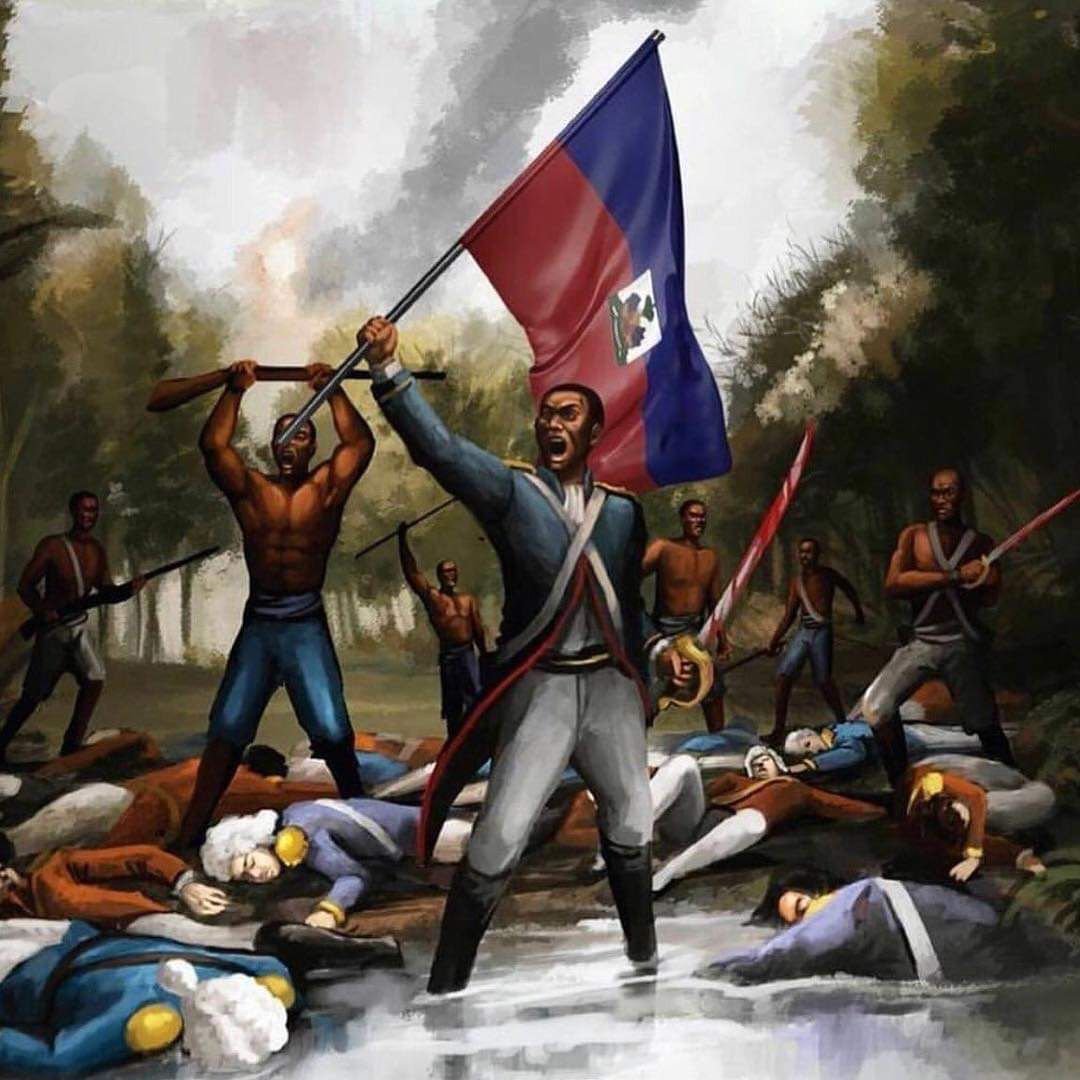
First black nation to free itself from slavery and gain independence from France in 1804 and influenced other liberation movements around the world, inspiring struggles for freedom and equality.

Natural beauty

Natural beauty

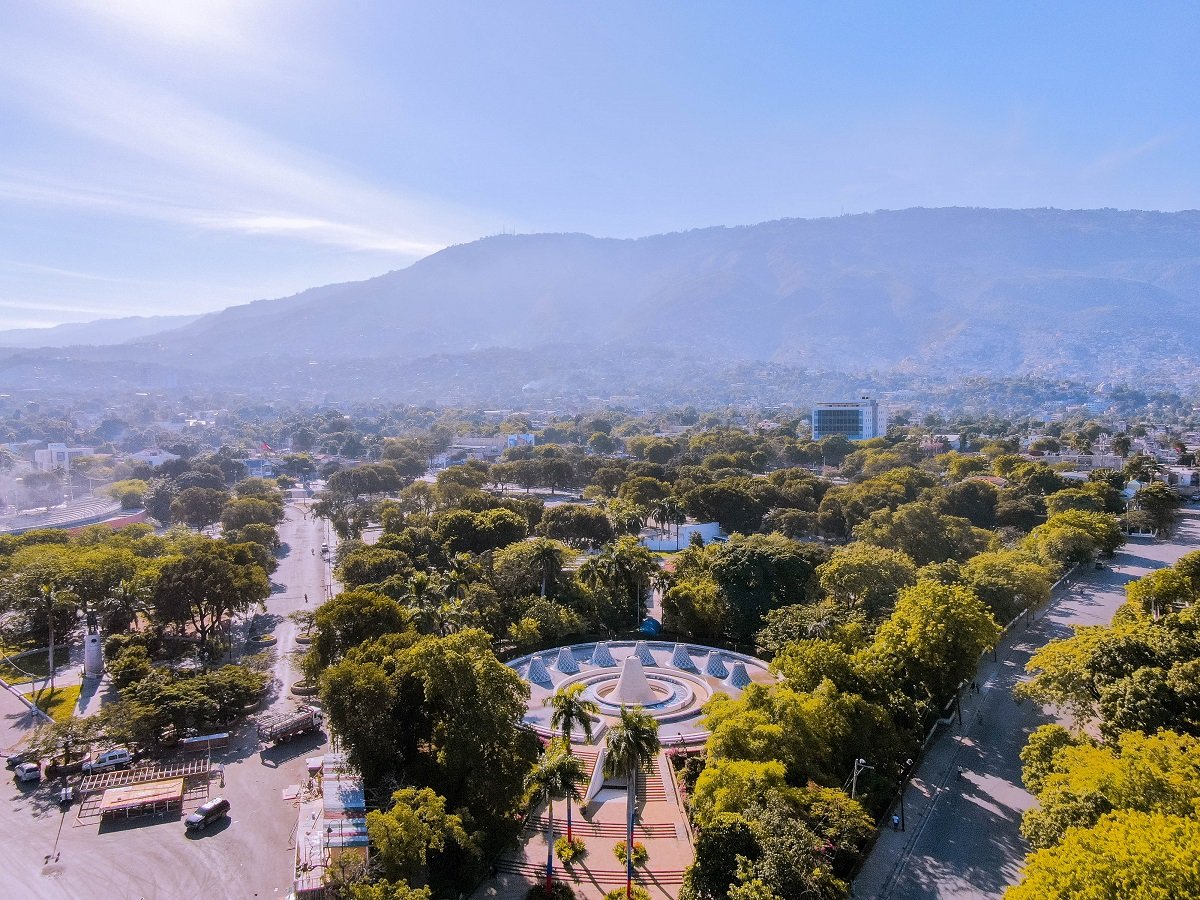
Haïti is blessed with spectacular natural landscapes, including white sand beaches, mountains and rich biodiversity.

Heritage

Heritage

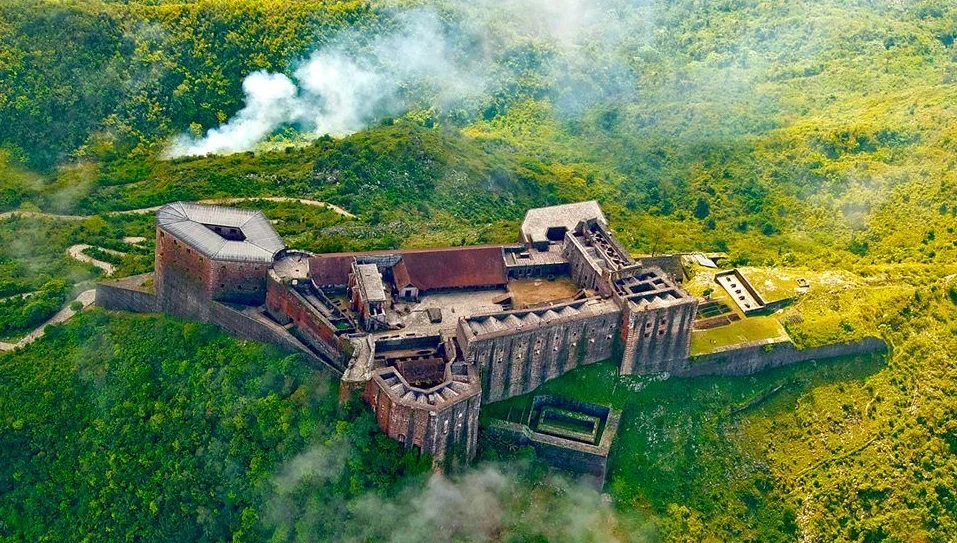
Haïti has a rich historical heritage, including sites like the Citadelle Laferrière and the Sans-Souci Palace, listed as UNESCO World Heritage Sites.

Culture

Culture

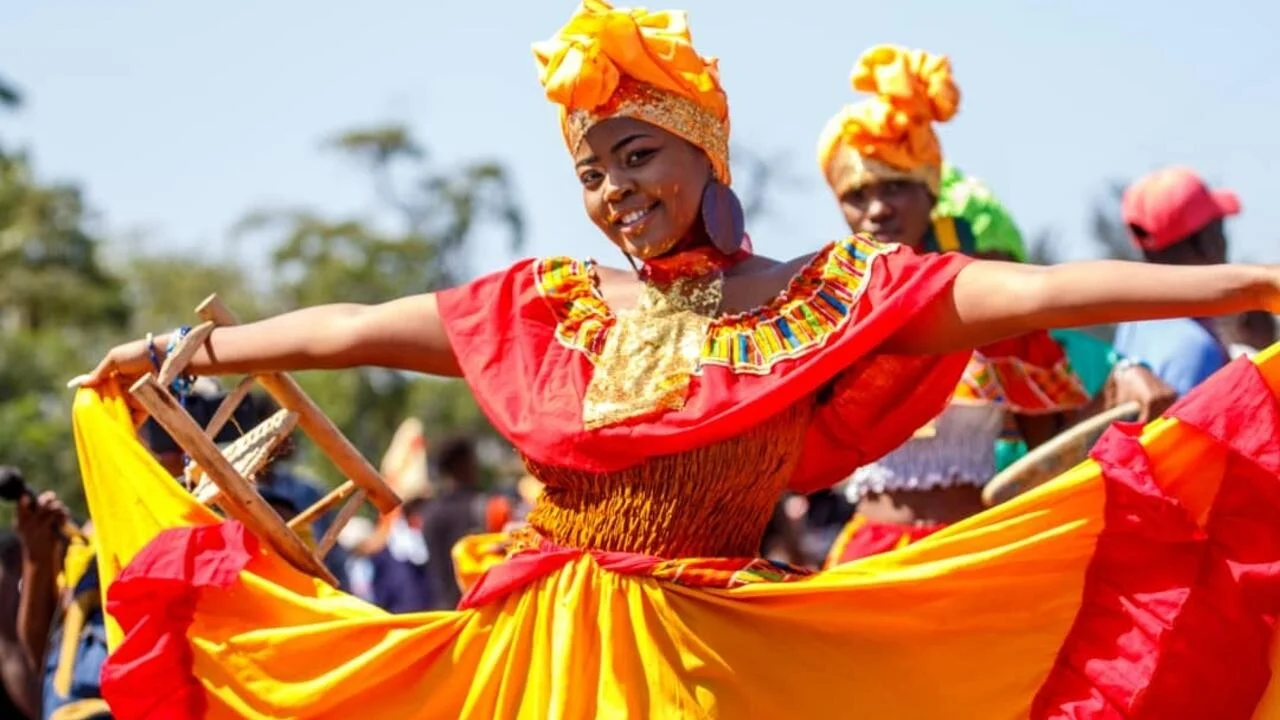
Haïti has a rich and diverse culture, influenced by African, European and indigenous elements. Haitian music, dance, art and cuisine are celebrated around the world.

  • +
    • Post