contact@haitiwonderland.com+509 36184317

Discover

Shopping Cart

What are the departments of Haiti?

What are the departments of Haiti?

Haiti, a country rich in history and culture, is divided into several administrative departments that structure its territory and reflect its geographical and cultural diversity. Each department has unique characteristics, contributing to the wealth of the nation. Discover the 10 departments of Haiti, their characteristics, and their role in the life of the country.

Haïti
Haïti
Haïti

An overview of the administrative organization of Haiti

The country is divided into 10 departments, themselves subdivided into districts, communes and communal sections. This organization aims to facilitate territorial management and decentralization.

- Total area of ​​Haiti: 27,750 km².
- Population: Approximately 12 million inhabitants, unevenly distributed between the departments.

Each department is a unique entity, characterized by its geography, economy and culture.

Haïti
Haïti
Haïti

List of the 10 departments of Haïti and their capitals

Here are the Haitian departments, accompanied by their capitals:

1. Artibonite
- Capital: Gonaïves.
- Special feature: Known as the agricultural granary of Haïti thanks to its vast fertile plains.
- Area: 4,984 km², the largest department in the country.

2. Centre
- Capital: Hinche.
- Special feature: Renowned for its mountainous landscapes and water resources, including Lake Péligre.

3. Grand’Anse
- Capital: Jérémie.
- Special feature: Famous for its beaches and literary heritage, being the birthplace of many Haitian poets.

4. Nippes
- Capital: Miragoâne.
- Special feature: Created in 2003, it is one of the newest and least populated departments in Haiti.

5. North
- Capital: Cap-Haïtien.
- Special feature: Home to the famous Citadelle Laferrière, a UNESCO World Heritage Site.

6. Northeast
- Capital: Fort-Liberté.
- Special feature: A department in full economic development thanks to its proximity to the Dominican Republic.

7. North-West
- Capital: Port-de-Paix.
- Special feature: Known for the islet of Tortue, which played a historical role in the pirate era.

8. West
- Capital: Port-au-Prince.
- Special feature: The most populated department, home to the national capital and the main political and economic institutions.

9. South
- Capital: Les Cayes.
- Special feature: Known for its heavenly beaches and annual carnival.

10. South-East
- Capital: Jacmel.
- Special feature: Renowned for its artistic and cultural scene, as well as its colorful carnival.

Haïti
Haïti
Haïti

Key figures on Haitian departments

- Largest department: Artibonite, with 4,984 km².
- Smallest department: North-East, with 1,805 km².
- Most populated department: West, with more than 4 million inhabitants.
- Least populated department: Nippes, with a lower density due to its rurality.

These departments reflect the geographical diversity of Haiti, between mountains, plains, coasts and forests.

Haïti
Haïti
Haïti

The importance of departments in daily life

Departments play a crucial role in organizing Haiti’s administrative, economic and social life:

- Administration: Each department is headed by a departmental delegate representing the central government.
- Economy: Natural resources and economic activities vary from one department to another (agriculture, tourism, fishing, crafts).
- Culture: Each region has its own traditions, music and festivities that enrich the national heritage.

This territorial structure is essential to meet local needs and strengthen community development.

A heritage to discover

Haiti’s departments, with their natural and cultural riches, are an invitation to explore the country in all its facets.

Have you ever visited a Haitian department? Share your experiences and impressions in the comments! Let yourself be inspired by this mosaic of regions that makes Haïti beautiful and strong.

Share
About the Author
Appolon Guy Alain
Appolon Guy Alain
Appolon Guy Alain

Full Stack Developer, Créatif, expérimenté, passionné des nouvelles technologies et de l’art.

See other articles from Appolon Guy Alain
Leave a comment

Recently Posted

Haiti: Discover the Magic of the Pichon Waterfall in Belle-Anse: A Natural Treasure to Explore

Located in the heart of southeastern Haiti, the Pichon Waterfall emerges as a natural gem, providing a breathtaking experience for visitors seeking adventure and natural beauty. Nestled in the lush greenery of the Belle-Anse region, this majestic waterfall amazes with its imposing height and its crystal clear waters which cascade down the rocks with grace. The Pichon waterfall is much more than just a natural wonder; it is a place steeped in history and legends, captivating visitors with its mystical ambiance. According to local tradition, it would have been a gathering place for indigenous communities, testifying to the cultural richness of the region. For outdoor enthusiasts and adventure-seeking travelers, Pichon Waterfall offers a myriad of exciting activities. Scenic hikes through the surrounding jungle lead to spectacular viewpoints of the waterfall, offering unforgettable opportunities to take stunning photos. Additionally, travelers can refresh themselves in the crystal clear waters of the waterfall, letting themselves be enveloped by the revitalizing freshness of nature. The more adventurous can even venture to swim in the natural pools formed by the waterfall, creating lasting memories of their visit to Belle-Anse. As an emerging tourist destination, Pichon Waterfall also offers a unique opportunity to experience local culture and support surrounding communities. Visitors can explore the nearby picturesque villages, discover local crafts and taste delicious traditional Haitian cuisine. Whether you are a nature enthusiast, an adventure lover or simply in search of tranquility and beauty, the Pichon waterfall in Belle-Anse invites you to immerse yourself in a world of natural wonders and unforgettable discoveries. Come discover this hidden treasure and let yourself be seduced by the magic of the Pichon waterfall, an unforgettable experience in the heart of Haiti.

Newsletter

Subscribe to our newsletter to stay informed of all our activities and news on Haiti.

A Call for Online Media Awareness to improve the image of Haïti on the internet

A simple Google search for "Haïti" will leave you with a bitter taste, as you will mostly discover degrading images that fail to pay homage to Haïti’s natural beauty, rich history, and vibrant culture. This reality stems from a multitude of online media outlets that, in their relentless quest for visibility and profit, disseminate images that do not reflect the true essence of Haïti. It is time to challenge this trend and raise awareness among Haïtian online media of the profound impact of their editorial choices on the image of their own country. b~The Consequences of the Dissemination of Degrading Images:~b Sharing degrading images of Haïti contributes to perpetuating prejudices and reinforcing negative stereotypes associated with the country. This can have serious consequences for tourism, foreign investment, and even the national pride of Haïtians. Furthermore, it creates a distortion of reality, masking the many positive and inspiring aspects of Haïti. b~A Call for Editorial Responsibility:~b It is imperative that Haïtian online media take editorial responsibility in ensuring that the images and stories they broadcast reflect the diversity and richness of Haïti. Rather than focusing only on the negative aspects, they should highlight the successes, positive initiatives, and exceptional contributions of Haïtians to global society. b~Promote a Balanced Image:~b Haïti’s diversity, both culturally and socially, deserves to be celebrated. Haïtian online media have the opportunity to play a key role in promoting a more balanced image of the country by highlighting its successes, its innovations and its rich history. This will not only help educate the global public, but also inspire pride and confidence in Haïtians themselves. It is time for Haïtian online media to realize their power as opinion shapers and actively contribute to transforming Haïti’s image. By choosing to share balanced and positive stories, they can play a vital role in building a more accurate and respectful perception of this remarkable country. It is a call for editorial responsibility, sensitivity and national pride, in order to restore Haïti to its rightful place on the world stage.

Haiti: The Center department, one of the departments most resistant to natural earthquakes

The Center department, commonly called Plateau Central, is one of the ten (10) departments of Haïti most robust in the face of certain natural phenomena. Before becoming one of the ten (10) departments of Haiti, the Center department was part of the Great North. It is renowned for its natural landscapes, its biosphere climate and its resistance to certain natural phenomena. In addition to its natural productions such as corn, millet and livestock, the Center department is also known for its high mountains which constitute a robust defense against certain natural phenomena such as earthquakes and floods. Composed mainly of high mountains, the department of Charlemagne Peralte and Benoît Batravil is the only one of the ten (10) not to have an outlet to the sea. However, its inhabitants take advantage of the vast rivers, rivers and lakes which cross it . With an area of ​​3,487 km², the population of the Center department is estimated at 678,626 according to a study carried out in 2009. On this same area, the department is divided into four (4) districts and twelve (12) communes. Bordered to the east by the Dominican Republic, the Center department connects other departments of the country such as Nord and Artibonite, and connects the two countries of the island through border areas like Balladère, Hinche and Cerca Carvajal. In the Center department, there are sites that could attract tourists for their natural beauty. In Saut d’Eau, there is the Saut d’Eau waterfall, in Hinche we find the Zim basin, the Péligre lake, the Péligre hydroelectric dam, the Artibonite river, and the Deux river (2 ) Rooms in Thomonde, more precisely in "El Manni", not far from the communal section of Caille-Epin. Thanks to its strong mountains and its natural climate, the Center department remains one of the most resistant departments in the event of an earthquake in Haiti.

Recently Posted

History

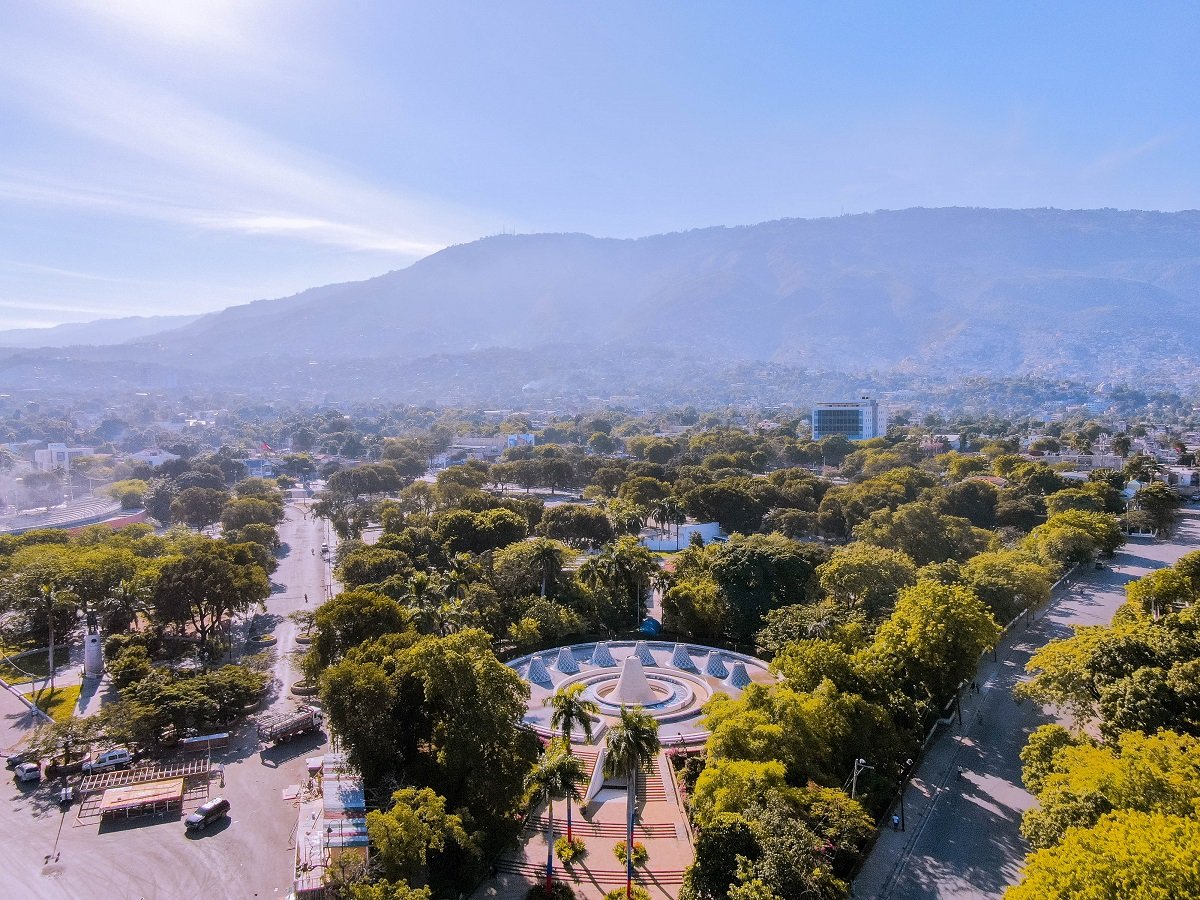
History

First black nation to free itself from slavery and gain independence from France in 1804 and influenced other liberation movements around the world, inspiring struggles for freedom and equality.

Natural beauty

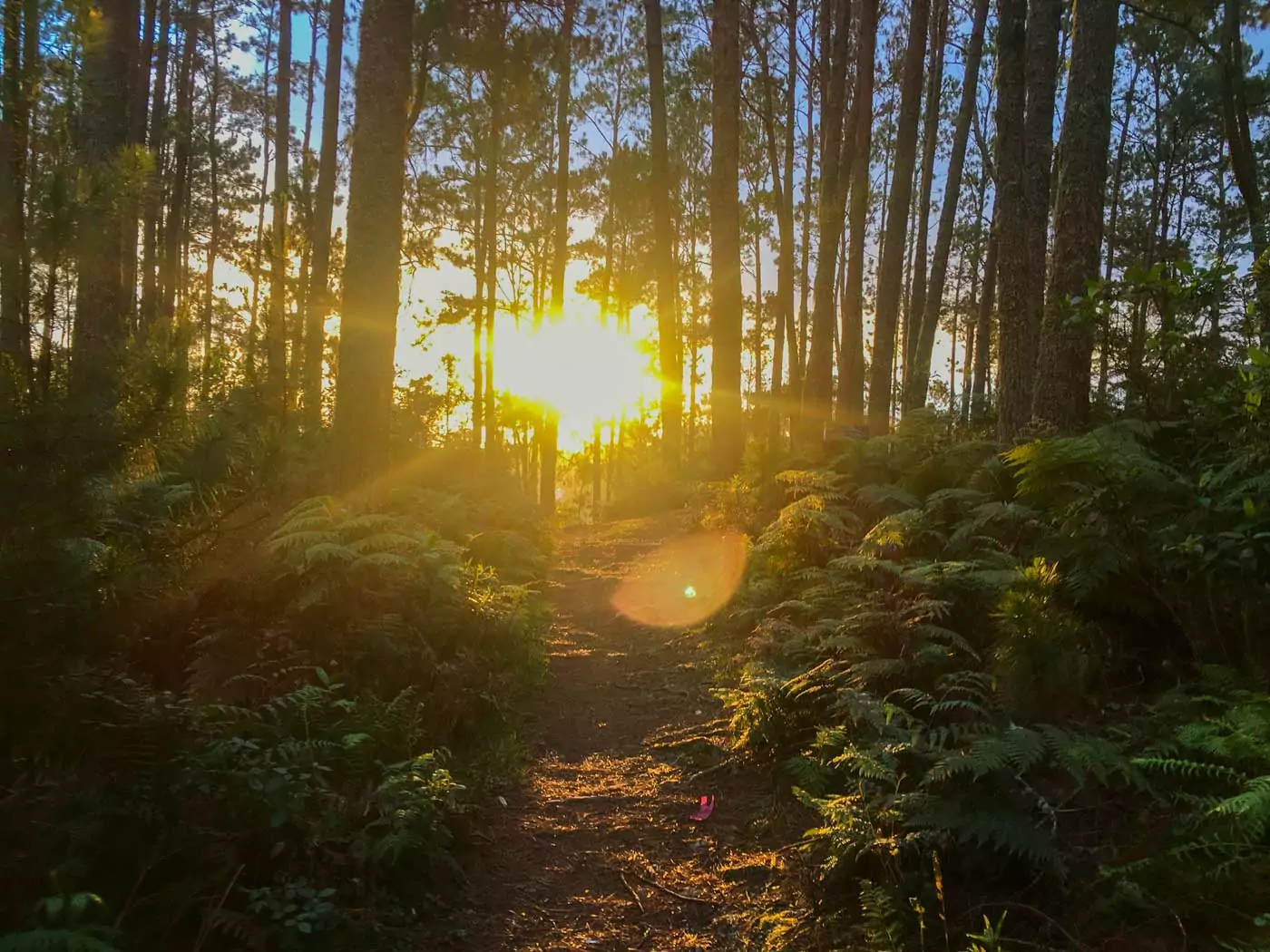
Natural beauty

Haïti is blessed with spectacular natural landscapes, including white sand beaches, mountains and rich biodiversity.

Heritage

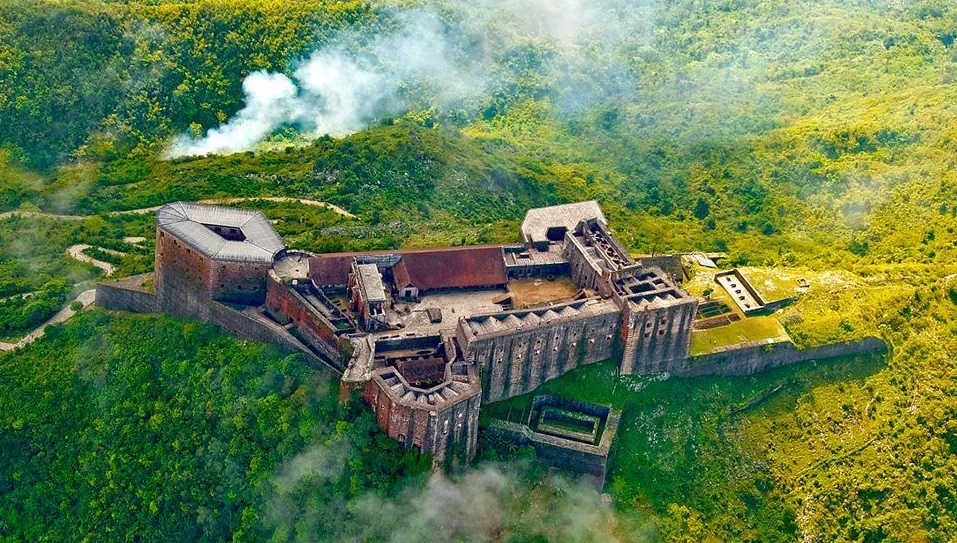
Heritage

Haïti has a rich historical heritage, including sites like the Citadelle Laferrière and the Sans-Souci Palace, listed as UNESCO World Heritage Sites.

Culture

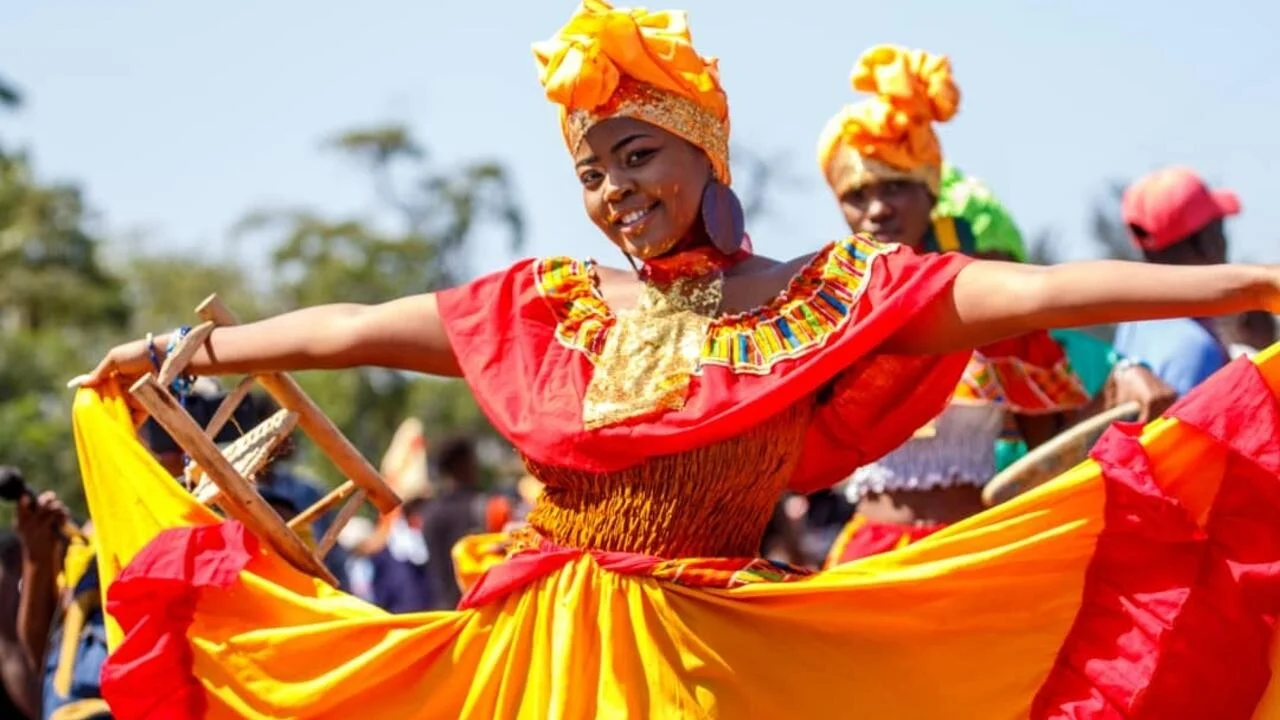
Culture

Haïti has a rich and diverse culture, influenced by African, European and indigenous elements. Haitian music, dance, art and cuisine are celebrated around the world.

  • +
    • Post