contact@haitiwonderland.com+509 36184317

Discover

Shopping Cart

How do Haitians celebrate Christmas?

How do Haitians celebrate Christmas?

Christmas in Haïti is a holiday full of traditions, spirituality and moments of conviviality. Marked by religious celebrations, family feasts and unique cultural expressions, Haitian Christmas is a magical time that reflects the generous and festive soul of the Haitian people. This article takes you to the heart of Christmas traditions in Haiti.

A Religious Celebration at the Heart of Christmas

For Haitians, Christmas often begins with religious celebrations. Most families go to church to attend midnight mass or special services held on December 24 or 25. These moments of prayer and song are an opportunity to reconnect with their Christian faith and celebrate the birth of Jesus Christ.

Traditional Christmas carols, often performed in Creole, occupy an important place in these ceremonies. They reflect both religious fervor and the richness of Haitian musical culture. Churches, decorated for the occasion, become community gathering places, symbolizing unity and peace.

Haïti
Haïti
Haïti

Family Reunions: At the Heart of the Holidays

In Haiti, Christmas is above all a family celebration. Families come together, often as early as December 24, to share a sumptuous meal. This moment of conviviality is a way to strengthen family ties and create unforgettable memories.

The Christmas meal is a feast that highlights Haitian cuisine. Among the most popular dishes are griot (fried pork), roast turkey, rice stuck to peas, bananas weighed, and desserts such as pain patate or rum cake. To accompany this feast, Haitians often enjoy the famous crémas, a sweet and creamy drink made with condensed milk and rum.

In many families, the meal is prolonged by lively discussions, laughter, and sometimes even singing or dancing. It is a time of sharing and joy, where everyone expresses their gratitude for the past year.

Haïti
Haïti
Haïti

Traditions of Sharing and Generosity

Christmas in Haïti is also a time marked by a strong spirit of solidarity. Haitians take advantage of this holiday to help the less fortunate. Churches, associations and even individuals organize collections or community meals to ensure that no one is left behind during the holidays.

Children play a central role in this generosity. It is common for families to give symbolic gifts to the youngest, often in the form of toys or clothing. In some neighborhoods, children sing Christmas carols in the streets, receiving sweets or small contributions in return.

Haïti
Haïti
Haïti

Animated and Lively Holidays

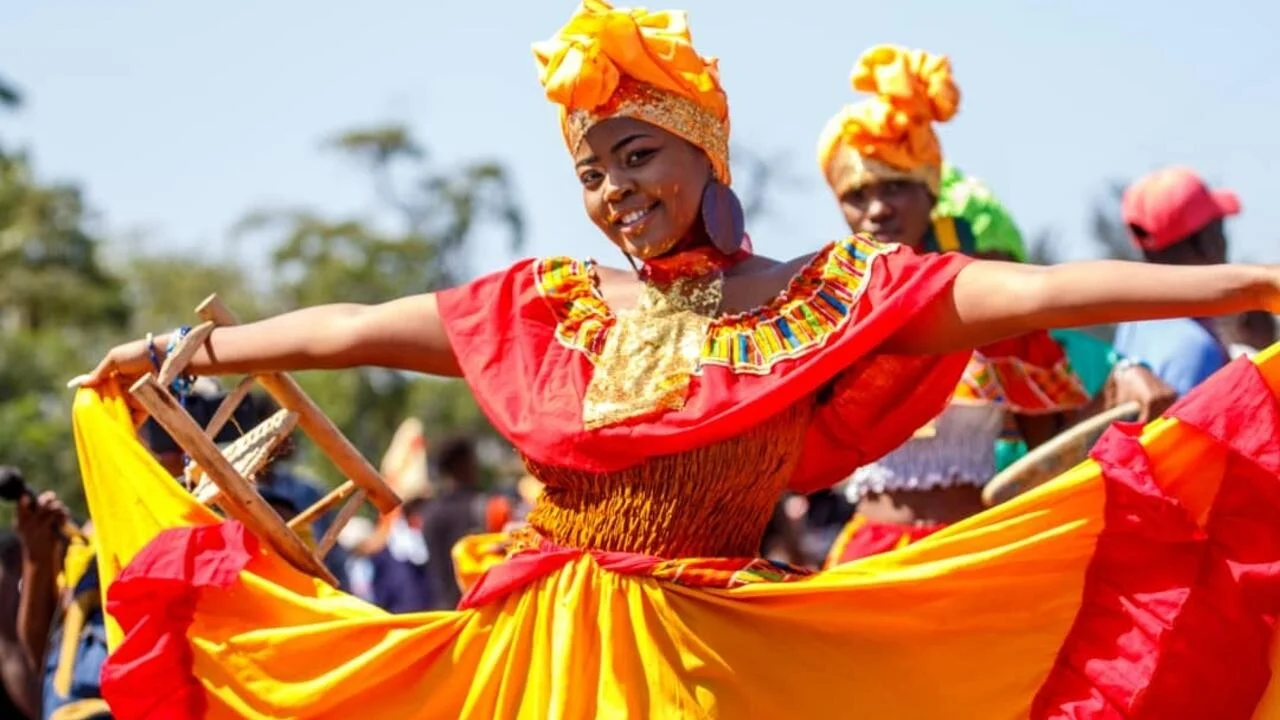
In Haiti, Christmas is not limited to a single day. The entire holiday season is animated by traditions and celebrations. Christmas markets, music concerts, and dance parties add a festive atmosphere to cities and villages.

Christmas decorations are also present. Although modest in some regions, they are nonetheless full of charm. Houses are decorated with fairy lights and, sometimes, improvised Christmas trees, often made from local materials.

In Haitian culture, Christmas is also an opportunity to tell stories, pass on local legends, or revisit biblical stories around the nativity. These moments of storytelling strengthen intergenerational bonds and preserve cultural traditions.

Haïti
Haïti
Haïti

Christmas: A Celebration That Brings People Together and Inspires

For Haitians, Christmas is a celebration that goes far beyond gifts and feasts. It is a time when faith, family, and generosity take on their full meaning. Celebrations, whether modest or grandiose, are always marked by a deep respect for traditions and a spirit of unity.

Between time spent in church, meals shared with family, and solidarity initiatives, Christmas in Haïti is a celebration that perfectly illustrates the values ​​of community and human warmth specific to the Haitian people. It is a time when everyone, rich or poor, celebrates hope, peace, and the joy of living.

Share
About the Author
Appolon Guy Alain
Appolon Guy Alain
Appolon Guy Alain

Full Stack Developer, Créatif, expérimenté, passionné des nouvelles technologies et de l’art.

See other articles from Appolon Guy Alain
Leave a comment

Recently Posted

Haïti, a rich and impoverished country

Located in the western part of the island of Hispaniola, Haïti is a land imbued with natural, cultural and historical wealth. Unfortunately, behind the beauty of its landscapes, the richness of its culture and the delicacy of its cuisine lies a complex reality marked by the debt of its independence and the persistent interference of third countries, casting a shadow over its stability. b~The Natural Beauty of Haïti~b Haïti, nicknamed the "Pearl of the Antilles", dazzles with the diversity of its landscapes. From majestic mountains and lush valleys to meandering rivers and sandy beaches, the country offers natural beauty worth celebrating. The famous Citadelle Laferrière mountains and the refreshing waterfalls of Bassin-Bleu are just a few examples of the splendor that characterizes this nation. b~A Rich and Diverse Culture~b Haïti stands out for its vibrant and diverse culture. A heritage of African, French and indigenous influence, Haïtian music, dance and art reflect a unique fusion. Colorful festivals, like Carnival, are celebrations of this cultural richness, attracting visitors from all over the world. b~Delicious Cuisine~b Haïtian cuisine, tasty and spicy, is another aspect worth celebrating. Dishes like griot, sticky rice, and the legendary joumou soup, traditionally prepared to commemorate independence, are all culinary delights that demonstrate the country’s gastronomic ingenuity. b~Heritage Treasures and Paradise Beaches~b Haïti’s heritage treasures, such as the remains of the Sans-Souci Palace and the Citadelle Laferrière, listed as UNESCO World Heritage Sites, are testimonies to the architectural grandeur of Haïti’s past. At the same time, beaches like Labadee and Jacmel offer havens of peace with crystal clear waters, attracting travelers in search of a tropical paradise. b~A Fascinating Story~b The history of Haïti is both fascinating and tragic. It was the first country in the Americas to gain its independence, in 1804, after a courageous slave revolt. However, this independence came with a heavy financial price. France demanded exorbitant compensation, thus laying the foundations for Haïti’s foreign debt. b~The Debt of Independence and Foreign Interference~b Despite these treasures, Haïti struggles with the reality of its independence debt. After gaining its freedom, the country was forced to pay France a considerable sum in compensation for losses associated with the abolition of slavery. This debt has been a major economic burden for Haïti, hindering its development. Additionally, foreign interference continues to create significant challenges. External political and economic interventions have often contributed to the country’s instability, hindering its ability to build a sustainable future for its citizens. b~In conclusion~b Haïti remains a country of multiple riches, but its challenges persist. Despite its natural beauty, rich culture and fascinating history, the nation needs enlightened international support and lasting solutions to overcome the obstacles that stand in its way. Haïti’s wealth lies not only in its enchanting landscapes, but also in the potential of its people to be resilient and prosper despite persistent challenges.

Discover the Hidden Gem of Caracol: A Peaceful Haven in Haiti

Nestled in the enchanting embrace of Haiti’s North East department lies a true marvel – Caracol. This picturesque area is more than just a destination; it’s a sanctuary where tranquility dances in harmony with the gentle whispers of nature. From the chirping of content birds to the warm smiles of its inhabitants, Caracol is a true wonderland waiting to be explored. One of the most captivating aspects of Caracol is its serene ambiance. Here, peace isn’t just a concept; it’s a way of life. Even the birds seem to sing with an extra ounce of joy, as if they’ve found their own slice of paradise amidst the lush greenery. Stepping into Caracol feels like entering a world where time slows down, allowing you to embrace the simple pleasures of life. But what truly sets Caracol apart is its people – kind-hearted souls who find solace in the simplicity of their daily lives. Engaged in activities like fishing and gardening, they embody a deep connection to the land that sustains them. And amidst it all, the industrious spirit of Caracol shines through, with the industrial parc serving as a beacon of progress and opportunity for the community. Yet, amidst the tranquil rhythm of everyday life, Caracol pulsates with the vibrant energy of Haitian culture. Voodoo, an integral part of local life, weaves its mystical threads into the fabric of daily rituals and traditions. And come July, the entire community comes alive with patronal celebrations that draw Haitian diaspora from every corner of the globe. It’s a time of joyous reunions, where cultural immersion meets spirited competitions, from exhilarating running races to thrilling boat races on the sparkling waters. As the sun sets on another day in Caracol, the excitement doesn’t end – it transforms. Carnival season, known as "mardi gras," casts its spell over the land, igniting the imaginations of children who eagerly don disguises and wield whips to make merry mischief. Laughter fills the air as they chase each other, their gleeful shrieks echoing through the streets, creating memories that will last a lifetime. In Caracol, every moment is a celebration, every day a testament to the resilience and warmth of its people. So, whether you’re seeking a tranquil retreat or a cultural adventure, Caracol invites you to discover its hidden wonders and experience the magic for yourself. After all, in this captivating corner of Haiti, every day is a journey into the heart of paradise.

Newsletter

Subscribe to our newsletter to stay informed of all our activities and news on Haiti.

Recently Posted

History

History

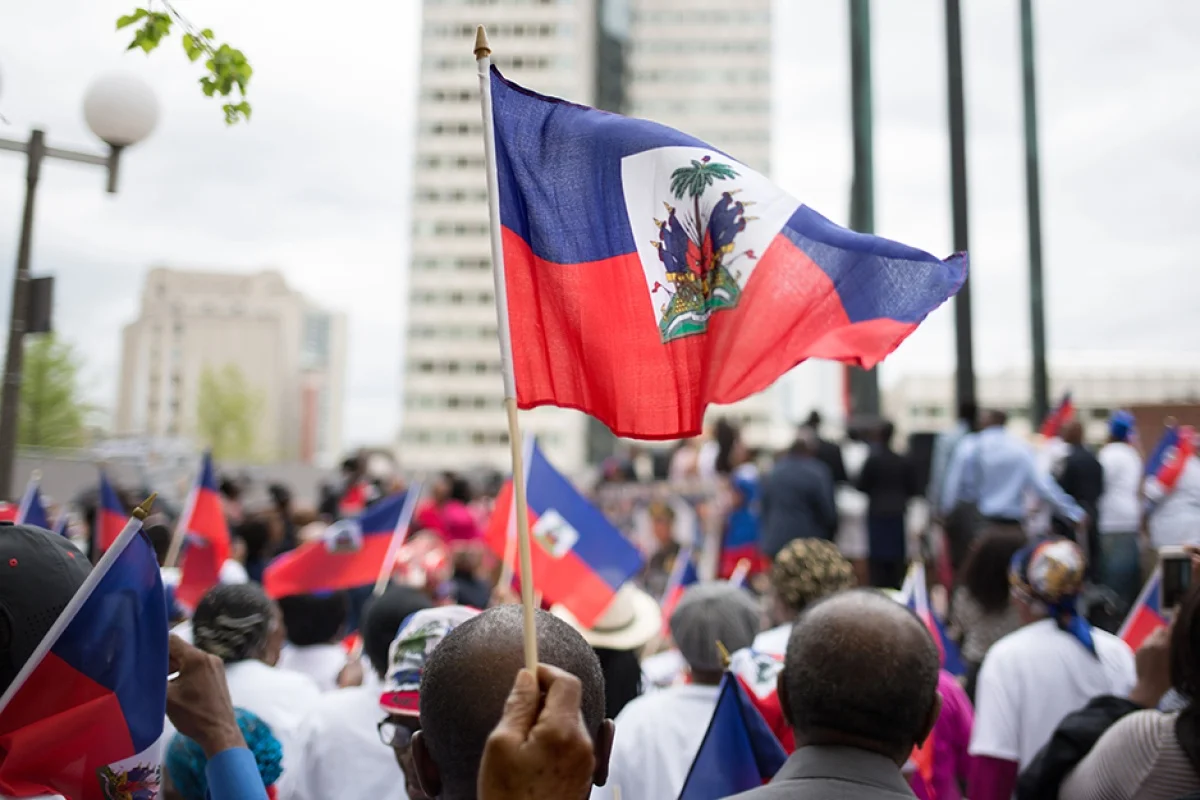
First black nation to free itself from slavery and gain independence from France in 1804 and influenced other liberation movements around the world, inspiring struggles for freedom and equality.

Natural beauty

Natural beauty

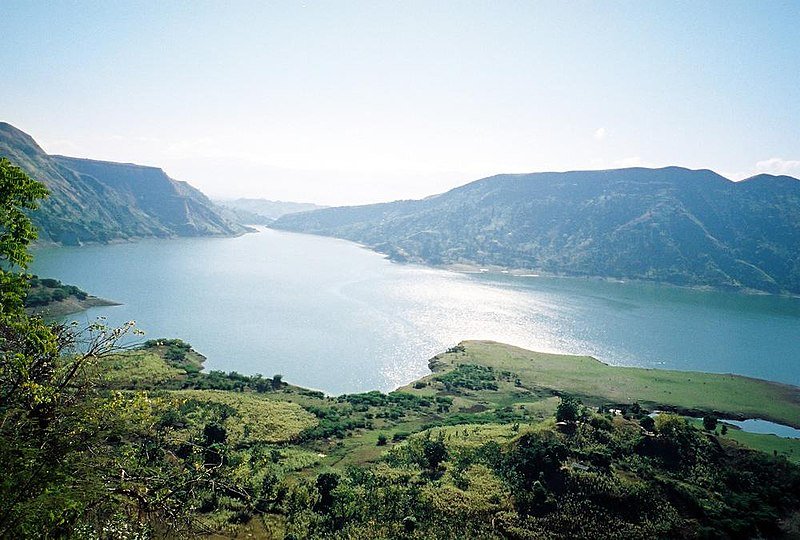
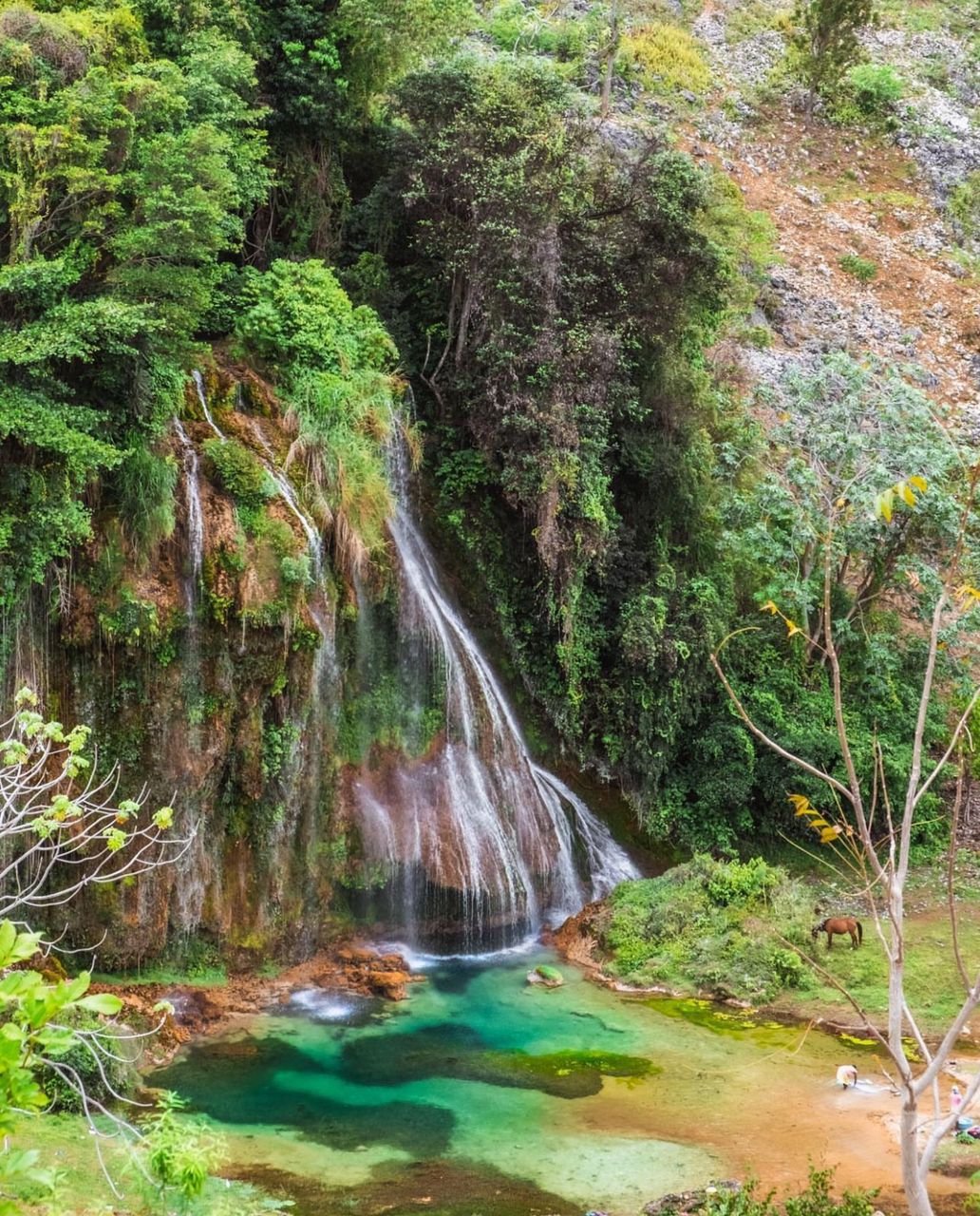
Haïti is blessed with spectacular natural landscapes, including white sand beaches, mountains and rich biodiversity.

Heritage

Heritage

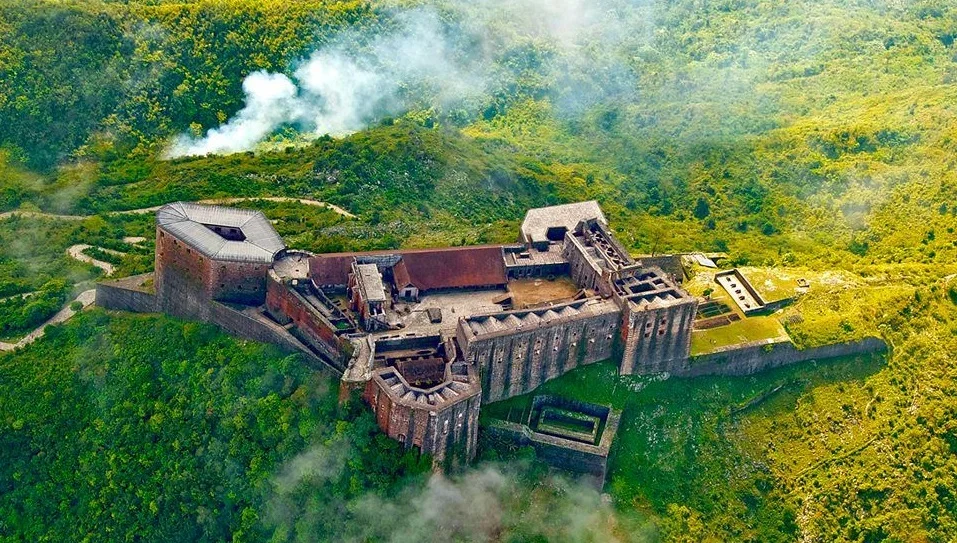
Haïti has a rich historical heritage, including sites like the Citadelle Laferrière and the Sans-Souci Palace, listed as UNESCO World Heritage Sites.

Culture

Culture

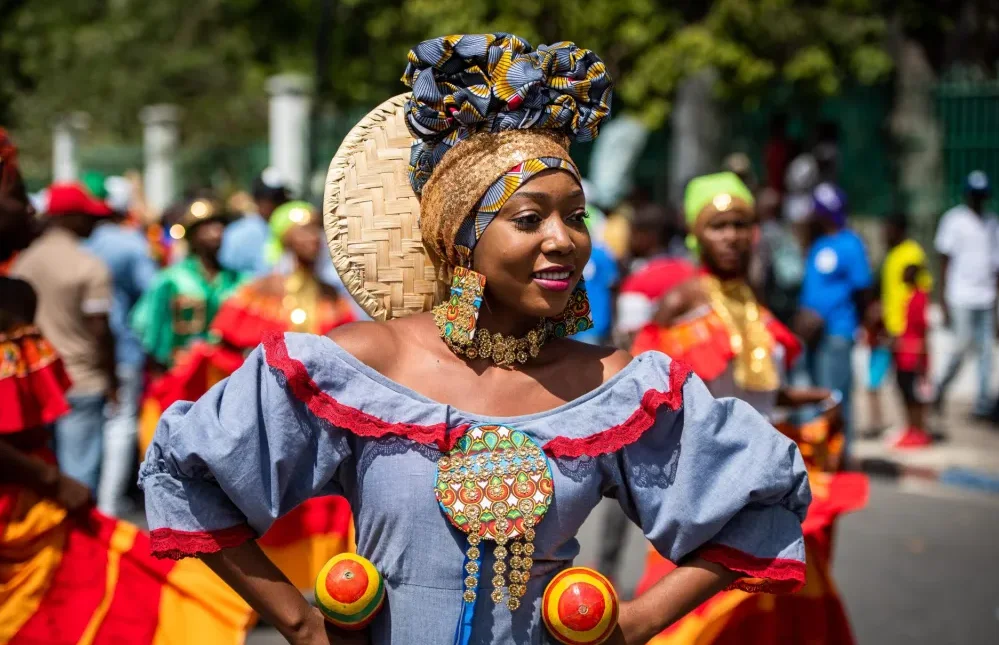
Haïti has a rich and diverse culture, influenced by African, European and indigenous elements. Haitian music, dance, art and cuisine are celebrated around the world.

  • +
    • Post