contact@haitiwonderland.com+509 36184317

Discover

Shopping Cart

What is the most popular dish in Haiti?

What is the most popular dish in Haiti?

Haitian cuisine is full of flavors, colors, and aromas that reflect the country’s history and cultural diversity. Among the most iconic dishes, "Diri sòs pwa ak legim" (rice, pea sauce, and vegetables) stands out as a true culinary treasure. This dish is much more than just a meal: it symbolizes the sharing, tradition, and creativity of Haitians. In this article, let’s discover why this dish is so popular and what makes it an icon of Haitian gastronomy.

A pillar of Haitian cuisine

"Diri sòs pwa ak legim" is omnipresent in Haitian homes, on all occasions, whether it is a regular meal or a festive feast. Each component of the dish plays an essential role:
- Diri (rice): Often prepared with spices, butter or oil, rice is a staple food in Haiti.
- Sòs pwa (pea sauce): This sauce is made with peas (red, black or white), simmered with spices like garlic, thyme and cloves. It is rich in flavors and nutrients.
- Legim (vegetables): A mixture of vegetables like cabbage, carrots, spinach and eggplant, cooked with meat (often beef or crab) for a melting texture and a savory taste.

This harmonious marriage offers a perfect balance of protein, fiber and carbohydrates, while delighting the taste buds.

A dish with historical roots

The origins of "Diri sòs pwa ak legim" date back to the colonial era, when basic ingredients such as rice and peas were introduced to the plantations. Over time, Haitians have enriched these simple products with their culinary know-how and the use of local spices.

This dish also reflects the influence of African, European and Amerindian cultures that have shaped Haitian gastronomy.

A symbol of conviviality

In Haiti, sharing a dish of "Diri sòs pwa ak legim" is a mark of hospitality and generosity. Whether during Sunday family meals or special festivities such as Independence Day (January 1), this dish brings together young and old around the table.

In rural communities, preparing the vegetable is often a collective effort, with each member of the family or neighborhood contributing, thus strengthening social ties.

Key figures on the consumption of "Diri sòs pwa ak legim" in Haiti

- Rice: Haïti consumes approximately 450,000 tons of rice per year, much of which is used for this dish.
- Peas: Red and black peas are among the most widely grown legumes in the country, representing approximately 30% of local production.
- Prevalence: Nearly 80% of Haitian households prepare this dish at least once a week.

Regional variations

Each region of Haïti brings a unique touch to this dish:
- In the North, the pea sauce can be enriched with winged peas (Congo peas).
- In the West, the vegetable is often prepared with crab or shrimp, adding a maritime flavor.
- In the South, the rice can be cooked with coconut for a sweet and fragrant note.

These variations show how adaptable this dish is while staying true to its roots.

Did you know?

- "Diri sòs pwa ak legim" is often accompanied by pikliz, a spicy condiment made from marinated vegetables, which adds spice to the meal.
- This dish is sometimes nicknamed "complete meal" because of its high nutritional value.
- The rice used is often imported, which leads some to promote the consumption of local rice to support the Haitian economy.

A dish to discover and celebrate

"Diri sòs pwa ak legim" is much more than just a meal. It is a true celebration of Haiti’s culinary and cultural richness. By tasting this dish, we discover not only unique flavors, but also the history and soul of a proud and creative people.

Have you ever tasted this iconic dish? Share your impressions or recipes in the comments!

Share
About the Author
Appolon Guy Alain
Appolon Guy Alain
Appolon Guy Alain

Full Stack Developer, Créatif, expérimenté, passionné des nouvelles technologies et de l’art.

See other articles from Appolon Guy Alain
Leave a comment

Recently Posted

Carrefour: Kay Jèn Yo s’ouvre aux enfants

Dans le cadre du programme de promotion des droits et de l’épanouissement de l’enfant "Timoun se moun" piloté par l’organisation Action Communautaire de Transformation et d’Intégration Formelle (ACTIF), Kay Jèn Yo organise, du 18 au 24 août 2025 (9h am - 1h pm), "Espas Lajwa", un camp d’été qui cible trente (30) enfants de 7 à 15 ans. Une grande panoplie d’activités éducatives, créatives et ludiques sont programmées pour le plus grand bien des enfants. Ils auront droit à des ateliers de : peinture, crochet, macramé, langue des signes, théãtre, lecture, échec, etc. Dans un contexte aussi traumatogène où la violence est monnaie courante, de telles initiaves sont d’une importance capitale. " Les enfants ne sont pas imperméables au stress et autres pathologies que peut provoquer la situation morbide qui sévit dans le pays actuellement", souligne Blondy Wolf Leblanc (Gabynho) DG a.i de ACTIF. "Espace Lajwa se veut donc, un refuge, un lieu où les enfants peuvent s’exprimer en toute sécurité, un espace sécurisant où ils peuvent exprimer leurs émotions à travers plusieurs médiums", précise-t-il. Plus loin, l’animateur socioculturel encourage d’autres structures à travers le pays à prendre des initiatives de ce genre au bénéfice de la santé mentale des enfants. Espas Lajwa est quasiment gratuit. Un frais de participation de 150 gourdes est requis pour la semaine. Quid Kay Jèn Yo Issu du projet "Pran Swen Tèt ou", Kay Jèn Yo est un projet de l’organisation ACTIF supporté par La Perfection École de Haute Couture visant à combattre la violence par l’engagement communautaire à travers des programmes de formation professionnelle et artistique. Situé au numéro 18, imp. Thoby, rue Desdunes, Mahotière 79, Kay Jèn Yo est ouvert du lundi au dimanche (9h am - 6h pm). Sebastien Jean Michel

Newsletter

Subscribe to our newsletter to stay informed of all our activities and news on Haiti.

Discover the Hidden Gem of Caracol: A Peaceful Haven in Haiti

Nestled in the enchanting embrace of Haiti’s North East department lies a true marvel – Caracol. This picturesque area is more than just a destination; it’s a sanctuary where tranquility dances in harmony with the gentle whispers of nature. From the chirping of content birds to the warm smiles of its inhabitants, Caracol is a true wonderland waiting to be explored. One of the most captivating aspects of Caracol is its serene ambiance. Here, peace isn’t just a concept; it’s a way of life. Even the birds seem to sing with an extra ounce of joy, as if they’ve found their own slice of paradise amidst the lush greenery. Stepping into Caracol feels like entering a world where time slows down, allowing you to embrace the simple pleasures of life. But what truly sets Caracol apart is its people – kind-hearted souls who find solace in the simplicity of their daily lives. Engaged in activities like fishing and gardening, they embody a deep connection to the land that sustains them. And amidst it all, the industrious spirit of Caracol shines through, with the industrial parc serving as a beacon of progress and opportunity for the community. Yet, amidst the tranquil rhythm of everyday life, Caracol pulsates with the vibrant energy of Haitian culture. Voodoo, an integral part of local life, weaves its mystical threads into the fabric of daily rituals and traditions. And come July, the entire community comes alive with patronal celebrations that draw Haitian diaspora from every corner of the globe. It’s a time of joyous reunions, where cultural immersion meets spirited competitions, from exhilarating running races to thrilling boat races on the sparkling waters. As the sun sets on another day in Caracol, the excitement doesn’t end – it transforms. Carnival season, known as "mardi gras," casts its spell over the land, igniting the imaginations of children who eagerly don disguises and wield whips to make merry mischief. Laughter fills the air as they chase each other, their gleeful shrieks echoing through the streets, creating memories that will last a lifetime. In Caracol, every moment is a celebration, every day a testament to the resilience and warmth of its people. So, whether you’re seeking a tranquil retreat or a cultural adventure, Caracol invites you to discover its hidden wonders and experience the magic for yourself. After all, in this captivating corner of Haiti, every day is a journey into the heart of paradise.

Recently Posted

History

History

First black nation to free itself from slavery and gain independence from France in 1804 and influenced other liberation movements around the world, inspiring struggles for freedom and equality.

Natural beauty

Natural beauty

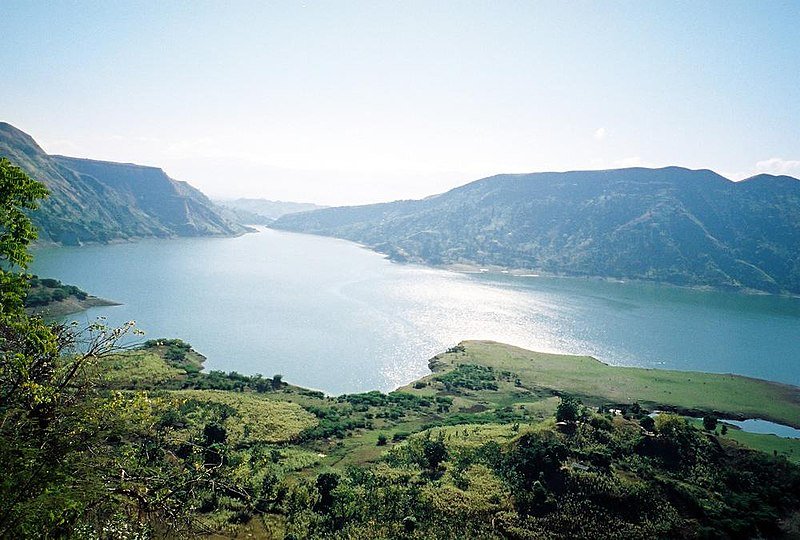
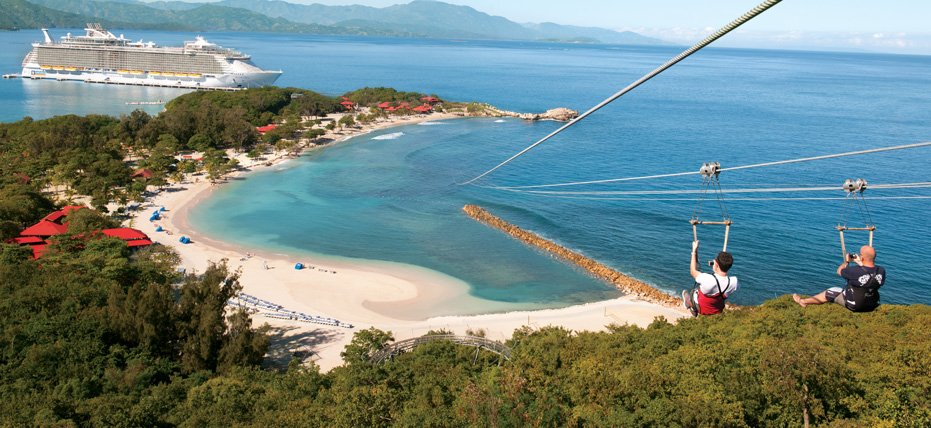
Haïti is blessed with spectacular natural landscapes, including white sand beaches, mountains and rich biodiversity.

Heritage

Heritage

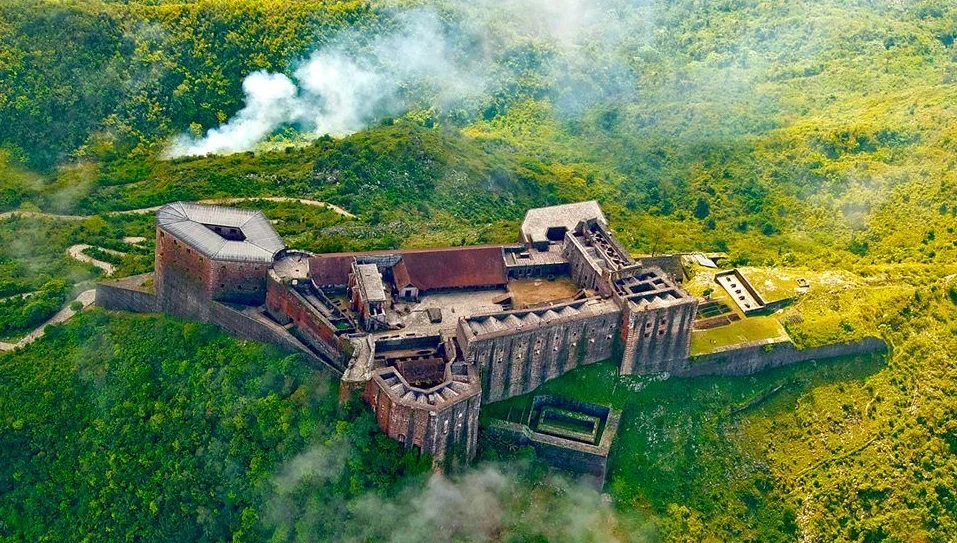
Haïti has a rich historical heritage, including sites like the Citadelle Laferrière and the Sans-Souci Palace, listed as UNESCO World Heritage Sites.

Culture

Culture

Haïti has a rich and diverse culture, influenced by African, European and indigenous elements. Haitian music, dance, art and cuisine are celebrated around the world.

  • +
    • Post