contact@haitiwonderland.com+509 36184317

Discover

Shopping Cart

What is the name of the largest forest in Haiti?

What is the name of the largest forest in Haiti?

Haiti, rich in biodiversity and natural landscapes, is home to forests that are a testament to the beauty and ecological importance of the island. Among them, one stands out as the largest and most emblematic in the country. So, what is this forest? Discover its name, characteristics and importance for the Haitian environment.

Haïti
Haïti
Haïti

The Pine Forest: A Jewel of Haitian Nature

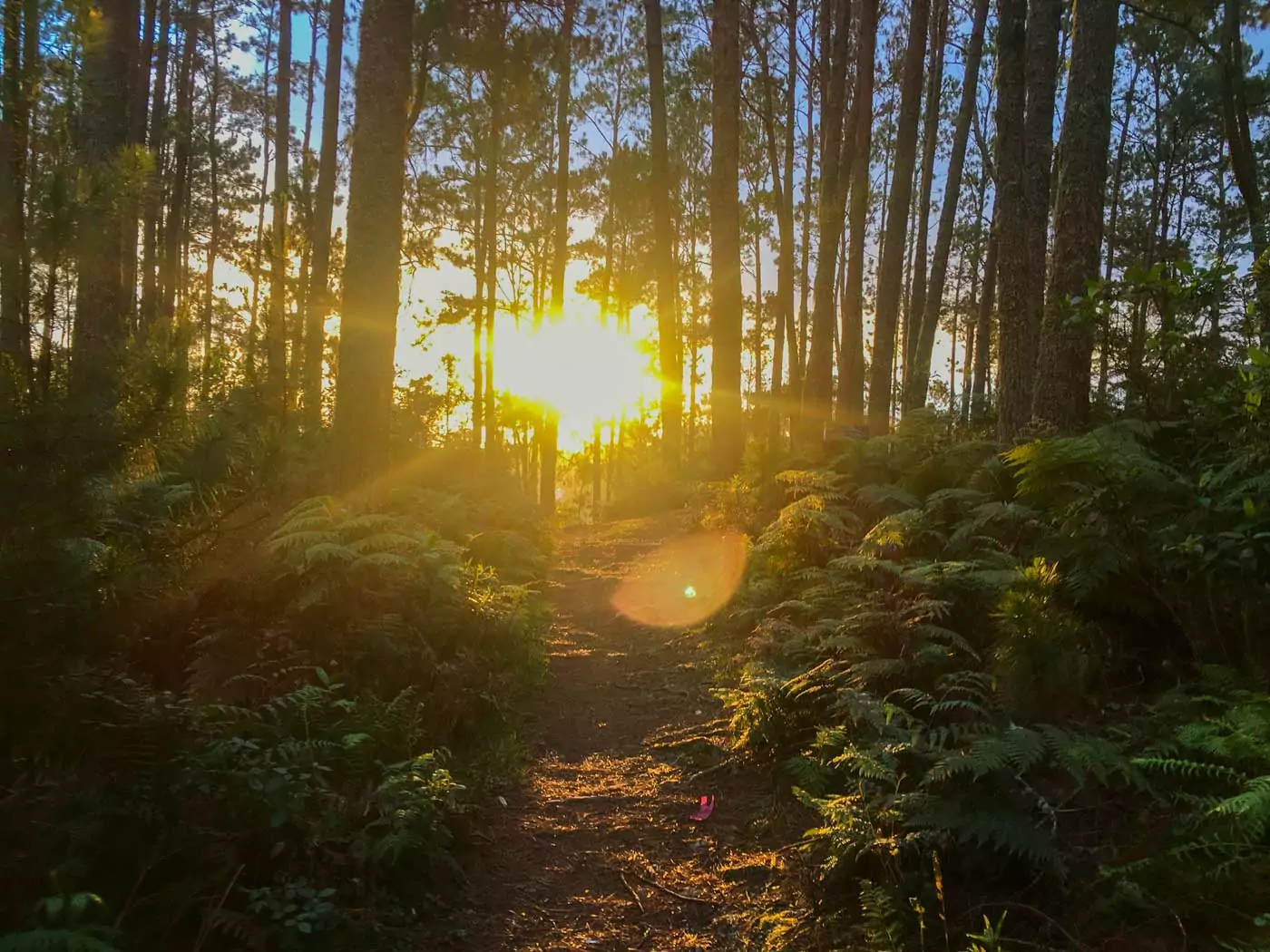
The largest forest in Haïti is called the Pine Forest. Located in the southeast of the country, it extends over the West and Southeast departments. This forest, which is part of the Selle mountain range, is a unique natural space, famous for its vast expanses of Caribbean pines and spectacular landscapes.

A Forest in the Heart of the Selle Range

The Pine Forest is located at an altitude varying between 1,700 and 2,400 meters. This elevation gives it a cooler and more humid climate than in the rest of the country, creating an ideal habitat for a wide variety of flora and fauna. Caribbean pines, an emblematic species of the region, dominate the landscape.

The Ecological Importance of the Pine Forest

This forest plays a crucial role in Haiti’s ecosystem:
- Biodiversity reservoir: The Pine Forest is home to unique plant and animal species, some of which are endemic to the island of Hispaniola.
- Protection of water resources: It is a major source of rainwater capture, feeding the rivers and water tables of the surrounding regions. - Climate regulation: Thanks to its trees, the forest helps stabilize the local climate and reduce soil erosion, a common problem in Haiti.

The Conservation Challenges of the Pine Forest

Despite its importance, the Pine Forest faces several threats:
- Deforestation: Illegal logging, often to produce charcoal or for agriculture, reduces its surface area each year.
- Climate change: Variations in temperature and precipitation affect the health of this fragile ecosystem.
- Lack of sustainable management: Initiatives to protect the forest exist, but they sometimes struggle to meet local and environmental needs.

The Pine Forest: A National Pride

The Pine Forest is much more than just a wooded area. It is a symbol of Haiti’s natural wealth and a pillar for the communities that depend on it. Efforts are underway, through reforestation and awareness projects, to preserve this ecological treasure for future generations.

How to Visit the Pine Forest?

For nature lovers, the Pine Forest is a must-see destination. It can be accessed from the towns of Furcy or Kenscoff, located near Port-au-Prince. It offers hiking trails, breathtaking views and an immersion in the tranquility of nature.

Haïti
Haïti
Haïti

A Heritage to Protect

The Pine Forest, the largest forest in Haiti, is a place of inestimable ecological and cultural value. However, its preservation relies on concrete actions to limit deforestation and promote sustainable development. Whether through its biodiversity, its ecological services or its natural beauty, the Pine Forest is a Haitian pride that deserves all our attention and conservation efforts.

Share
About the Author
Appolon Guy Alain
Appolon Guy Alain
Appolon Guy Alain

Full Stack Developer, Créatif, expérimenté, passionné des nouvelles technologies et de l’art.

See other articles from Appolon Guy Alain
Leave a comment

Recently Posted

Newsletter

Subscribe to our newsletter to stay informed of all our activities and news on Haiti.

Haiti: Flora and Fauna

Haiti, located on the western part of the Caribbean island of Hispaniola, is often associated with its rich and complex history. However, beyond its cultural and historical aspects, Haïti is home to a remarkable diversity of fauna and flora that deserves to be explored and preserved. This article highlights the ecological wealth of Haiti, emphasizing its unique flora and fauna. Fauna: Haïti is home to a variety of animal species, some of which are endemic to the island. The country’s tropical rainforests are home to a great diversity of birds. The rugged mountains provide suitable habitat for rare species. The waters surrounding Haïti are also rich in biodiversity. Colorful corals, tropical fish and sea turtles find refuge in the coral reefs along the coast. Conservation efforts are crucial to protect these fragile marine ecosystems and preserve marine life. Flora: Haiti’s landscapes are adorned with a wide variety of plants and flowers. The tropical rainforests are home to majestic trees, the Hispaniola pine and the gum tree. These forests play an essential role in climate regulation and the preservation of biodiversity. The coastal plains are dotted with palm trees, including Haiti’s iconic royal palm. Botanical gardens, such as the Jardin Botanique des Cayes, are havens of greenery where you can admire a wide variety of tropical plants, some of which are endemic to the region. Haiti, with its unique flora and fauna, is an ecological gem that deserves to be preserved for future generations. Awareness, conservation and sustainable development are key elements to ensure the survival of this natural wealth. By investing in the protection of its environment, Haïti can not only preserve its ecological heritage, but also promote sustainable tourism and strengthen the resilience of its ecosystems in the face of current global challenges.

Haïti / Fort Saint-Joseph: Historical Vestige of the Resistance

Located in the Bay of Cap-Haitien, Fort Saint-Joseph stands like a silent guardian of Haiti’s tumultuous history. Built in two stages, in 1748 and 1774, this defensive work was once a crucial element of the city’s protection system against French colonial assaults. Alongside other forts such as Picolet and Magny, its mission was to control maritime passages and defend Haitian sovereignty. However, its history is not limited to its defensive function. In 1802, then under the control of General Henry Christophe, the fort became the scene of a heroic act of resistance. Faced with the French expeditionary army, Christophe ordered the destruction of the powder magazine and the entrance gate to the fort, thus rendering it temporarily unusable. This courageous gesture, although tactical, left indelible scars on the very structure of the fort, testifying to the fierce clashes between French colonial forces and Haitian resistance fighters. These historic marks, still visible today, offer a window into the country’s tumultuous past. They allow visitors and historians to interpret the fierce struggles that forged Haitian identity. Fort Saint-Joseph, as a witness to the resistance and the struggle for freedom, embodies the indomitable spirit of the Haitian people. Recognizing its historical significance, the Haitian government officially classified Fort Saint-Joseph as national heritage in 1995. This recognition paved the way for restoration efforts aimed at preserving this precious vestige of Haitian military heritage. Thanks to collaboration between the public sector and local private funding, the fort has recently been restored and enhanced. Thus, Fort Saint-Joseph remains much more than a simple stone structure. It is a living symbol of the resilience and determination of the Haitian people, reminding all visitors that Haiti’s history is deeply rooted in the struggle for freedom and human dignity. To virtually discover this jewel of Haitian history, you can visit the following link: https://haitiwonderland.com/haiti-virtual-reality-ht/monuments-histoire/haiti--fort-saint-joseph--visite- virtual/11

Recently Posted

History

History

First black nation to free itself from slavery and gain independence from France in 1804 and influenced other liberation movements around the world, inspiring struggles for freedom and equality.

Natural beauty

Natural beauty

Haïti is blessed with spectacular natural landscapes, including white sand beaches, mountains and rich biodiversity.

Heritage

Heritage

Haïti has a rich historical heritage, including sites like the Citadelle Laferrière and the Sans-Souci Palace, listed as UNESCO World Heritage Sites.

Culture

Culture

Haïti has a rich and diverse culture, influenced by African, European and indigenous elements. Haitian music, dance, art and cuisine are celebrated around the world.

  • +
    • Post