contact@haitiwonderland.com+509 36184317

Discover

Shopping Cart

Haiti: What is the difference between "Liberty - Equality - Fraternity" and "Strength in Unity"?
Haiti: What is the difference between  Liberty - Equality - Fraternity  and  Strength in Unity ?
Haiti: What is the difference between Liberty - Equality - Fraternity and Strength in Unity ?

Haiti: What is the difference between "Liberty - Equality - Fraternity" and "Strength in Unity"?

"Liberty-Equality-Fraternity" vs. "Unity is Strength": finally understand the difference between Haiti's two mottos and their historical complementarity.

When we talk about the symbols of the Republic of Haiti, two emblematic expressions resonate in the heart of every Haitian: "Liberty - Equality - Fraternity" and "Strength in Unity." But what is really the difference between these two national mottoes? Why does Haïti have two distinct phrases? Let’s delve into the history and meaning of these phrases, which embody the soul of the first independent Black Republic.

The Constitutional Motto: "Liberty - Equality - Fraternity"

According to Article 4 of the 1987 Constitution of the Republic of Haiti, the official national motto is "Liberty - Equality - Fraternity." This triad of universal values ​​reflects the fundamental principles on which the Haitian state is based.

Origin and Meaning

This motto has its roots in the French revolutionary legacy, but it takes on a particular meaning in Haiti:

- Liberty: It recalls the heroic struggle of the slaves who broke their chains in 1804, making Haïti the first country in the world to emerge from a successful slave revolt.
- Equality: It symbolizes the rejection of the racist colonial system and the proclamation of equality among all citizens, regardless of their skin color.
- Fraternity: It expresses the ideal of a united society where all Haitians, despite their differences, form a united community.

This constitutional motto therefore defines the legal and philosophical identity of the Haitian nation.

The legend of the coat of arms: "Unity is Strength"

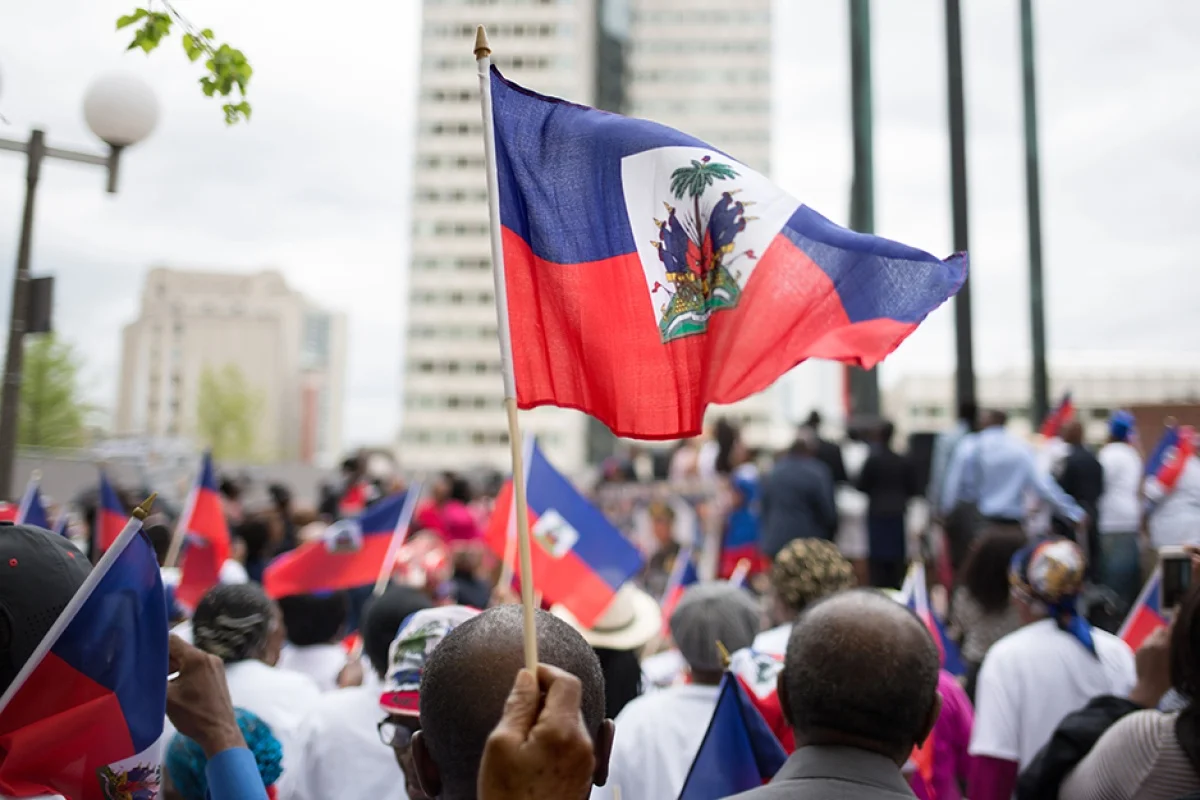
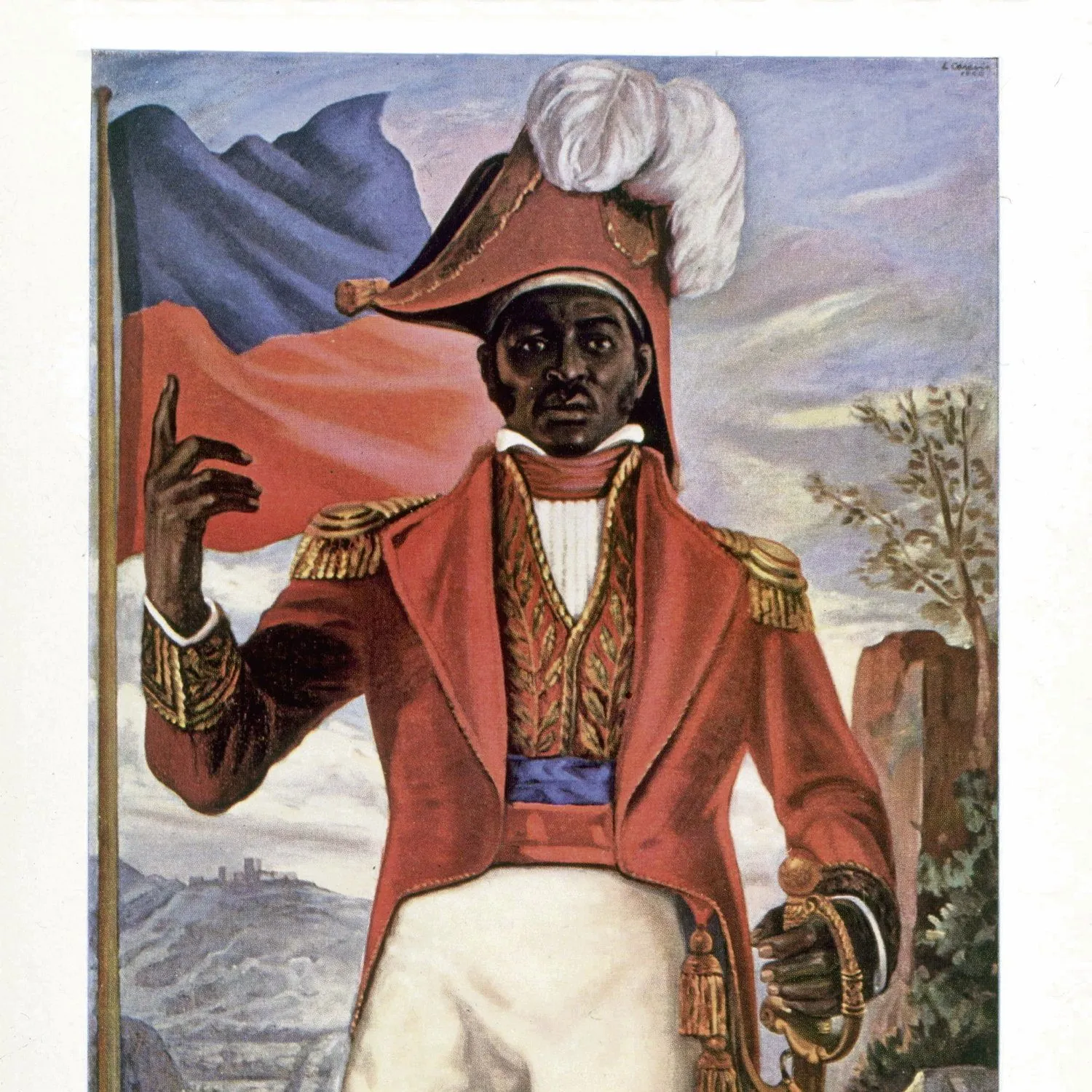
"Unity is Strength" is not just an inspiring phrase: it is the official legend that appears on the Arms of the Republic, at the center of the Haitian flag.

An emblematic place

According to the constitutional description of the flag, the arms of the Republic include:

- The palm tree surmounted by the cap of liberty
- A trophy of arms shaded by the palms
- And the legend: "Unity is Strength"

A powerful historical message

This motto originates from the very context of Haitian independence. It reminds us that:

- Victory against the French colonial armies was only possible thanks to the unity of former slaves, both mulattoes and blacks.
- Faced with hostile European powers, only national cohesion could guarantee the survival of the young Republic. - Solidarity between Haiti’s different social classes and regions remains the key to national prosperity.

Complementarity rather than opposition

These two mottos do not contradict each other: they complement each other.

- "Liberty - Equality - Fraternity" sets out the fundamental values ​​that must guide Haitian society.
- "Unity is Strength" recalls the means to achieve these ideals: through the unity and solidarity of the Haitian people.

One defines the "why" (the values), the other the "how" (the method).

Why two mottos for one nation?

This duality reflects the complexity of Haitian identity:

1. Universal heritage: With "Liberty - Equality - Fraternity," Haïti is part of the Enlightenment movement and affirms its place among the democratic nations of the world.

2. The Unique Experience: With "Unity is Strength," Haïti recalls its unique journey and the historical lesson that unity is essential for survival and national progress.

A Lesson Still Relevant

More than two centuries after independence, these two mottos resonate with particular acuity. They remind Haitians that:

- The ideals of liberty, equality, and fraternity must guide all political and social action.
- Only the unity of the Haitian people, beyond partisan, regional, or social divisions, will overcome contemporary challenges.

Two Sides of the Same Coin

"Liberty - Equality - Fraternity" and "Unity is Strength" are not two competing mottos, but two complementary expressions of the Haitian soul. The first establishes the principles, the second recalls the method. Together, they form the symbolic foundation on which Haiti’s national identity rests.

To understand this difference is to grasp the full depth of the Haitian national project: a free, egalitarian, and fraternal society, built on the union of all its children. A message as relevant today as it was in 1804.

Share
About the Author
Appolon Guy Alain
Appolon Guy Alain
Appolon Guy Alain

Full Stack Developer, Créatif, expérimenté, passionné des nouvelles technologies et de l’art.

See other articles from Appolon Guy Alain
Leave a comment

Recently Posted

Haiti: Immerse yourself in the Serenity of Étang Bossier in Cayes-Jacmel

Located about an hour’s drive northeast of the bustling town of Jacmel, Étang Bossier emerges like a verdant gem from the heart of the hills, captivating the senses and offering an idyllic getaway for nature and adventure lovers. This natural sanctuary, anchored in the picturesque community of Bossier, is a premier destination for travelers seeking authentic discoveries and enchanting landscapes. With a generous surface area extending over 4 to 5 hectares, Étang Bossier stands majestically at an altitude of 600 meters in the 2nd section of the commune of Cayes-Jacmel, in Gaillard, surrounded by the magnificent sections of Ravine Normande , Cap Rouge and Michinot. This geographical diversity gives the place an incomparable ecological and landscape richness, inviting visitors to immerse themselves in the heart of lush nature. Beyond its natural charm, Étang Bossier is the cradle of community life rich in agricultural and pastoral traditions. The green fields resonate with local agricultural activities, with varied crops such as pistachio, congo pea, millet, and corn which bear witness to the ancestral know-how of the region’s inhabitants. Every Thursday, the local market comes alive with colors and flavors, offering a tempting range of fresh produce, robust livestock and of course, “pèpè” fish, a delight for fishing enthusiasts. However, behind this bucolic facade there are also challenges and needs. Despite the abundance of natural resources, many residents live in precarious conditions, highlighting the importance of sustainable support and development for the Bossier community and surrounding areas. For travelers looking for authentic and enriching experiences, Étang Bossier is an invitation to escape. By exploring its winding paths, being lulled by the song of birds and discovering the daily life of its welcoming inhabitants, visitors will have the unique opportunity to delve into the heart of Haitian culture and create unforgettable memories. During your next getaway to Cayes-Jacmel, let yourself be seduced by the magic of Étang Bossier. Whether for a day of adventure, a cultural immersion or simply a moment of relaxation in the middle of unspoiled nature, this hidden oasis promises you an extraordinary experience, imbued with authenticity and natural beauty. Come explore Étang Bossier and let yourself be enchanted by the simplicity and splendor of Haitian rural life.

Newsletter

Subscribe to our newsletter to stay informed of all our activities and news on Haiti.

Haiti: The Rara season in Petit-Goâve: A celebration of life, unity and resilience

As the new season of Rara looms on the horizon, certain groups such as Saint Jacques Majeur, Ratyèfè, Florida Band, Lambi Grand, and Grap Kenèp are already preparing to light up the streets of Petit-Goâve with their flamboyant costumes and their captivating melodies. For these groups, the future looks bright, promising a season full of passion and success. However, other rara bands are still hesitant about which direction to take. Despite these uncertainties, optimism reigns regarding the success of this new season for all rara groups in the commune of Petit-Goâve. Rara, anchored in the Vodou tradition, is much more than a simple artistic manifestation. It embodies the very essence of Haitian culture, highlighting questions of memory, tradition and identity. This increasingly popular form of artistic expression attracts a large audience and arouses unprecedented enthusiasm. Groups like Ratyèfè, Grap Kenèp, Florida Band and Chenn Tamaren, recognized for their ability to delight their fans, play a crucial role in the continued growth of rara in the town. The rara season traditionally begins on Dead Thursday and ends on the night of Easter Sunday or quasimodo Monday. To mark the beginning of this sacred period, groups organize opening ceremonies, honoring the spirits of the deceased in rituals steeped in spirituality. These ceremonies, often held in cemeteries or in the "Bitasyons" of groups, symbolize the deep link between the rara and Vodou traditions.

Guédés: When Haïti celebrates its ancestors with color and fervor

Every November 1st and 2nd, Haïti comes alive with the colors black and purple to celebrate the Guédés, spirits venerated in the voodoo religion, symbols of a powerful bond between the living and the dead. Fascinating, indomitable and provocative, the Guédés form a true family in the pantheon of Haitian voodoo, where they are respected for their role as spiritual guides of the deceased to the afterlife. Led by iconic figures such as the legendary Baron Samedi and his companion Grann Brigitte, the Guédés embody the paradoxes of life and death. Each Baron has a unique personality: Baron Cimetière, Baron Kriminel, and Baron La Croix are the guardians of the souls that wander on the borders of the world of the dead. Together, they form a powerful and somewhat frightening presence, but one that is deeply rooted in Haitian culture. The Guédés are not like other voodoo spirits; they demonstrate their fearlessness in a spectacular way. Accustomed to death, they are fearless and are provocative: they eat glass, raw peppers, and coat their sensitive parts with rum and pepper. These gestures mark their indifference to danger and remind us that they have already known earthly life. They are thus psychopomps – these beings who lead the souls of the dead – and act as bridges between the world of the living and that of the dead. Some Guédés, like Guédé Nibo, wear black, purple, and white clothing, each with unique characteristics. They are many and varied: Guédé Fouillé, Guédé Loraj, Papa Guédé, and many others. These are the spirits who, each year, remind Haitians of the importance of remembering and honoring the deceased. The cult of the Guédés is not only religious; it is also cultural and historical. According to tradition, their spiritual territory, or “Fètomè” – nicknamed the “Country without Hats” – is a place where the souls of ancestors reside. According to stories, the origins of this cult go back to the Abomey plateau, the ancient capital of the kingdom of Dahomey, in Africa, where death and life coexist in a form of symbiosis. This celebration in Haïti even finds echoes in ancient history. The Romans also honored their dead with the “Fête des Lémuria”, which took place in February, to ward off spirits and restore peace between the world of the living and that of the deceased. For Haitians, honoring the Guédés is about accepting death as a part of life and celebrating the invisible bonds that unite us with those who have left us. It is also a way of resisting, because life, despite its challenges, must be celebrated in all its complexity and depth.

Recently Posted

History

History

First black nation to free itself from slavery and gain independence from France in 1804 and influenced other liberation movements around the world, inspiring struggles for freedom and equality.

Natural beauty

Natural beauty

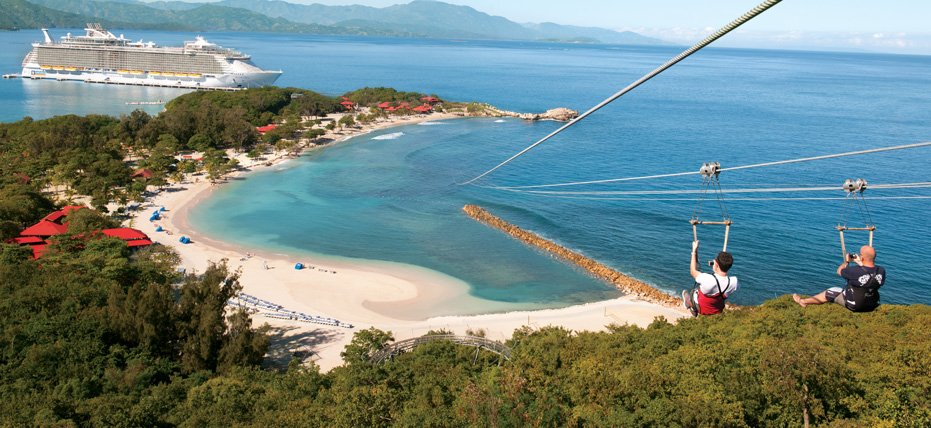
Haïti is blessed with spectacular natural landscapes, including white sand beaches, mountains and rich biodiversity.

Heritage

Heritage

Haïti has a rich historical heritage, including sites like the Citadelle Laferrière and the Sans-Souci Palace, listed as UNESCO World Heritage Sites.

Culture

Culture

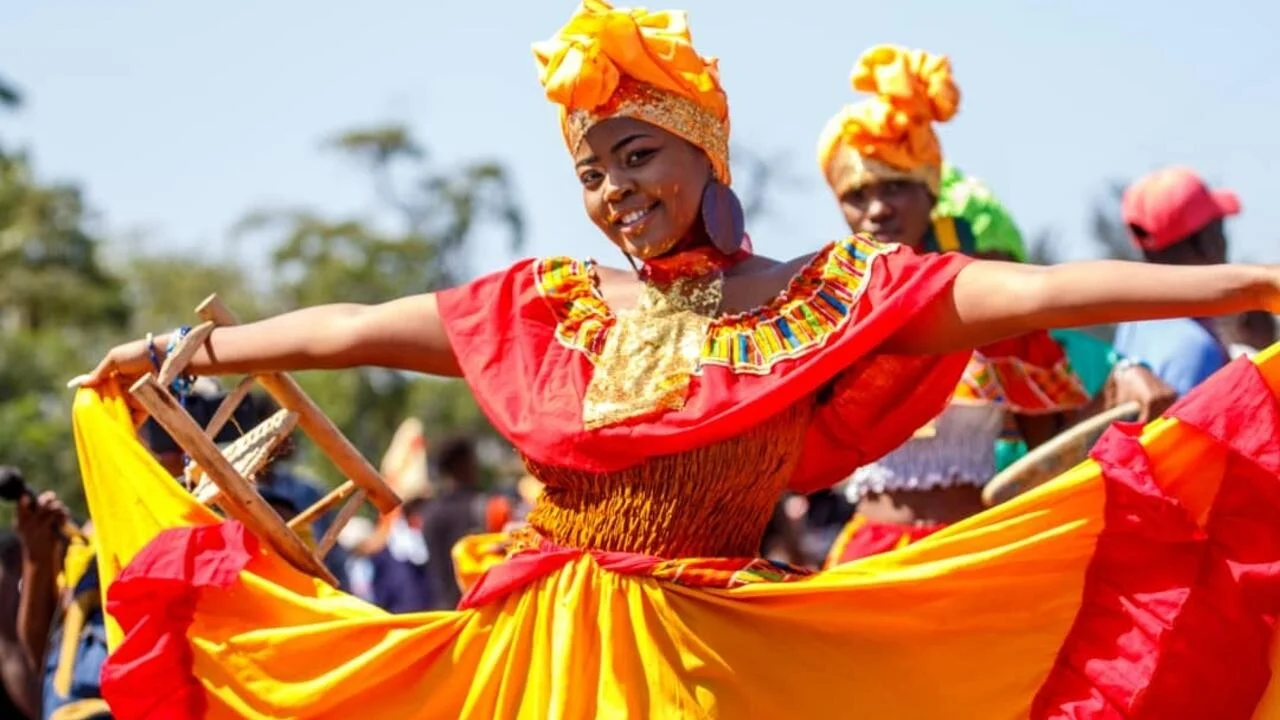
Haïti has a rich and diverse culture, influenced by African, European and indigenous elements. Haitian music, dance, art and cuisine are celebrated around the world.

  • +
    • Post