Article 2 of the Haitian Constitution: The National Colors, a Symbol of IdentityArticle 2 of the Haitian Constitution: The National Colors, a Symbol of Identity
Article 2 of the Haitian Constitution: The National Colors, a Symbol of Identity
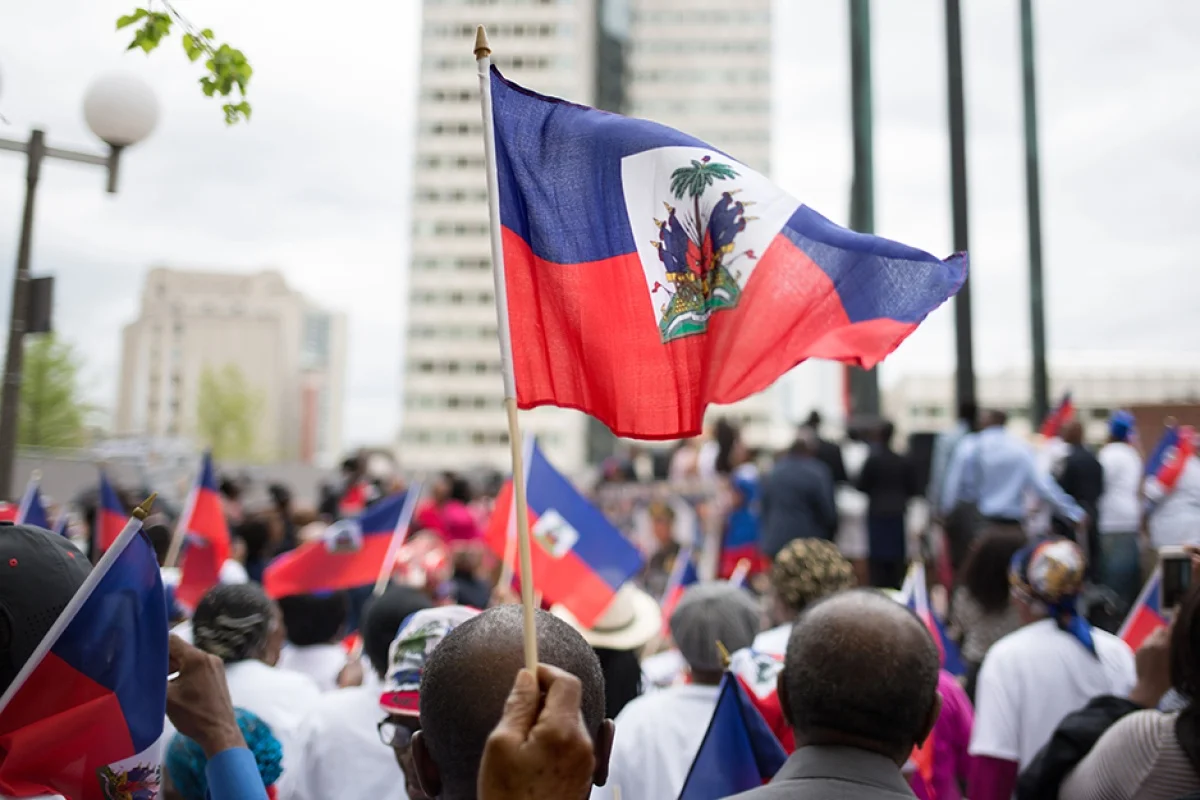
Article 2 of the Haitian Constitution of 1987, amended in 2011, establishes that the national colors are blue and red. These two colors are not simply aesthetic choices; they embody the history, culture, and aspirations of the Haitian people.
Let’s dive into the deeper meanings and key facts associated with these emblematic colors.
Blue represents the unity of the Haitian people, a reminder that all social classes contributed to the birth of the nation.
- Key figure: Approximately 95% of the Haitian population is of African descent, and blue reflects their common struggle for freedom.
- Historical fact: Blue was retained from the old French flag, but reinterpreted to symbolize national unity in the Haitian context.
The blue on the flag is also an invitation to hope and solidarity between citizens, whatever their differences.
Red, for its part, embodies the blood shed by the heroes of the Haitian Revolution, a tribute to the courage and sacrifices made for independence.
- Key figure: The Haitian Revolution cost the lives of approximately 100,000 fighters, but allowed the liberation of more than 500,000 slaves.
- Concrete example: The Battle of Vertières, in 1803, was a brilliant demonstration of bravery, crowned by victory against the Napoleonic army.
Red is therefore a constant reminder of the price of freedom and the importance of protecting this heritage.
Since its creation, the blue and red flag has undergone changes, while remaining a symbol of national pride.
- Notable fact: The original flag of 1803 was blue and red, but horizontal. Designed by Jean-Jacques Dessalines, it expressed the rejection of colonial powers.
- Key figure: The current version, with the addition of the national emblem in the center, was officially adopted in 1986.
These modifications reflect the adaptation of the nation through the ages, while maintaining its fundamental values.
The Haitian flag is one of the first in the world to symbolize the resistance and victory of the oppressed against the colonizers.
- Concrete example: During the Bandung Conference in 1955, the Haitian flag inspired several African nations in their quest for independence.
- Key figure: Haïti is one of the few nations whose flag is celebrated each year on May 18, during Flag Day.
This shows how powerful symbols blue and red are, not only for Haiti, but for all those who fight for freedom.
The blue and red colors of Article 2 of the Haitian Constitution are not just hues. They embody the national identity, courage and hope of a people proud of their history and resilient in the face of challenges.
By wearing these colors, each Haitian also carries a message of solidarity, freedom and unity that transcends generations. Blue and red are not just symbols, they are the soul of the Haitian nation.
First black nation to free itself from slavery and gain independence from France in 1804 and influenced other liberation movements around the world, inspiring struggles for freedom and equality.
Natural beauty
Haïti is blessed with spectacular natural landscapes, including white sand beaches, mountains and rich biodiversity.
Heritage
Haïti has a rich historical heritage, including sites like the Citadelle Laferrière and the Sans-Souci Palace, listed as UNESCO World Heritage Sites.
Culture
Haïti has a rich and diverse culture, influenced by African, European and indigenous elements. Haitian music, dance, art and cuisine are celebrated around the world.





























Thanks
September 11, 2025 - 08:43:57 PM