contact@haitiwonderland.com+509 36184317

Discover

Shopping Cart

Article 2 of the Haitian Constitution: The National Colors, a Symbol of Identity

Article 2 of the Haitian Constitution: The National Colors, a Symbol of Identity

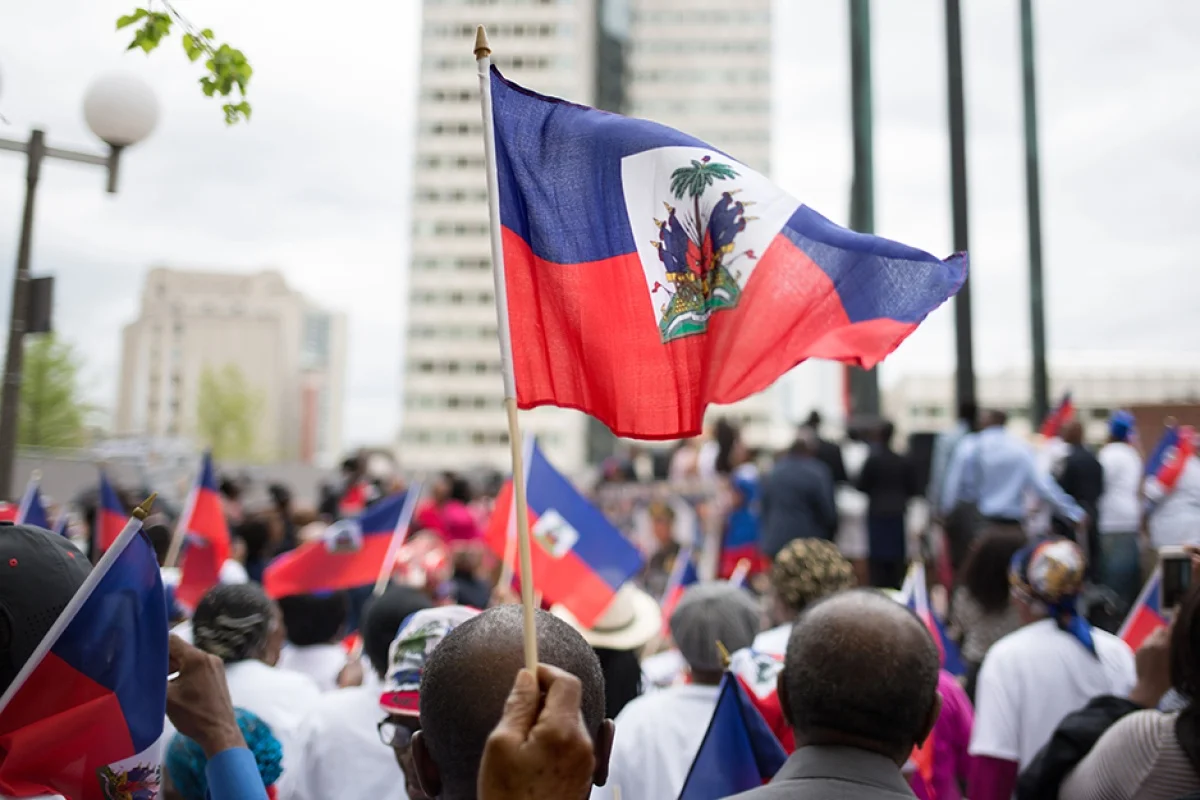
Article 2 of the Haitian Constitution of 1987, amended in 2011, establishes that the national colors are blue and red. These two colors are not simply aesthetic choices; they embody the history, culture, and aspirations of the Haitian people.

Let’s dive into the deeper meanings and key facts associated with these emblematic colors.

ARTICLE 2: The national colors are: blue and red.

Haïti
Haïti
Haïti

1. Blue: Unity and Hope

Blue represents the unity of the Haitian people, a reminder that all social classes contributed to the birth of the nation.

- Key figure: Approximately 95% of the Haitian population is of African descent, and blue reflects their common struggle for freedom.
- Historical fact: Blue was retained from the old French flag, but reinterpreted to symbolize national unity in the Haitian context.

The blue on the flag is also an invitation to hope and solidarity between citizens, whatever their differences.

Haïti
Haïti
Haïti

2. Red: courage and sacrifice

Red, for its part, embodies the blood shed by the heroes of the Haitian Revolution, a tribute to the courage and sacrifices made for independence.

- Key figure: The Haitian Revolution cost the lives of approximately 100,000 fighters, but allowed the liberation of more than 500,000 slaves.
- Concrete example: The Battle of Vertières, in 1803, was a brilliant demonstration of bravery, crowned by victory against the Napoleonic army.

Red is therefore a constant reminder of the price of freedom and the importance of protecting this heritage.

Haïti
Haïti
Haïti

3. A history marked by the evolution of the flag

Since its creation, the blue and red flag has undergone changes, while remaining a symbol of national pride.

- Notable fact: The original flag of 1803 was blue and red, but horizontal. Designed by Jean-Jacques Dessalines, it expressed the rejection of colonial powers.
- Key figure: The current version, with the addition of the national emblem in the center, was officially adopted in 1986.

These modifications reflect the adaptation of the nation through the ages, while maintaining its fundamental values.

Haïti
Haïti
Haïti

4. A source of inspiration for the world

The Haitian flag is one of the first in the world to symbolize the resistance and victory of the oppressed against the colonizers.

- Concrete example: During the Bandung Conference in 1955, the Haitian flag inspired several African nations in their quest for independence.
- Key figure: Haïti is one of the few nations whose flag is celebrated each year on May 18, during Flag Day.

This shows how powerful symbols blue and red are, not only for Haiti, but for all those who fight for freedom.

Haïti
Haïti
Haïti

A symbol of unity and resilience

The blue and red colors of Article 2 of the Haitian Constitution are not just hues. They embody the national identity, courage and hope of a people proud of their history and resilient in the face of challenges.

By wearing these colors, each Haitian also carries a message of solidarity, freedom and unity that transcends generations. Blue and red are not just symbols, they are the soul of the Haitian nation.

Share
About the Author
Appolon Guy Alain
Appolon Guy Alain
Appolon Guy Alain

Full Stack Developer, Créatif, expérimenté, passionné des nouvelles technologies et de l’art.

See other articles from Appolon Guy Alain
Anpil lanmou pou ou gran fre kontinye travay pou mete peyiw an vale 🇭🇹🫶

Thanks

September 11, 2025 - 08:43:57 PM
Leave a comment

Recently Posted

Official launch of “Ewo” Beer: Haitian Pride across the World

December 1 marked an exceptional moment for the Haitian community and beer lovers around the world, with the official launch of “Ewo” beer by Haitian entrepreneur Jhonson Napoléon. After the success of “Kola Choucoune”, already present in several countries, including the United States and Canada, it is the turn of “Ewo” beer to take the American market by storm. Available in several cities in the United States, this beer embodies the perfect marriage between tradition and innovation, offering consumers a unique taste experience. “Ewo” beer is much more than just an alcoholic beverage. It is a delight that skillfully blends the authentic flavors of Haitian culture with a touch of innovation. In a country where Prestige beer and Barbancourt rum have already conquered palates around the world, “Ewo” beer is proudly added to the list of Haitian taste treasures. Jhonson Napoléon, the man behind this new creation, continues to fly the colors of Haïti across the globe. His commitment to promoting quality Haitian products continues to strengthen the reputation of his country of origin. “Ewo” beer is not just a drink, it is a symbol of Haitian creativity and perseverance that transcends borders. This new step demonstrates the country’s ability to be part of the global trend for quality craft beers. “Ewo” beer is not only a leading local product, but it also stands out on the international scene as the representative of a rich and dynamic culture. The pride that Haitians feel for the success of Jhonson Napoléon and the growing fame of “Ewo” beer is palpable. It is a success story that transcends geographic boundaries and embodies the strength of the Haitian entrepreneurial spirit.

Newsletter

Subscribe to our newsletter to stay informed of all our activities and news on Haiti.

Haiti: The History of the World’s First Free Black Nation

Haiti, the pearl of the Antilles, is a Caribbean island with a rich and complex history. However, its special status as the world’s first free black nation gives it a unique place in the annals of history. This small island was the scene of an extraordinary revolution which resulted in independence, thus marking the beginning of a new era for the black community and the abolition of slavery. Let’s delve into the captivating story of the birth of the first black republic, Haiti. b~The colonial era and slavery~b Haiti’s history dates back to the arrival of Europeans in the 15th century, when Christopher Columbus discovered the island. European settlers, mainly Spanish and French, introduced slavery to exploit the island’s resources, including sugar, coffee and cotton. The indigenous Native American population was decimated, paving the way for the massive importation of African slaves. b~The Haitian Revolution~b On August 14, 1791, Haitian slaves rose up against their oppressors, sparking the Haitian Revolution. Under the leadership of iconic figures such as Toussaint Louverture, Jean-Jacques Dessalines and Henri Christophe, the insurgent slaves inflicted defeats on European armies, demonstrating fierce resistance and a desperate quest for freedom. b~The Declaration of Independence and the creation of the Republic of Haiti~b On January 1, 1804, Haïti proclaimed its independence, becoming the world’s first free black nation. This historic declaration symbolized the end of slavery and the triumph of the will of a people determined to live free. The Republic of Haïti was born in struggle and blood, asserting its autonomy in the face of the colonial powers. b~Post-independence challenges~b However, independence did not mean the end of challenges for Haiti. The country had to face external pressure, reparations imposed by France in exchange for recognition of its independence, as well as internal unrest. Despite these obstacles, Haïti strove to build a free and sovereign nation. The story of Haïti is that of a nation that overcame countless challenges to emerge as a pioneer of freedom for the black population. The Haitian Revolution remains a unique example of resistance, courage and determination, and Haïti continues to carry the torch of independence in the contemporary world. The legacy of this small Caribbean island still resonates today, reminding the world that freedom is a universal right that can be won even in the most difficult circumstances.

Recently Posted

History

History

First black nation to free itself from slavery and gain independence from France in 1804 and influenced other liberation movements around the world, inspiring struggles for freedom and equality.

Natural beauty

Natural beauty

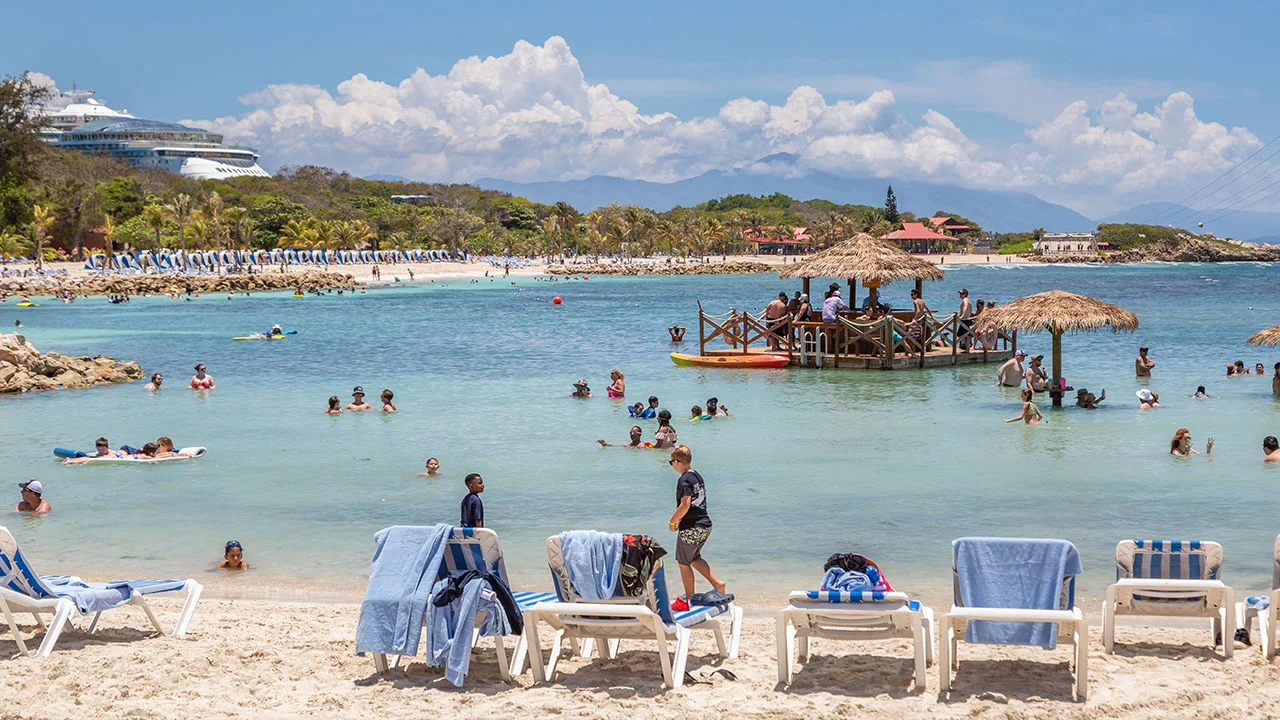
Haïti is blessed with spectacular natural landscapes, including white sand beaches, mountains and rich biodiversity.

Heritage

Heritage

Haïti has a rich historical heritage, including sites like the Citadelle Laferrière and the Sans-Souci Palace, listed as UNESCO World Heritage Sites.

Culture

Culture

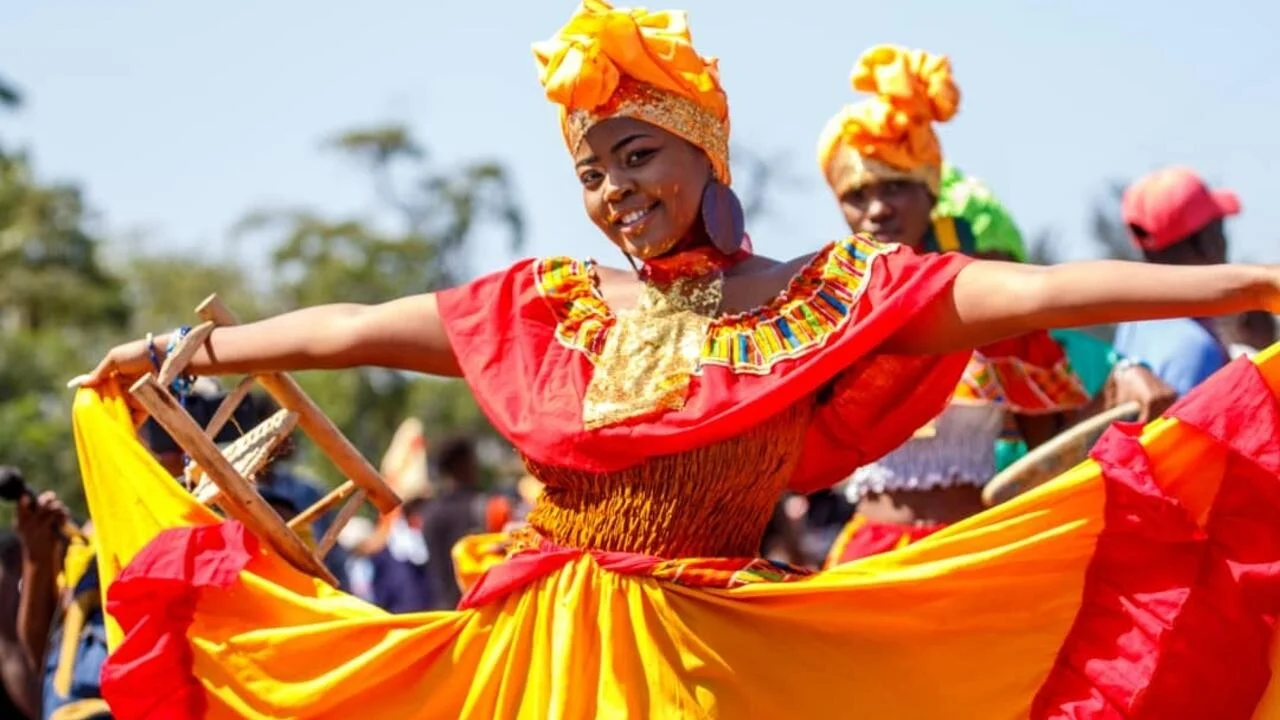
Haïti has a rich and diverse culture, influenced by African, European and indigenous elements. Haitian music, dance, art and cuisine are celebrated around the world.

  • +
    • Post