

Holidays and Celebrations in Haiti
A complete calendar of national and religious holidays in Haiti. From Independence Day to Christmas, explore the vibrant culture of the Pearl of the Antilles.

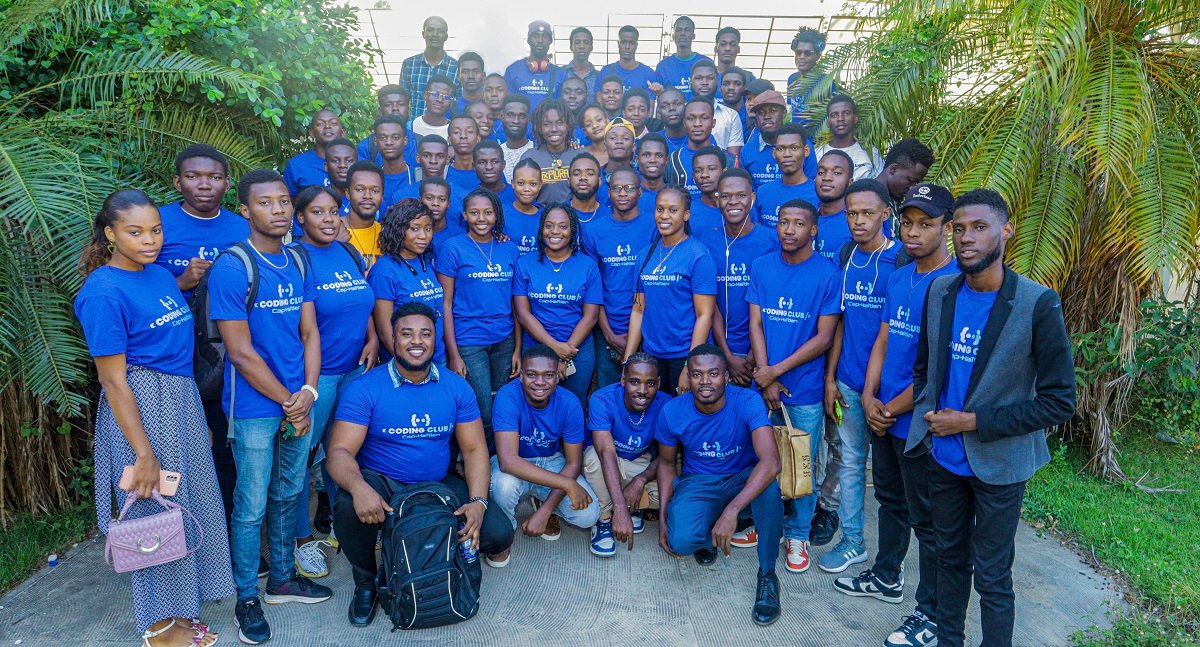
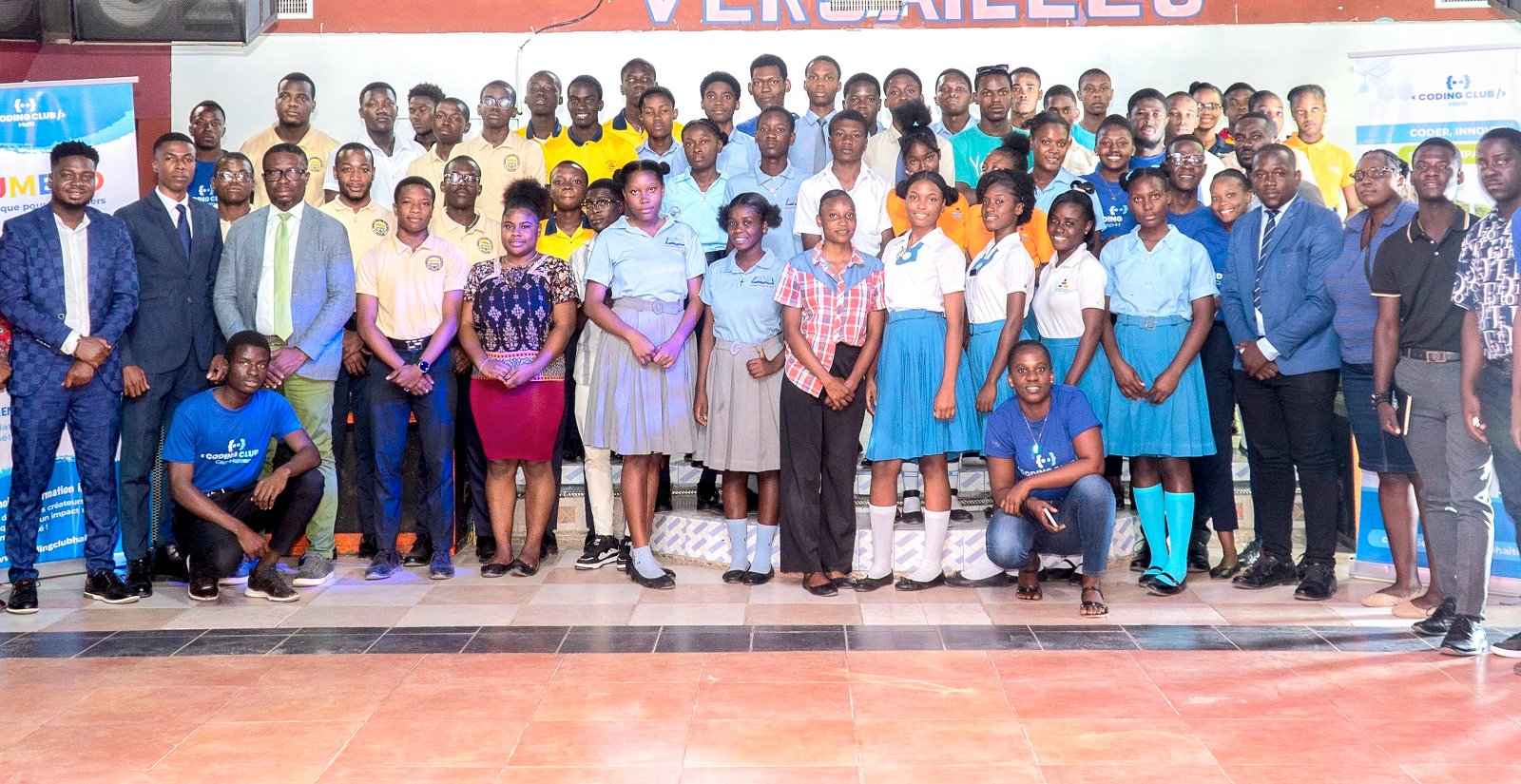
In a world where the digital revolution is in full swing, mastery of technological tools has become crucial. The Coding Club Haïti positions itself as an essential actor in the dissemination of knowledge related to this field to young Haitians. With this in mind, Coding Club Haïti officially launched Coding Club Cap-Haitien on Friday, March 1, 2024, a welcome expansion of the successful initiative at Carrefour. By providing an environment conducive to learning and creativity, the club opens new pathways to a future where innovation is accessible to all. The Henry Christophe Campus of Limonade CHCL was the vibrant scene of this inaugural event, bringing together more than sixty curious minds eager to master the art of computer programming. Under the direction of Appolon Guy Alain, the passionate initiator of Coding Club Haiti, Mauricette John Stevens, coordinator of Coding Club Cap-Haitien, and Philistin Rochernie, membership manager, this new branch of the club is committed to offering its expertise in Capois and Capoises who are passionate about computer programming.
On the airwaves of Radio Solidarité 107.3 FM in Port-au-Prince, a familiar voice has been accompanying listeners for years: that of Dominique Beldor, a passionate host and programming director. Through his music show, The Dominik Show, broadcast weekdays and now every Saturday, he has forged a unique connection with the Haitian public, combining music, cultural news, and social analysis. Residing in Florida since May 2024, Dominique continues his remote broadcast with the same energy. Broadcast from Tampa, his show maintains its vocation: to bring Haitian culture to life around the world and offer a space for free, engaged, and respectful discussion. Before leaving the country, the host admitted to having received threats for his opinions and on-air analyses, which forced him to seek shelter to avoid reprisals. Today, from the virtual studios in Florida, Dominique Beldor continues to fly the flag for Radio Solidarité, with a voice freer than ever—and still as close to the hearts of Haitians as ever.
Dedikas is an initiative taken by the young Haitian slam poet, Jean Wood Jude, better known as the Silent Poet. It is a cultural event that highlights poetry and music in the heart of Port-au-Prince. The event aims to offer a space for expression to young artists, especially those evolving in the Haitian slam scene. Dedikas has already taken place twice, and a third edition is planned for Saturday, December 22, 2024, at the Soho premises, located at Delmas 41, number 16, from 2:30 p.m. to 7:00 p.m. This new edition follows on from the first two, which took place respectively on October 8 and December 20, 2023.
Haïti is making headlines all over the world. And it’s not good news. The exploits of Haitians rarely generate so much interest, but we always tend to point out the excesses, spill ink to stir up thorns in the side, broadcast on loop to relay the chaos that is raging. There is hardly any media to make amends for the resilience of this cornered people. No one to highlight the fierce resistance that serves as fuel for this people hanging in the gorges of death. And what if it was to a certain extent the only way to talk about this country to finally attract attention? It is July 26, 2024. The Olympic Games have just started in France. The 33rd Olympiad of modern times. Without realizing it, according to Forbes Magazine, Haïti ranks among the ten nations with the best costume, proudly pointing to third place. At the same time, miles away from France, on “The Island of Skillfully Orchestrated Chaos,” Haitians do not even realize how much this recognition borders on irony. A paradox whose unpopular evocation is likely to greatly displease. An aerial image shows the city of Paris in all its splendor, illuminated like the gates of paradise, reflecting all the grandeur of France, all the magnificence it has acquired over the centuries, without forgetting the contribution of the blood shed by the horrible machine of colonization. I close my eyes, I go back in time, I see again this boy left to his own devices, lost without even knowing it, doomed to failure without even understanding it. And then there are the others. Boys in the same situation, or worse. Banished from society, they do not know what life has in store for them. They form the elegant class of the marginalized, in their quality of scoundrels, good-for-nothings, and thugs who spoil the splendor of society. This contrast challenges me, and I wonder for a moment if those who live the chaos from the outside grasp the stakes and the reality of the situation. Moreover, it seems to me that even the majority of Haitians living in the territory have no notion of the fundamental and essential aspects of the situation.
The democratic political system requires the active participation of citizens in the management of the city. Everyone freely expresses their opinion for harmonious management of society. Generally the choices are made from the organization of free and honest elections. However, sometimes candidates use diverted means to achieve their ends. Can we consider this act as a form of corruption or a political strategy? In a democratic society, the organization of elections at regular intervals is an imperative. Managers are generally elected by the majority of voters, which ensures them a certain legitimacy within the framework of government management. Today, more and more, around the world, the elections are controlled by economic power. This sector gives a lot of silver to candidates who often buy the media services in order to have certain visibility through mass communication means (radio, VAT, Internet, etc.) and do without constraints Many very expensive trips, which require enormous capital. By the way, the possibility that a candidate with low financial means of being elected is increasingly reduced in Western societies. Despite everything, it is illegal to buy the votes of the voters. It is an act of corruption that should lead to criminal sanctions. No society can tolerate this practice which could hamper the degeneration of the democratic system and, consequently, of the electorate system. Civil society and human rights organizations must be vigilant in order to avoid these harmful drifts in the democratic system. In fact, the temptation to bribe the voters in order to access elective positions must be denounced as an act of corruption. In doing so, will lead to political dissenting between duty, and law, because citizens are called upon to freely choose the leaders of the city. Ultimately, the organization of the elections must be the fruit of consensus between the various groups of the social system. Managers must be chosen according to their ability to provide adequate answers to the problems of the company. They can still benefit from powerful financial means from other partners. But, giving voters directly money is a condemnable detective act which reduces the autonomy of action and thinking of voters. In this sense, the latter’s vote must reflect the desire to choose or build a fair, fair and favorable company.
The Meaning of the Essence of Love The commune of President Boniface Alexandre and Martial CELESTIN produces a talented artist. Yes, Ganthier stands out as one of its best representatives on the international scene. "I Let You In" is a title that lays bare the complexity of heterogeneous relationships around the world. This opus, both provocative and touching, awakens the mind, body and soul. I am deeply moved by the way in which the artist Igens VIL, a true emblematic figure of Ganthier, evokes intense emotions and provokes reflection on the issues of contemporary romantic relationships. Each verse of this composition, co-written with Dayvin Kaponda, contains profound messages about tolerance towards others, our aspirations and ambitions, the true foundations of authentic love. It is the very essence of life. Despite the tumults of daily life and the inevitable misunderstandings in human relationships, he reminds us that “in my life, there is always a me; I have tried everything. Even if it means taking a step back, I am ready to do it. And if it means, I will get down on my knees”. The singer, who spent a large part of his adolescence in Galette-Chambon, the first communal section of the commune of Ganthier, is now active in the French music industry. He eloquently and skillfully addresses the complex triangle of sentimental relationships: sacrifice, tolerance and communication. This remarkable work deserves to be heard everywhere; it inspires faith, reflection and action. Gensbe, known as Igens VIL, deserves awards for this song. Guitarist, singer, composer and academic in France, he embodies a rare mix of talents for a young Haitian engaged in these demanding fields that require time, sacrifice and a lot of energy. Today, Gensbe is at his peak and never gives up. More songs are in the works for you, dear listeners. Subscribe to Gensbe on YouTube and other platforms. He is without a doubt one of the best Haitian artists among the big international names. I’ll let you in.
The LEGACY LEADERSHIP AWARD 2025, organized by LEAD-ACADEMY, honored the committed youth of the commune of Carrefour. This prestigious event brought together nearly 200 young people and many local actors to celebrate exemplary leadership in a region facing many challenges.
On January 1, 1804, Haïti became free after a fierce struggle against colonization and slavery. Located in the Caribbean region, it occupies the western third of the island of Hispaniola, which it shares with the Dominican Republic. With an area of 27,750 km², it is bordered to the north by the Atlantic Ocean, to the south and west by the Caribbean Sea and to the east by a land border of 376 kilometers with its eastern neighbor. This geographical location, rich in contrasts, shapes not only its identity, but also the economic and environmental challenges that the country must face.
A simple Google search for "Haïti" will leave you with a bitter taste, as you will mostly discover degrading images that fail to pay homage to Haïti’s natural beauty, rich history, and vibrant culture. This reality stems from a multitude of online media outlets that, in their relentless quest for visibility and profit, disseminate images that do not reflect the true essence of Haïti. It is time to challenge this trend and raise awareness among Haïtian online media of the profound impact of their editorial choices on the image of their own country. b~The Consequences of the Dissemination of Degrading Images:~b Sharing degrading images of Haïti contributes to perpetuating prejudices and reinforcing negative stereotypes associated with the country. This can have serious consequences for tourism, foreign investment, and even the national pride of Haïtians. Furthermore, it creates a distortion of reality, masking the many positive and inspiring aspects of Haïti. b~A Call for Editorial Responsibility:~b It is imperative that Haïtian online media take editorial responsibility in ensuring that the images and stories they broadcast reflect the diversity and richness of Haïti. Rather than focusing only on the negative aspects, they should highlight the successes, positive initiatives, and exceptional contributions of Haïtians to global society. b~Promote a Balanced Image:~b Haïti’s diversity, both culturally and socially, deserves to be celebrated. Haïtian online media have the opportunity to play a key role in promoting a more balanced image of the country by highlighting its successes, its innovations and its rich history. This will not only help educate the global public, but also inspire pride and confidence in Haïtians themselves. It is time for Haïtian online media to realize their power as opinion shapers and actively contribute to transforming Haïti’s image. By choosing to share balanced and positive stories, they can play a vital role in building a more accurate and respectful perception of this remarkable country. It is a call for editorial responsibility, sensitivity and national pride, in order to restore Haïti to its rightful place on the world stage.
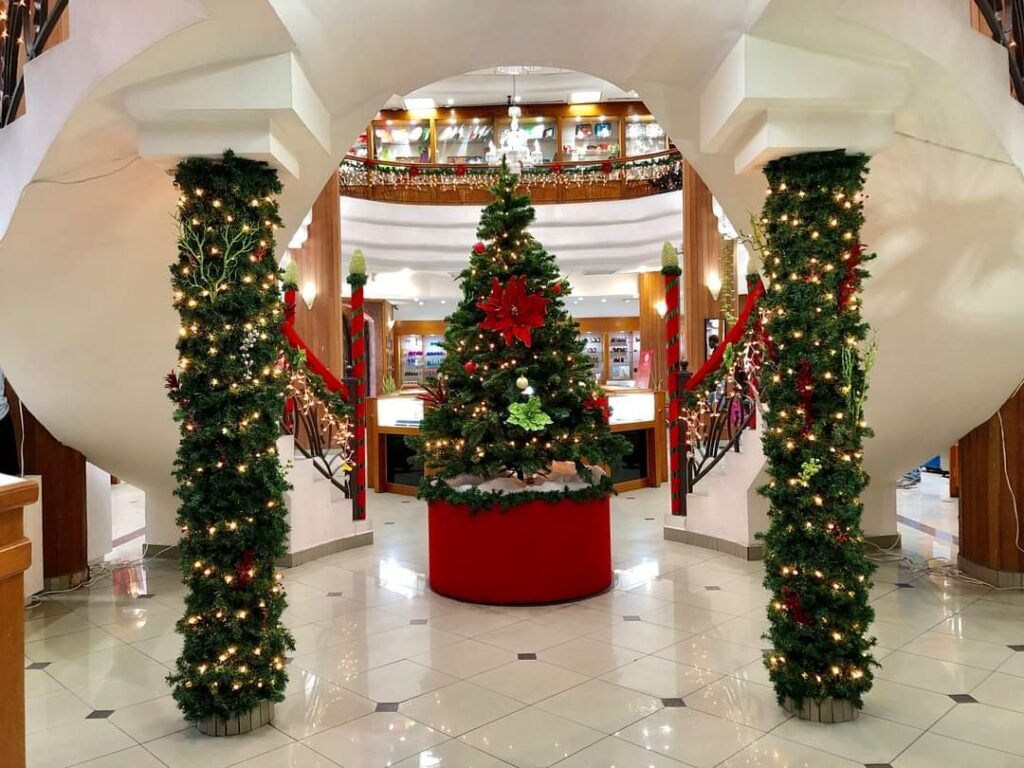
Haïti is full of natural and cultural treasures, and two cities stand out as the country’s top tourist capitals: Cap-Haïtien in the north and Jacmel in the southeast. Each of these cities offers unique experiences, reflecting Haiti’s rich history, culture, and nature. Let’s explore why these two destinations are must-sees for any traveler.
Livre en Folie, this annual event long awaited by literature enthusiasts in Haiti, will be held on Thursday, August 15, 2024 at the Caribe Convention Center hotel in Juvénat. Indeed, Le Nouvelliste, in collaboration with its usual partners, invites the Port-au-Prince public to come and celebrate, for the thirtieth time, the great intellectual wealth of Haitian writers and other thinkers, in this great annual book fair. This year, the entrance fee is set at 1,000 gourdes, which will be returned to you in the form of coupons, in order to be able to buy books once inside. Thirty years after the first edition, livre en folie has become a pillar of Haitian literary life and a highlight of the Haitian year. This year, it will take place in a particularly difficult context for the country, both economically and in terms of security, but will still have the merit of bringing together thousands of Haitians around the subject of the book.
In a digital world largely dominated by Facebook, Instagram, and TikTok, Haïti is witnessing the birth of an innovation that could well be a game-changer: Toupatou, a 100% Haitian social network. Designed by a young local talent, this project embodies both the ingenuity of Haitian developers and the desire to create a platform adapted to local needs.

First black nation to free itself from slavery and gain independence from France in 1804 and influenced other liberation movements around the world, inspiring struggles for freedom and equality.

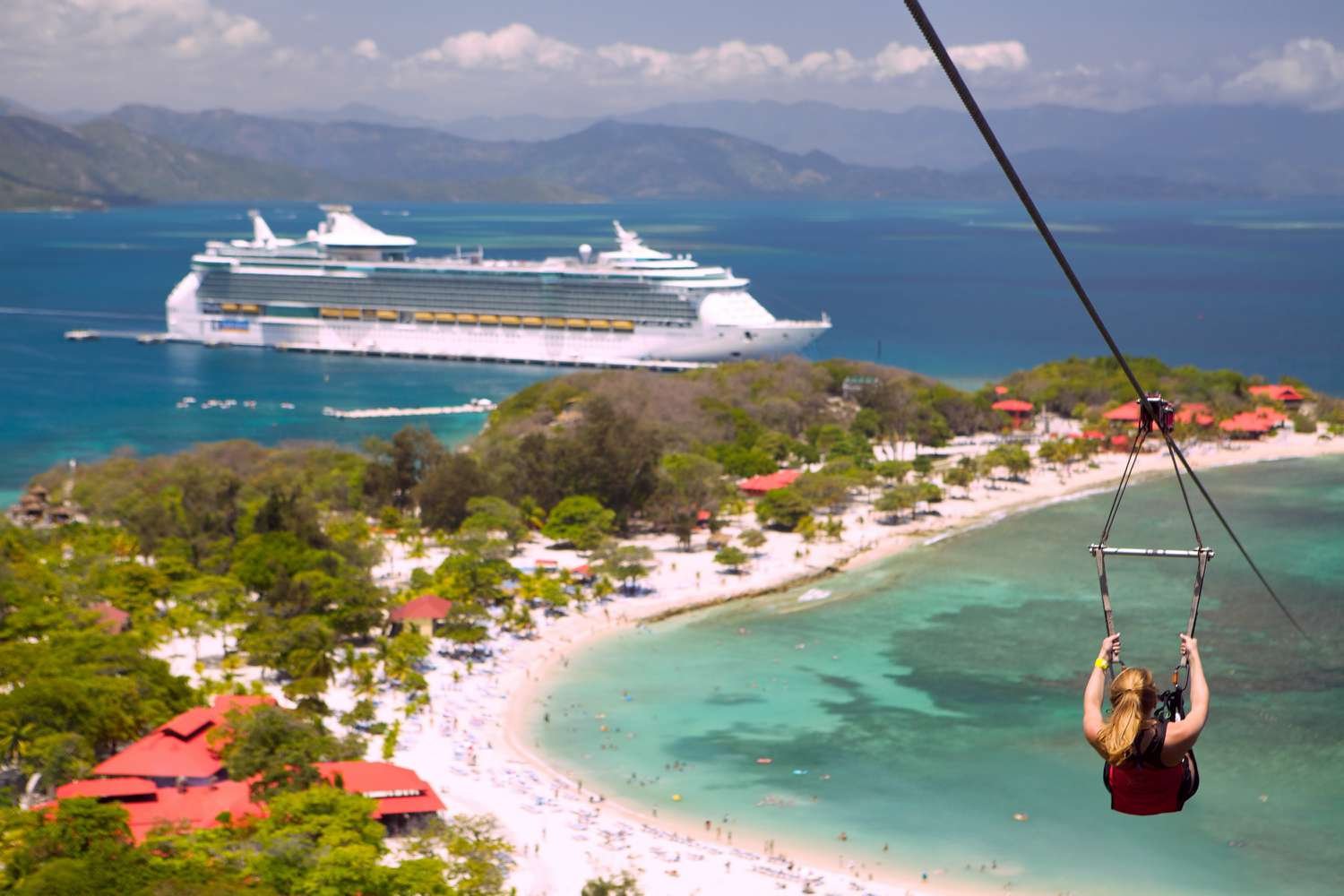
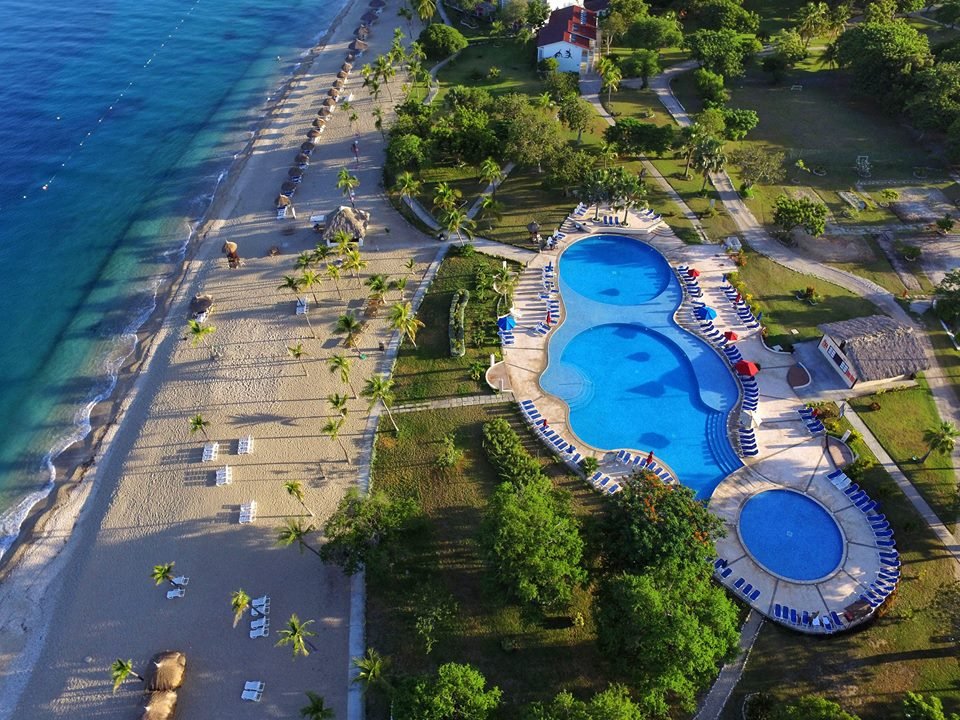
Haïti is blessed with spectacular natural landscapes, including white sand beaches, mountains and rich biodiversity.

Haïti has a rich historical heritage, including sites like the Citadelle Laferrière and the Sans-Souci Palace, listed as UNESCO World Heritage Sites.

Haïti has a rich and diverse culture, influenced by African, European and indigenous elements. Haitian music, dance, art and cuisine are celebrated around the world.