Coding Club Haïti shines in 2025: a year of awards, innovation, and national pride
Discover how Coding Club Haiti shines in 2025 with awards, innovation, and national pride. A success story not to be missed!

KOJES is a non-profit youth association founded in November 2020 in Cité Soleil, the largest slum in Haïti and the Caribbean. From its inception, KOJES has been committed to promoting education, culture, and training through various initiatives. One of its flagship projects is a space for social and cultural debate that has allowed many young people to meet and discuss social issues. Although the clashes that resumed in Cité Soleil in September 2022 temporarily halted this section, KOJES was able to recover by launching the KOJES letter-writing competition, aimed at reestablishing this precious connection between young people through literature. Today, the association is embarking on a new challenge with the Jèn Soley Festival, which will take place from September 20 to 22, 2025, under the evocative theme: "Saying to Exist." Among the guests participating in this festival are the renowned Lyonel Trouillot, the talented poet Carl Henry Burrin, the young slam poet Pacôme Emmanuel, the novelist Louis Bernard Henry, the poet Inima Jeudi, and the young poet Adlyne Bonhomme.
The Haitian Creole, born in the 17th century during the French colonization on the island of Hispaniola, is not only a communication tool; it is an essential part of the Haitian identity. Despite being recognized as an official language in 1987, French is still considered an elite language, creating a social divide. In the educational system, where French is the language of instruction, Creole is often neglected, which affects the ability of students to understand what they are learning, especially for children from rural areas. It has a unique grammatical structure that facilitates learning, and serves as a means of cultural expression in literature, music, and other arts. The advancement of technology will allow Creole to gain more visibility in social media, but the stigmatization of the language still exists. Therefore, it is important for Creole to be valued in education and other sectors, to allow the new generation to grow up with pride for their heritage. The Haitian Creole language, which is the first language for the majority of people in Haiti, is not only a means of communication, but it is also a reflection of the cultural wealth and history of the people. In a country full of diversity, Creole and its origin, its evolution and its place in society, is a testimony of resistance and adaptation.
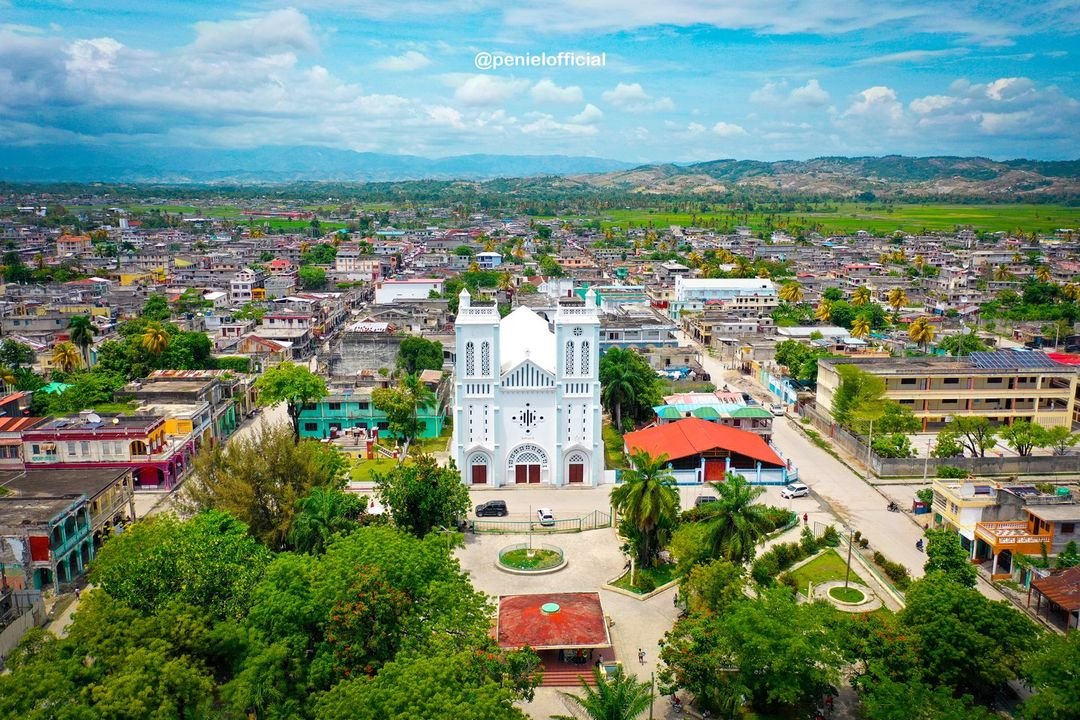
Camp-Perrin, nestled in the South department of Haiti, is one of the most picturesque cities in the Caribbean region. Located just 23 kilometers east of Les Cayes, the country’s third-largest city, Camp-Perrin is a true haven of peace. Its pleasant climate, lush vegetation, and serene atmosphere make it an ideal place for those seeking natural beauty and tranquility. While Port-au-Prince, the capital of Haiti, is often marked by tension and social difficulties, Camp-Perrin stands out for its calm and joyful ambiance, offering a different perspective on life in Haiti. Geographical Location and Proximity to Les Cayes Camp-Perrin is located in the southwest region of the country, about 30 kilometers from Les Cayes, a dynamic urban center that plays a crucial role in trade and economic activities in the southern part of Haiti. Although Les Cayes is the third-largest city in Haiti, Camp-Perrin, as a small rural town, contrasts sharply with the hustle and bustle of the big city. Access to Camp-Perrin is easy via National Road #6, which connects Les Cayes to Jérémie, passing through this small town, a journey of less than an hour by car.
With the arrival of Christopher Columbus in Haïti in 1492, life on this small piece of peaceful territory would radically change into the most sinister chaos. Experiencing a major dive into crime, and the darkest barbarity, known as slavery. The arrival of black people captured in Africa, violently crossing the Atlantic to end up on Haitian soil, is part of this tragic story. The Amerindians (the first inhabitants of Haiti) having suffered a large-scale genocide, under the weight of European slavery, were unable to resist and were replaced by these Africans, who centuries later would arrive to put an end to this shameful system, through an unparalleled revolution.
The "Phone-free day" is an initiative taken by a group of young people led by slam poet Jean Wood Jude. The first two editions took place on September 30 and October 29, 2024 in Kenscoff. The next edition is scheduled for November 30, still in the town of Kenscoff, above Pétion-Ville The practice is intended to be innovative, in that it provides an ideal setting for the public (generally young) that facilitates their interconnection, by guaranteeing them a better connection to books, traditional games, and the lush nature of Kenscoff.
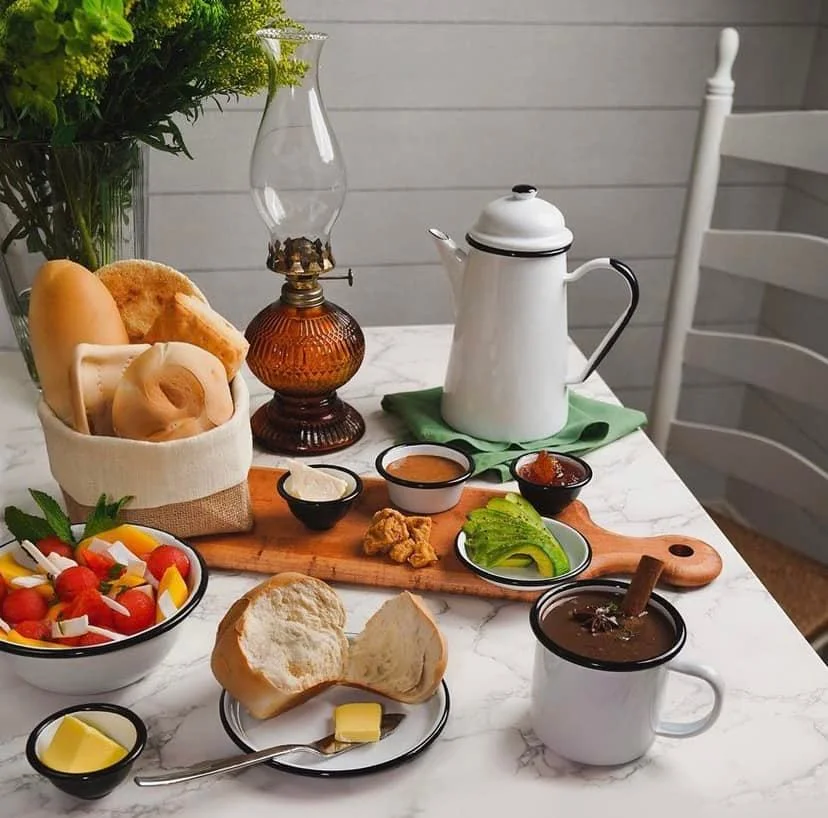
Haitian cuisine is rich and flavorful and is a true reflection of the country’s culture, history and traditions. It combines African, European and indigenous influences to offer diverse and delicious dishes. From everyday meals to traditional feasts, food in Haïti is more than just a way to eat, it’s a cultural experience. Discover with us what they eat in Haiti, and let yourself be seduced by the unique flavors of this Caribbean country.
Haiti, a jewel of the Caribbean where history, culture and nature meet to create an unforgettable experience. Whether you are passionate about adventure, relaxation or cultural discovery, Haïti offers a variety of activities that will captivate your heart. Here are 10 essential things to do in this paradise country.
Nestled in the heart of the Caribbean Sea, Haïti is known not only for its rich cultural and historical heritage, but also for its pleasant tropical climate which makes it a popular destination for tourists and nature lovers. Located in the Greater Antilles, Haïti shares the island of Hispaniola with the Dominican Republic and benefits from a climate that profoundly influences daily life, the economy and the biodiversity of the country.
Haiti has two mottos: "Unity is Strength" on its coat of arms and "Liberty-Equality-Fraternity" in its 1987 Constitution. Find out which one is official.
Haiti, the pearl of the Antilles, is a country rich in history and culture. Its public holidays are moments of celebration, commemoration and reflection on its glorious past. Each date has a special meaning, plunging Haitians into a festive and memorable atmosphere. b~January 1: National Independence Day and New Year~b January 1st is a doubly special day in Haiti. On the one hand, it is National Independence Day, commemorating the victory of Haitian slaves over French colonial forces in 1804. On the other hand, it is New Year’s Eve, marking the start of a new year full of promises and hopes. b~January 2: Feast of the Forefathers~b January 2 is dedicated to the memory of ancestors. It is an opportunity for Haitians to remember their roots, to celebrate the cultural heritage passed down from generation to generation. b~February: Carnival, Shrove Monday, Fat Tuesday, Ash Wednesday~b The month of February is marked by Carnival, one of the most colorful and dynamic festivities in Haiti. The streets fill with parades, lively music and wild dancing. Mardi Gras is the culmination of Carnival, followed by Ash Wednesday, marking the start of Lent. b~April: Easter, Maundy Thursday, Good Friday~b Easter celebrations in Haïti include the religious traditions of Maundy Thursday and Good Friday. It is a time of prayer and reflection for many Haitians. b~May 1: Agriculture and Labor Day~b May 1 is dedicated to celebrating the work and importance of agriculture in the life of the country. It is an opportunity to recognize the efforts of workers and to highlight the agricultural sector. b~May 18: Flag Festival~b Flag Day celebrates the Haitian flag, a symbol of independence and national pride. Haitians honor their colors and remember the courage of their ancestors in the fight for freedom. b~May 23: National Sovereignty Day~b This day commemorates the recognition of Haitian sovereignty by France in 1805. It is a moment of national pride and reaffirmation of independence. b~May - August: Ascension~b The Ascension is celebrated between May and August, a religious festival marking the ascension of Jesus Christ into heaven. b~June: Fête-Dieu~b Fête-Dieu, also known as the Feast of the Body and Blood of Christ, is an important religious celebration in June. b~August 15: Assumption of Mary~b The Assumption of Mary is a Christian holiday marking the ascension of the Virgin Mary into heaven. It is celebrated with fervor in Haiti. b~September 20: Birth Anniversary of Jean-Jacques Dessalines~b This date commemorates the birth of Jean-Jacques Dessalines, one of the founding fathers of Haïti and a key leader in the struggle for independence. b~October 17: Death of Dessalines~b October 17 is a day of commemoration of the death of Jean-Jacques Dessalines, recalling his impact on Haitian history. b~November 1: All Saints’ Day~b All Saints’ Day is a religious holiday honoring all saints, celebrated with prayers and visits to cemeteries. b~November 2: Day of the Dead~b All Souls’ Day is an opportunity to pay homage to the deceased by decorating graves and participating in religious ceremonies. b~November 18: Commemoration of the Battle of Vertières~b This day honors the decisive Haitian victory at the Battle of Vertières in 1803, marking the end of the French occupation. b~December 5: Discovery Day~b December 5 celebrates the discovery of the island by Christopher Columbus in 1492. b~December 25: Christmas~b Christmas celebrations in Haïti are marked by family reunions, festive meals and religious traditions. Public holidays in Haïti are much more than breaks from everyday life; these are moments that embody the soul and resilience of a people. Each celebration provides an opportunity to come together, remember the past and look to the future with hope and determination.



Black History Month is the perfect opportunity to celebrate the culture and heritage of Afro-descendant communities through cuisine. Haitian gastronomy, rich in history and flavors, is a reflection of the resilience and identity of the Haitian people. Here are two iconic dishes to discover to honor this celebration.
To mark the 345th anniversary of Cap-Haïtien, Okap Fashion Men is organizing an exceptional event: a fashion day dedicated to the 50s. This unique event immerses participants in the elegance of a bygone era, where sophistication and refinement were at the heart of fashion.
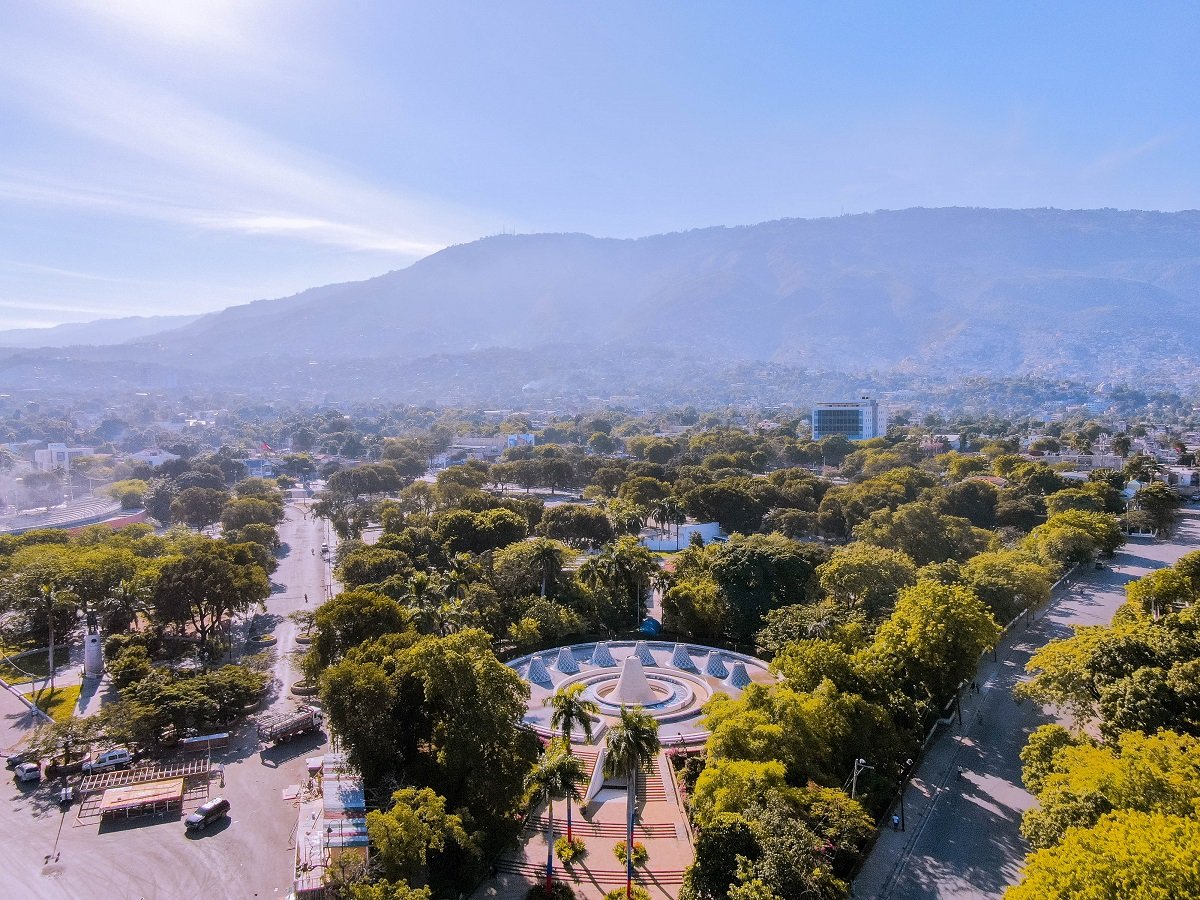
Haiti, officially the Republic of Haïti (Ayiti in Creole), is a country in the Greater Antilles. With an area of approximately 27,750 square kilometers, it is the third largest country in the Caribbean after Cuba and the Dominican Republic. Haïti shares a 360-kilometer land border with the Dominican Republic, strengthening ties and cultural distinctions between the two nations that cohabit on the island of Hispaniola. Haiti’s coastline stretches approximately 1,770 kilometers, bordering the Atlantic Ocean to the north and the Caribbean Sea to the south. This island is full of historical treasures, stunning natural landscapes and a vibrant culture worth exploring. Discover this Caribbean gem with us.
Haiti, with its spectacular coastline and enchanting landscapes, is a destination of choice for lovers of paradise beaches. The country, often overlooked for its natural treasures, is home to some of the most beautiful beaches in the Caribbean. From stretches of fine sand lined with coconut trees to secret and isolated coves, Haïti offers a diversity of beaches that will not fail to amaze you. Discover below a selection of the most beautiful beaches in the country, each offering a unique and unforgettable experience.

First black nation to free itself from slavery and gain independence from France in 1804 and influenced other liberation movements around the world, inspiring struggles for freedom and equality.

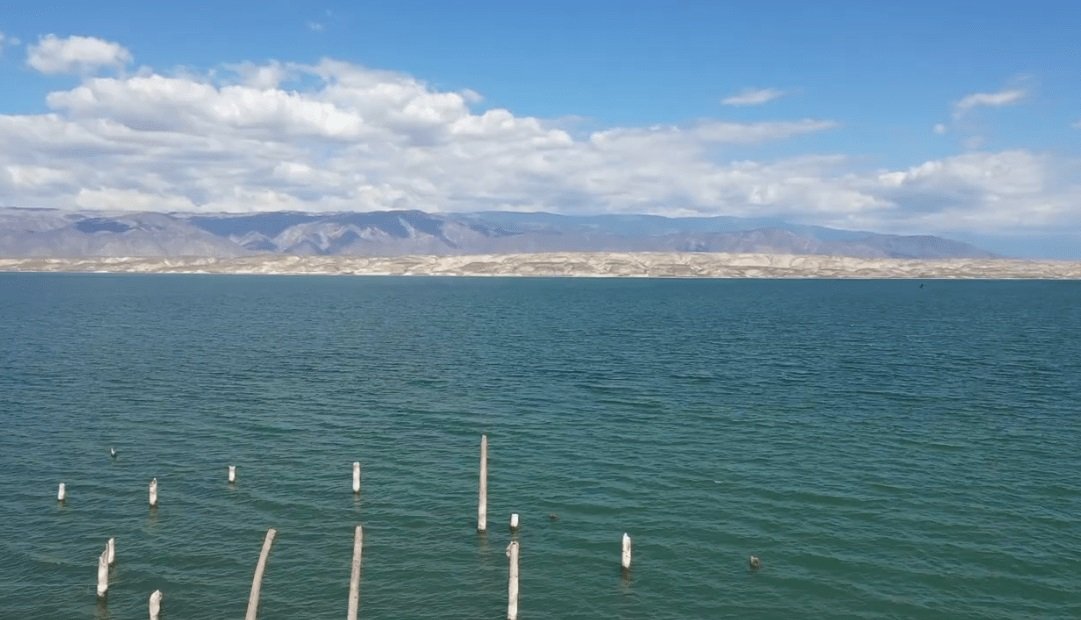
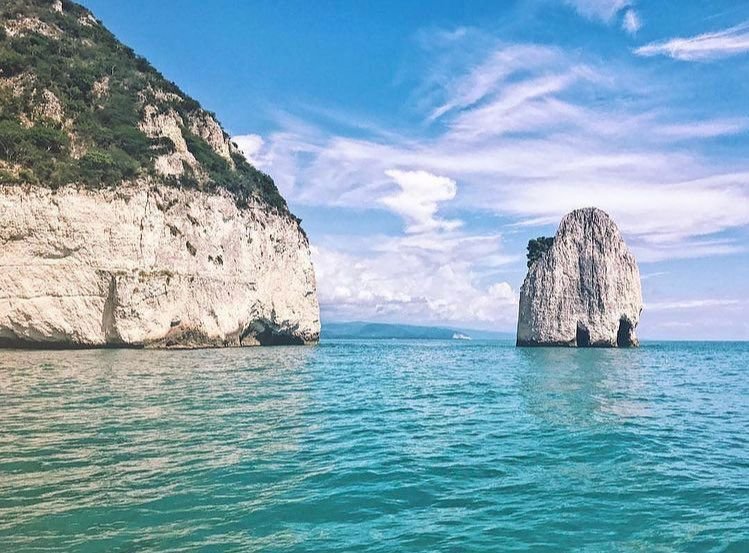
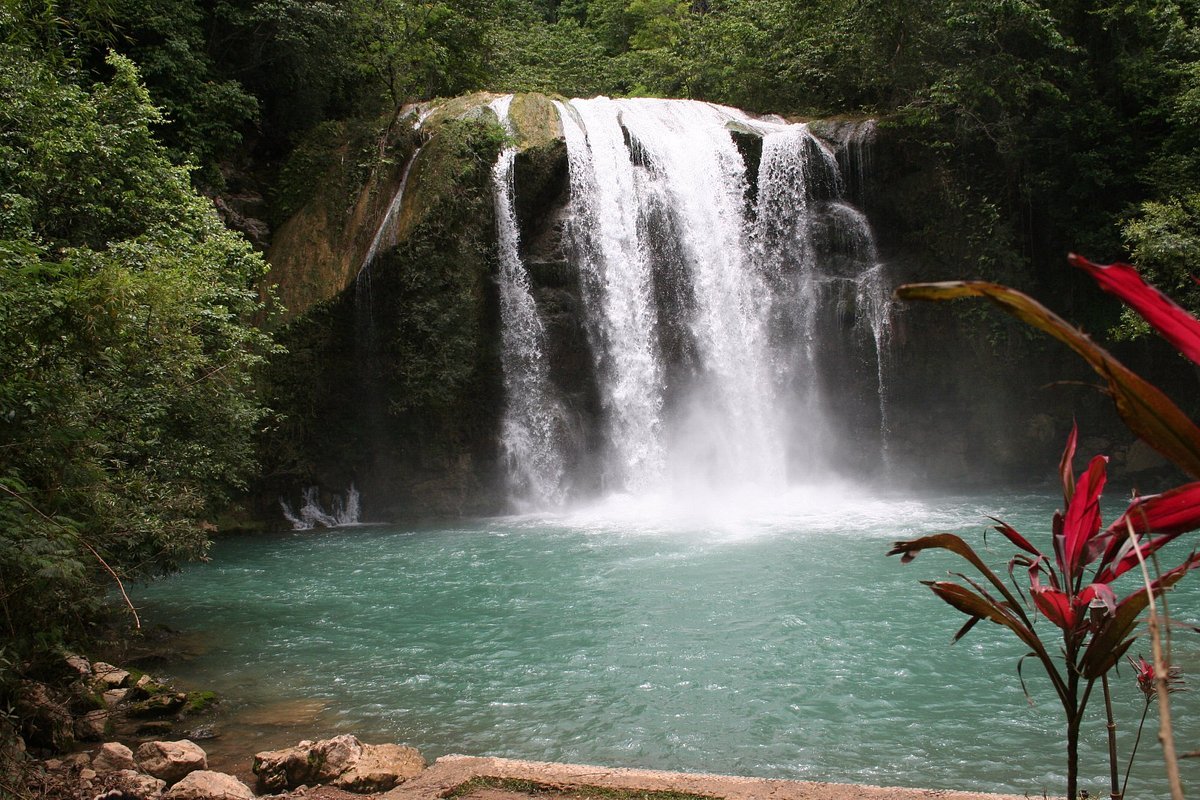
Haïti is blessed with spectacular natural landscapes, including white sand beaches, mountains and rich biodiversity.

Haïti has a rich historical heritage, including sites like the Citadelle Laferrière and the Sans-Souci Palace, listed as UNESCO World Heritage Sites.

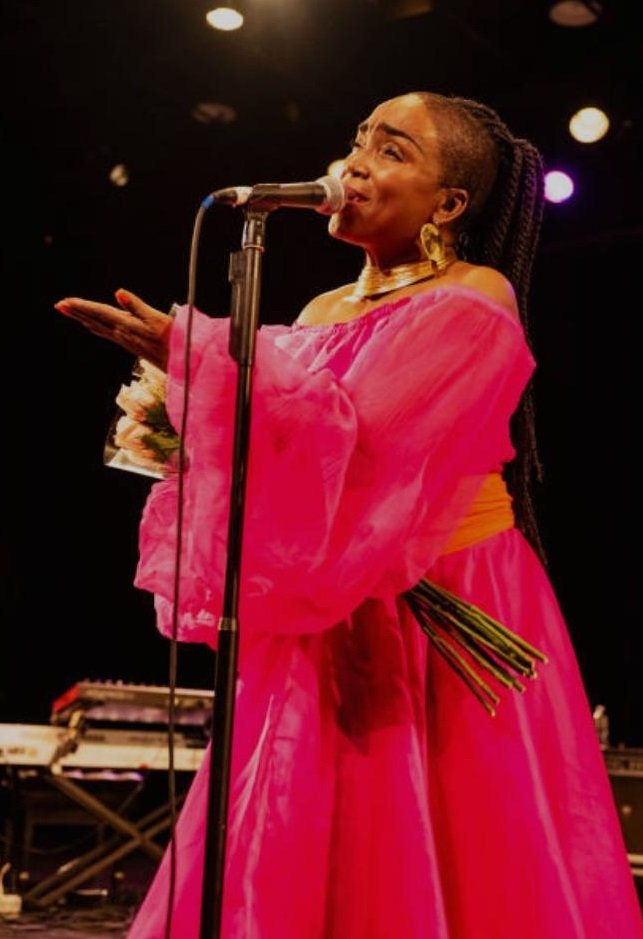
Haïti has a rich and diverse culture, influenced by African, European and indigenous elements. Haitian music, dance, art and cuisine are celebrated around the world.