



Holidays and Celebrations in Haiti
A complete calendar of national and religious holidays in Haiti. From Independence Day to Christmas, explore the vibrant culture of the Pearl of the Antilles.
Haïti is a fascinating nation, rich in history, culture, and mysteries. Although often overlooked or reduced to stereotypes, it is full of unique facts that testify to its essential role in world history and its natural treasures. Here are 10 surprising facts about Haïti that you may not know.
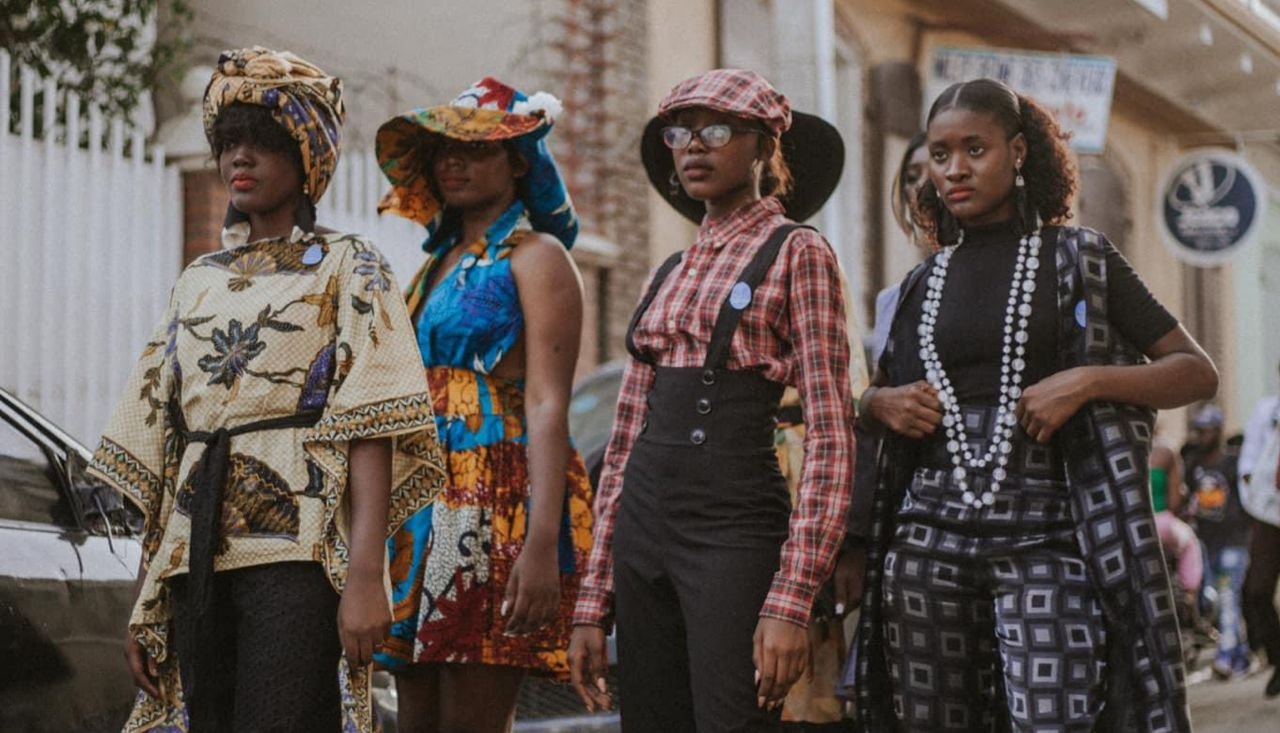
To mark the 345th anniversary of Cap-Haïtien, Okap Fashion Men is organizing an exceptional event: a fashion day dedicated to the 50s. This unique event immerses participants in the elegance of a bygone era, where sophistication and refinement were at the heart of fashion.
Haiti, a country rich in history and culture, is located in the heart of the Caribbean region. Known for its idyllic beaches, majestic mountains and welcoming people, Haïti is a true gem in this tropical region. But where exactly is Haïti located in the Caribbean, and what are the geographical features that define this fascinating country?
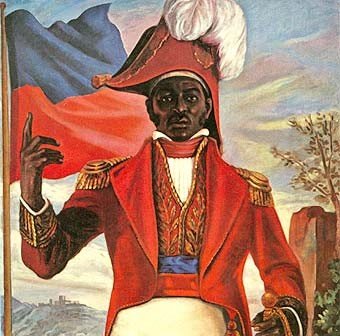
In the annals of the history of Haiti, an island located in the Caribbean at the entrance to the Gulf of Mexico and shared with the Dominican Republic, Jean-Jacques Dessalines emerges like a phoenix from the ashes of oppression. Born a slave on September 20, 1758 in the home of Henri Duclos, in Cormier (Grande-Rivière-du-Nord), in the French colony of Saint-Domingue, Dessalines was a Creole of African (Afro-Caribbean) origin. Freed during the 1794 abolition achieved through slave revolts, actually served as an officer in the French army during the French Revolution. At that time, the ideas of freedom and equality were at the heart of the concerns of the inhabitants of the colonies. Dessalines actively participated in the fighting against the Spanish and British forces, alongside the French, in Santo Domingo. Having risen to the rank of Lieutenant General, Jean-Jacques Dessalines turned against the French during the Leclerc expedition, sent to Saint-Domingue by Bonaparte to reestablish colonial authority and slavery during the Haitian Revolution. After the capture and deportation of Toussaint Louverture to France on June 7, 1802, Dessalines assumed a leading role in continuing the struggle for independence. He led numerous battles, including the battle of Crête-à-Pierrot in March 1802, where he galvanized his soldiers with his famous declaration: “Let those who want to remain slaves of the French leave the fort, let those, on the contrary, who want to die as free men, line up around me.” On January 1, 1804, Jean-Jacques Dessalines achieved the long-awaited goal of independence by proclaiming Haïti as a sovereign nation, becoming the second country in the Americas to gain independence from a colonial power. He became the first leader of the newly formed nation and was named Emperor under the name James I. However, his imperial reign was marked by authoritarian and brutal policies, including the massacre of many white settlers and the redistribution of land to peasants that was in the hands of the generals of the independence army. In addition, he organized the hunt for delinquents in the city while implementing rigorous agrarian policies, considering that they represented a threat to the stability of the nation, these controversial actions caused divisions within Haitian society. Dessalines was assassinated on October 17, 1806 following a plot organized by some of his generals in the Haitian army. His death marked the end of his brief but influential period in power. Despite the controversies surrounding his methods, he is recognized as the main architect of Haiti’s independence and his name was honored in 1903 by being attributed to the Haitian national anthem, La Dessalinienne, composed by Justin Lhérisson.Finally, the great visionary man Jean Jacques Dessalines remains an emblematic figure in the history of Haiti, recognized for his role in the fight for independence and the end of slavery in the region.
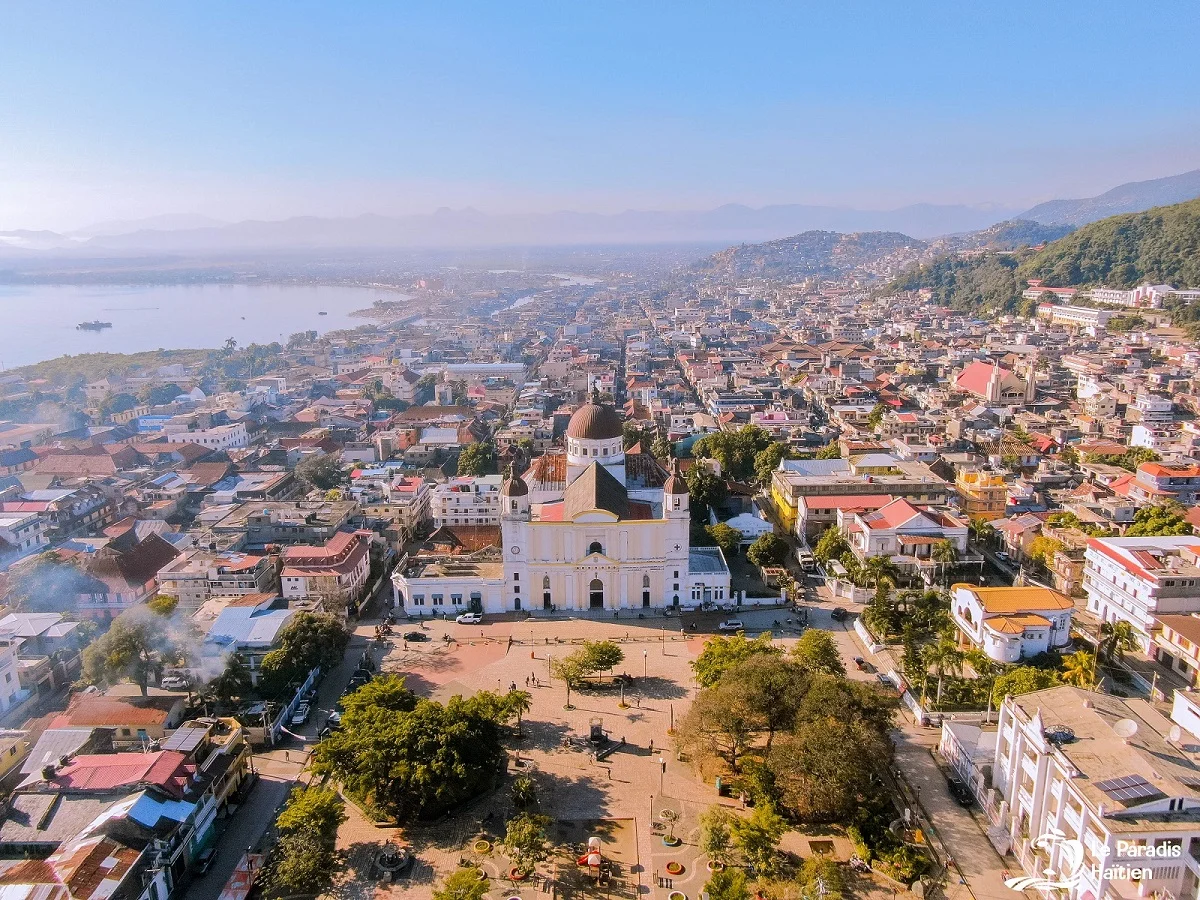
Cap-Haïtien, is a coastal city in the northern department of Haiti, formerly known under the names of Cap-Français or Cap-Henri. Dominated by the Morne Jean mountain, this destination offers an immersion in the French colonial past and the Haitian revolution. Nestled by picturesque bays and bordered by the Haut-du-Cap river, Cap-Haitien appeals to travelers looking for authenticity and seaside adventure. The city, rich in history and culture, has seen the birth of renowned artists like Philomé Obin and hosts a vibrant music scene with the groups Septentrional and Tropicana from Haiti. Its hidden treasures, including the Citadelle La Ferrière and the historic site of Vertières, as well as its magnificent natural landscapes, make Cap-Haitien an unmissable destination in the Caribbean. Paradise beaches in Labadie and cobbled streets evoking a rich past invite visitors to fully immerse themselves in Haitian history and culture. Cap-Haïtien, formerly Cap-Français or Cap-Henri, is the second city of Haiti, capital of the Nord department and the district of Cap-Haïtien. Located on the northern coast of the Republic of Haïti , was considered in the 19th century as the safest port. Dominated by the Morne Jean mountain, culminating at 718 meters above sea level, the town is located at the mouth of the Haut-du-Cap river, on the west coast. of the bay of Cap-Haïtien. To the west of the town lies the Acul Bay.
The name “Haiti” is deeply rooted in the history, culture and identity of the nation. Carrying within it the legacy of the first inhabitants and the weight of the struggles for freedom, this word symbolizes much more than a simple territory. Let’s discover together the history and context surrounding this unique appellation.
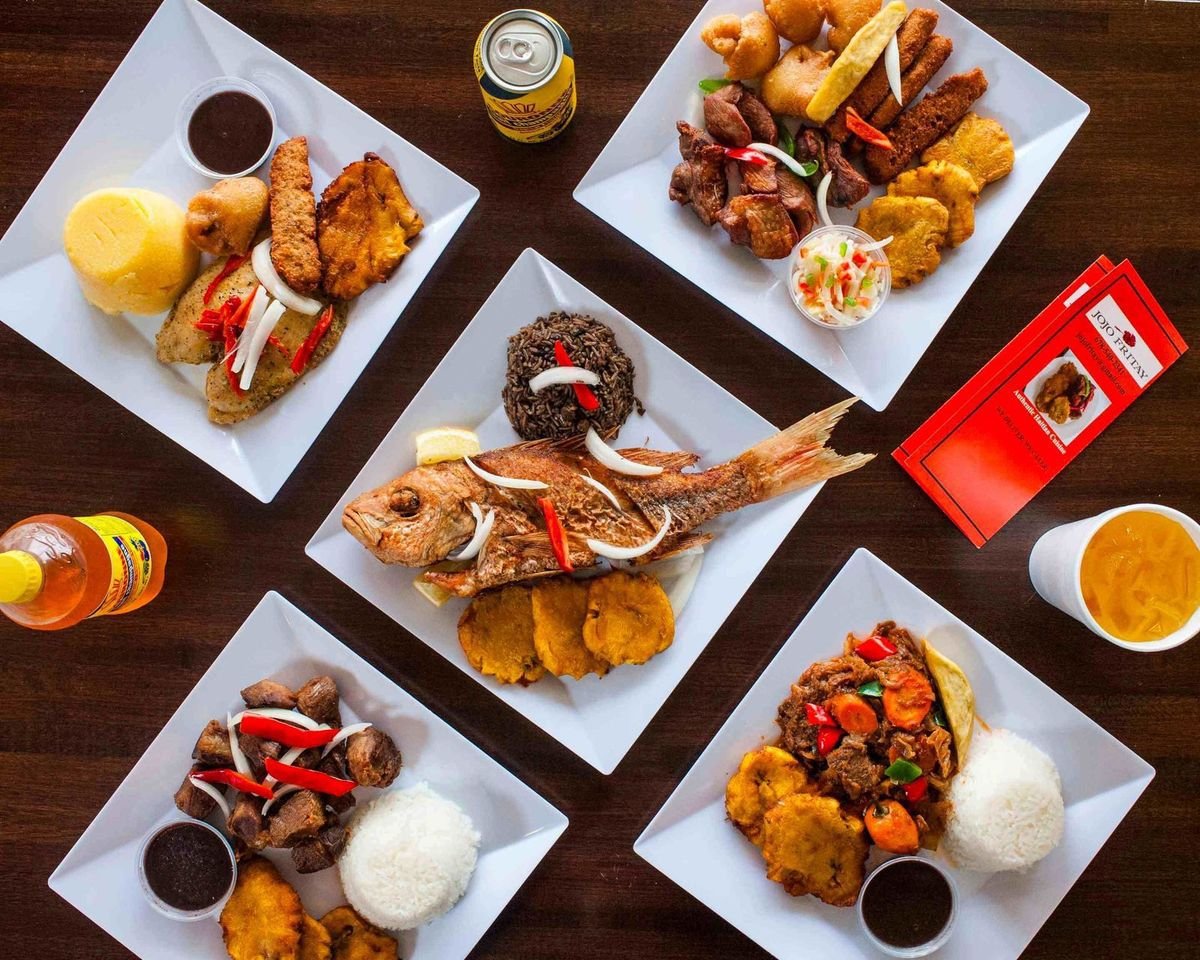
Haitian cuisine, with its blend of spices, flavors, and traditions, occupies a unique place in the Caribbean culinary panorama. Rooted in centuries of history and cultural influences, it is distinguished by several elements that make it exceptional. Let’s discover what makes Haitian gastronomy unique.
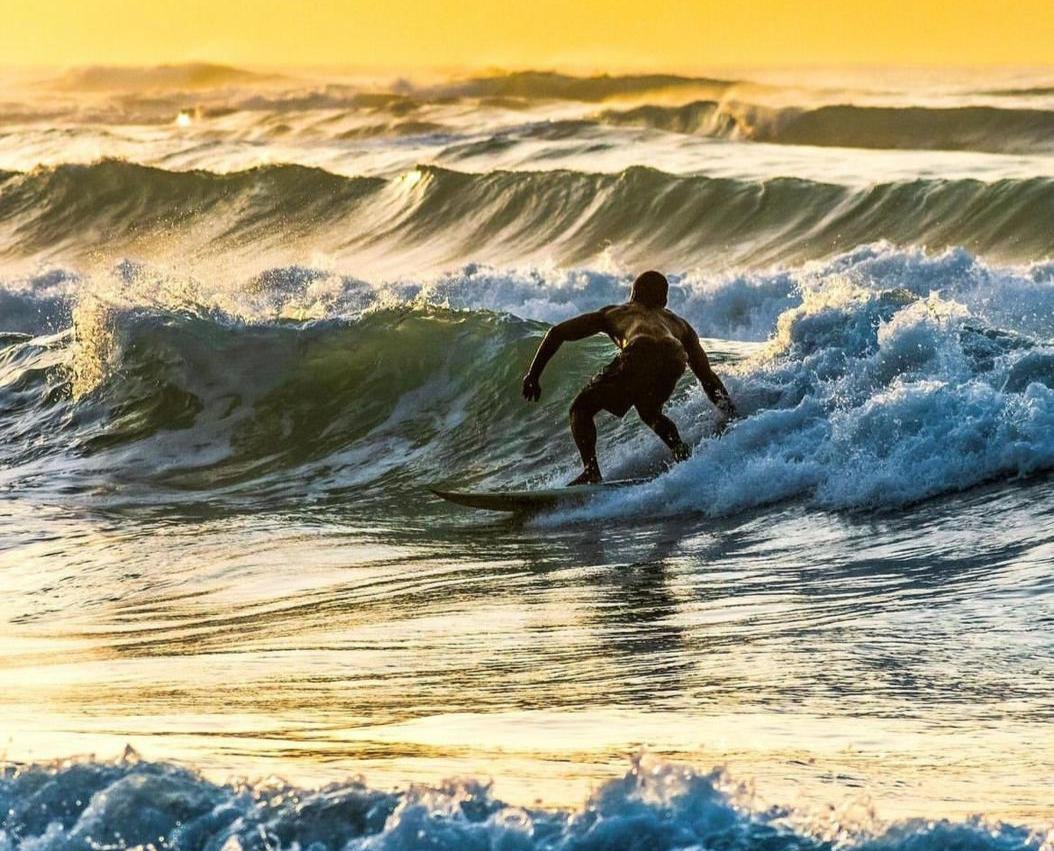
Haïti Surf, a hidden space on the coast of Jacmel which offers an unforgettable surfing experience in a breathtaking tropical setting. Situated among the crystal clear waves of the Caribbean Sea, Haïti Surf is a paradise for water sports enthusiasts and adventure-seeking travelers.
On August 29, 2025, Pierre Marc BAPTISTE, a young, committed leader from Belecourt, Cité Soleil, will celebrate eight years of social, educational, and leadership work in his community. On this occasion, he is launching an appeal for donations (money, books, educational materials) to support an ambitious project: the creation of the Duvivier High School Library.
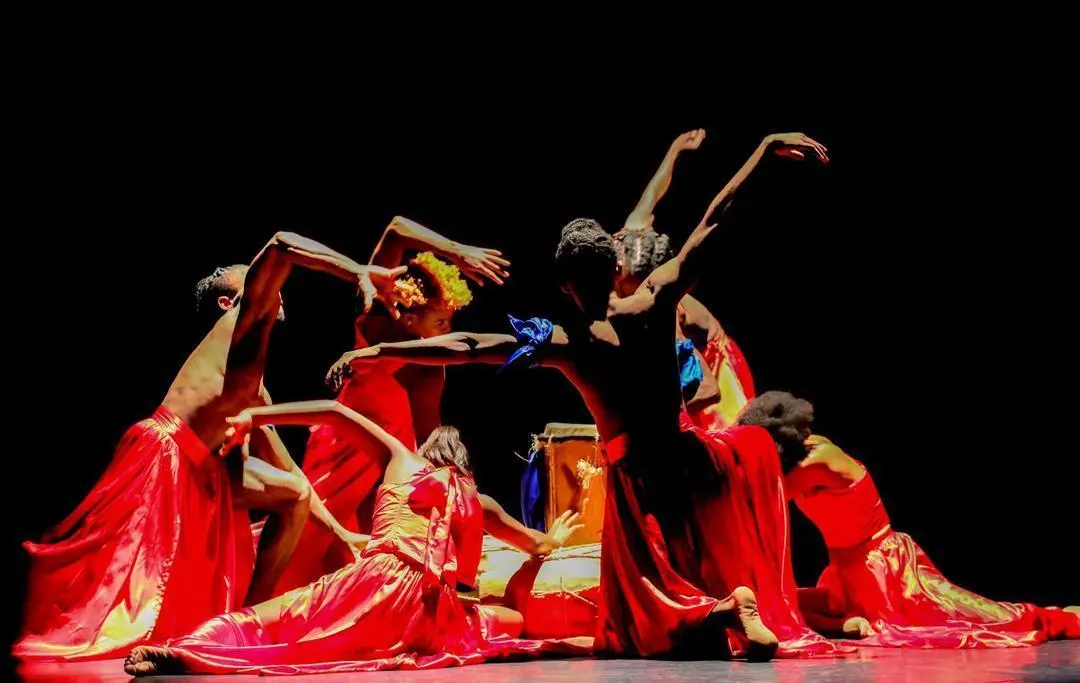
Haiti, a land rich in history and cultural diversity, offers a unique musical treasure through its captivating rhythms. Haitian music, deeply rooted in the fusion of different African, European and Caribbean influences, constitutes a vibrant expression of national identity. One of the distinctive elements of Haitian music is its rhythmic diversity, reflecting the many facets of daily life, from religious celebrations to moments of joy and sorrow. Haitian rhythms, carrying contagious energy, are a reflection of the soul of the Haitian people. One of Haiti’s most iconic musical genres is direct compas, which emerged in the 1950s. This catchy rhythm, coupled with captivating melodies, has captured hearts globally. The direct compass embodies the fusion of different musical styles, including jazz, merengue, and elements of traditional Haitian music. Haitian musical traditions are not limited to contemporary sounds. Vodou, an ancestral spiritual practice, also has a major influence on Haitian music. Vodou rhythms, often associated with religious ceremonies, create a deep connection between spirituality and artistic expression. Furthermore, dance is inseparable from Haitian music. The graceful and energetic movements of traditional dances like rasin, combined with captivating rhythms, transport dancers and spectators to a world where bodily expression becomes a living art form. Exploring the musical and dance traditions of Haïti is like diving into a universe where history, culture and spirituality are harmoniously woven together. These rhythms, passed down from generation to generation, are much more than simple notes; they embody the soul of a people and the richness of its diversity. Celebrating these traditions pays homage to Haiti’s exceptional cultural heritage and its invaluable contribution to the global music scene.
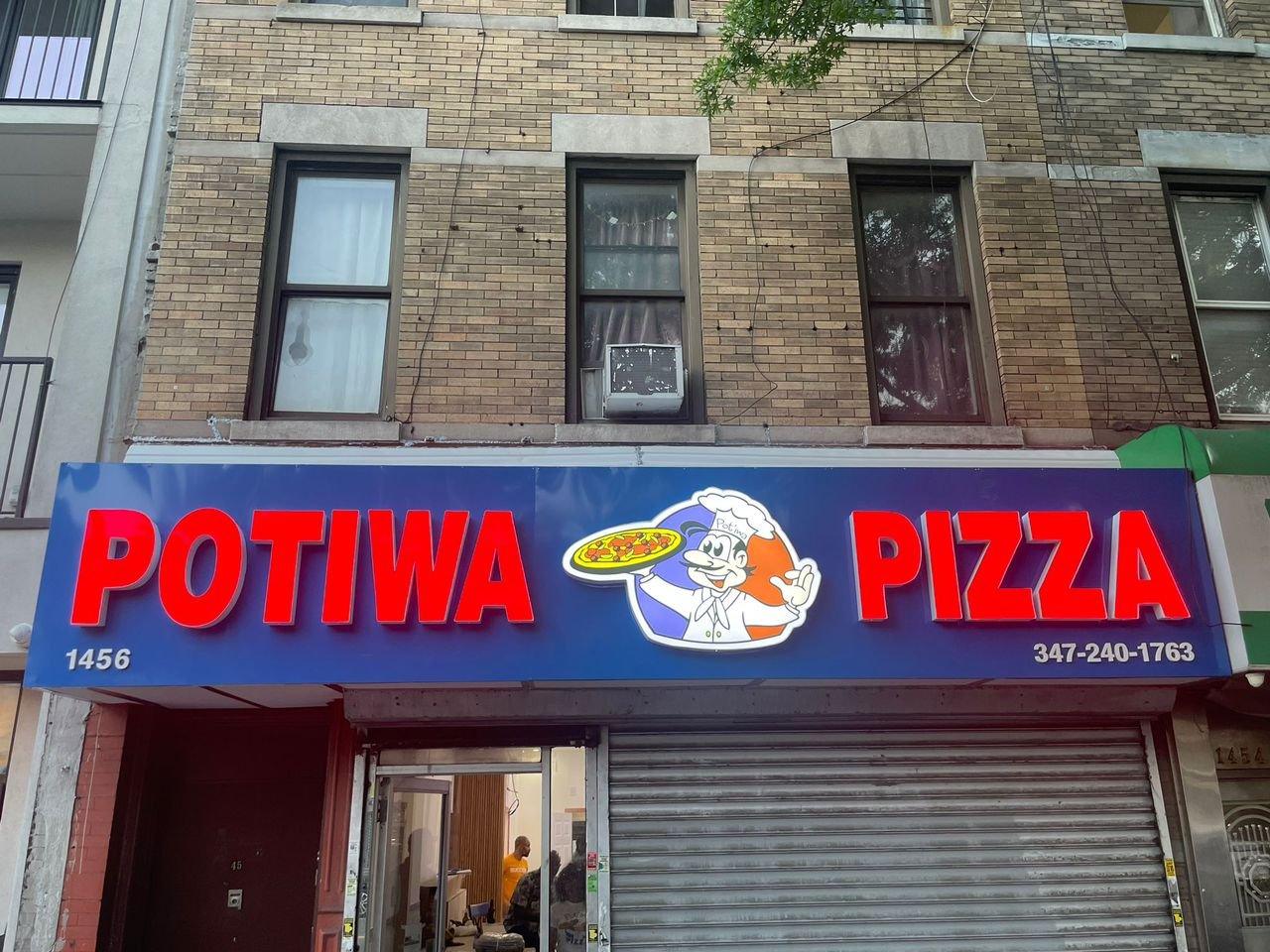
Pot’iwa Pizza, a Haitian company renowned for its pizzas with authentic Haitian flavors, continues to expand its international footprint with the imminent opening of its fifth restaurant, located in Brooklyn, New York. This new opening marks an important step in the growth of Pot’iwa Pizza and demonstrates its undeniable success since its creation.
In Haiti, chaos is not a simple consequence of events, but a carefully crafted product of actors whose decisions—or lack thereof—worsen the crisis every day. At the head of this orchestration of failures is the Presidential Transitional Council (CPT), led by architect Leslie Voltaire since October 2024. Presented as a temporary solution to get Haïti out of its impasse, the CPT quickly proved ineffective and incapable of responding to the country’s urgent challenges.
The Battle of Savannah, which took place in October 1779, is recognized as a crucial turning point in the American Revolution. This major conflict, where American and French forces fought against the British, was also marked by the remarkable participation of Haitian soldiers. Among them, the future king of the northern part of Haiti, Henri Christophe, who was wounded by a bullet during this battle. Their contribution was decisive, highlighting the international solidarity in the quest for freedom and independence that characterized this era.
Moïse François is a young Haitian journalist, poet and law student at the State University of Haiti. He was born on November 13, 1999 in Port-au-Prince and is the eldest of a family of three children. He grew up between his hometown and Camp-Perrin, a small town in southern Haiti. Moïse François is a young Haitian with a remarkable academic and professional background, showing a deep passion for literature, journalism, social commitment and justice. He embodies this type of dynamic young person that the thirst of any great human society demands. Moïse claims above all to be a surveyor of the countries of his read books. "Literature, the kind that sets free, is my first home. I frequented Prague under the Soviet occupation of Milan Kundera, thanks to its literature, much better than some corners of Port-au-Prince, my hometown, largely plunged into horror and constant fear," he says. His great literary culture has largely contributed to his open-mindedness, his survival in this country and his impressive creativity.

First black nation to free itself from slavery and gain independence from France in 1804 and influenced other liberation movements around the world, inspiring struggles for freedom and equality.

Haïti is blessed with spectacular natural landscapes, including white sand beaches, mountains and rich biodiversity.

Haïti has a rich historical heritage, including sites like the Citadelle Laferrière and the Sans-Souci Palace, listed as UNESCO World Heritage Sites.

Haïti has a rich and diverse culture, influenced by African, European and indigenous elements. Haitian music, dance, art and cuisine are celebrated around the world.