
World Tourism Day: 7 Reasons Why Haïti is an Exceptional Tourist Destination
Majestic citadel, heavenly beaches, vibrant art: Discover why Haiti is revolutionizing Caribbean tourism and why you absolutely must visit now.

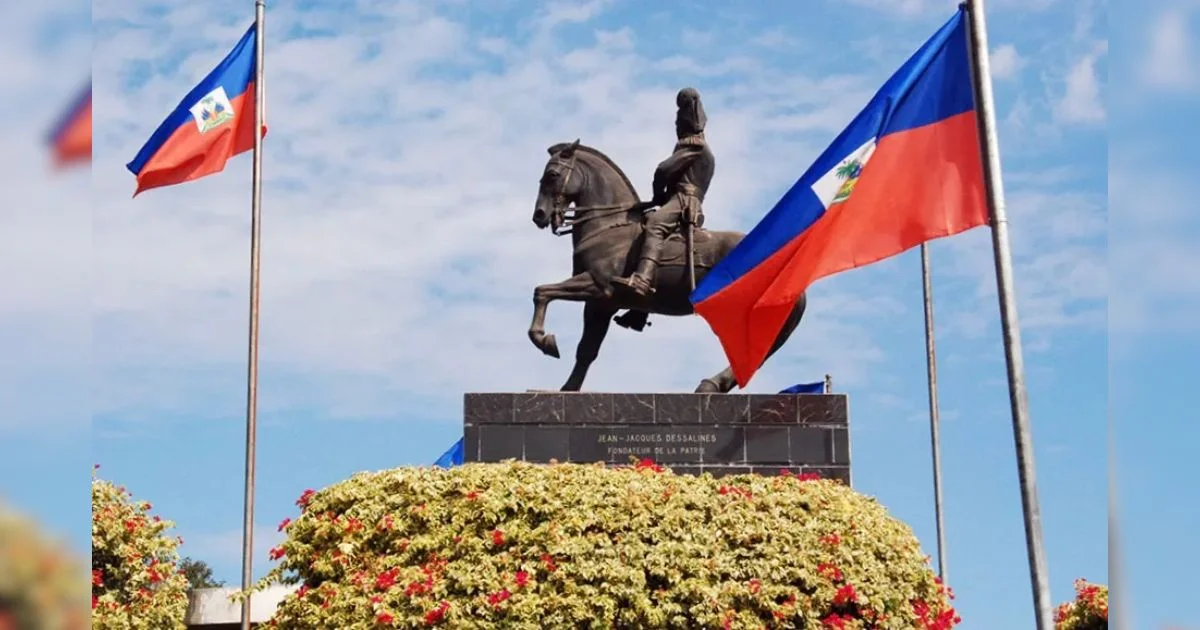
Jean-Jacques Dessalines is an emblematic figure in modern world history for his fruitful involvement in the fight against the slave system. Through his dedication and courage, he embodied the indomitable spirit of an entire black people forcibly deported from the African continent, implanted by this same violent mechanism, in America to suffer, but determined to free themselves from oppression by forging their own destiny despite all the risks and difficulties. Dessalines’ entire life, his entire journey bears the mark of a life inscribed in the fight to free his loved ones. His unfailing determination and passion for freedom made him a living symbol of resistance for all the oppressed nations of the earth, more than two centuries after his death. We wrongly associate the image of Jean-Jacques Dessalines with chaos. The sole aim is to discredit his immense legacy before the eyes of history. “Koupe tèt, boule Kay” is the preferred expression to use for such purposes against his character, along the way, expressly forgetting the historical context hidden in the back of the “koupe tèt boule Kay” in question, also refusing to register this approach historical in the logic of a just and courageous stand, in the face of a barbaric, slavery system, devoid of morality and humanity.
Kre-Yole, a Haitian company dedicated to the promotion and sale of local, artisanal and agricultural products. Founded with the aim of highlighting Haiti’s cultural richness and unique talents, Kre-Yole positions itself as a sales channel allowing artisans, agricultural producers and others to share their creations with the world.
The Rassemblement pour une Entente Nationale (REN) is a Haitian civil society organization that actively works for a more just, inclusive, and prosperous Haiti. It firmly believes that the transformation of the country depends on the involvement of its citizens, particularly youth and women, who are the pillars of tomorrow, especially given their significant demographic weight in the Haitian population. Guided by this vision, REN focuses its efforts on training, raising awareness, and mobilizing these key groups to help them realize their strength and their ability to drive real change for Haiti’s development.
Haiti, a country rich in history and culture, is located in the heart of the Caribbean region. Known for its idyllic beaches, majestic mountains and welcoming people, Haïti is a true gem in this tropical region. But where exactly is Haïti located in the Caribbean, and what are the geographical features that define this fascinating country?
Cap-Haïtien is about to vibrate to the rhythm of innovation, creativity, and Haitian gastronomy! The 3rd edition of OKAP Flavors, organized by Sakapfet OKAP, will be held on Saturday, August 17, 2025, at the Foyer d’Initiative et de Créativité (FIC), known as Kay Frè a, rue 18L in Cap-Haïtien. This flagship event highlights local entrepreneurship, the cultural and culinary richness of the Grand Nord region, while creating economic opportunities for the region.
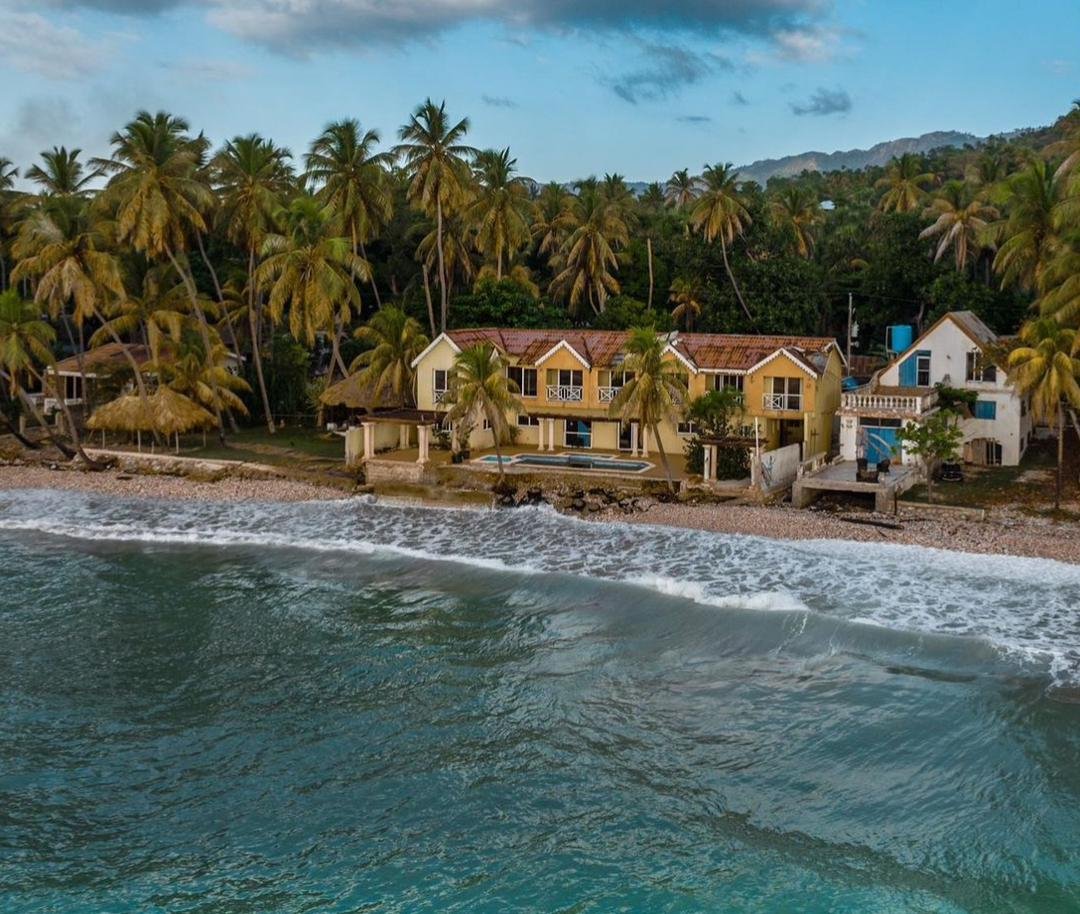
When it comes to choosing the perfect destination to spend the summer, Haïti emerges as a hidden gem in the Caribbean. With its favorable climate, sunny beaches and dazzling natural beauty, this island offers a unique and memorable tourist experience.
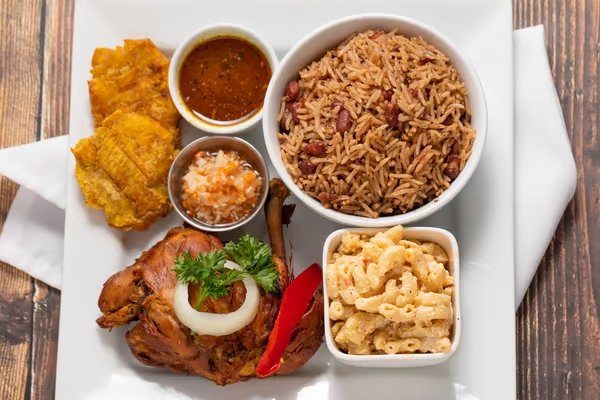
La cuisine haïtienne, riche et colorée, offre des plats savoureux comme le "Diri kole ak sòspwa" et le "Legim". Le Diri kole ak sòspwa, un mélange réconfortant de riz et de haricots rouges, est un pilier de l’alimentation haïtienne, souvent accompagné de viande ou de poisson. Le Legim, quant à lui, est un ragoût végétarien épicé fait de chou, de carottes, et d’épinards, épaissi avec de la purée d’aubergine et enrichi d’épices. Ces plats, profondément ancrés dans la tradition, symbolisent la fusion unique des influences africaines, françaises et taïno qui caractérise la cuisine haïtienne.
On Thursday, May 15, 2025, the Karibe Hotel hosted the launch conference of the 4th edition of the national essay contest organized by Centre Muse Haïti. The event was attended by members of the Centre, including Father Gilbert Peltrop, contest coordinator, Mr. Arnold Antonin, special guest of this edition, as well as representatives from institutions such as the Ministry of National Education, represented by Emmanuel Bernard speaking on behalf of Minister Antoine Augustin; the OPC; the State University of Haiti, represented by Rector Dieuseul Prédélus; LONAPÉ, represented by Mr. Hervé Boursiquot; the Ombudsman Me Wilner Morin; and representatives of the UNDP, BINUH, and UNESCO, represented respectively by Mr. Xavier Michon, Armor BouBarkri (on behalf of Ms. Maria Isabel Salvador), and Ms. Erica Francillon Célestin (on behalf of Mr. Éric Voli Bi), partners of Centre Muse in this initiative. Members of the press were also present.
The Haïti Monde Festival is a major cultural event dedicated to promoting Haitian thought, memory, and creativity in the heart of Paris. Led for several years by Haitian intellectual Chadrac Charles and his team, it aims to be a space for expression, transmission, and reflection. In 2025, this fourth edition is organized around a theme that is more relevant than ever: “Repairing the World,” and will take place from June 25 to July 11 in the French capital. Gaël Octavia, winner of the 2025 Goncourt Prize for the short story, will be the guest of honor. Alongside her, other friends of the Haitian cause and powerful voices from the Haitian literary scene will be gathered. Among them: geographer Jean-Marie Théodat, Louis-Philippe Dalembert, Rocé, Mélissa Laveaux, Marie-Yemta Moussanang, Makenzy Orcel, Françoise Vergès, Lyonel Trouillot, Nicolas Idier, Nathania Périclès, Vladimir Delva, Sandra Dessalines, Claude Saturne, Kébert Bastien, Jude Joseph... and many others. A tribute will also be paid to Frankétienne and Anthony Phelps, two giants of Haitian literature who passed away this year.
Haïti is a unique country in the Caribbean, not only for its revolutionary history, but also for its official languages: French and Haitian Creole. French, although spoken fluently by only a minority, plays a central role in the country’s administration, education, and culture. But why is this language so present in a country with African and Caribbean roots? This article explores the historical, cultural, and sociolinguistic origins of French in Haiti.
Haiti, often nicknamed "the pearl of the Antilles", is a fascinating destination for travelers in search of authenticity. This Caribbean island country offers a unique combination of natural beauty, an exceptional historical heritage, and a vibrant culture.

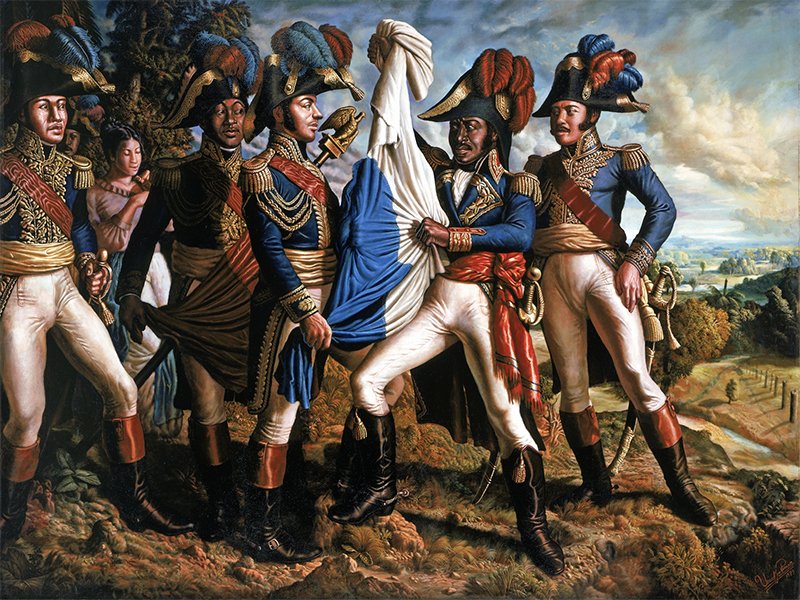
First black nation to free itself from slavery and gain independence from France in 1804 and influenced other liberation movements around the world, inspiring struggles for freedom and equality.

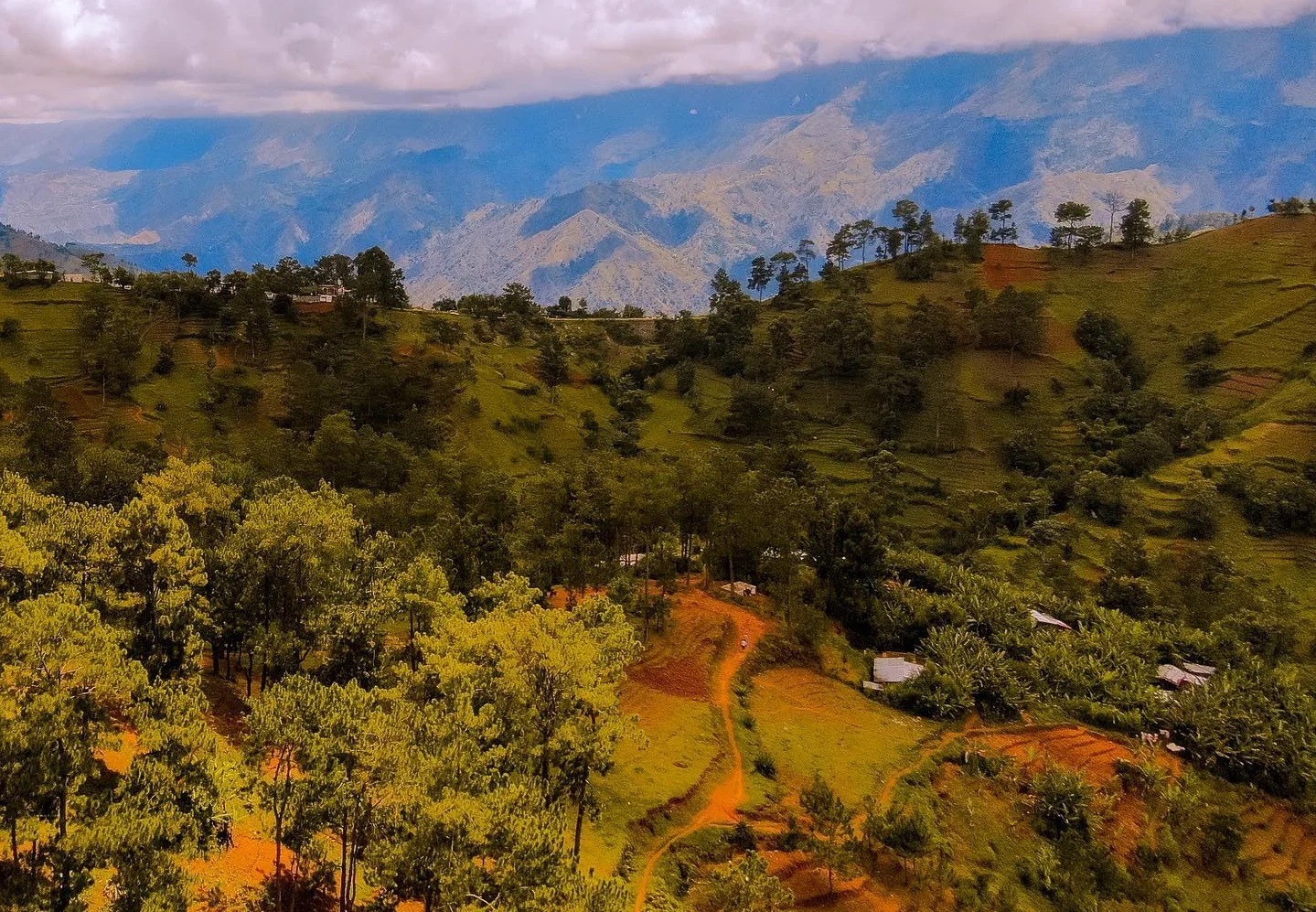
Haïti is blessed with spectacular natural landscapes, including white sand beaches, mountains and rich biodiversity.

Haïti has a rich historical heritage, including sites like the Citadelle Laferrière and the Sans-Souci Palace, listed as UNESCO World Heritage Sites.

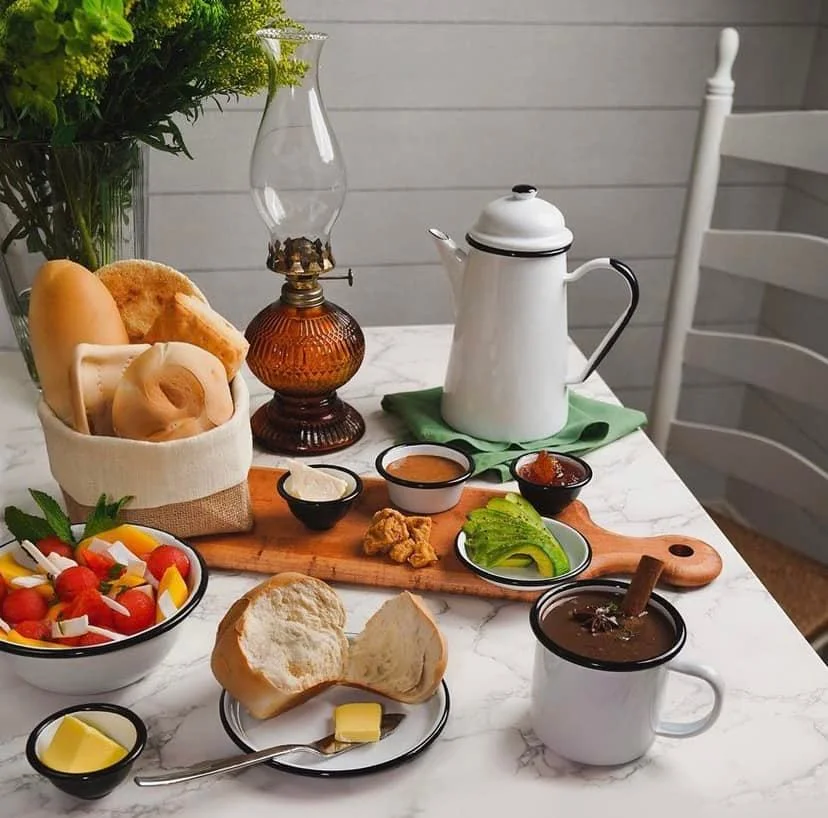
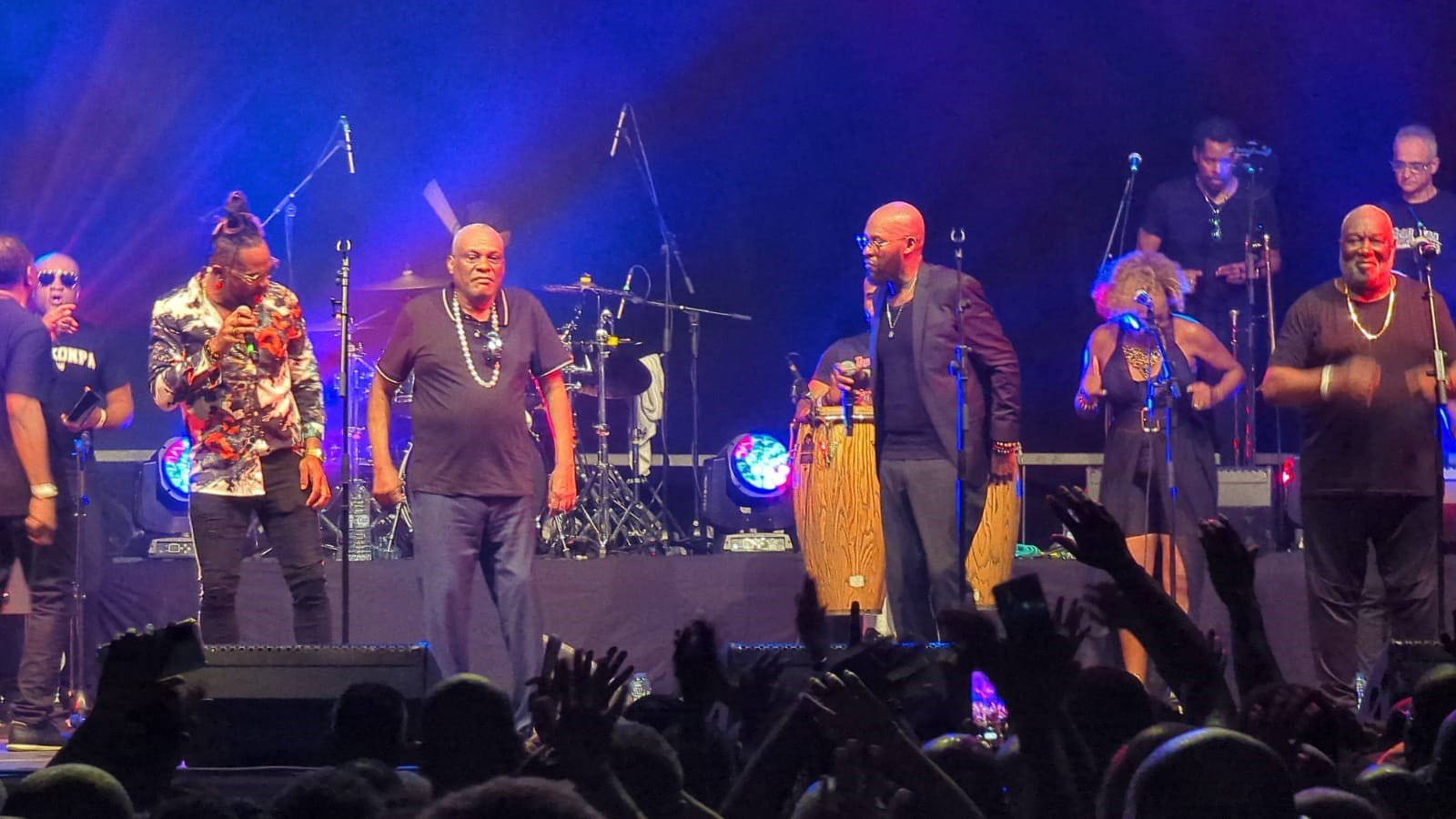
Haïti has a rich and diverse culture, influenced by African, European and indigenous elements. Haitian music, dance, art and cuisine are celebrated around the world.