

Haiti: Why do people confuse "Unity is Strength" and "Liberty - Equality - Fraternity"?
What is Haiti's real motto? Understanding the confusion between "Unity is Strength" and "Liberty-Equality-Fraternity."

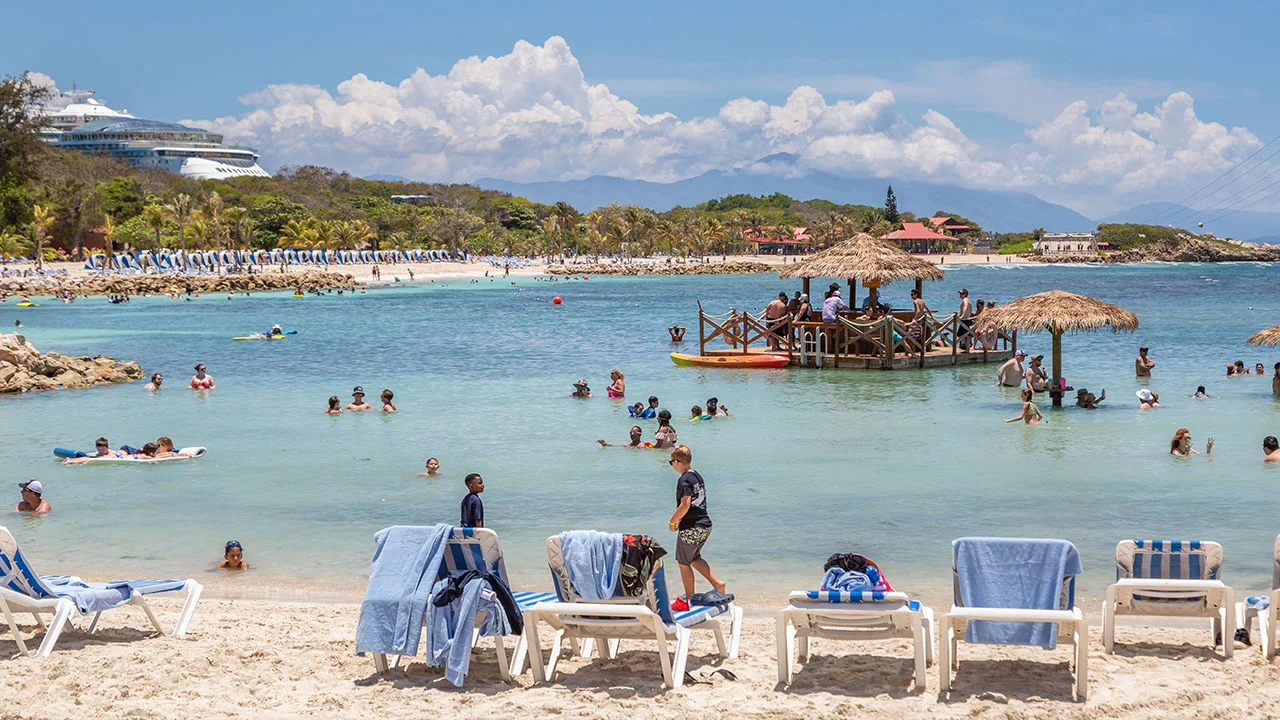
Jacmel is a city located on the southern coast of Haiti, specifically in the southeastern department. To this day, the city is known for its well-preserved colonial architecture and rich historical heritage, as well as its carnival, one of the most famous in the Caribbean. Jacmel is one of the oldest cities in Haiti. Its origins, according to some historians, trace back to the time of the Taíno people, the island’s first inhabitants, who lived here long before the arrival of Christopher Columbus and his settlers in 1492. Long before it became Jacmel, this city in southeastern Haïti was called Yakimel. The renaming of Jacmel was carried out by the French during their colonization of the western part of the island of Hispaniola. Over the years, Jacmel has transformed into a city where living well blends with the beauty of the sea, in the hearts of its visitors. Nature is fully embraced here, and the sea remains a source of joy throughout the day. Jacmel offers all of this, in addition to its glorious past, which anchors it as a major location in Haiti’s grand history. With its unique charm, Jacmel is among the Haitian cities that can leave a lasting impression. In the 1950s and 60s, until the early 1980s, Jacmel was one of the most popular tourist destinations in the Caribbean due to its reputation as a city with unmatched natural beauty and grace. During this time, the Jacmel coastline warmly welcomed cruise ships filled with tourists from all corners of the world. It was also during this period that Jacmel was one of the most commercially active cities in Haiti, among the country’s most economically flourishing, thanks to the significant influx of tourists.
Since the beginning of the week, an unfounded rumor has been circulating in the United States, particularly in the state of Ohio, accusing Haitians in the diaspora of killing and consuming pets, as well as ducks in public ponds. These allegations, widely relayed by certain public and political figures, have been formally denied by local authorities and the police in Springfield, the city where these alleged events allegedly took place. Despite these denials, the rumor continues to thrive, fueling stigmatization against Haitian migrants.
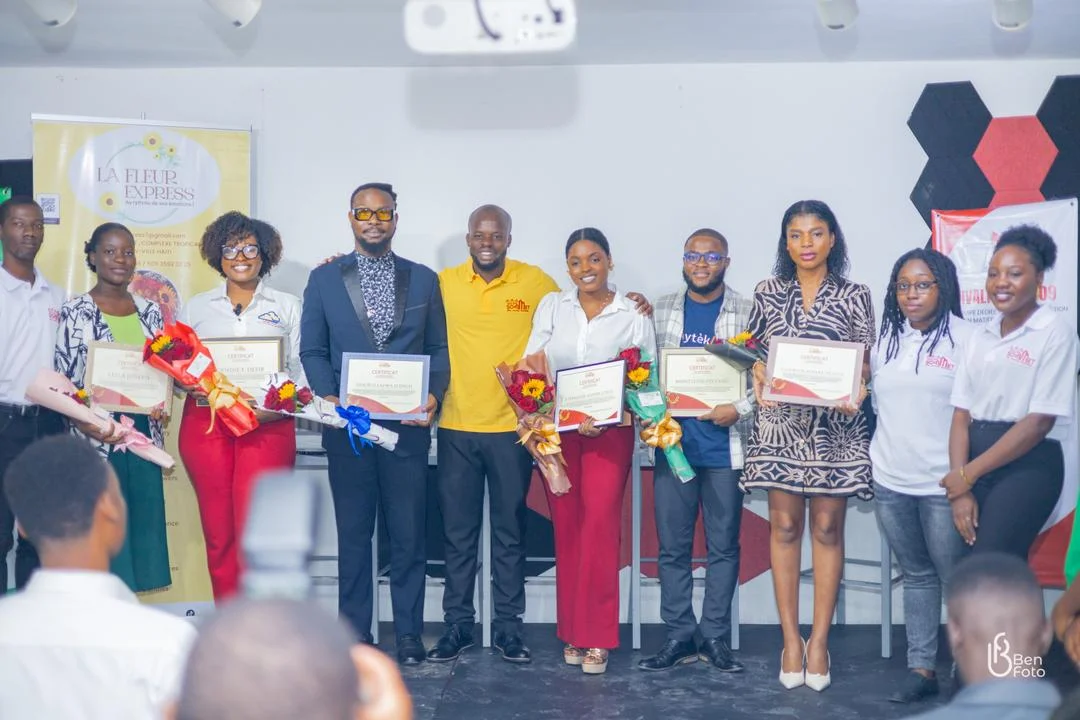
After two years of absence, Dev Expo made its big comeback in 2024, bringing a breath of enthusiasm and optimism to the Haitian tech community. This long-awaited event was officially announced on August 20, 2024 by Marc Alain Boucicault, CEO of Banj, triggering excitement in the tech community. Since the last edition, held in 2021, the following years had been marked by the cancellation of this flagship event due to the instability that reigned in the country. However, despite the many challenges still present, the organizers chose to take up the challenge of organizing this edition, demonstrating the resilience and commitment of the Haitian tech community.
Le Paradis Haitien, a passionate community operating in the fields of tourism, history and heritage, has given itself the noble mission of discovering, knowing and promoting Haiti. This initiative goes well beyond simple tourism, as it aims to strengthen the connection between Haitians, whether they reside in Haïti or abroad, and their country, by offering unique and meaningful experiences. b~The Haitian Paradise Mission~b The mission of Paradis Haitien is clear and inspiring. It’s about reconnecting and connecting every Haitian, wherever they are, with their country in a way that transcends the usual clichés. They aspire to create a sense of belonging by offering unparalleled experiences that showcase the cultural richness and diversity of Haiti. By building and strengthening the “Haitian Narrative,” Haitian Paradise seeks to ensure that each individual reappropriates, defends and acts responsibly for the well-being and development of the country.
The joyful ringing of bells echoes through the streets of Haïti as the holiday season approaches. Christmas is a magical time when the streets light up, families gather and a warm atmosphere invades the island. Between traditions, cultural discoveries and gourmet feasts, Christmas in Haïti promises a unique experience. b~The Magic of Lights and Decorations~b From the beginning of December, Haïti is adorned with sparkling lights and festive decorations. The markets come alive with shimmering garlands, twinkling stars and ornate fir trees. The streets of Port-au-Prince in Jacmel shine with a special magic, inviting locals and visitors to immerse themselves in the festive spirit. b~Haitian Traditions at Christmas~b Christmas in Haïti is celebrated with a unique combination of religious traditions and local customs. Midnight Mass is a deeply rooted tradition, drawing worshipers to churches to celebrate the birth of Jesus in a vibrant atmosphere of song and prayer. A popular tradition is the "Dawn Mass" which takes place at dawn on December 25. The faithful gather to welcome Christmas Day with special fervor, testifying to the deep spirituality that permeates the festivities. The festivities are not limited to churches. Street parades, folk dances and concerts are commonplace, creating a joyful atmosphere throughout the country. Traditional Haitian music, such as direct compass and voodoo, adds a special dimension to these celebrations. b~Cultural Discoveries: Haitian Crafts~b Christmas is also an ideal opportunity to discover unique Haitian crafts. Christmas markets offer a variety of handicrafts, such as wooden sculptures, vivid paintings, wrought iron items and traditional jewelry. These works of art reflect the artistic talent of the Haitian people and provide unique and meaningful gifts. Local markets, such as the Ferrier market in Cap-Haitien and the Jacmel market, are essential places to discover the authenticity of Haitian crafts. These purchases also help support local artists and the community economy. b~Gourmet Feasts: Christmas Cuisine~b Christmas in Haïti is also a gastronomic celebration. Families gather around festive tables laden with traditional culinary delights. “Joumou soup”, a pumpkin soup, is an essential specialty of the holiday season. Pork, lamb and chicken dishes are also common, accompanied by rice and local vegetables. Traditional desserts, such as “Pen patat” and “Tablèt Pistach,” add a sweet touch to the celebration. Tropical fruits, such as mangoes and bananas, are also often present on Christmas tables, recalling the richness of Haitian biodiversity. Christmas in Haïti is a vibrant celebration that blends the magic of lights, religious traditions, local crafts and delicious cuisine. It is a time when joy and generosity are in the spotlight, and when Haitians open their hearts to share the magic of the season with the world.
Since its tumultuous birth as the first independent Black republic in 1804, Haïti has been a beacon of resistance, independence, and pride for people around the world. At the heart of its national identity is an anthem of profound power and meaning: La Dessalinienne.
The map of Haïti is an essential tool for understanding the geography of the country, its political organization, and its different regions. Whether for travelers, researchers, or those interested in the history of Haiti, this map provides crucial information on the location of cities, mountains, coastlines, and borders. This article explores the map of Haiti, its key elements, and what it represents for the Haitian people.
"Tablet Kokoye" is a popular traditional confectionery, often sold by street vendors. This treat combines the richness of grated coconut with the sweetness of sugar and the aroma of local spices.
Every November 1st and 2nd, Haïti comes alive with the colors black and purple to celebrate the Guédés, spirits venerated in the voodoo religion, symbols of a powerful bond between the living and the dead. Fascinating, indomitable and provocative, the Guédés form a true family in the pantheon of Haitian voodoo, where they are respected for their role as spiritual guides of the deceased to the afterlife. Led by iconic figures such as the legendary Baron Samedi and his companion Grann Brigitte, the Guédés embody the paradoxes of life and death. Each Baron has a unique personality: Baron Cimetière, Baron Kriminel, and Baron La Croix are the guardians of the souls that wander on the borders of the world of the dead. Together, they form a powerful and somewhat frightening presence, but one that is deeply rooted in Haitian culture. The Guédés are not like other voodoo spirits; they demonstrate their fearlessness in a spectacular way. Accustomed to death, they are fearless and are provocative: they eat glass, raw peppers, and coat their sensitive parts with rum and pepper. These gestures mark their indifference to danger and remind us that they have already known earthly life. They are thus psychopomps – these beings who lead the souls of the dead – and act as bridges between the world of the living and that of the dead. Some Guédés, like Guédé Nibo, wear black, purple, and white clothing, each with unique characteristics. They are many and varied: Guédé Fouillé, Guédé Loraj, Papa Guédé, and many others. These are the spirits who, each year, remind Haitians of the importance of remembering and honoring the deceased. The cult of the Guédés is not only religious; it is also cultural and historical. According to tradition, their spiritual territory, or “Fètomè” – nicknamed the “Country without Hats” – is a place where the souls of ancestors reside. According to stories, the origins of this cult go back to the Abomey plateau, the ancient capital of the kingdom of Dahomey, in Africa, where death and life coexist in a form of symbiosis. This celebration in Haïti even finds echoes in ancient history. The Romans also honored their dead with the “Fête des Lémuria”, which took place in February, to ward off spirits and restore peace between the world of the living and that of the deceased. For Haitians, honoring the Guédés is about accepting death as a part of life and celebrating the invisible bonds that unite us with those who have left us. It is also a way of resisting, because life, despite its challenges, must be celebrated in all its complexity and depth.
Haiti, a land rich in history and culture, has had several names over the centuries, each reflecting a significant period in its evolution. These names reveal the changing identity of the island, from pre-Columbian times to today. Let’s discover together the different names that this emblematic territory has had and their meaning.
Since its tumultuous birth as the first independent Black republic in 1804, Haïti has been a beacon of resistance, independence, and pride for people around the world. At the heart of its national identity is an anthem of profound power and meaning: La Dessalinienne.
In a town struck by insecurity and economic problems, where survival becomes a daily struggle, some refuse to give in to chaos. In Carrefour, a city plunged into the spiral of violence that eats away at all signs of life, Pierry Denejour embodies this spirit of resistance. Aged around thirty, the native of Port-au-Prince is not only a merchant. The only son of Evena Denejour – a "Marijàn" whose name he proudly bears –, the entrepreneur has transformed his love for art into a passion that lights up his life. A collector of paintings on canvas, he is also the founder of DEP-ARTS Production Multi-Services, a company he launched on December 2, 2018, which is now celebrating six years of active presence in the Carrefour community. Specializing in the sale of electronic equipment, MonCash and NatCash services among others, DEP-ARTS has built a solid reputation in six years. But beyond its commercial activities, it is through its ability to establish relationships of trust and support community initiatives that Pierry has established itself as a key player in its community. Under his leadership, DEP-ARTS is much more than a company: it is a symbol of hope in a town in search of renewal.
Haiti, a jewel nestled in the heart of the Caribbean, stands out for its cultural, natural and historical wealth. This vibrant nation is divided into 10 departments, each offering unique treasures to discover. Originally formed from the three provinces of the colony of Santo Domingo (North, South and West), these departments have evolved over the years, subdividing into a mosaic of dynamic and distinct regions. Today, Haïti is organized into 42 districts, 146 communes and 575 communal sections. These subdivisions reflect a geographic and cultural diversity that is worth exploring. Ready for a captivating journey through the 10 departments of Haiti? We take you on an exciting exploration of their districts, towns and cities that make them up. Hang in there, the adventure starts here!
The history of Haïti is closely linked to the different names that this land has had over the centuries. These names reflect the eras and influences that have marked the island, from the time of the indigenous peoples to independence. Let’s explore the old names of Haïti and their historical significance.

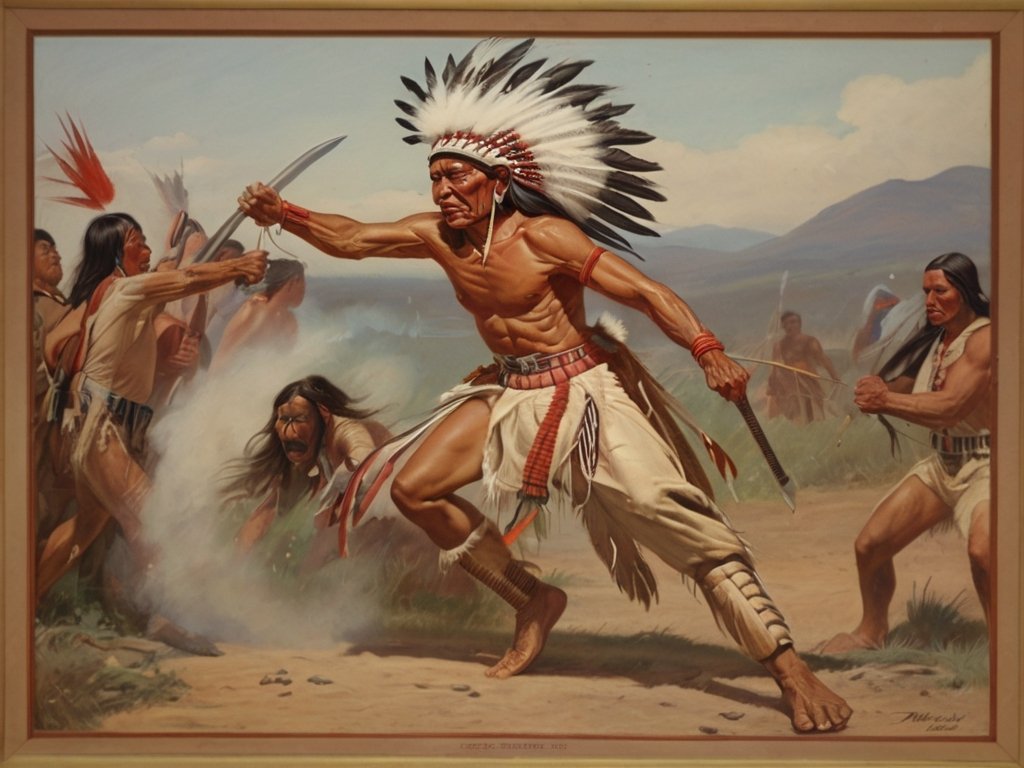
First black nation to free itself from slavery and gain independence from France in 1804 and influenced other liberation movements around the world, inspiring struggles for freedom and equality.

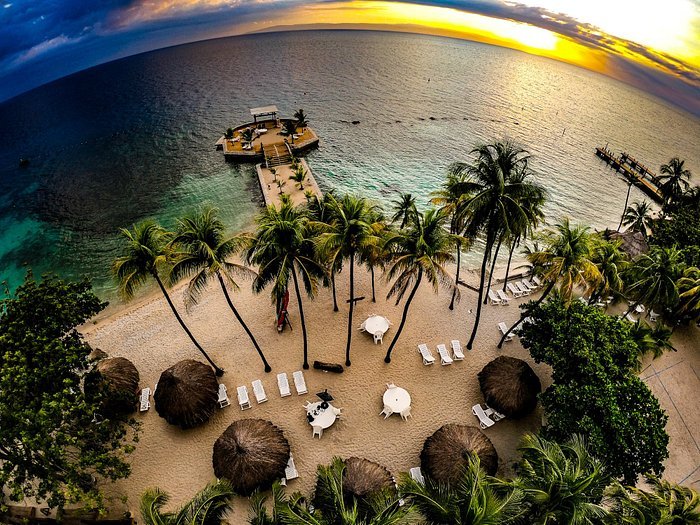
Haïti is blessed with spectacular natural landscapes, including white sand beaches, mountains and rich biodiversity.

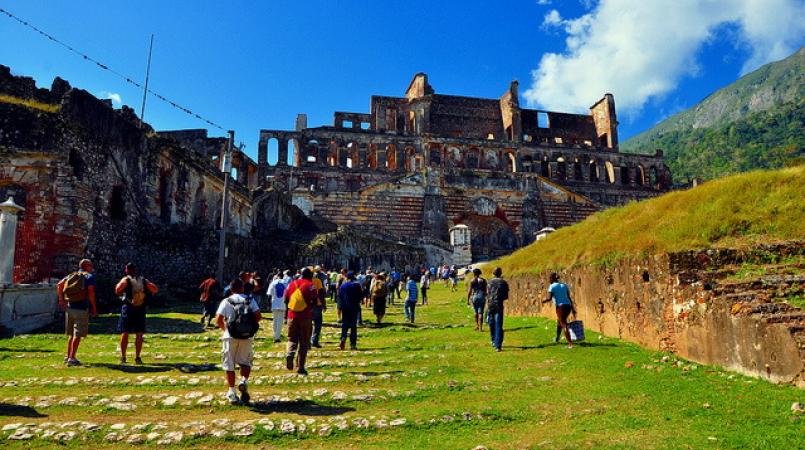
Haïti has a rich historical heritage, including sites like the Citadelle Laferrière and the Sans-Souci Palace, listed as UNESCO World Heritage Sites.

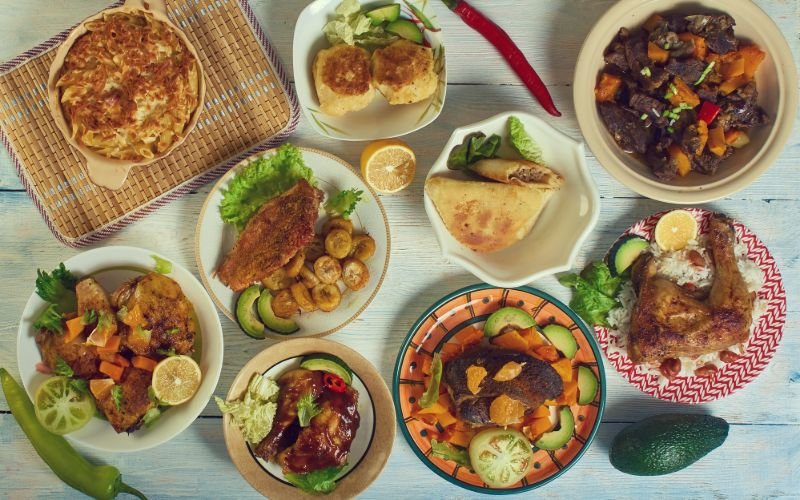
Haïti has a rich and diverse culture, influenced by African, European and indigenous elements. Haitian music, dance, art and cuisine are celebrated around the world.