



Tony Mix: Haiti’s Star DJ Rocking the Music Scene
Haiti's star DJ, Tony Mix, is rocking the music scene with his explosive mixes and hits. Discover his career and international success.
Salt production in Haïti is an ancestral know-how that plays an essential role in the economy of coastal areas. The regions most recognized for salt production are the Salines de Petite-Rivière de l’Artibonite, the coasts of Île de la Gonâve, the Salines de Port-au-Prince, as well as parts of the North and Southeast. This process, which depends on the country’s natural geography and maritime resources, continues to support local communities while providing an indispensable product to the Haitian economy.
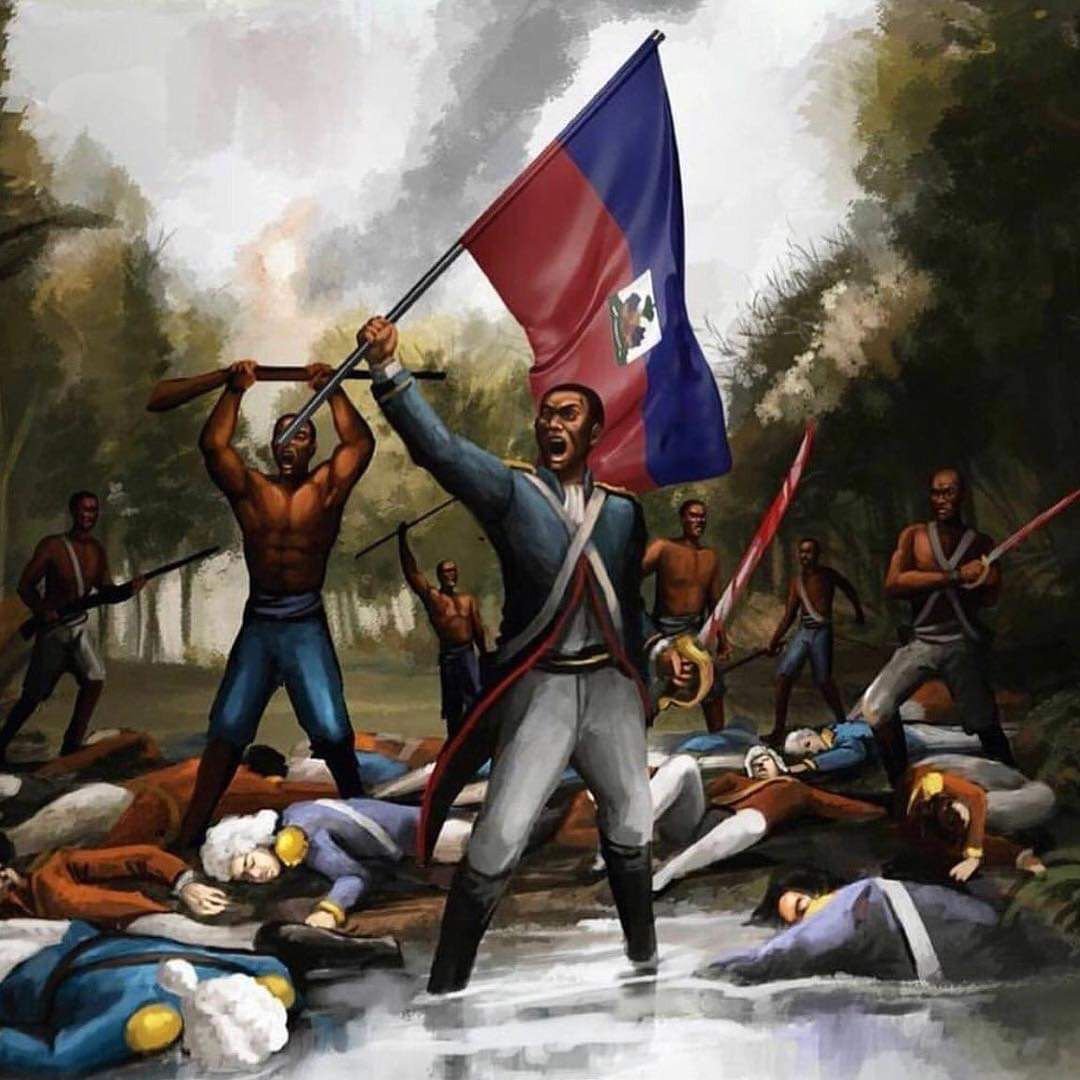
Haiti, the pearl of the Antilles, is a Caribbean island with a rich and complex history. However, its special status as the world’s first free black nation gives it a unique place in the annals of history. This small island was the scene of an extraordinary revolution which resulted in independence, thus marking the beginning of a new era for the black community and the abolition of slavery. Let’s delve into the captivating story of the birth of the first black republic, Haiti. b~The colonial era and slavery~b Haiti’s history dates back to the arrival of Europeans in the 15th century, when Christopher Columbus discovered the island. European settlers, mainly Spanish and French, introduced slavery to exploit the island’s resources, including sugar, coffee and cotton. The indigenous Native American population was decimated, paving the way for the massive importation of African slaves. b~The Haitian Revolution~b On August 14, 1791, Haitian slaves rose up against their oppressors, sparking the Haitian Revolution. Under the leadership of iconic figures such as Toussaint Louverture, Jean-Jacques Dessalines and Henri Christophe, the insurgent slaves inflicted defeats on European armies, demonstrating fierce resistance and a desperate quest for freedom. b~The Declaration of Independence and the creation of the Republic of Haiti~b On January 1, 1804, Haïti proclaimed its independence, becoming the world’s first free black nation. This historic declaration symbolized the end of slavery and the triumph of the will of a people determined to live free. The Republic of Haïti was born in struggle and blood, asserting its autonomy in the face of the colonial powers. b~Post-independence challenges~b However, independence did not mean the end of challenges for Haiti. The country had to face external pressure, reparations imposed by France in exchange for recognition of its independence, as well as internal unrest. Despite these obstacles, Haïti strove to build a free and sovereign nation. The story of Haïti is that of a nation that overcame countless challenges to emerge as a pioneer of freedom for the black population. The Haitian Revolution remains a unique example of resistance, courage and determination, and Haïti continues to carry the torch of independence in the contemporary world. The legacy of this small Caribbean island still resonates today, reminding the world that freedom is a universal right that can be won even in the most difficult circumstances.
Nestled on the southern coast of Haiti, Jacmel is a city that never ceases to seduce with its natural beauty, colonial architecture and incredible artistic wealth. Nicknamed the cultural capital of Haiti, Jacmel is a place where creativity flourishes and where every street corner seems to tell a unique story. Discover what this artistic city has to offer and why it deserves a special place in your next trip to Haiti.
Haiti, the "Pearl of the Antilles," is much more than just a beach destination. This country is full of unique historical, natural and cultural sites that bear witness to its rich past and exceptional biodiversity. Here is a selection of 7 must-see places that will immerse you in the history, culture and beauty of Haiti.
Edikanèt is an association dedicated to education in the Haitian Creole language on the Internet. Founded in 2019 at Lycée Toussaint Louverture, the organization works to promote, recognize, and use Haitian Creole in all educational, social, and institutional spaces in the country. It was created by three young activists committed to this cause: Luc Cadet FIGARO, Alan Joe JEAN, and Marcus JUSMA. From the beginning, Edikanèt set itself key goals: promoting education in Creole across all regions of Haiti; creating educational materials in Creole; fighting against linguistic discrimination toward Creole speakers; and elevating Creole as a language of instruction, culture, and prestige. This initiative was born out of awareness of the persistent marginalization of Haitian Creole in Haitian society. Their most recent major initiative was a quiz competition held in July 2025, focused on general knowledge—such as Haitian history, geography, culture, mathematics, Creole grammar, and other subjects related to learning in Creole. The winner, Roobens D. Victor, came out first among 113 participants.
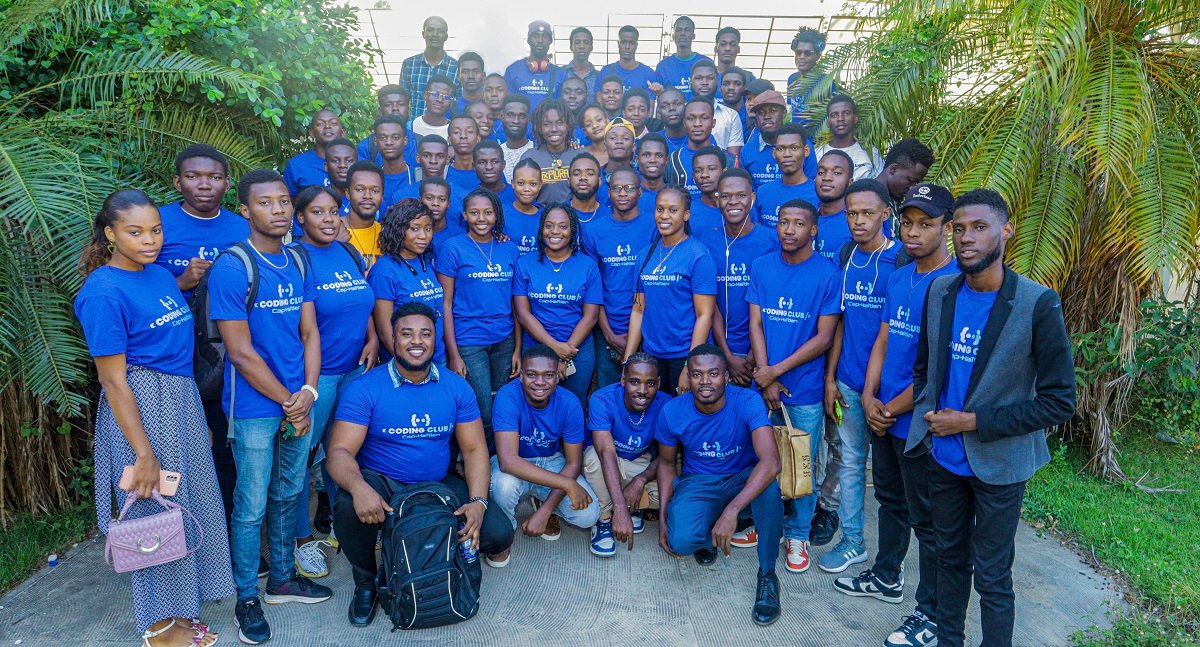
In a world where the digital revolution is in full swing, mastery of technological tools has become crucial. The Coding Club Haïti positions itself as an essential actor in the dissemination of knowledge related to this field to young Haitians. With this in mind, Coding Club Haïti officially launched Coding Club Cap-Haitien on Friday, March 1, 2024, a welcome expansion of the successful initiative at Carrefour. By providing an environment conducive to learning and creativity, the club opens new pathways to a future where innovation is accessible to all. The Henry Christophe Campus of Limonade CHCL was the vibrant scene of this inaugural event, bringing together more than sixty curious minds eager to master the art of computer programming. Under the direction of Appolon Guy Alain, the passionate initiator of Coding Club Haiti, Mauricette John Stevens, coordinator of Coding Club Cap-Haitien, and Philistin Rochernie, membership manager, this new branch of the club is committed to offering its expertise in Capois and Capoises who are passionate about computer programming.
Do you want to discover beautiful images by typing ‘Haiti’ on the Internet? Together, let’s make it a reality! Today, searching for Haïti online often gives degrading results that are far from reflecting the true essence of our country. However, Haïti is full of breathtaking landscapes, heavenly beaches, a vibrant culture and an inspiring history that deserve to be highlighted. We are committed to changing this, we produce and share positive content that shows the beauty and wealth of our nation. Thanks to our efforts, many keywords related to Haïti are starting to display honorable results. But to go further, we need your support.
There’s no accounting for taste! For some, the go-to dish remains a good rice accompanied by pea sauce and vegetables, while for others, corn is king, in all its forms. In this article from Haïti Wonderland, we’ll explore five ways to enjoy ground corn. To start the week off right, many gourmands enjoy a dish of white corn, often garnished with vegetables such as spinach or tomatoes. This colorful and tasty mix allows you to start Monday morning on a delicious note. Others find happiness in a dish of corn accompanied by pea sauce and vegetables, ideal after a long day of school or work. It’s a real comfort that brings satisfaction and energy. And what about corn served with red beans and a good stew? It’s the perfect dish for a Saturday, a real pick-me-up after a difficult week. And here, we move on to the most copious for some: corn with djondjon and fish sauce! This accompaniment adds an umami touch for fans of good food! And to top it all off, although rare or reserved for big celebrations, corn à la bonne femme never fails to make us salivate! It is simply a complete dish! Whether as a main course or otherwise, corn invites itself onto our plates with happiness and creativity.
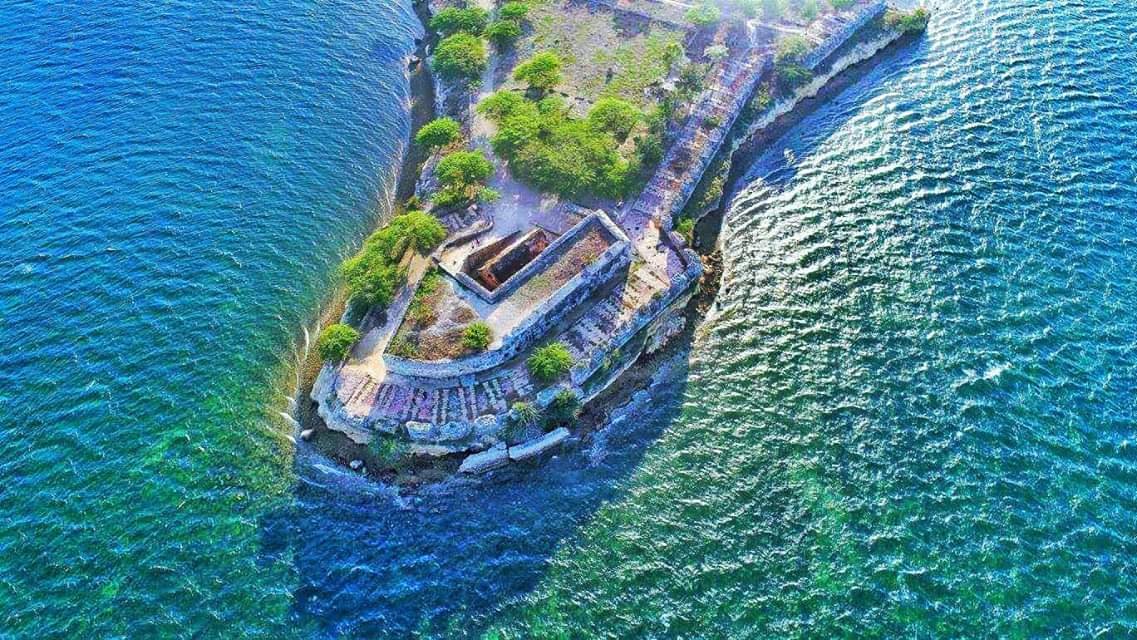
Nestled on the northeast coast of Haiti, between the green mountains and the azure waters of the Atlantic Ocean, lies a small town with undeniable charm: Fort Liberté. This historical and cultural gem is full of fascinating stories, picturesque landscapes and cultural richness that captivate visitors from around the world. A Historical Heritage Fort Liberté owes its name to the old fortress which overlooks the city, a vestige of the French colonial era. Built in the 18th century to protect the region from foreign invasions, this fort offers stunning panoramic views of the surrounding area, testifying to its strategic importance at the time. Today, it serves as a major tourist attraction, offering visitors a captivating insight into Haiti’s turbulent history. Culture and Traditions The cultural richness of Fort Liberté is reflected in its vibrant traditions, captivating music and local crafts. The city’s residents are renowned for their warm hospitality and pride in their heritage. Visitors can immerse themselves in the local culture by experiencing authentic Creole cuisine, watching traditional dance performances, or exploring bustling markets where a variety of handmade crafts can be found, such as wood carvings and vivid paintings. Natural beauty The surroundings of Fort Liberté are full of breathtaking natural treasures. The white sand beaches lined with palm trees offer an idyllic setting to relax and soak up the tropical sun. Outdoor enthusiasts will also find what they are looking for in the surrounding mountains, where they can hike through lush nature and discover hidden waterfalls and breathtaking panoramas. Fort Liberté, with its captivating blend of history, culture and nature, is a must-visit destination for those wishing to experience the true essence of Haiti. Whether you explore the historical remains, immerse yourself in the daily lives of the locals or marvel at the natural beauty of the surrounding area, this small town offers an enriching and memorable experience for all those who have the chance to visit it.
ZOUTI is an integrated management software (ERP) designed to simplify and automate all your business operations. Whether you are a small, medium, or large business in Haiti, this solution allows you to centralize sales, inventory, order, and financial management on a single platform. Official website: https://zoutipgi.com/ Online demo: https://demo.zoutipgi.com/
Haïti is a small country located in the Caribbean, but what continent is it actually on? Although Haïti is often associated with tropical islands and paradise vacation destinations, its geographical location makes it a key part of the American continent. Let’s explore Haiti’s geographical location and its relationships with other nations in the Americas.
Haitian pain patate is a staple of traditional Haitian cuisine, often prepared for special occasions, holidays, or simply for the pleasure of enjoying a homemade dessert rich in flavor. This soft cake made with sweet potato, coconut milk, banana, and a savory blend of spices delights with its melt-in-the-mouth texture and irresistible aroma. Easy to make and full of character, pain patate is a true Proust madeleine for many Haitians. Whether you’re looking for comfort food or eager to discover a classic Caribbean pastry, this recipe will guide you step by step to successfully make this iconic Haitian dessert.
On Friday, July 26, 2024, the eyes of the world turned to Paris for the highly anticipated opening of the Olympic Games. As flags flew and excitement mounted, Haïti captured the attention and imagination of millions of spectators. In a spectacular parade, Haïti proved that it could compete with the world’s greatest powers, not only on the playing field, but also on the fashion and cultural catwalk.

First black nation to free itself from slavery and gain independence from France in 1804 and influenced other liberation movements around the world, inspiring struggles for freedom and equality.

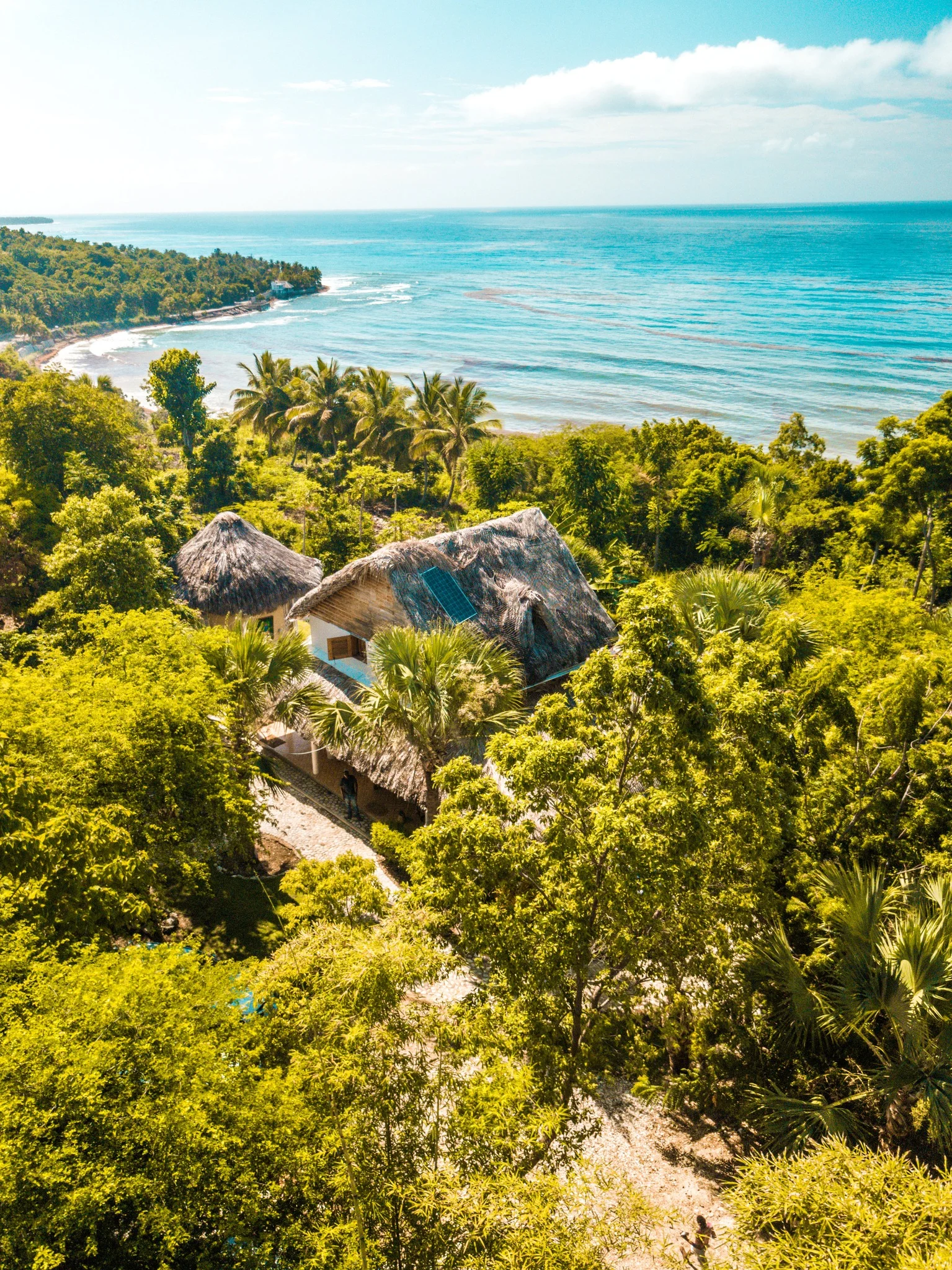
Haïti is blessed with spectacular natural landscapes, including white sand beaches, mountains and rich biodiversity.

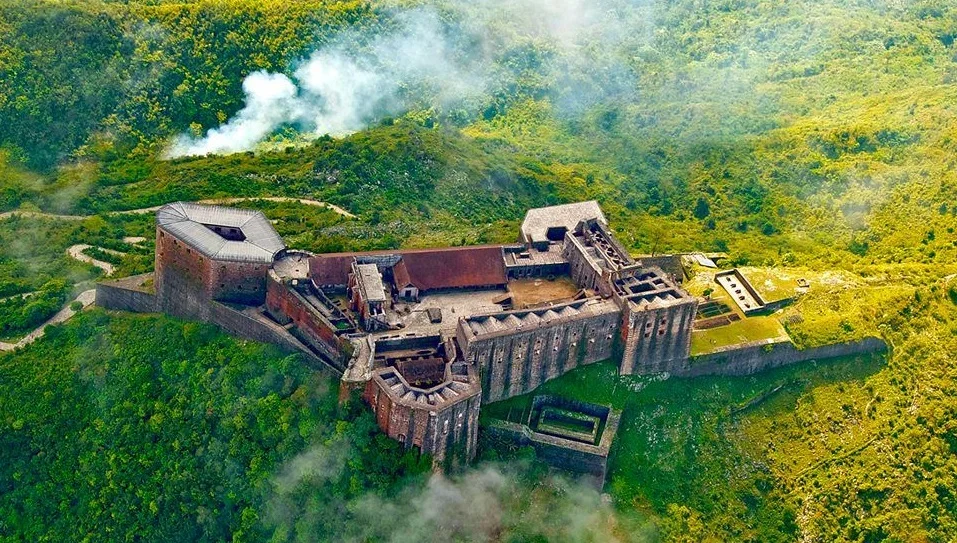
Haïti has a rich historical heritage, including sites like the Citadelle Laferrière and the Sans-Souci Palace, listed as UNESCO World Heritage Sites.

Haïti has a rich and diverse culture, influenced by African, European and indigenous elements. Haitian music, dance, art and cuisine are celebrated around the world.