Holidays and Celebrations in Haiti
A complete calendar of national and religious holidays in Haiti. From Independence Day to Christmas, explore the vibrant culture of the Pearl of the Antilles.

Haiti, this vibrant and characterful country, is located in a fascinating region of the world. Although many know it as an island state in the Caribbean, one question often comes up: in which continent is Haïti located? This article provides you with the answer while exploring the unique geographical and cultural identity of this jewel of the Antilles.
With its crystal clear waters, fine sand beaches and tropical climate, Haïti is a dream destination for seaside lovers. The country is full of heavenly beaches that attract foreign tourists and locals alike. Here is a selection of the most visited beaches in Haiti, each offering a unique experience.
In Haiti, manje midi (lunchtime) is much more than just lunch. It’s a key moment of the day, a sacred break where we enjoy hearty, tasty, and nutritious dishes. Whether at home, at the office, or in the small, popular restaurants "kantin" or "manje anba dra," lunch is a true feast. Lunchtime in Haïti often consists of several essential elements:
In Haiti, rice is a staple of the cuisine. It’s enjoyed in all its forms, from sticky rice to diri ak djon djon. But in the evening, there’s nothing like rice porridge for a light and soothing dinner. Prepared with well-cooked rice, milk, sugar, and spices like cinnamon and nutmeg, this creamy porridge is a true delight. Some people add butter or lemon zest for added flavor.
Time management in Haïti follows a practice shared by several countries: daylight saving time. Adopted for several decades, daylight saving time consists of moving the clocks forward by one hour for part of the year in order to maximize the use of daylight. This article explores how and why this measure is applied in Haiti, as well as its impact on the daily lives of Haitians.
Livre en Folie, this annual event long awaited by literature enthusiasts in Haiti, will be held on Thursday, August 15, 2024 at the Caribe Convention Center hotel in Juvénat. Indeed, Le Nouvelliste, in collaboration with its usual partners, invites the Port-au-Prince public to come and celebrate, for the thirtieth time, the great intellectual wealth of Haitian writers and other thinkers, in this great annual book fair. This year, the entrance fee is set at 1,000 gourdes, which will be returned to you in the form of coupons, in order to be able to buy books once inside. Thirty years after the first edition, livre en folie has become a pillar of Haitian literary life and a highlight of the Haitian year. This year, it will take place in a particularly difficult context for the country, both economically and in terms of security, but will still have the merit of bringing together thousands of Haitians around the subject of the book.
In the heart of the azure waters of the Caribbean Sea, stands majestically the Colombier, an imposing rock mass that defies time and the elements. Located off the picturesque coast of Belle-Anse in southeastern Haiti, the Colombier is more than just a geological formation; it is a symbol of the natural beauty and cultural heritage of the region. Dominating the marine horizon with its imposing silhouette, the Colombier is shrouded in mystery and legends passed down from generation to generation. According to local stories, this rock was formed by the sea gods themselves, testifying to their passage through these crystal clear waters. A legend which adds an aura of fascination to this already enchanting place. But beyond its mythical appearance, the Colombier also offers a breathtaking visual experience. Visitors who venture to this natural wonder are rewarded with breathtaking panoramas: steep cliffs plunging into turquoise waters, isolated coves hemmed with golden sand, and abundant marine flora that enlivens the seabed. Le Colombier is also a refuge for remarkable biodiversity. Its waters are home to a multitude of marine species, from colorful fish to spectacular corals and majestic sea turtles. Scuba diving and snorkeling enthusiasts will find a preserved paradise there, where nature reigns supreme and each immersion is a fascinating exploration. As a tourist spot, Le Colombier offers an unforgettable getaway for travelers looking for adventure and authentic discoveries. Boat excursions from Belle-Anse allow visitors to get up close and personal with this natural wonder, contemplate its spectacular shapes and let themselves be captivated by its captivating beauty. In short, the Colombier embodies the quintessence of Haiti’s natural beauty, a hidden treasure in the heart of the Caribbean Sea. Between its breathtaking landscapes, its cultural heritage rich in legends and its exceptional biodiversity, this maritime jewel fully deserves its reputation as an essential tourist destination. Come discover the Colombier and let yourself be carried away by the magic of this exceptional place.
Haiti, an island of culture and history, is much more than a beach destination. It vibrates to the rhythm of its traditions, its music, its dances, and especially its traditional festivals. If you’re looking for an authentic experience, these events are the perfect opportunity to immerse yourself in the soul of a proud, warm, and creative people. Here is a selection of the must-see traditional Haitian festivals that every traveler should experience at least once.
Every November 1st and 2nd, Haïti comes alive with the colors black and purple to celebrate the Guédés, spirits venerated in the voodoo religion, symbols of a powerful bond between the living and the dead. Fascinating, indomitable and provocative, the Guédés form a true family in the pantheon of Haitian voodoo, where they are respected for their role as spiritual guides of the deceased to the afterlife. Led by iconic figures such as the legendary Baron Samedi and his companion Grann Brigitte, the Guédés embody the paradoxes of life and death. Each Baron has a unique personality: Baron Cimetière, Baron Kriminel, and Baron La Croix are the guardians of the souls that wander on the borders of the world of the dead. Together, they form a powerful and somewhat frightening presence, but one that is deeply rooted in Haitian culture. The Guédés are not like other voodoo spirits; they demonstrate their fearlessness in a spectacular way. Accustomed to death, they are fearless and are provocative: they eat glass, raw peppers, and coat their sensitive parts with rum and pepper. These gestures mark their indifference to danger and remind us that they have already known earthly life. They are thus psychopomps – these beings who lead the souls of the dead – and act as bridges between the world of the living and that of the dead. Some Guédés, like Guédé Nibo, wear black, purple, and white clothing, each with unique characteristics. They are many and varied: Guédé Fouillé, Guédé Loraj, Papa Guédé, and many others. These are the spirits who, each year, remind Haitians of the importance of remembering and honoring the deceased. The cult of the Guédés is not only religious; it is also cultural and historical. According to tradition, their spiritual territory, or “Fètomè” – nicknamed the “Country without Hats” – is a place where the souls of ancestors reside. According to stories, the origins of this cult go back to the Abomey plateau, the ancient capital of the kingdom of Dahomey, in Africa, where death and life coexist in a form of symbiosis. This celebration in Haïti even finds echoes in ancient history. The Romans also honored their dead with the “Fête des Lémuria”, which took place in February, to ward off spirits and restore peace between the world of the living and that of the deceased. For Haitians, honoring the Guédés is about accepting death as a part of life and celebrating the invisible bonds that unite us with those who have left us. It is also a way of resisting, because life, despite its challenges, must be celebrated in all its complexity and depth.
Haiti, the pearl of the Caribbean, is much more than its white sand beaches and turquoise waters. It is a country rich in culture, traditions and history. Among the many facets of Haitian culture, its festivals, its gastronomy and its art stand out for their diversity and authenticity.
In the late 18th century, Saint-Domingue (now Haiti) was a prosperous French colony, producing much of the world’s sugar and coffee through the forced labor of African slaves. This wealth was based on a brutal plantation system, where slaves endured inhumane living conditions. Social tensions were high, exacerbated by racial inequality and the violent repression of slaves by the colonists. In the face of this oppression, slaves never stopped resisting. Maroons, escaped slaves, led attacks on plantations and maintained pockets of resistance in the mountains. The French Revolution of 1789, with its ideals of liberty, equality and fraternity, also resonated among the slaves of Saint-Domingue, awakening aspirations for emancipation.
Haiti, a Caribbean country with a complex history and varied landscapes, is often perceived through clichés that do not reflect the richness and diversity of its culture and people. Too often, we forget to see Haïti in all its grandeur, as a nation with a unique heritage, impressive resilience and untapped potential. In this article, we will break the stereotypes and present you with another side of Haiti, full of beauty, history and hope.
Few people know that Haiti, often celebrated for its beaches and rich history, is also home to the largest cave system in the Caribbean. These underground formations, scattered across the country, are natural and cultural treasures that bear witness to millions of years of geological evolution and human interactions. Let’s dive into this fascinating universe together.
Haiti, a jewel of the Caribbean where history, culture and nature meet to create an unforgettable experience. Whether you are passionate about adventure, relaxation or cultural discovery, Haïti offers a variety of activities that will captivate your heart. Here are 10 essential things to do in this paradise country.

First black nation to free itself from slavery and gain independence from France in 1804 and influenced other liberation movements around the world, inspiring struggles for freedom and equality.

Haïti is blessed with spectacular natural landscapes, including white sand beaches, mountains and rich biodiversity.

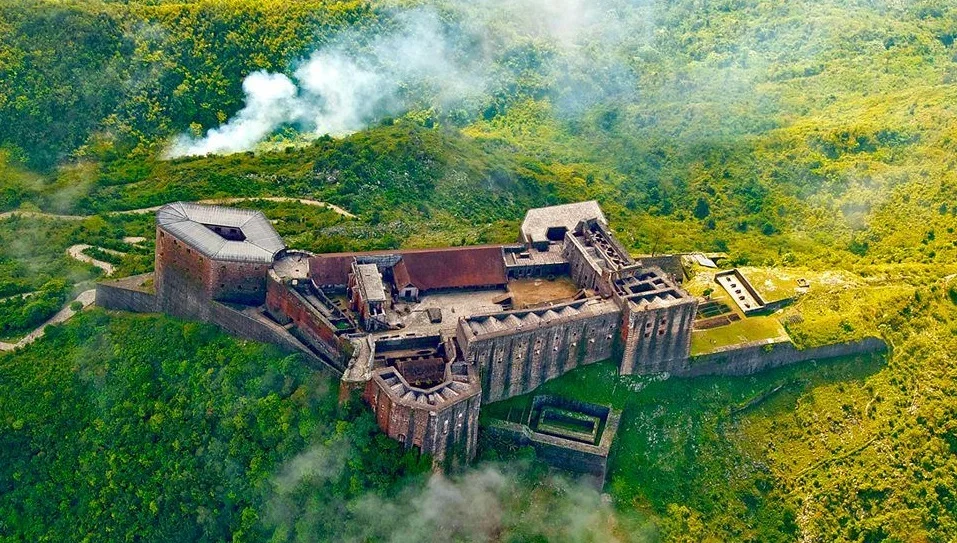
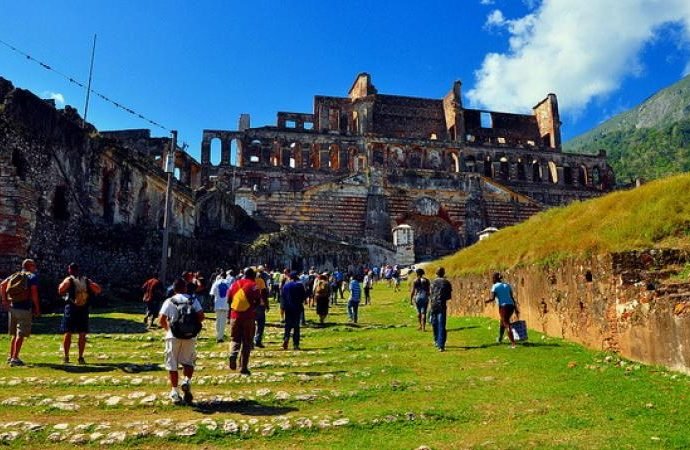
Haïti has a rich historical heritage, including sites like the Citadelle Laferrière and the Sans-Souci Palace, listed as UNESCO World Heritage Sites.

Haïti has a rich and diverse culture, influenced by African, European and indigenous elements. Haitian music, dance, art and cuisine are celebrated around the world.