

What is Haiti’s motto?
Discover Haiti's national motto: Liberty – Equality – Fraternity. Its origin, meaning, and importance in Haitian history and identity.

The Olympic Games are in full swing, and this year, Haïti is making a remarkable entrance. For Haitian athletes, these games are not only an opportunity to demonstrate their sporting talent, but also to fly the flag for their culture and history. And this, thanks to an exceptional collaboration between Stella Jean and Philippe Dodard.
On Saturday, June 7, 2025, from 8:00 a.m. to 1:00 p.m., all teenagers are invited to take part in a major Recreational Day under the theme: "Live Our Day, Live Our Rights". The event, organized by REVIV, one of the ministries within the Rendez-Vous Christ Church, will take place at Kiskeya Chapel in Delmas 75, with departure scheduled from RVC. It is important to note that REVIV is the ministry dedicated to teenagers aged 13 to 19 within RVC.
Haiti launches its 2025-2030 Recovery Plan from the Far North: economy, social services and institutions, heading for a more prosperous future.
Time management in Haïti follows a practice shared by several countries: daylight saving time. Adopted for several decades, daylight saving time consists of moving the clocks forward by one hour for part of the year in order to maximize the use of daylight. This article explores how and why this measure is applied in Haiti, as well as its impact on the daily lives of Haitians.
Haïti is known for its significant history and its crucial role in the fight against slavery and for independence. The country gained independence from France on January 1, 1804, becoming the world’s first independent black republic and the first country in the Americas to abolish slavery. However, this independence came at an enormous cost, the effects of which are still felt today.
After two years of absence, Dev Expo made its big comeback in 2024, bringing a breath of enthusiasm and optimism to the Haitian tech community. This long-awaited event was officially announced on August 20, 2024 by Marc Alain Boucicault, CEO of Banj, triggering excitement in the tech community. Since the last edition, held in 2021, the following years had been marked by the cancellation of this flagship event due to the instability that reigned in the country. However, despite the many challenges still present, the organizers chose to take up the challenge of organizing this edition, demonstrating the resilience and commitment of the Haitian tech community.
HIV/AIDS remains a major threat to public health, especially among young people in Haiti. Faced with this reality, LEAD-ACADEMY, an organization founded in December 2020 by Dwinny Belval, has committed itself through the project “KANPAY SANSIBILIZASYON POU GOUMEN KONT VIH/SIDA” (“Awareness Campaign to Combat HIV/AIDS”). This initiative, launched as part of World HIV/AIDS Day, aims to mobilize Carrefour schoolchildren and promote responsible behavior in the face of this epidemic.
At the 47th Ordinary Meeting of the CARICOM Conference of Heads of State and Government, Haïti took an important step by joining the CARICOM Reparations Commission. Dominique Dupuy, Haiti’s Minister of Foreign Affairs, announced this development following her meeting with Rector Fritz Deshommes. On the international stage, Ms. Dupuy stated: “Following my meeting with Rector Fritz Deshommes, regarding the creation of a Working Group at the UEH on Reparations and Restitutions Related to Slavery and Haitian Independence, we have brought the matter to the 47th Ordinary Meeting of the CARICOM Conference of Heads of State and Government, in which I am taking part alongside President Edgard Leblanc Fils.” This Working Group will sit as the Haitian National Committee within the CARICOM Reparations Commission. “Haïti now joins the CARICOM Reparations Commission where this Working Group will sit as the Haitian National Committee,” added Dominique Dupuy. This initiative represents a crucial step for Haiti, marking its active engagement in regional discussions on historical reparations and restitution.
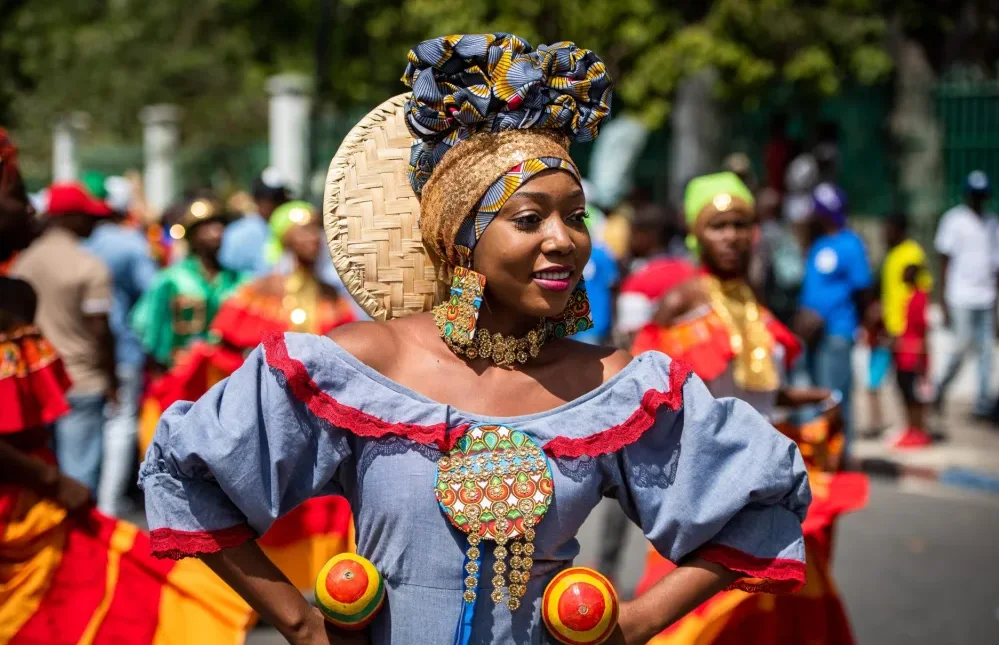
The Haitian carnival, an emblematic and essential celebration of the country’s festive calendar, is much more than a simple party. It embodies the very essence of Haitian culture, joyfully blending ancestral traditions, intoxicating music and a deep sense of community. Each year, this vibrant celebration transforms the streets into a vibrant and colorful spectacle, attracting thousands of participants and spectators eager to take part in this one-of-a-kind celebration. Haitian carnival has deep roots in the country’s history, dating back to colonial times. It has evolved over the centuries, incorporating elements of African, French and Creole culture to create a distinct and captivating celebration. The carnival period in Haïti traditionally begins in January and culminates with extravagant festivities that take place over several days. One of the most striking features of the Haitian carnival is the profusion of colors. Traditional costumes, called "masks", are elaborate and beautifully designed. They feature vivid patterns and vibrant decorations, creating a vivid picture of Haitian cultural identity. Participants, dressed in these elaborate costumes, parade through the streets to the sound of lively music, creating an electric atmosphere. Music is at the heart of the Haitian carnival. The captivating rhythms of compass, rasin, rara and other local musical genres resonate throughout the city, inviting people to dance to the rhythm of the party. Orchestras parade through the streets, accompanying the dancers and creating a unique symbiosis between the music and the graceful movements of the participants. The Haitian carnival parade is not just about the music and costumes; it also celebrates the richness of street arts. Talented artists create giant sculptures, art installations and theatrical performances that tell deep stories of Haitian history and culture. These artistic expressions contribute to the transmission of values and stories that shape the identity of the Haitian people.
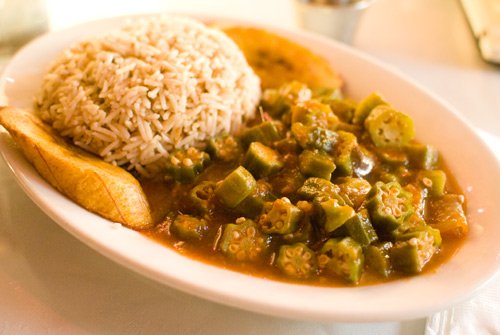
There’s no accounting for taste! For some, the go-to dish remains a good rice accompanied by pea sauce and vegetables, while for others, corn is king, in all its forms. In this article from Haïti Wonderland, we’ll explore five ways to enjoy ground corn. To start the week off right, many gourmands enjoy a dish of white corn, often garnished with vegetables such as spinach or tomatoes. This colorful and tasty mix allows you to start Monday morning on a delicious note. Others find happiness in a dish of corn accompanied by pea sauce and vegetables, ideal after a long day of school or work. It’s a real comfort that brings satisfaction and energy. And what about corn served with red beans and a good stew? It’s the perfect dish for a Saturday, a real pick-me-up after a difficult week. And here, we move on to the most copious for some: corn with djondjon and fish sauce! This accompaniment adds an umami touch for fans of good food! And to top it all off, although rare or reserved for big celebrations, corn à la bonne femme never fails to make us salivate! It is simply a complete dish! Whether as a main course or otherwise, corn invites itself onto our plates with happiness and creativity.
One year after the release of their album “TRAVÈSE”, the group Nanm Vodou continues to trace its musical path with passion and authenticity. With the valuable support of the French Institute in Haiti, Nanm Vodou presented the concert “Yon lane pou Travèse” on Thursday July 18, 2024, to mark the start of the summer festivities. Fans of Haitian music and culture experienced a captivating evening, where the rhythms of drums and sacred chants resonated with spiritual intensity.
In 1804, Haïti emerged from the flames of revolution as the world’s first independent black republic, but its freedom would come at a steep price. France, a former colonial power, orchestrated an unprecedented economic revenge, weaving a web of exploitation and injustice that would hamper Haiti’s development for generations. This toxic relationship, marked by extortion and violence, not only shaped the destiny of one nation but also filled the coffers of another, leaving deep scars that persist to this day. Immerse yourself in this story, a gripping tale of colonial greed and resilience, which reminds us of the importance of never forgetting the injustices of the past and their lasting impact on our world today.
In today’s world, where online presence is crucial for business success, being visible on search engines is essential. Imagine this: a potential client is looking for services like yours in Haiti. He opens Google and types something like b~"Haïti web agency"~b or b~"Haitian developer"~b. The question is: where does your business rank in these search results? In our case, b~Appo-graphic~b is present in the first three results for the search b~"Haïti web agency"~b and b~Appolon Guy Alain~b occupies the first place for the search on b~"developer Haitian"~b, thanks to two of our well-optimized articles. This surely guarantees them more contracts, just as it guarantees us more contracts, because you found us among the first results when carrying out searches on natural referencing in Haïti and SEO. At Haïti Wonderland, we understand the importance of this visibility. That’s why we work to ensure your business is among the top three search results for relevant keywords in your industry, as we know the majority of customers only click on those top three results. Our services currently focus on writing highly optimized advertising articles, designed to propel you to the top of search results. We write about you and your industry, ensuring that each article is carefully targeted to attract the attention of search engines and potential customers. In just a few weeks, these articles can start ranking in the top positions of search results, providing increased visibility and driving traffic to your website or social media pages.

First black nation to free itself from slavery and gain independence from France in 1804 and influenced other liberation movements around the world, inspiring struggles for freedom and equality.

Haïti is blessed with spectacular natural landscapes, including white sand beaches, mountains and rich biodiversity.

Haïti has a rich historical heritage, including sites like the Citadelle Laferrière and the Sans-Souci Palace, listed as UNESCO World Heritage Sites.

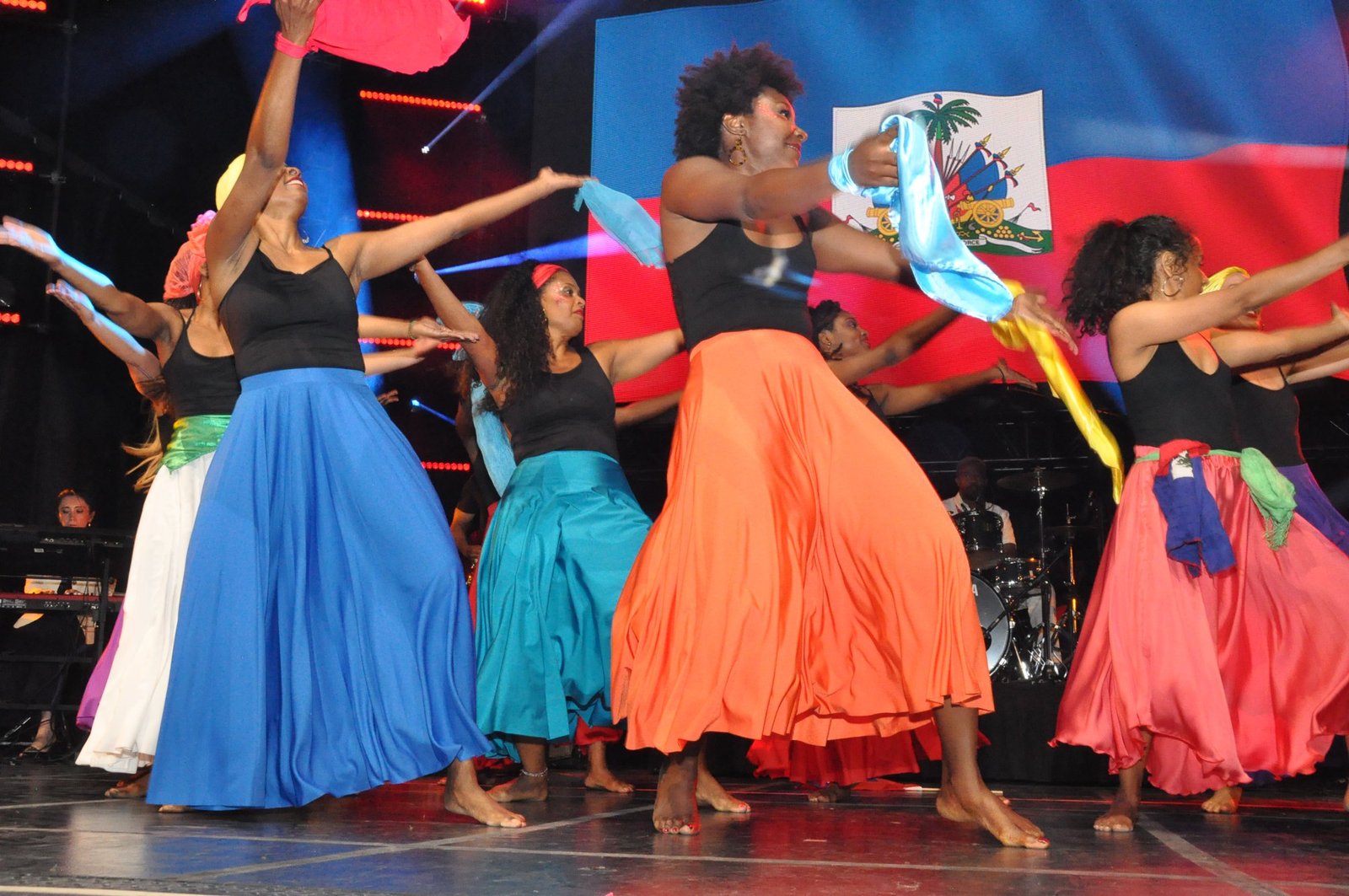
Haïti has a rich and diverse culture, influenced by African, European and indigenous elements. Haitian music, dance, art and cuisine are celebrated around the world.