Holidays and Celebrations in Haiti
A complete calendar of national and religious holidays in Haiti. From Independence Day to Christmas, explore the vibrant culture of the Pearl of the Antilles.

Haiti, a country rich in history, culture and natural beauty, is one of the most fascinating and underrated destinations in the Caribbean. For years, this country was perceived through a negative prism, but today, Haïti deserves to be rediscovered. If you are wondering why travel to Haïti now, this article will convince you that now is the perfect time to discover this unique island, full of surprises and hidden treasures.
Haiti, a Caribbean island, is full of natural and cultural treasures just waiting to be discovered. From majestic mountains to white-sand beaches to fascinating historical remains, Haïti offers a variety of attractions that captivate travelers from around the world. Here is an overview of the main attractions not to be missed during your stay in Haiti:
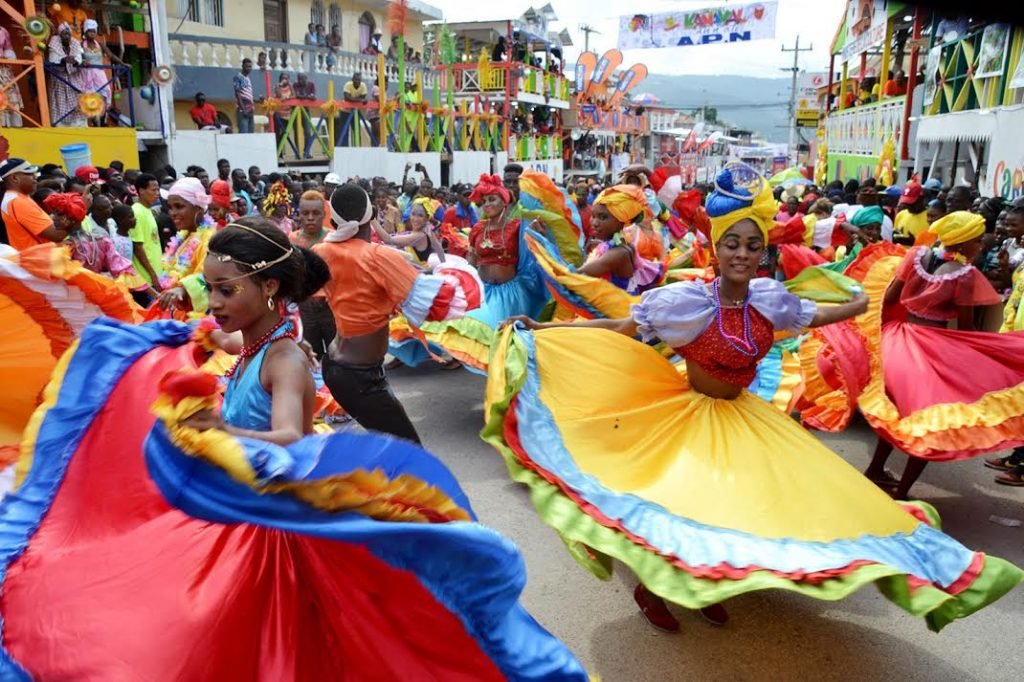
It’s Carnival time! Instead of lamenting the traditions that are disappearing, let’s recreate some memories in your kitchen during this festive season by making beignets! "Benyen kanaval"!
Christmas in Haïti is a holiday full of traditions, spirituality and moments of conviviality. Marked by religious celebrations, family feasts and unique cultural expressions, Haitian Christmas is a magical time that reflects the generous and festive soul of the Haitian people. This article takes you to the heart of Christmas traditions in Haiti.
The Olympic Games are in full swing, and this year, Haïti is making a remarkable entrance. For Haitian athletes, these games are not only an opportunity to demonstrate their sporting talent, but also to fly the flag for their culture and history. And this, thanks to an exceptional collaboration between Stella Jean and Philippe Dodard.
In Cap-Haïtien, a Caribbean pearl where history meets natural beauty, the Satama Hotel stands majestically, providing an unforgettable stay experience for discerning travelers. With its ideal location less than 5 kilometers from Labadie, this jewel of four-star hospitality is a haven of peace and comfort for visitors wishing to discover the cultural and natural wealth of the region. Nestled near the magnificent Notre-Dame-de-l’Assomption Cathedral in Cap-Haïtien, the Satama Hotel offers its guests 54 elegantly appointed rooms, offering breathtaking views of the Caribbean Sea. Whether for a business or leisure stay, each room is an enclave of comfort and sophistication, equipped with a flat-screen TV with satellite channels, a private safe and smoke detectors for complete peace of mind.
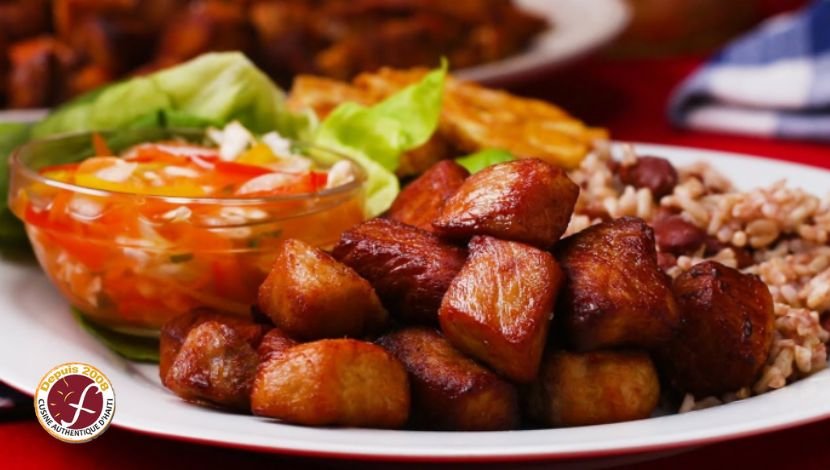
Haiti, the pearl of the Antilles, is a country rich in history and traditions. Its vibrant and diverse culture is reflected through its national holidays, cultural festivities, traditional foods, religious beliefs, folk tales, and traditional games. Let’s immerse ourselves in the social fabric of Haïti to discover the beauty of its traditions. b~National Holidays:~b National holidays in Haïti are moments of pride and national unity as January 1, Independence Day, commemorates the victory of Haitian slaves over French colonial forces in 1804, making Haïti the first independent country in Haiti. Latin America and the Caribbean or the commemoration of the Battle of Vertières on November 18. The Battle of Vertières was one of the last great battles of the revolution. It took place in Vertières, near the town of Cap-Haitien. b~Cultural Festivities:~b Haïti is also famous for its cultural festivities, particularly Carnival, which is an explosion of color, dance, and music. Artistic and craft events, such as the Rara festival, are an opportunity for artists to showcase their talent. The Rara, a musical parade, combines folklore and spirituality, creating a unique experience. b~Traditional Foods:~b Haitian cuisine is a delight for the taste buds. Dishes like griot (fried pork), diri djon djon (rice with black mushrooms), and the legendary joumou (joumou soup) are an integral part of Haitian culinary tradition. Bold flavors, spices and cooking methods inherited from African and French tradition make Haitian cuisine unforgettable. b~Vodou:~b Vodou, often misunderstood, is a synchretic religion that incorporates elements of Catholicism, African animism, and indigenous beliefs. It plays a significant role in the daily lives of Haitians, influencing music, dance, and religious rites. Vodou is a profound expression of Haitian spirituality. The Tales (Krik Krak, Tim Tim, Bwa Sèch): Haitian folk tales, passed down from generation to generation, are rich in morality and wisdom. b~Konbit :~b The concept of Konbit represents community solidarity. Haitians come together to perform community tasks, whether in agricultural fields or for construction projects. It is a living example of the collective spirit that permeates Haitian society. The most recent major project to date concerns the construction of the canal from the Massacre River to Ouanaminthe, which took place between September and December 2023. Thousands of inhabitants of the north of the country mobilized all their forces to erect a canal allowing to collect water intended for irrigation of their plantations, with the aim of obtaining better harvests. Despite their modest means, they were motivated by the slogan "KPK" (Kanal la pap kanpe), a direct response to Dominican President Luis Abinader who warned them and did everything in his power to stop the construction of the canal. This channel represents the deep solidarity of Haitians and reaffirms national pride. Despite economic challenges, the people of northern Haïti have demonstrated exceptional determination to work together for a common goal. The slogan “Kanal la pap kanpe” embodies their resilience in the face of external pressures and demonstrates their unwavering will to continue the construction of the canal. b~Traditional Games:~b Traditional games are an essential part of daily life in Haiti. Games like lido, sote kòd, Yoyo, Ralba, Marèl, TiTaTo, Kay, lago kache, Monte kap, teke mab, woule sèk, twa fwa se manbo, and domino bring people together, promoting camaraderie and fun. Haitian traditions are a harmonious blend of spirituality, community, and cultural diversity. Every aspect, from national holidays to traditional games, helps weave the rich cultural tapestry that makes Haïti proud. These traditions are the beating heart of the nation, a precious heritage that continues to be passed down from generation to generation.
Emeline Michel was born on March 21, 1966 in Dubedou, a small town located in the 5th communal section of Gonaïves, the city of Haitian independence. Both a singer and composer, today her influence transcends and goes beyond the borders of Haïti and the French-speaking world. After starting secondary studies at the Lycée Louis Diaquoi commonly known as the Lycée de jeunes filles des Gonaïves, she entered Port-au-Prince, at one point, to continue her studies at the Collège St Pierre de Port-au-Prince. It was in the Haitian capital, more precisely at the Baptiste de Bolosse church, that her talent was discovered and supported by religious leaders, who offered her scholarships to study music. It is his steps that will be the basis of his exceptional musical career, placing his name among the proudest Haitians and alongside the greatest names in Haitian music, such as Lionel Benjamin, Beethova Obas and Yole Dérose his mentor.
Summer in Haiti, which generally runs from June to September, is a time marked by sunny days, high temperatures, and a lively atmosphere. If you’re wondering what this season is like in one of the jewels of the Caribbean, here’s what you need to know about summer in Haiti.
The publishing house Csimon Publishing, led by Dr. Cherlin Simon, is excited to announce the creation of a subsidiary of Csimon Publishing in Haiti. Indeed, a management team, aimed at strengthening its approach to young Haitian authors, has been set up by the parent company, located in Virginia, United States. The goal of this initiative is to better support its authors, particularly the younger ones, offering them reliable assistance to foster their creativity and help them thrive. The committee is also in place to better coordinate the publishing house’s actions in their favor. This aligns perfectly with Csimon Publishing’s vision to actively contribute to the elevation of Haitian literary culture on a global scale, while highlighting Haitian talents and creating a bridge between Haïti and the rest of the world, which constitutes global culture. It is worth noting that among the more than 150 works already published by Csimon, most are works by Haitian authors living in Haiti.
On Friday, August 16, 2024, the historic city of Cap-Haïtien was the scene of a new edition of the OKAP ANN PEDALE event, marking the launch of the fifth edition of SUMMER STREET. This annual event, now unmissable, was distinguished by an effervescent atmosphere and a strong message aimed at promoting the Northern region of Haiti.
If you look up the word vertière in a French dictionary, you will not find it for fear that the world does not know this place represents the Achilles heels of the most powerful European army. What’s more, this one had just successfully won the eastern campaign. French historians of the time erased this geographical location from the radar of history because they did not want to tell the story as it is in the sense of explaining the first great humiliation of the expeditionary army French by bands of slaves who were totally ignorant in the art of waging war, much less in the handling of weapons. However, these illiterate wars routed the Napoleonic army, the most powerful at that time, using the means at hand. This expeditionary army, after having brought Europe to its knees, would experience its first rout by slaves in this geographical location, located in the Northern department of Haiti. Funny story, this city is not on the list of French words even though given its historical importance, it should be at the heart of universal history, far from putting an end to the invincibility of the undefeated army army. So as not to offend the white masters, no political leader has ever asked why vertière does not appear in any French dictionary? However, they celebrate this battle with great fanfare every November 18. What historic hypocrisy among our leaders! After Vertière many other historical places are strangled by historians in order to hide the extremes of atrocities of the French colonists on the slaves. It is in this context of historical strangulation that “Fort Mazi” is not mentioned in school history textbooks. This is located in Petit-Goave, 2nd municipal section, Arnoux locality. We came across this mega fort, during a mobile clinic entirely financed by the Ernest Junior foundation, a charitable foundation which works in the social sector, particularly in the field of art and music. According to residents , the oldest in this locality, this fort was built on at least 20 squares of earth by the settlers. It was a huge military complex divided into compartments, outposts, turtle rooms, rooms for treating colonists, a large Catholic church, and a cemetery. However, we never talk about this fort so much so that it is ignored by history teachers in the town of Petit-Goave. Certainly, the desired disappearance of this fort under the radar of history buries the atrocities, the barbarities, the most inhumane punishments of the colonists on the slaves. Looking closely at reality, everything seems true that it is the largest fort ever built during the period of colonization. Moreover, it probably seems the most fortified in relation to its importance. Remember that Vertière only exists in Haitian school history textbooks while Fort Mazi does not appear, much less in French dictionaries or history books. This explains why this fort was a secret place in which the settlers practiced crimes and atrocities that went beyond human understanding. Is it not a clear desire of historians to hide what this immense fort built on at least 20 tiles of earth really was? Discover the history of Haiti: A fascinating story to explore! : https://haitiwonderland.com/haiti/histoire/decouvrez-l-histoire-d-haiti--un-recit-fascinant-a-explorer/81
On this 220th anniversary of the legendary independence of Haïti, a new initiative is born on the web: Haïti Wonderland. Launched on January 28, 2024, this innovative site’s mission is to revolutionize the way Haïti is perceived online, by highlighting its natural, cultural, historical and human assets. b~An Ambitious Vision~b Haïti Wonderland aspires to a significant change in the perception of Haïti on the Internet. The goal is clear: when you search for “Haïti” on search engines, you should be greeted by beautiful images and inspiring stories. The team behind Haïti Wonderland wants to transform the web to allow only the beauty and wealth of this country to emerge, thus reflecting Haïtian reality. b~Authentic and Immersive Content~b To achieve these goals, Haïti Wonderland regularly publishes news articles and special blogs highlighting Haïti’s beauty, historic destinations, exquisite cuisine and anything else that can spark Haïtian pride. The emphasis is on promoting a positive and authentic image of the country. The experience offered to visitors to the site is also out of the ordinary. Thanks to virtual reality, you can explore the treasures of Haïti from anywhere in the world, providing total immersion in the splendor of this jewel of the Antilles. b~Smart Support and Rewards~b Haïti Wonderland goes beyond by integrating artificial intelligence on its site. This AI is there to provide visitors with all the information they need about Haïti, thus guiding their journey through the site in an interactive way. And that’s not all ! Haïti Wonderland offers an incentive compensation program for contributors. You can earn money by publishing blog posts on the site, rewarded based on the number of views generated. b~Commitment to Narrative Change~b The founder of Haïti Wonderland, Appolon Guy Alain, sees his initiative as a way to actively participate in changing the Haïtian narrative on the Internet. It is open to any collaboration and support aimed at achieving this common objective of improving the image of Haïti online. Through Haïti Wonderland, Appolon also wishes to raise awareness among online media to stop broadcasting demeaning images of Haïti that contribute to tarnishing its reputation. He calls for collective commitment to present the best version of Haïti. To discover the beauty of Haïti from a new perspective, visit the website: https://haitiwonderland.com or download the application from Play Store: https://play.google.com/store/apps/details?id =com.appographic.haitiwonderland. For all correspondence, contact them by email at contact@haitiwonderland.com. Haïti Wonderland: Rediscover, Share, Marvel.

First black nation to free itself from slavery and gain independence from France in 1804 and influenced other liberation movements around the world, inspiring struggles for freedom and equality.

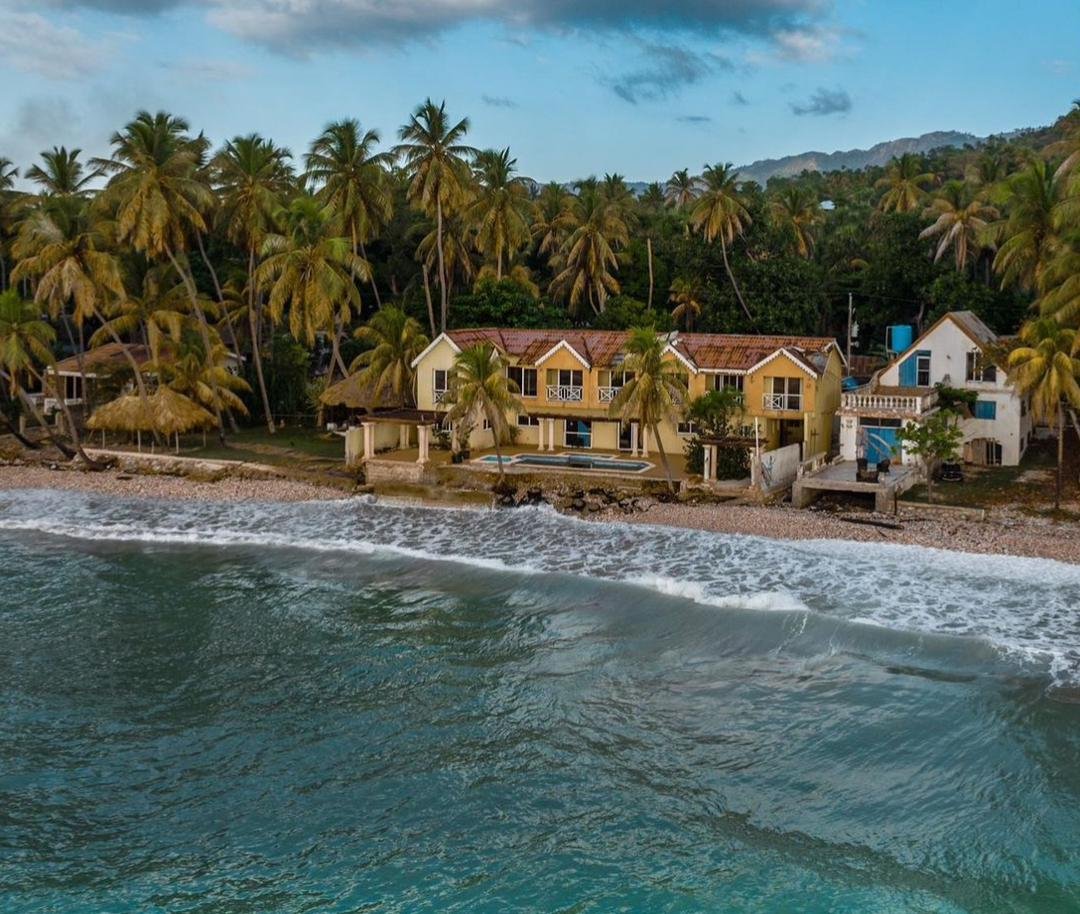
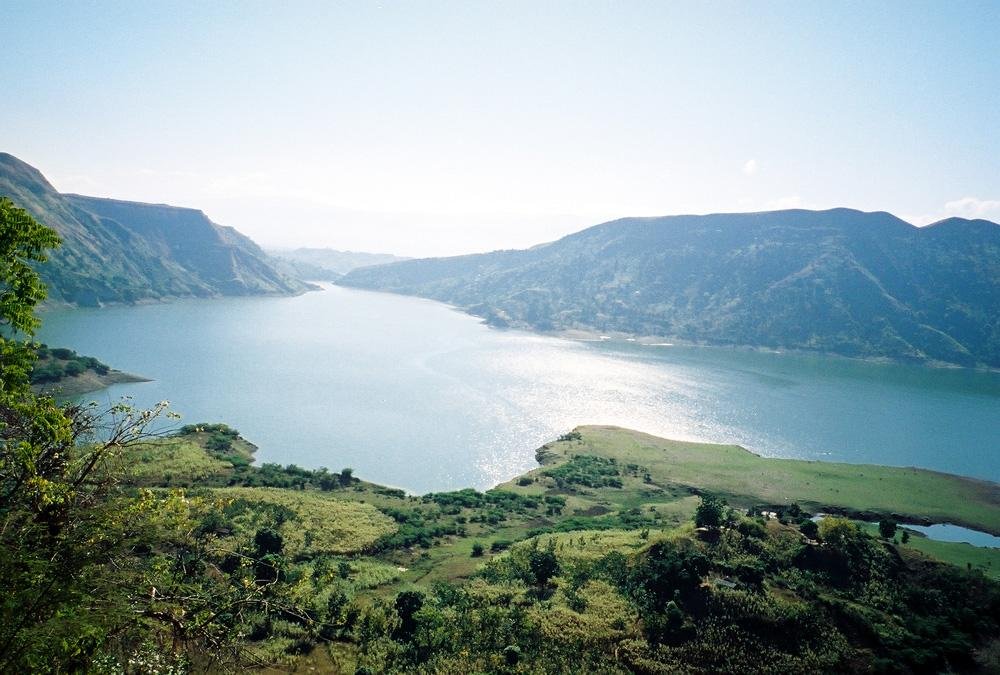
Haïti is blessed with spectacular natural landscapes, including white sand beaches, mountains and rich biodiversity.

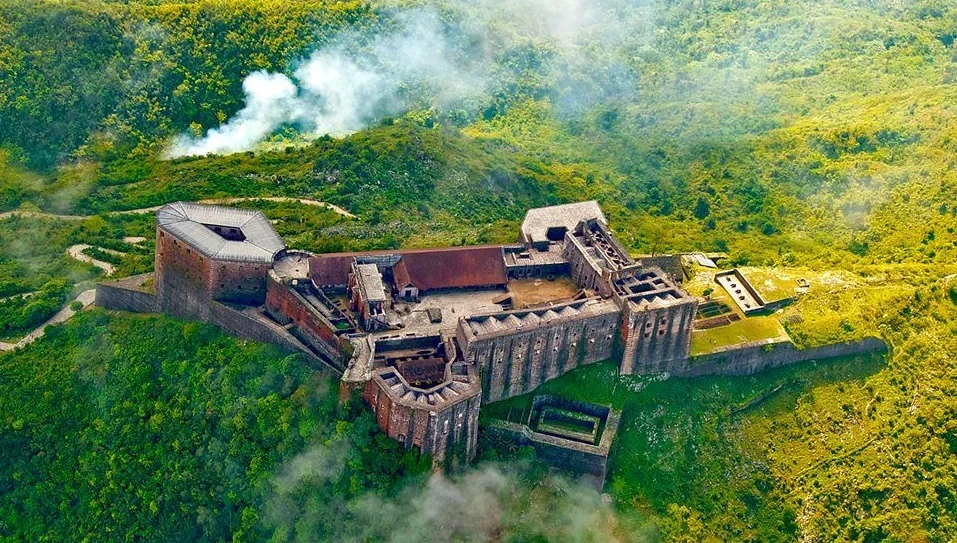
Haïti has a rich historical heritage, including sites like the Citadelle Laferrière and the Sans-Souci Palace, listed as UNESCO World Heritage Sites.

Haïti has a rich and diverse culture, influenced by African, European and indigenous elements. Haitian music, dance, art and cuisine are celebrated around the world.