

contact@haitiwonderland.com+509 36184317

Discover

Shopping Cart

Haïti : Citadelle la FerrièreHaïti : Citadelle la Ferrière

News / Little-known places / View Recent Posts

History November 21, 2023

Haiti: A Little-Known Pillar of World Independence

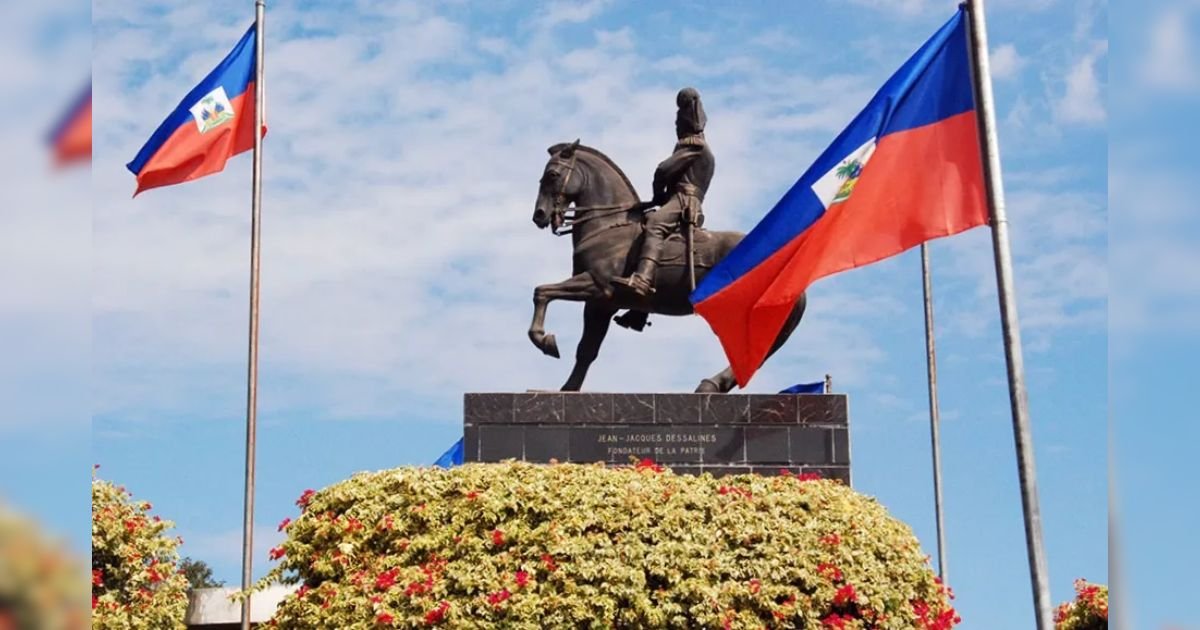
Haiti, the world’s first independent black republic, played an exceptional role in the quest for independence for other nations. Although often overshadowed by other historical events, Haiti’s contribution to the liberation of other countries was significant and deserves to be highlighted. b~The Haitian Revolution~b At the turn of the 19th century, Haïti threw off the chains of slavery and achieved the impossible by freeing itself from French colonial rule. In 1804, the country proclaimed its independence, ushering in a new era for oppressed peoples around the world. b~Inspiration for Latin America~b The Haitian Revolution was a major source of inspiration for independence movements in Latin America. Iconic figures such as Simón Bolívar and Francisco de Miranda recognized the courage and determination of Haitians as a driving force for their own struggles. By materially and ideologically supporting these movements, Haïti contributed to the emergence of several independent nations in South America. b~Influence in Africa~b Beyond the Americas, Haïti also played a crucial role in the quest for independence in Africa. African leaders have left a legacy that has inspired entire generations of freedom fighters on the African continent. The idea that oppressed people could rise up against their oppressors found a powerful echo in the struggles for independence in Africa. b~Support for Liberation Movements~b Throughout its history, Haïti has provided substantial support to liberation movements around the world. Whether through troop dispatches, financial resources or active diplomacy, the country has demonstrated its solidarity with those fighting for their autonomy. Haiti’s contributions have often been discreet but crucial. Haiti, as a pioneer of independence and freedom, has left a lasting impact on the world stage. His legacy resonates across continents, reminding the world that the quest for freedom is universal. By recognizing and celebrating Haiti’s role in the independence of other nations, we not only honor its history, but we also commit to promoting a future where all people have the opportunity to shape their destiny.

Par Appolon Guy Alain |
Learn more

Recently Posted

Guédés: When Haïti celebrates its ancestors with color and fervor

Every November 1st and 2nd, Haïti comes alive with the colors black and purple to celebrate the Guédés, spirits venerated in the voodoo religion, symbols of a powerful bond between the living and the dead. Fascinating, indomitable and provocative, the Guédés form a true family in the pantheon of Haitian voodoo, where they are respected for their role as spiritual guides of the deceased to the afterlife. Led by iconic figures such as the legendary Baron Samedi and his companion Grann Brigitte, the Guédés embody the paradoxes of life and death. Each Baron has a unique personality: Baron Cimetière, Baron Kriminel, and Baron La Croix are the guardians of the souls that wander on the borders of the world of the dead. Together, they form a powerful and somewhat frightening presence, but one that is deeply rooted in Haitian culture. The Guédés are not like other voodoo spirits; they demonstrate their fearlessness in a spectacular way. Accustomed to death, they are fearless and are provocative: they eat glass, raw peppers, and coat their sensitive parts with rum and pepper. These gestures mark their indifference to danger and remind us that they have already known earthly life. They are thus psychopomps – these beings who lead the souls of the dead – and act as bridges between the world of the living and that of the dead. Some Guédés, like Guédé Nibo, wear black, purple, and white clothing, each with unique characteristics. They are many and varied: Guédé Fouillé, Guédé Loraj, Papa Guédé, and many others. These are the spirits who, each year, remind Haitians of the importance of remembering and honoring the deceased. The cult of the Guédés is not only religious; it is also cultural and historical. According to tradition, their spiritual territory, or “Fètomè” – nicknamed the “Country without Hats” – is a place where the souls of ancestors reside. According to stories, the origins of this cult go back to the Abomey plateau, the ancient capital of the kingdom of Dahomey, in Africa, where death and life coexist in a form of symbiosis. This celebration in Haïti even finds echoes in ancient history. The Romans also honored their dead with the “Fête des Lémuria”, which took place in February, to ward off spirits and restore peace between the world of the living and that of the deceased. For Haitians, honoring the Guédés is about accepting death as a part of life and celebrating the invisible bonds that unite us with those who have left us. It is also a way of resisting, because life, despite its challenges, must be celebrated in all its complexity and depth.

Emeline Michel, in exceptional concert in Miami

St. Clement Parish celebrates its seventy years of service to God and the Haitian community, this November 23, 2024, at 2975 N. Andrews Ave., Wilton Manors, FL. On the occasion of this celebration, Emeline Michel will be in exceptional concert to mark this cultural event. On the menu of this program, the committee plans to organize evangelization sessions, continuing education, fields of ethics, morality and spirituality. This event will also emphasize faith, reason and culture to rebuild in unity the kingdom of God here below where "Charity unites us to God". With the aim of raising culture to its peak, the Archbishop of Miami is pleased to join us for a great Eucharistic celebration on Saturday, November 23, 2024, starting at 10 a.m. Together, they will mark this mythical date engraved in the memory of his faithful and friends. This evening will be hosted by the icon of Haitian music, Emeline Michel, who has made a name for herself in the Haitian cultural landscape: "We welcome the famous singer Emeline Michel. She will do us the honor of reliving important and unforgettable moments of our charming land of Haiti. With her melodious, very captivating voice and her poetic songs, all the beautiful memories will be there, like our beaches, the light breeze of our mornings and the flight of capricious birds," wrote the press release. The 58-year-old diva continues to establish herself as one of the unique, contagious voices of Haitian music. While remaining in her style, she has been able to create her musical universe during her career, which has allowed her to be honored in the community by her fans. Emeline Michel, with her sincere lyrics and unique style, has managed to reach a wide audience without giving up her authenticity. With her songs and her melodious voice, she has rocked several generations. Throughout her musical career, she has an enriching repertoire, about thirteen albums to her credit, we can cite a few: Douvanjou ka leve (1987); Flanm (1989); Pa gen manti nan sa (1990); Rhum et Flamme (1993); Tout mon temps (1991); Emeline Michel, the very best (1994); Ban m pase (1996); Coedes and Soul (2001); Rasin Kreyòl (2004); Queen of Hearts (2007); Quintessence and lastly Gratitude (2015). She also has many collaborations with other artists. Chanjman and Jan mwen (2020, and 2021) Emeline Michel, 40 years of experience on stage, she carries all Haïti in her voice, her soul and her body. During her flourishing years of success, she has marked several continents where she has already performed (Antilles, America, Europe, Asia). This allowed her to discover several places, such as: Carnegie Hall, at the United Nations; the Teatro Manzoni in Milan; the Kravis Center in Florida; the International Jazz Festival (Haiti). Then, the Luminato Festival in Ontario; the International Jazz of Montreal; the New Orleans Jazz Fest; the Ten Days On The Island. The priest of the parish of St. Clement, Rev. Patrick Charles, took the opportunity to extend a warm invitation to the community to come celebrate this great day marking its seventieth anniversary and to entertain in order to once again highlight Haitian culture.

Haiti: Fort Liberté, a Historical and Cultural Jewel

Nestled on the northeast coast of Haiti, between the green mountains and the azure waters of the Atlantic Ocean, lies a small town with undeniable charm: Fort Liberté. This historical and cultural gem is full of fascinating stories, picturesque landscapes and cultural richness that captivate visitors from around the world. A Historical Heritage Fort Liberté owes its name to the old fortress which overlooks the city, a vestige of the French colonial era. Built in the 18th century to protect the region from foreign invasions, this fort offers stunning panoramic views of the surrounding area, testifying to its strategic importance at the time. Today, it serves as a major tourist attraction, offering visitors a captivating insight into Haiti’s turbulent history. Culture and Traditions The cultural richness of Fort Liberté is reflected in its vibrant traditions, captivating music and local crafts. The city’s residents are renowned for their warm hospitality and pride in their heritage. Visitors can immerse themselves in the local culture by experiencing authentic Creole cuisine, watching traditional dance performances, or exploring bustling markets where a variety of handmade crafts can be found, such as wood carvings and vivid paintings. Natural beauty The surroundings of Fort Liberté are full of breathtaking natural treasures. The white sand beaches lined with palm trees offer an idyllic setting to relax and soak up the tropical sun. Outdoor enthusiasts will also find what they are looking for in the surrounding mountains, where they can hike through lush nature and discover hidden waterfalls and breathtaking panoramas. Fort Liberté, with its captivating blend of history, culture and nature, is a must-visit destination for those wishing to experience the true essence of Haiti. Whether you explore the historical remains, immerse yourself in the daily lives of the locals or marvel at the natural beauty of the surrounding area, this small town offers an enriching and memorable experience for all those who have the chance to visit it.

A Call for Online Media Awareness to improve the image of Haïti on the internet

A simple Google search for "Haïti" will leave you with a bitter taste, as you will mostly discover degrading images that fail to pay homage to Haïti’s natural beauty, rich history, and vibrant culture. This reality stems from a multitude of online media outlets that, in their relentless quest for visibility and profit, disseminate images that do not reflect the true essence of Haïti. It is time to challenge this trend and raise awareness among Haïtian online media of the profound impact of their editorial choices on the image of their own country. b~The Consequences of the Dissemination of Degrading Images:~b Sharing degrading images of Haïti contributes to perpetuating prejudices and reinforcing negative stereotypes associated with the country. This can have serious consequences for tourism, foreign investment, and even the national pride of Haïtians. Furthermore, it creates a distortion of reality, masking the many positive and inspiring aspects of Haïti. b~A Call for Editorial Responsibility:~b It is imperative that Haïtian online media take editorial responsibility in ensuring that the images and stories they broadcast reflect the diversity and richness of Haïti. Rather than focusing only on the negative aspects, they should highlight the successes, positive initiatives, and exceptional contributions of Haïtians to global society. b~Promote a Balanced Image:~b Haïti’s diversity, both culturally and socially, deserves to be celebrated. Haïtian online media have the opportunity to play a key role in promoting a more balanced image of the country by highlighting its successes, its innovations and its rich history. This will not only help educate the global public, but also inspire pride and confidence in Haïtians themselves. It is time for Haïtian online media to realize their power as opinion shapers and actively contribute to transforming Haïti’s image. By choosing to share balanced and positive stories, they can play a vital role in building a more accurate and respectful perception of this remarkable country. It is a call for editorial responsibility, sensitivity and national pride, in order to restore Haïti to its rightful place on the world stage.

Recently Posted

History

History

First black nation to free itself from slavery and gain independence from France in 1804 and influenced other liberation movements around the world, inspiring struggles for freedom and equality.

Natural beauty

Natural beauty

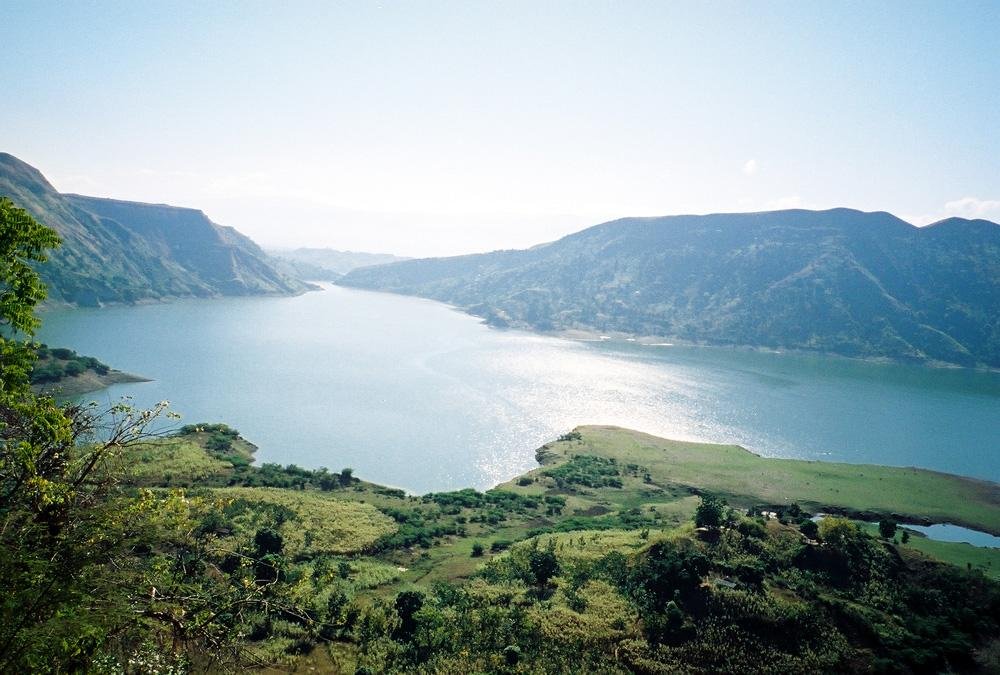
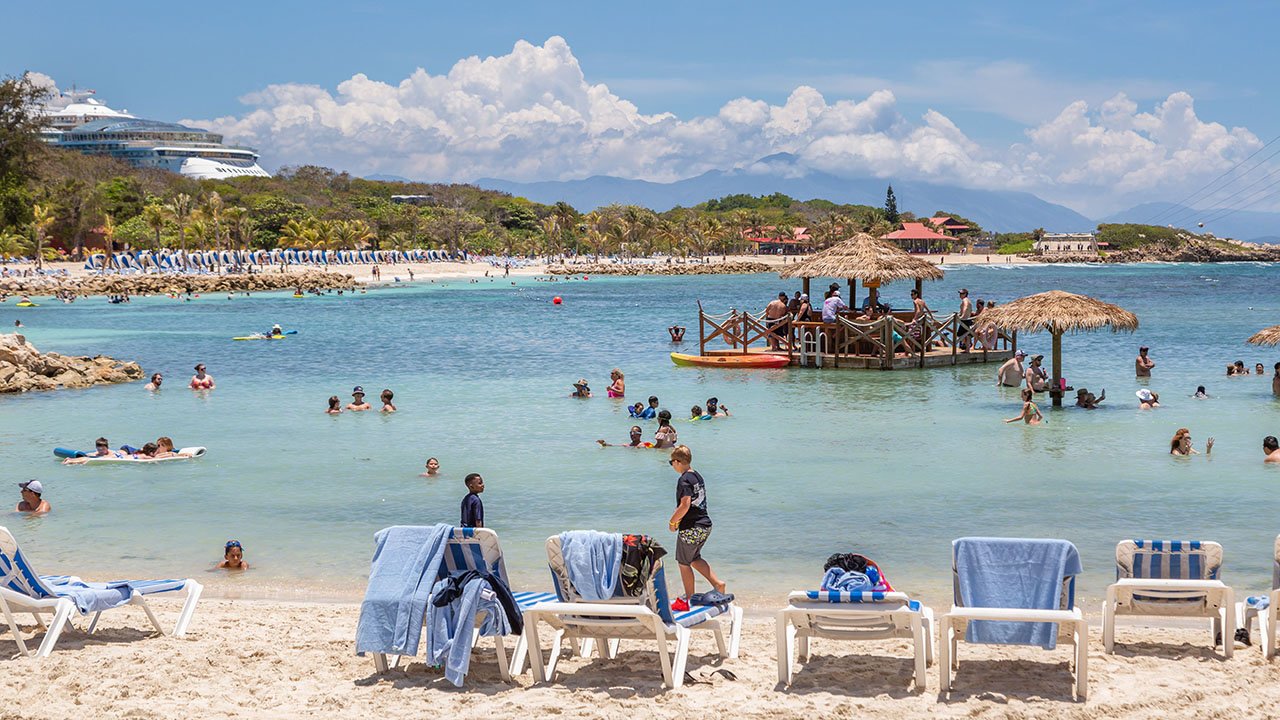
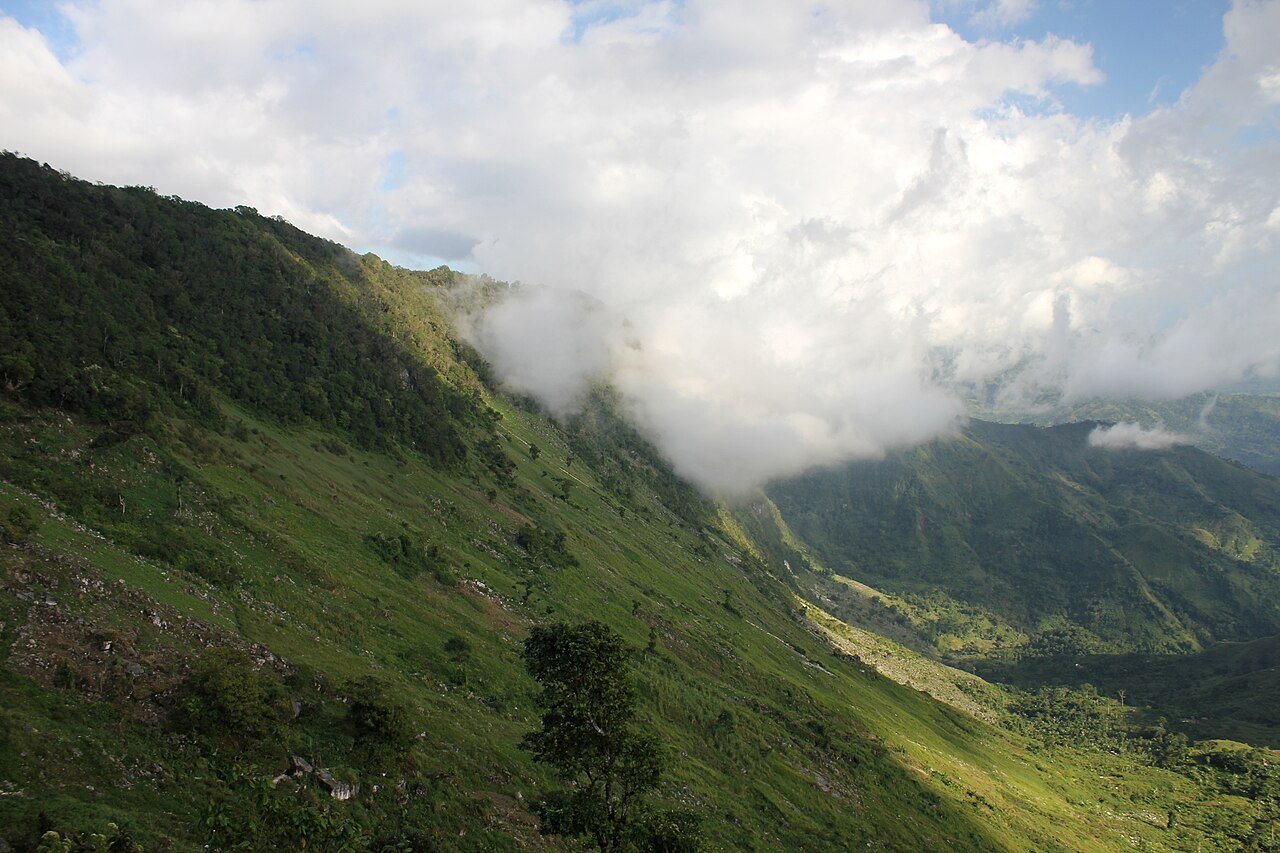
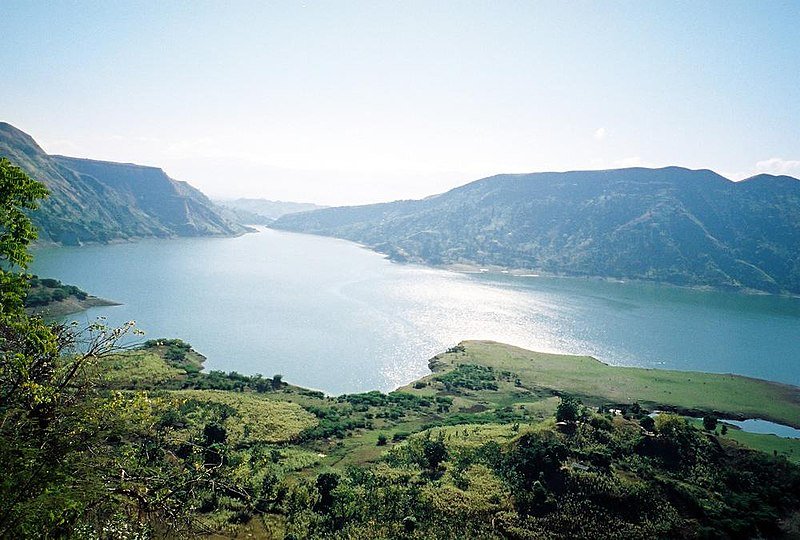
Haïti is blessed with spectacular natural landscapes, including white sand beaches, mountains and rich biodiversity.

Heritage

Heritage

Haïti has a rich historical heritage, including sites like the Citadelle Laferrière and the Sans-Souci Palace, listed as UNESCO World Heritage Sites.

Culture

Culture

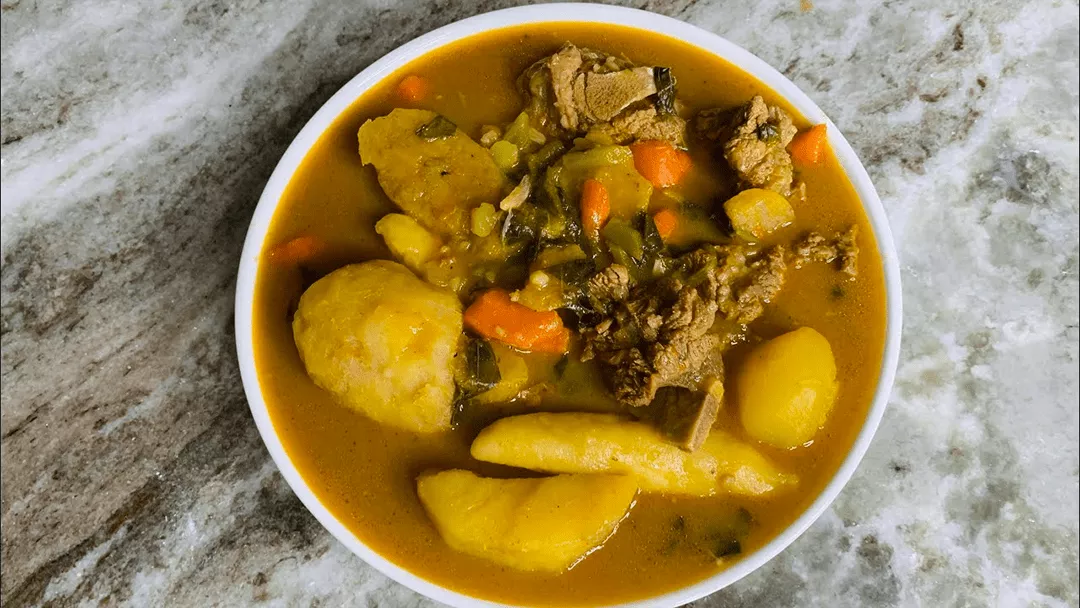
Haïti has a rich and diverse culture, influenced by African, European and indigenous elements. Haitian music, dance, art and cuisine are celebrated around the world.

  • +
    • Post