





Kafou: ACTIF and JEUNES HAITI join forces to say "DEMEN KA BÈL"
ACTIF and JEUNES HAITI train young girls in entrepreneurship in Kafou with the “DEMEN KA BÈL” project for a promising future.
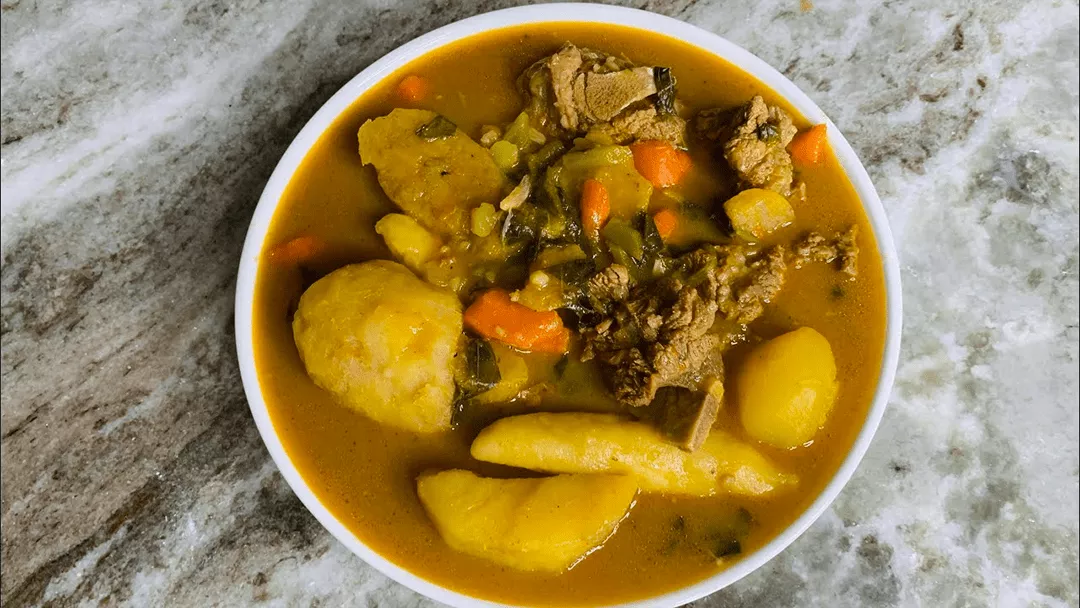
Are you Haitian? You are not Haitian but you have met them closely or from afar? Have you ever visited Haïti or do you have Haitian friends? No doubt! You have already eaten broth! Haitian broth is an emblematic dish of Haitian cuisine. This delicious broth is often prepared with a variety of meats, such as beef, pork or chicken, and is enhanced with fresh vegetables such as carrots, potatoes and celery. This mixture creates a harmony of flavors that reflects the richness of Haitian culture. The preparation of broth (bouyon) is a true culinary art. The ingredients are carefully selected and cooked slowly to allow the flavors to fully develop. Spices, such as thyme, garlic and chili pepper, add a touch of heat and depth to the dish. Traditionally, broth (bouyon) is served with rice or plantains, making it a complete and comforting meal. Broth is not just a dish, it is also a symbol of conviviality and sharing. It is often prepared during special occasions or family gatherings, strengthening the bonds between members of the community. If you feel like preparing broth one of these days, do not hesitate to ask for the recipe in the comments.
Haiti, a country located in the Caribbean, is an exceptional destination offering rich history, vibrant culture and magnificent landscapes. Here is a list of historical monuments and beautiful places to visit in Haïti to immerse yourself in this land full of treasures.
After several months of suspension, cruises to Labadie, one of Haiti’s most popular tourist destinations, are expected to resume in October 2024. Frantz Duval, a key figure in Haitian journalism, recently shared this encouraging news on the X platform (formerly Twitter). This announcement, confirmed by Le Nouvelliste via a source close to the company managing the Labadie wharf, ends a period of uncertainty marked by months of interruption of tourist activities in this jewel.
Agriculture is at the heart of Haiti’s economy and daily life. Despite challenges related to infrastructure and climate conditions, this sector remains vital for the majority of the population. Let’s discover how Haitian agriculture shapes the country, its economy, and its traditions.
Haitian cuisine is rich and flavorful and is a true reflection of the country’s culture, history and traditions. It combines African, European and indigenous influences to offer diverse and delicious dishes. From everyday meals to traditional feasts, food in Haïti is more than just a way to eat, it’s a cultural experience. Discover with us what they eat in Haiti, and let yourself be seduced by the unique flavors of this Caribbean country.
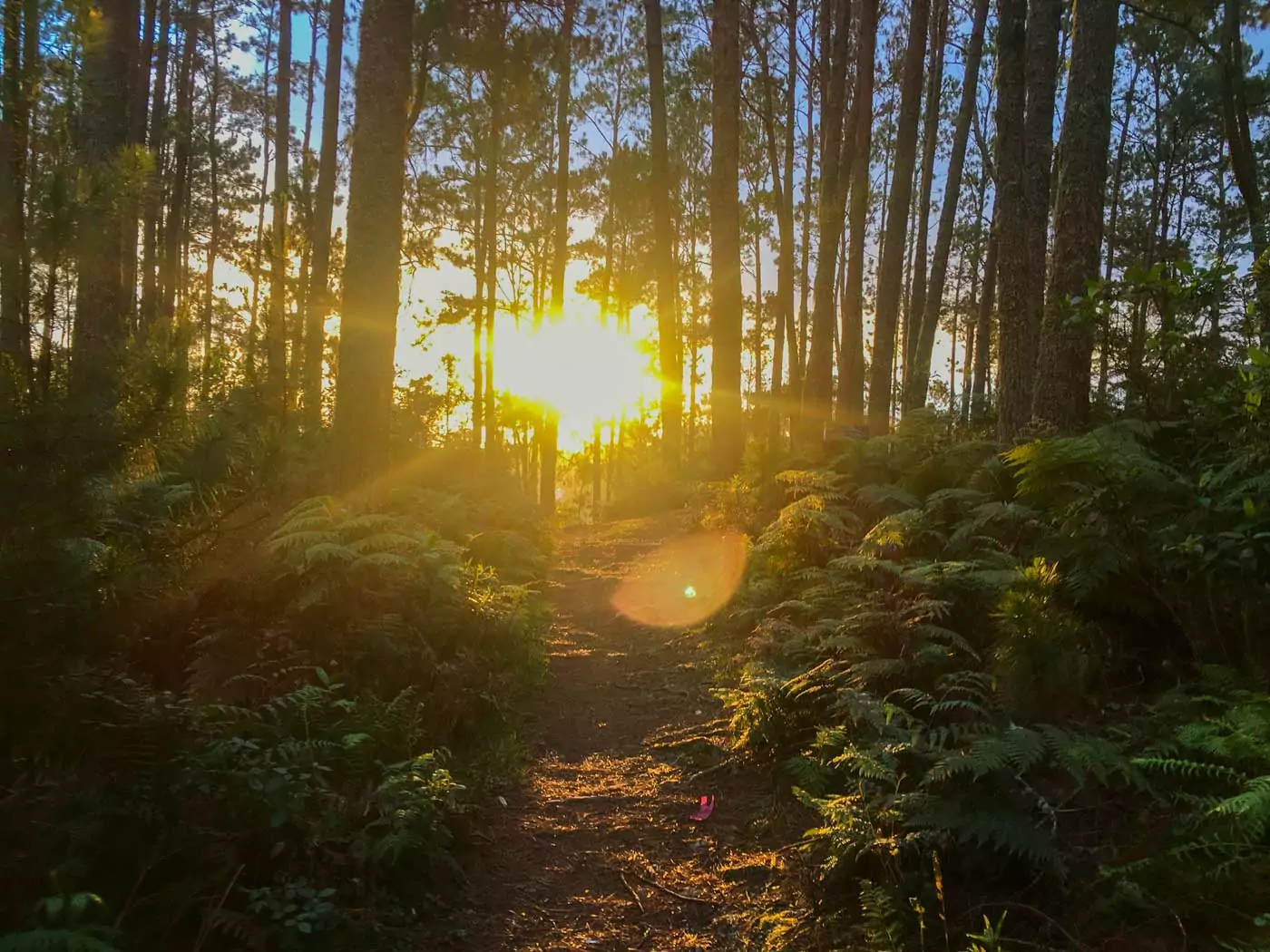
Haiti, rich in biodiversity and natural landscapes, is home to forests that are a testament to the beauty and ecological importance of the island. Among them, one stands out as the largest and most emblematic in the country. So, what is this forest? Discover its name, characteristics and importance for the Haitian environment.
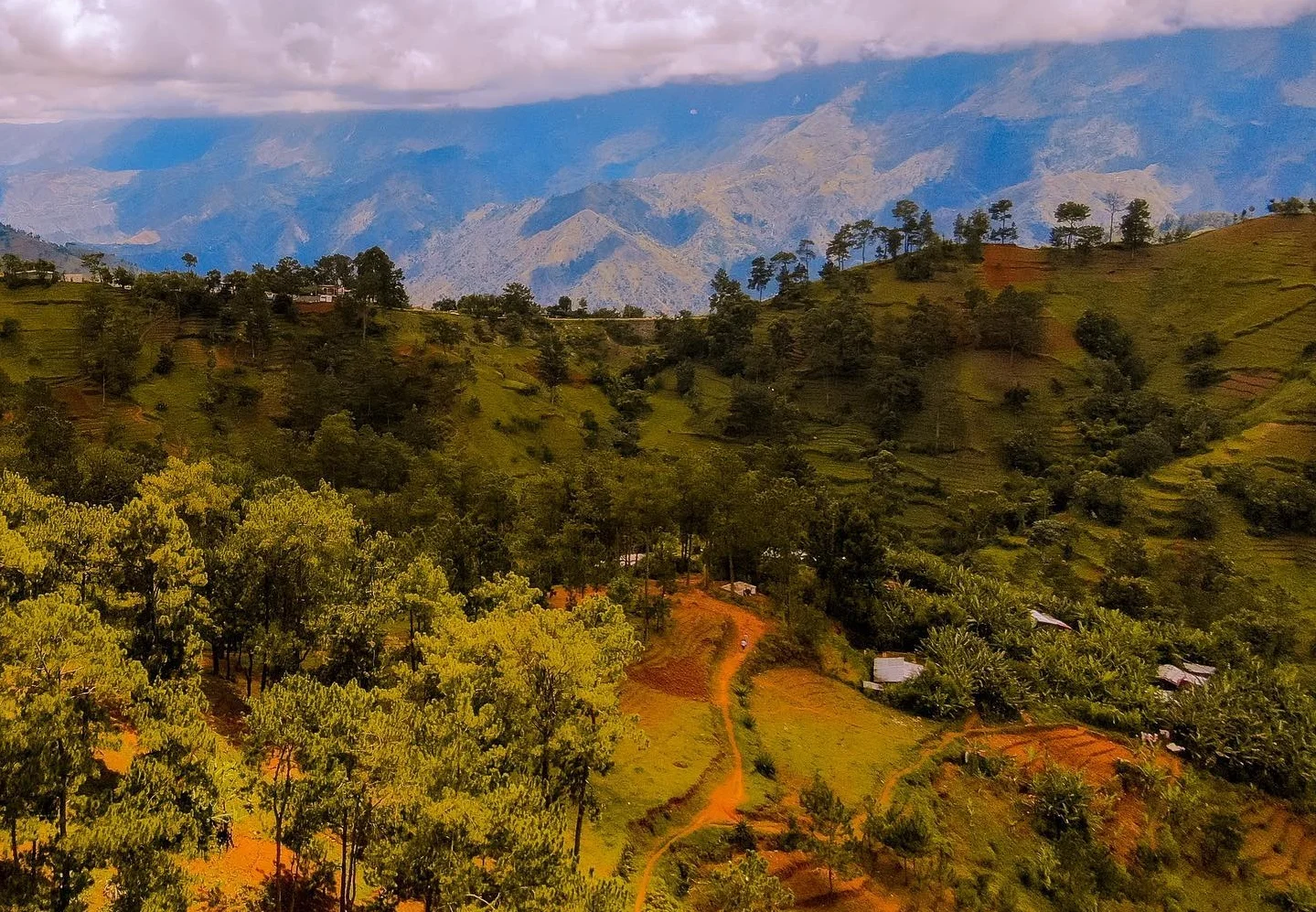
Perched in the heights, above the commune of Pétion-ville, the commune of Kenscoff is a jewel lit up above the metropolitan area of Port-au-Prince. The commune is located in the department of the West of Haiti, and is about 10 kilometers from the city center of Port-au-Prince, the capital of the country. The city of Kenscoff was founded in 1930, and was elevated to the rank of commune in 1934. The commune has an area of 202.76 square kilometers and is made up of five communal sections: Belle-fontaine, Bongars, Grand-fonds, Sourcailles. And Nouvelle-Touraine. Kenscoff is one of the most mountainous communes in Haiti.
Haïti and its incredible Genius is an exceptional initiative launched by the Institute for the Valorization of Haitian Heritage (IVAP-Haiti). This contest’s mission is to highlight the multiple facets of Haïti by presenting an authentic and positive image of the country, while promoting the skills of young Haitians through the culture of reading and research.
The name “Haiti” is deeply rooted in the history, culture and identity of the nation. Carrying within it the legacy of the first inhabitants and the weight of the struggles for freedom, this word symbolizes much more than a simple territory. Let’s discover together the history and context surrounding this unique appellation.
Religious diversity in Haïti is a key aspect of its cultural identity, but Christianity, and more specifically Catholicism, is the most popular religion in the country. With its roots deep in colonial history, Haitian spirituality is also enriched by unique cultural practices, such as Vodou, that coexist with Christian beliefs. In this article, we explore the history, practices, and key figures surrounding religion in Haiti.
Haiti, associated with its rich history and vibrant culture, also offers a little-known aquatic paradise. With its pristine beaches, crystal clear waters and spectacular marine diversity, this Caribbean country is an ideal destination for lovers of water activities. Discover a fascinating underwater world, experience thrilling adventures and enjoy the Haitian coastline.

First black nation to free itself from slavery and gain independence from France in 1804 and influenced other liberation movements around the world, inspiring struggles for freedom and equality.

Haïti is blessed with spectacular natural landscapes, including white sand beaches, mountains and rich biodiversity.

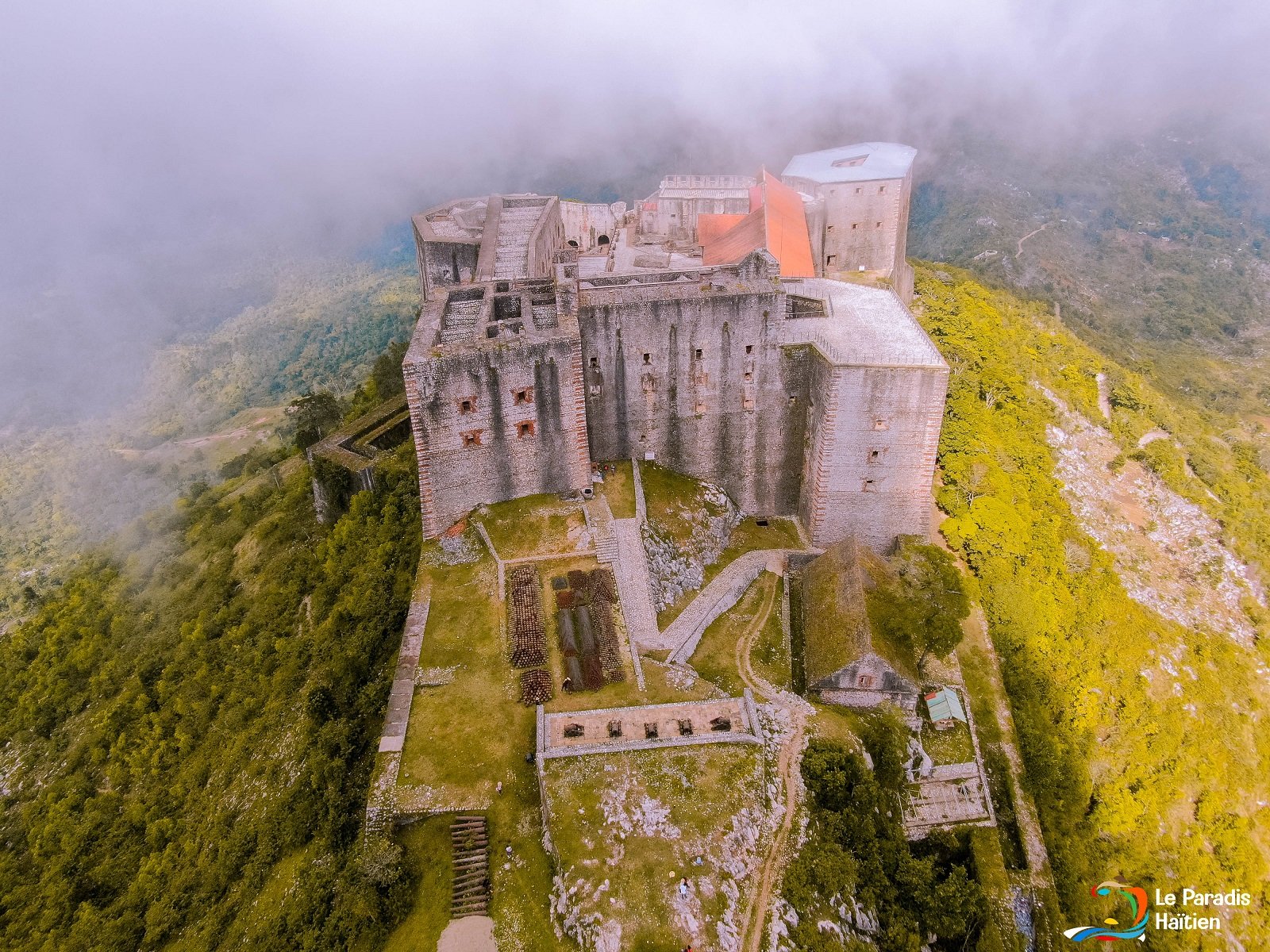
Haïti has a rich historical heritage, including sites like the Citadelle Laferrière and the Sans-Souci Palace, listed as UNESCO World Heritage Sites.

Haïti has a rich and diverse culture, influenced by African, European and indigenous elements. Haitian music, dance, art and cuisine are celebrated around the world.