

Top 10 Tourist Sites to Visit in Haiti
Haiti, with its rich culture and diverse landscapes, is a fascinating tourist destination. Here is a selection of the ten best tourist sites not to be missed during your visit to Haiti.
Discover the profound meaning of Haiti's mottoes: "Unity is Strength" and "Liberty-Equality-Fraternity." History, symbols, and legacy of the first free Black republic.
Haïti holds a unique and iconic place in world history as the first independent black republic. This historical fact, inscribed in the annals of the world, is a source of pride for the Haitian people and an inspiration for freedom and equality movements throughout the centuries. Let’s discover together the events that led to this historical feat and its impact on the international scene.
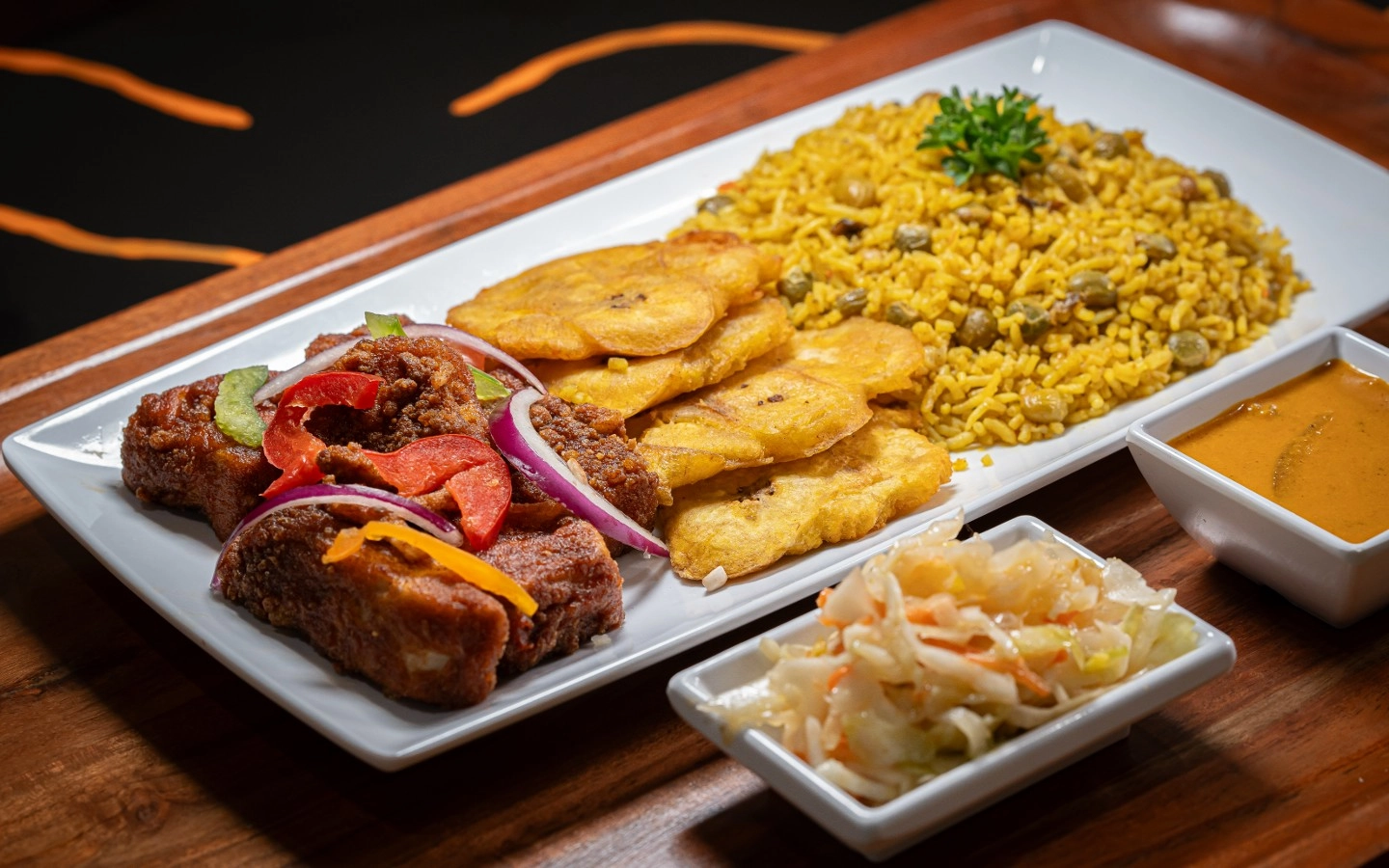
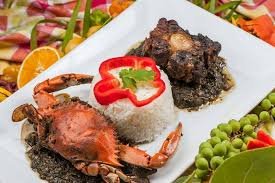
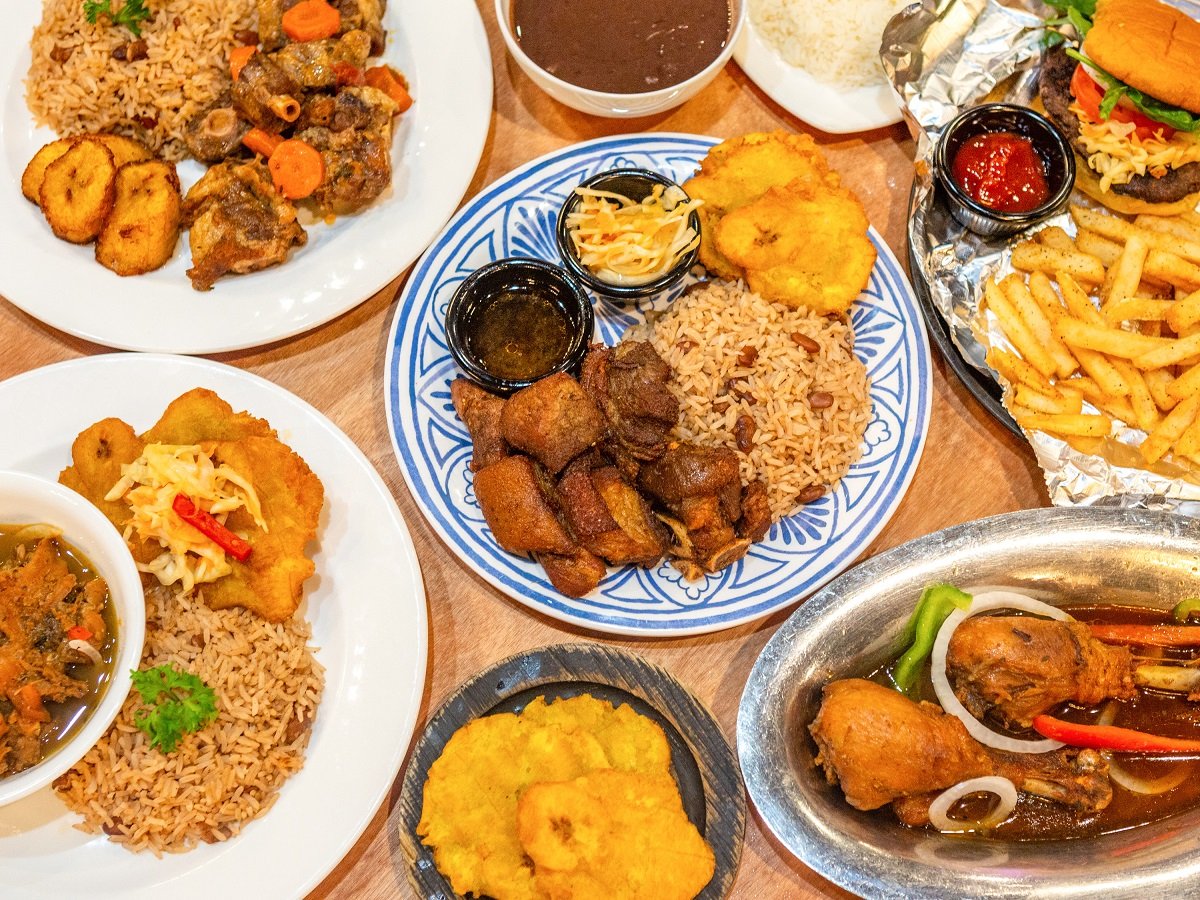
Haiti, pearl of the Caribbean, never ceases to amaze with its cultural richness, its captivating landscapes and, above all, its authentic cuisine. Each dish tells a story, a heritage passed down from generation to generation, where exotic flavors and culinary traditions blend to create an unforgettable experience. Here is a selection of the 25 best Haitian dishes in 2025, to be savored absolutely during your next visit to Haiti!
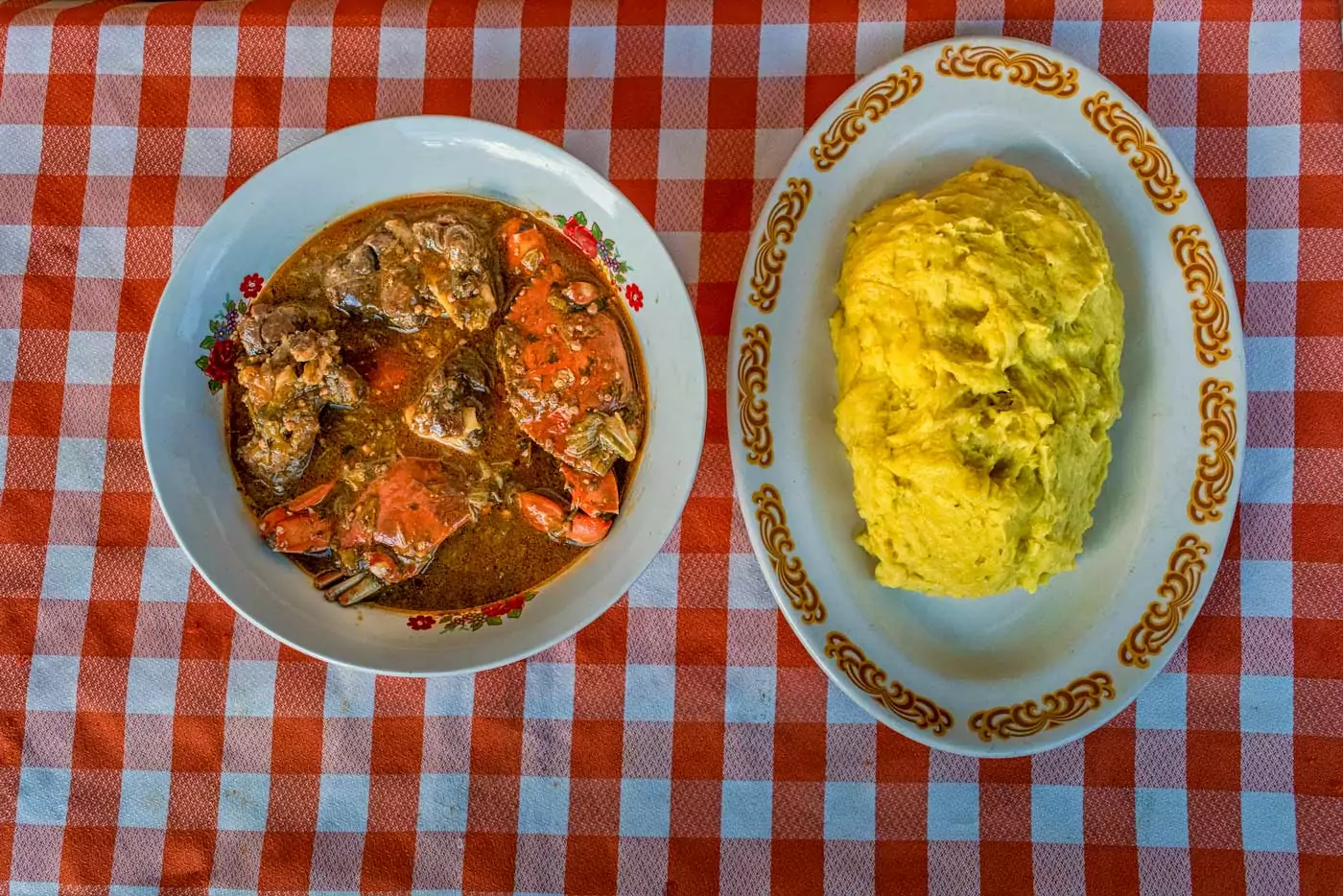
Haitian and African cuisine are gastronomic treasures that highlight local ingredients and preparation techniques passed down through generations. Among the most popular dishes of both cuisines, Haitian Tonmtonm and African Foutou (or Fufu) are distinguished by their rich flavors and unique textures. These two dishes, although they share a similar foundation - the use of local products such as cassava or plantain - have interesting differences, especially in their preparation, taste and accompaniment.
The Haïti Monde Festival is a major cultural event dedicated to promoting Haitian thought, memory, and creativity in the heart of Paris. Led for several years by Haitian intellectual Chadrac Charles and his team, it aims to be a space for expression, transmission, and reflection. In 2025, this fourth edition is organized around a theme that is more relevant than ever: “Repairing the World,” and will take place from June 25 to July 11 in the French capital. Gaël Octavia, winner of the 2025 Goncourt Prize for the short story, will be the guest of honor. Alongside her, other friends of the Haitian cause and powerful voices from the Haitian literary scene will be gathered. Among them: geographer Jean-Marie Théodat, Louis-Philippe Dalembert, Rocé, Mélissa Laveaux, Marie-Yemta Moussanang, Makenzy Orcel, Françoise Vergès, Lyonel Trouillot, Nicolas Idier, Nathania Périclès, Vladimir Delva, Sandra Dessalines, Claude Saturne, Kébert Bastien, Jude Joseph... and many others. A tribute will also be paid to Frankétienne and Anthony Phelps, two giants of Haitian literature who passed away this year.
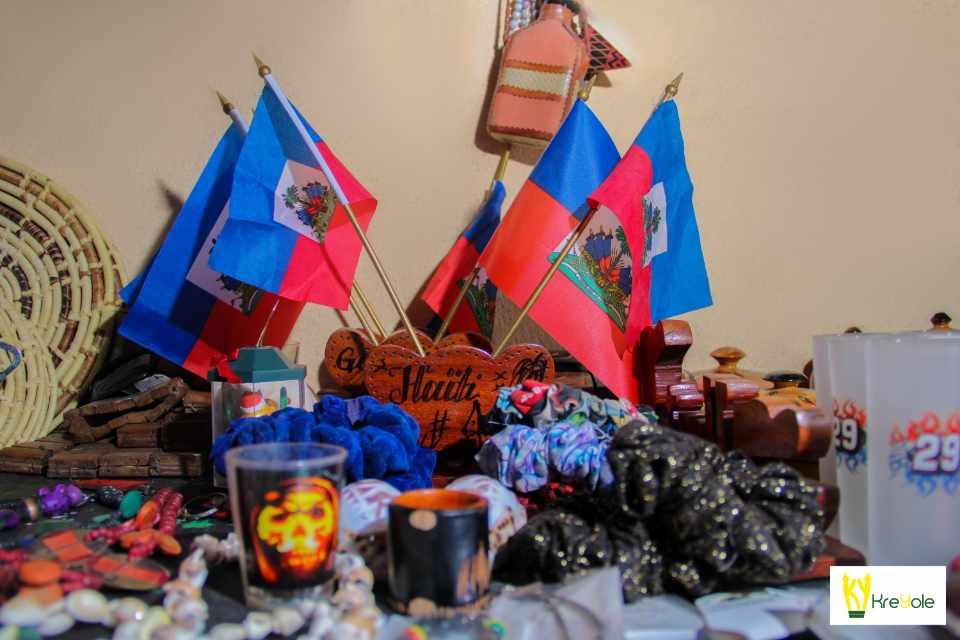
Kre-Yole, a Haitian company dedicated to the promotion and sale of local, artisanal and agricultural products. Founded with the aim of highlighting Haiti’s cultural richness and unique talents, Kre-Yole positions itself as a sales channel allowing artisans, agricultural producers and others to share their creations with the world.
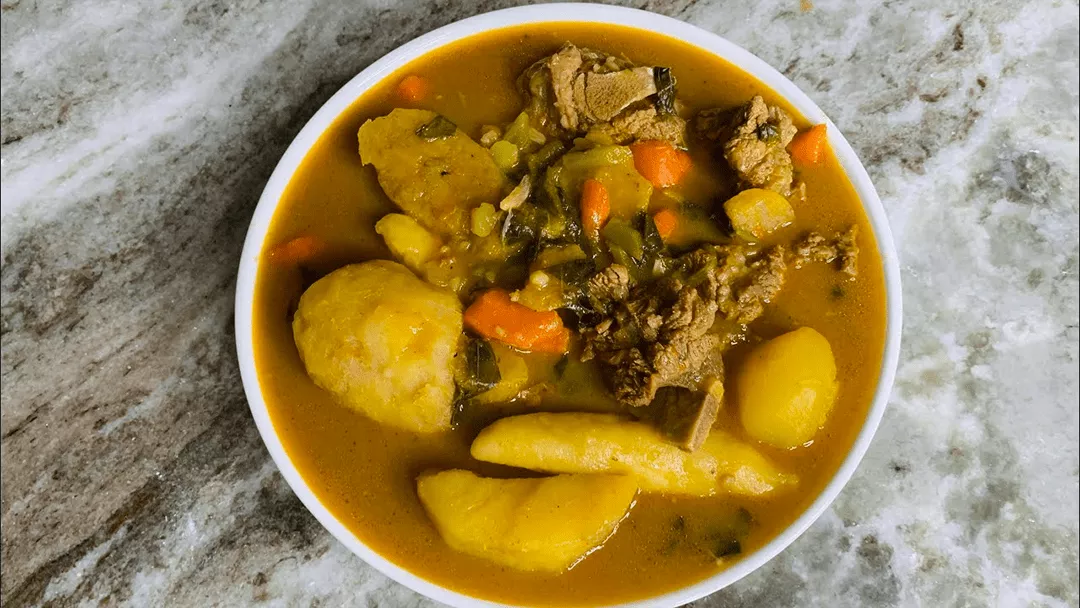
Are you Haitian? You are not Haitian but you have met them closely or from afar? Have you ever visited Haïti or do you have Haitian friends? No doubt! You have already eaten broth! Haitian broth is an emblematic dish of Haitian cuisine. This delicious broth is often prepared with a variety of meats, such as beef, pork or chicken, and is enhanced with fresh vegetables such as carrots, potatoes and celery. This mixture creates a harmony of flavors that reflects the richness of Haitian culture. The preparation of broth (bouyon) is a true culinary art. The ingredients are carefully selected and cooked slowly to allow the flavors to fully develop. Spices, such as thyme, garlic and chili pepper, add a touch of heat and depth to the dish. Traditionally, broth (bouyon) is served with rice or plantains, making it a complete and comforting meal. Broth is not just a dish, it is also a symbol of conviviality and sharing. It is often prepared during special occasions or family gatherings, strengthening the bonds between members of the community. If you feel like preparing broth one of these days, do not hesitate to ask for the recipe in the comments.
Haiti, nicknamed "the Pearl of the Antilles", is distinguished by the richness of its landscapes, its vibrant culture and the tenacity of its people. Its heavenly beaches, majestic mountains and emblematic sites, such as Macaya National Park and Bassin Bleu, are natural treasures that testify to the raw beauty of the island. However, these wonders are jeopardized by ecological challenges such as deforestation and climate change. Its vibrant and diverse culture is echoed in its music, crafts and spiritual traditions such as voodoo. Despite economic and social challenges, it is in the tenacity of its inhabitants that lies the true wealth of Haiti, a people determined to preserve their roots and build a brighter future.
Diri kole ak pwa, a signature dish of Haitian cuisine, was recently recognized by the prestigious culinary magazine Taste Atlas as one of the best bean dishes in the world. This distinction highlights one of Haiti’s most beloved dishes, where rice and beans come together to create a rich and comforting culinary experience.
In Haiti, Christmas meals occupy an essential place in the end-of-year celebrations. They are not only an opportunity to enjoy delicious dishes, but also to bring families and friends together around a table, in a warm and festive atmosphere. This article explores the culinary traditions, the importance of sharing and the spirit of conviviality that make Christmas meals in Haïti a memorable event.
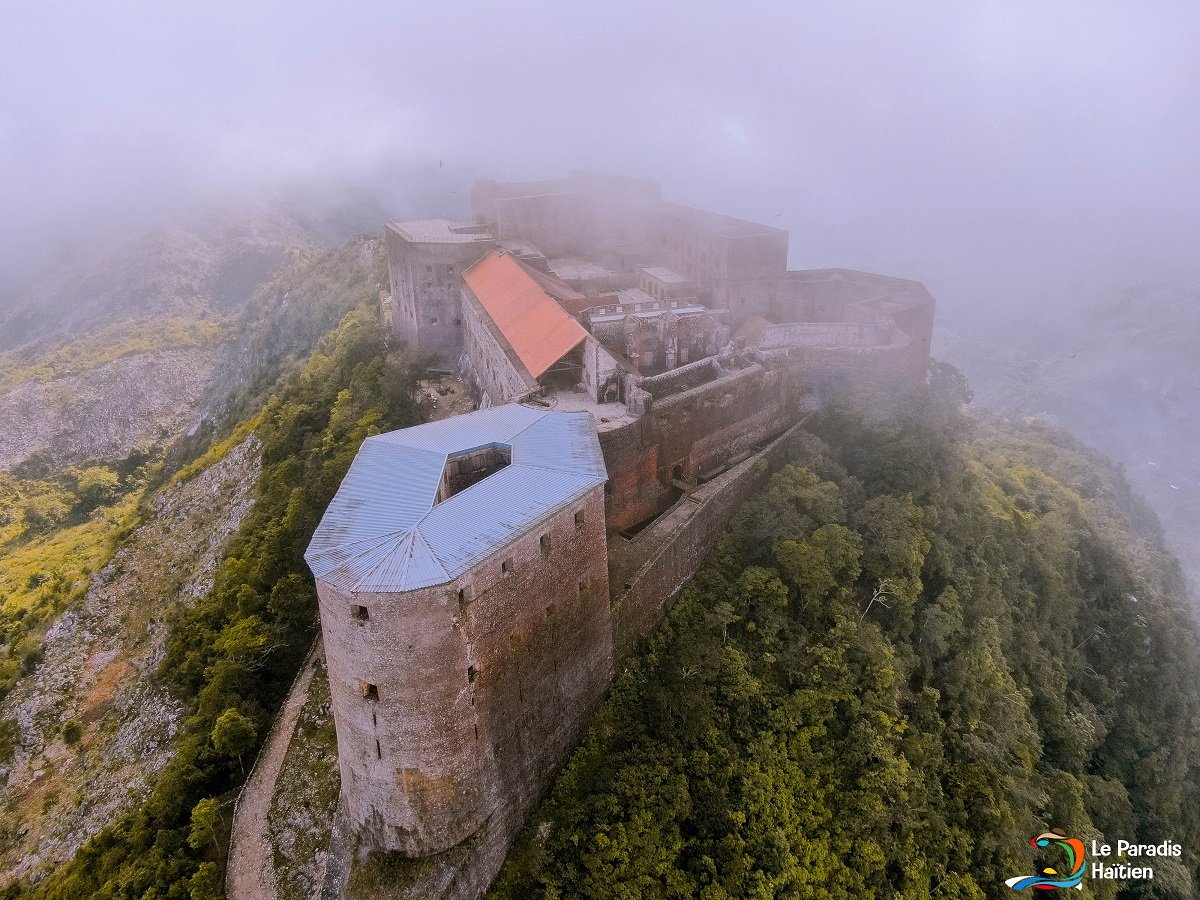
Among the world’s architectural and historical treasures, the Citadelle Laferrière, perched high in the north of Haiti, occupies a unique place. Dubbed by some the “Eighth Wonder of the World,” this colossal fortress is much more than a feat of engineering: it is a powerful symbol of freedom, resilience, and national pride. Discover why this impressive site continues to captivate visitors from around the world and deserves this honorary distinction.
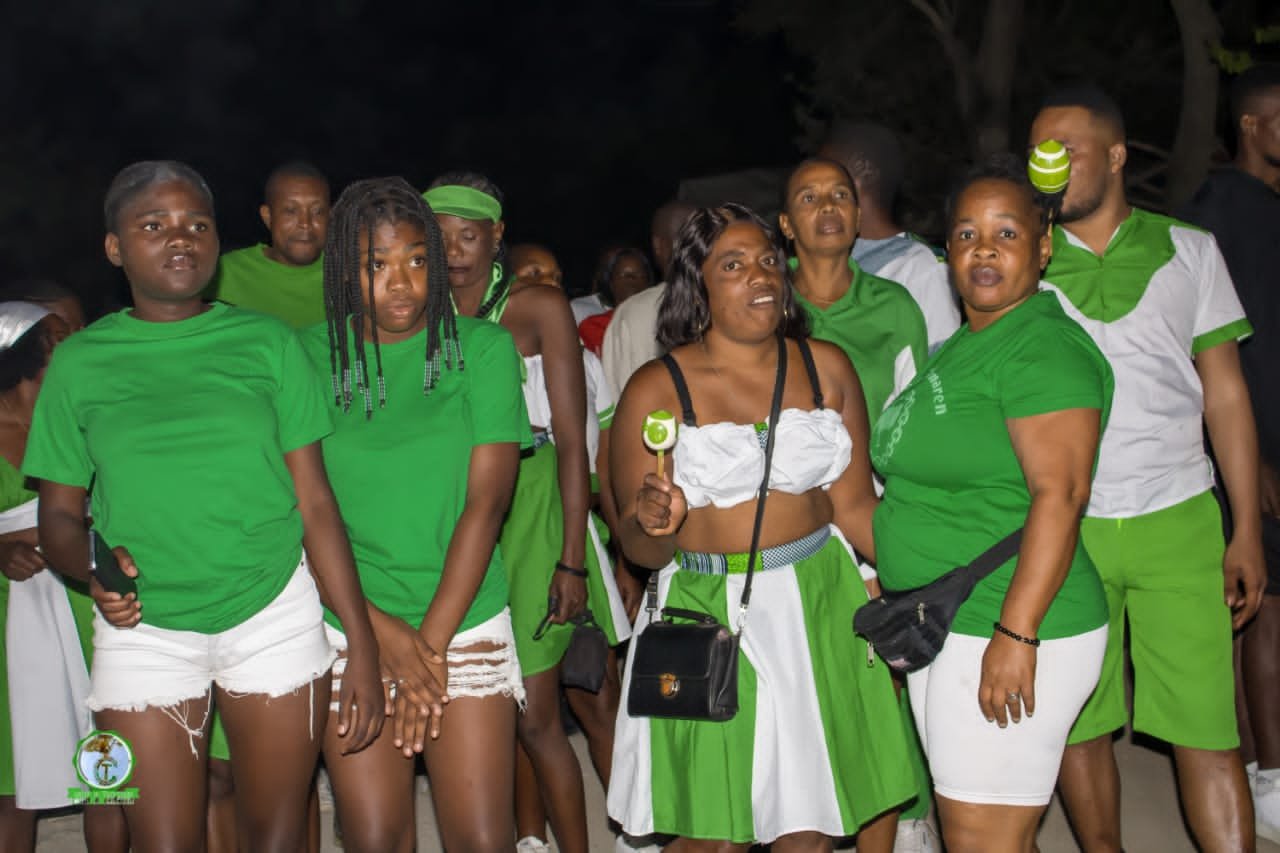
Haitian culture is a true treasure, woven from the creativity of its artists, its rich heritage and the diversity of its cultural expressions. Among these cultural gems, the rara stands as a true national emblem, uniting Haitians through its captivating rhythms and centuries-old traditions. During the first Rara weekend, this very essence of Haitian culture shone brightly, revealing palpable social cohesion. Despite the absence of law enforcement, tranquility reigned in Petit-Goâve, testifying to the ability of citizens to come together in peace and conviviality. However, media attention was mainly focused on the first plain, leaving a certain imbalance in the coverage of the festivities. Ratyèfè, three-time reigning champion, once again captivated minds with his talent and artistic mastery, offering an unparalleled spectacle. But his rival, Lambi gran dlo, was not to be outdone, displaying a determination to compete for first place. The event was also marked by unfortunate incidents, reminding us that despite the beauty of tradition, tensions can arise. Clashes between fans of different groups tarnished the festive atmosphere, highlighting the need for careful management of celebrations to avoid such excesses. At the heart of this musical competition, where each group aspires to recognition and victory, a complex picture of rivalries and alliances emerges. Chenn tamarin, although appearing asleep in the first moments, shows signs of waking up, ready to shake up the established order. On Sunday evening, Lambi gran dlo honored the memory of one of its loyal supporters, while Grap Kenèp was the scene of violence between fans, recalling the fragility of social cohesion when passion runs wild. In this whirlwind of emotion and competition, it is crucial to keep in mind that it is the journalist who must look to the events, and not the other way around. This is how we draw up the first ranking for this first weekend: 1. Ratyèfè 2. Lambi grand dlo 3. Chenn tamarind Beyond the results, it is the preservation of unity and mutual respect that must remain at the heart of these celebrations, making the rara not only a musical festival, but above all a symbol of the wealth and resilience of the people Haitian.
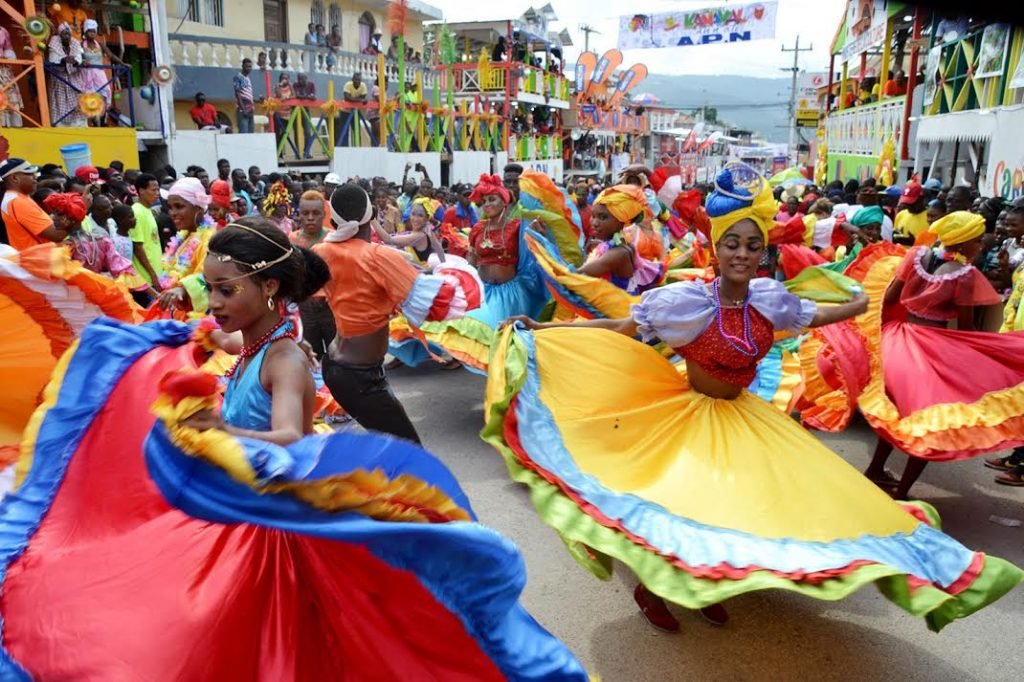
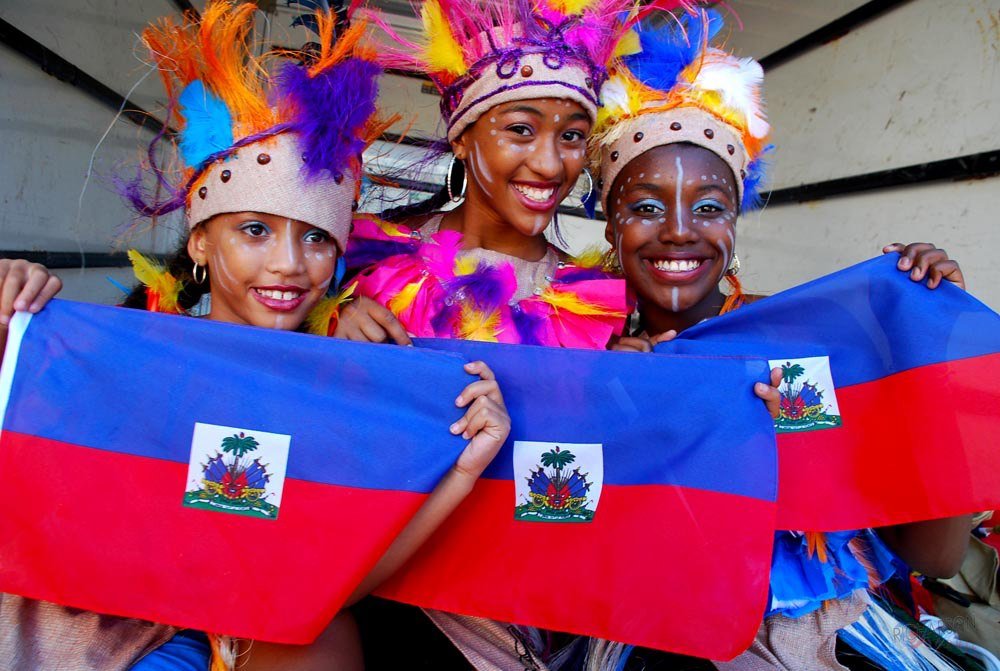
The Haitian carnival, an emblematic and essential celebration of the country’s festive calendar, is much more than a simple party. It embodies the very essence of Haitian culture, joyfully blending ancestral traditions, intoxicating music and a deep sense of community. Each year, this vibrant celebration transforms the streets into a vibrant and colorful spectacle, attracting thousands of participants and spectators eager to take part in this one-of-a-kind celebration. Haitian carnival has deep roots in the country’s history, dating back to colonial times. It has evolved over the centuries, incorporating elements of African, French and Creole culture to create a distinct and captivating celebration. The carnival period in Haïti traditionally begins in January and culminates with extravagant festivities that take place over several days. One of the most striking features of the Haitian carnival is the profusion of colors. Traditional costumes, called "masks", are elaborate and beautifully designed. They feature vivid patterns and vibrant decorations, creating a vivid picture of Haitian cultural identity. Participants, dressed in these elaborate costumes, parade through the streets to the sound of lively music, creating an electric atmosphere. Music is at the heart of the Haitian carnival. The captivating rhythms of compass, rasin, rara and other local musical genres resonate throughout the city, inviting people to dance to the rhythm of the party. Orchestras parade through the streets, accompanying the dancers and creating a unique symbiosis between the music and the graceful movements of the participants. The Haitian carnival parade is not just about the music and costumes; it also celebrates the richness of street arts. Talented artists create giant sculptures, art installations and theatrical performances that tell deep stories of Haitian history and culture. These artistic expressions contribute to the transmission of values and stories that shape the identity of the Haitian people.

First black nation to free itself from slavery and gain independence from France in 1804 and influenced other liberation movements around the world, inspiring struggles for freedom and equality.

Haïti is blessed with spectacular natural landscapes, including white sand beaches, mountains and rich biodiversity.

Haïti has a rich historical heritage, including sites like the Citadelle Laferrière and the Sans-Souci Palace, listed as UNESCO World Heritage Sites.

Haïti has a rich and diverse culture, influenced by African, European and indigenous elements. Haitian music, dance, art and cuisine are celebrated around the world.