







NexoCash Haiti: The Virtual Card Revolution for Everyone
In a world where digital transactions are becoming essential, NexoCash Haïti is establishing itself as an essential solution for anyone looking to send or receive money with ease.
The name "Haiti" is much more than just a word; it carries within it the history, culture and identity of a people. But what does this term really mean and what is its origin? Let’s discover together the richness of this word that resonates through the centuries.
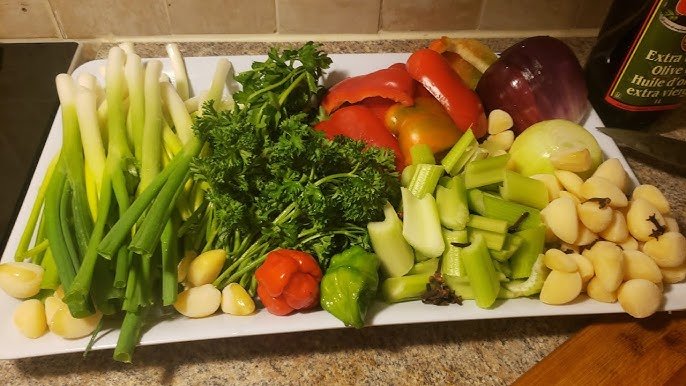
Haitian cuisine is a veritable feast of flavors, where spices and aromas play a central role. Essential Haitian ingredients don’t just add flavor; they create a rich and complex aromatic profile that characterizes this vibrant cuisine. Among the most commonly used spices is chili pepper, which brings heat and intensity. Herbs such as thyme and parsley are often used fresh, adding a touch of freshness and depth. Garlic and ginger are also key elements, bringing spicy and earthy notes. Another iconic spice is clove, which is often used in marinades and stews. Saffron and turmeric are also present in Haitian cuisine, bringing not only color but also unique flavors. Lime zest and lemon juice are frequently used to enhance dishes, adding a refreshing acidity. Over time, our preferences evolve, and certain ingredients take up more or less space on our plates. Is there a spice you’ve abandoned or, on the contrary, rediscovered over time?
Haïti is a small but fascinating Caribbean country with a unique history, vibrant culture and stunning landscapes. Located on the island of Hispaniola, which it shares with the Dominican Republic, Haïti is distinguished by its resilience, historical independence, and natural and cultural wealth. This article offers you a detailed overview of this impressive country, from its history to the geographical and cultural features that make it a must-see destination.
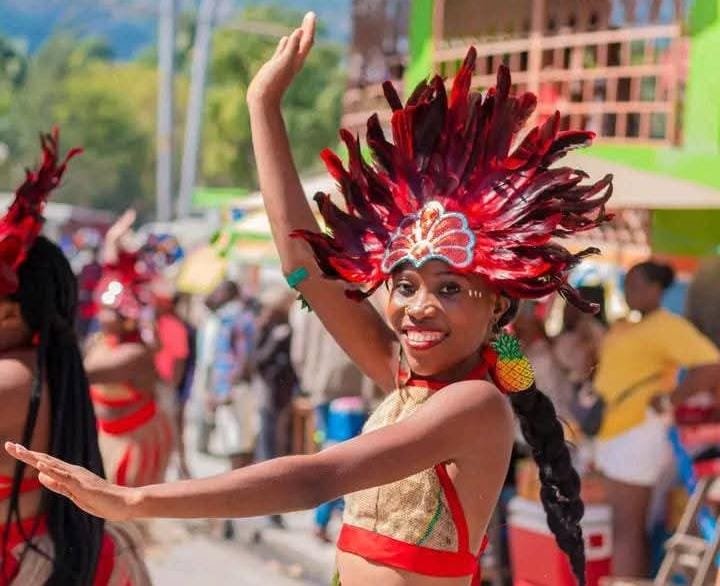
Haiti, rich in history and culture, celebrates several national holidays throughout the year. These celebrations reflect the identity and resilience of the Haitian people, marking key moments in their history and honoring their traditions. Discover the most important national holidays in Haiti, their meanings and how they are celebrated.
Haiti, a nation rich in history and culture, occupies a special position in the Caribbean region. But where exactly is Haïti located in this tropical archipelago? Discover its geographical location and what makes this country stand out among its island neighbors.
Haiti, a pearl of the Caribbean, not only boasts picturesque landscapes and rich history, but also offers a variety of culinary delights that tantalize the taste buds from the first meal of the day. Haitian breakfast, an exquisite blend of local flavors and culinary traditions, is an experience in its own right. Let’s discover together some ideas to start your day in the most delicious way possible.
Haiti, an unknown pearl of the Caribbean, seduces with its cultural richness and breathtaking landscapes. Cradle of a fascinating history and a vibrant cultural identity, this country offers visitors an authentic experience, far from the beaten track.
Soupe joumou, also known as soupe au giraumon, is much more than just a dish for Haitians. It embodies the spirit of freedom and resilience, celebrating Haiti’s independence every January 1st. This unique dish, made with giraumon, a tropical squash, fresh vegetables and meat, is known for its rich flavor and historical roots. Discover the traditional recipe for soupe joumou and its history, as well as the steps to prepare it at home.
Haiti, nicknamed "the Pearl of the Antilles", is distinguished by the richness of its landscapes, its vibrant culture and the tenacity of its people. Its heavenly beaches, majestic mountains and emblematic sites, such as Macaya National Park and Bassin Bleu, are natural treasures that testify to the raw beauty of the island. However, these wonders are jeopardized by ecological challenges such as deforestation and climate change. Its vibrant and diverse culture is echoed in its music, crafts and spiritual traditions such as voodoo. Despite economic and social challenges, it is in the tenacity of its inhabitants that lies the true wealth of Haiti, a people determined to preserve their roots and build a brighter future.
René Depestre had his very first encounter with the Haitian sun on August 29, 1926 in Jacmel, a large coastal city in the southeast of Haïti that welcomed his birth. He completed his primary studies with the Brothers of Christian Instruction in Jacmel. After his father’s death in 1936, he left his mother and brothers and sisters to live with his maternal grandmother. He completed his secondary studies at the Alexandre Pétion high school in Port-au-Prince in 1944. Today, he resides in France, his country of naturalization for several decades, and remains an immense creative, intellectual spirit and great witness to a very important era in the history of men.
Haïti is a small country located in the Caribbean, but what continent is it actually on? Although Haïti is often associated with tropical islands and paradise vacation destinations, its geographical location makes it a key part of the American continent. Let’s explore Haiti’s geographical location and its relationships with other nations in the Americas.
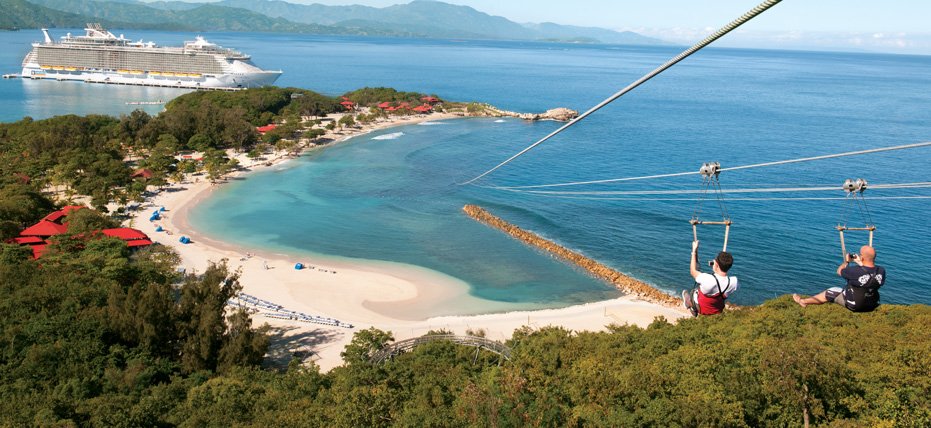
When we talk about the Caribbean, images of white sand beaches, turquoise waters and luxurious resorts often come to mind. But Haïti offers much more than a classic postcard. With its fascinating history, vibrant culture and breathtaking natural landscapes, Haïti stands out as a unique destination. Whether you are a culture vulture, nature enthusiast or curious foodie, Haïti is a treasure trove to explore. Discover why this country deserves a top spot on your travel list.

First black nation to free itself from slavery and gain independence from France in 1804 and influenced other liberation movements around the world, inspiring struggles for freedom and equality.

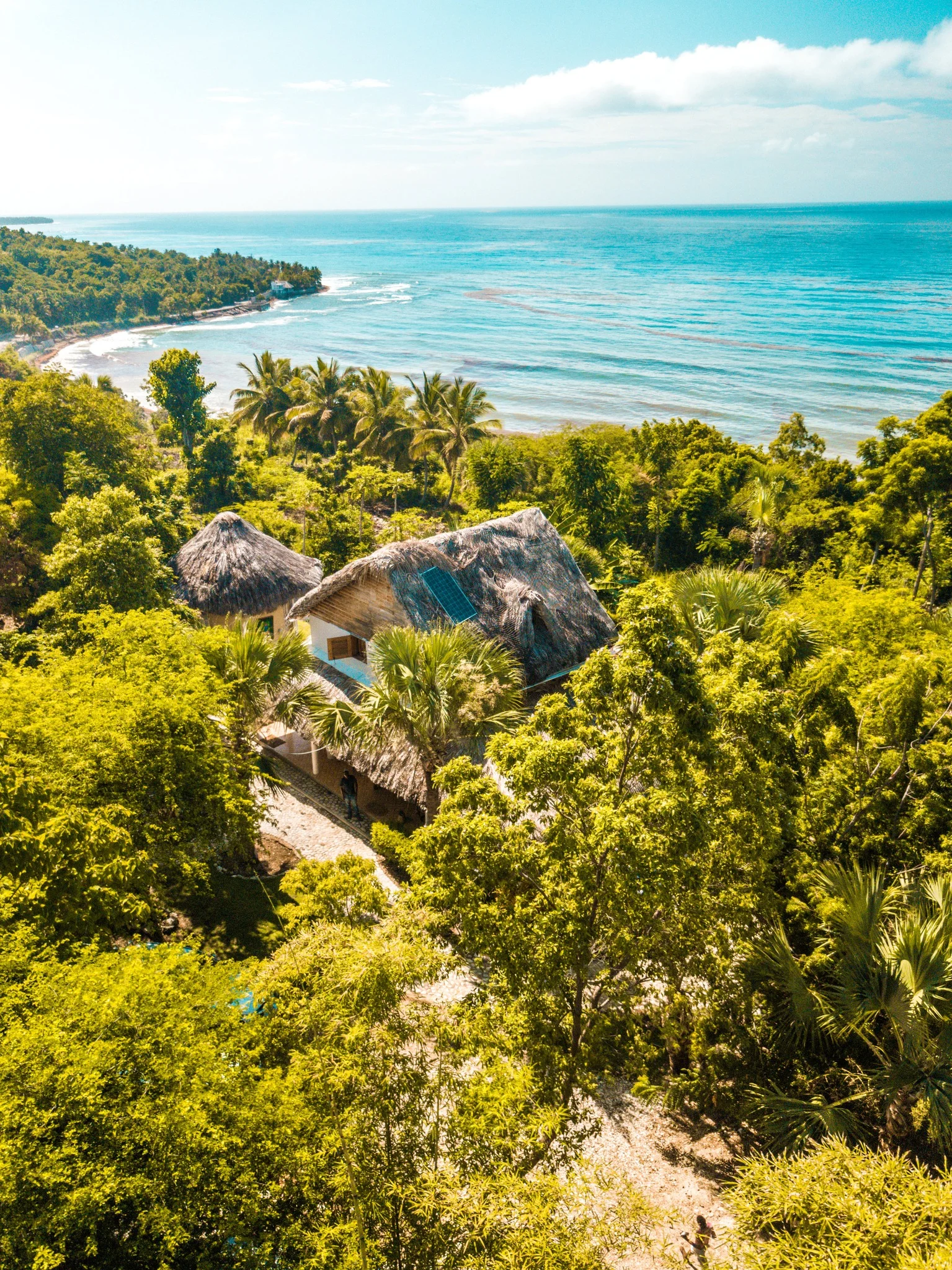
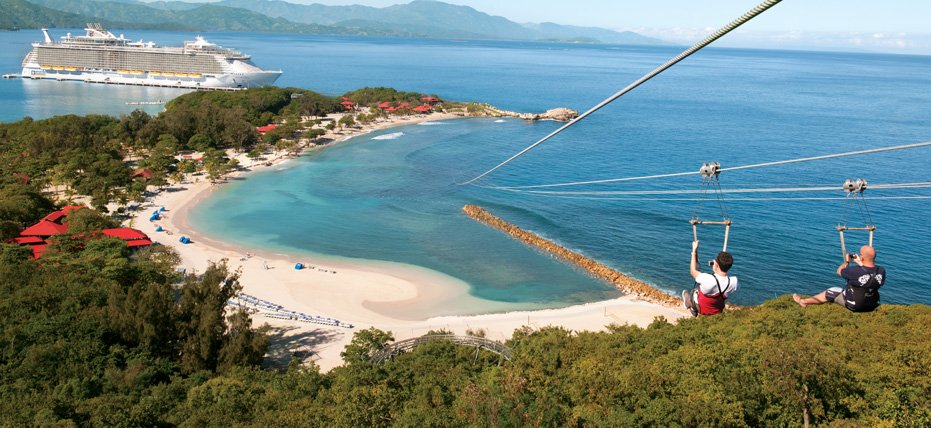
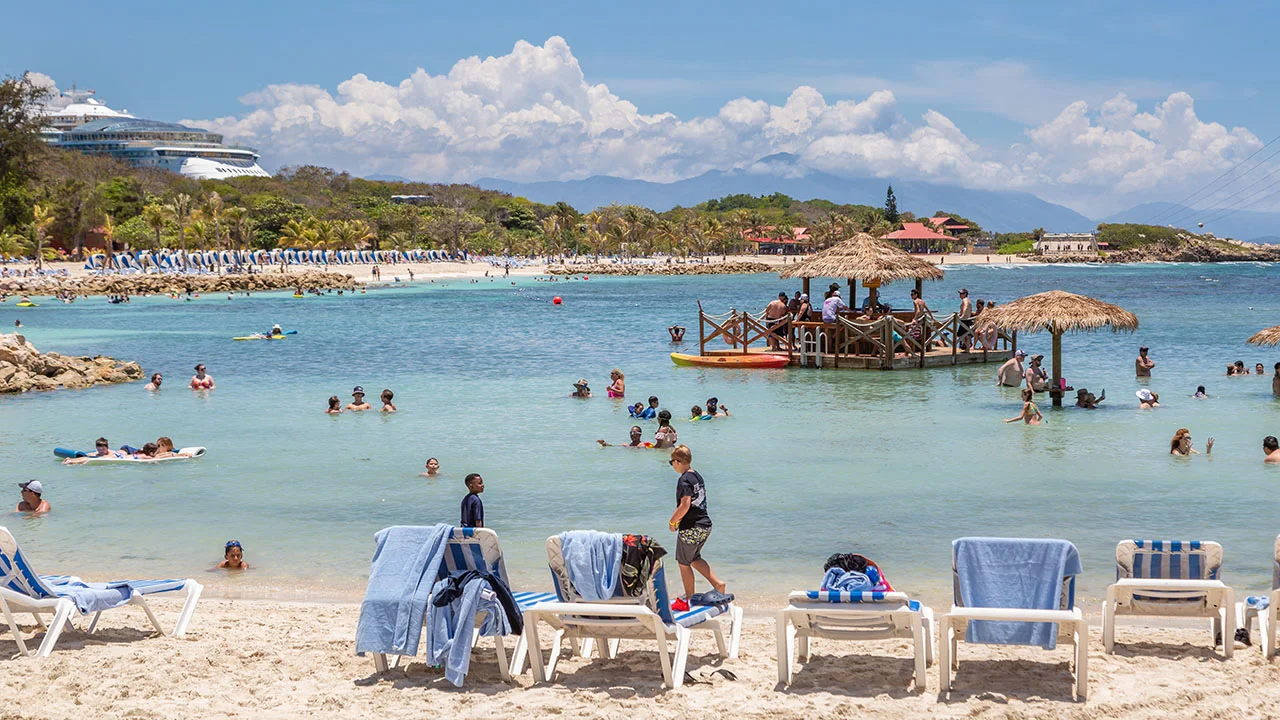
Haïti is blessed with spectacular natural landscapes, including white sand beaches, mountains and rich biodiversity.

Haïti has a rich historical heritage, including sites like the Citadelle Laferrière and the Sans-Souci Palace, listed as UNESCO World Heritage Sites.

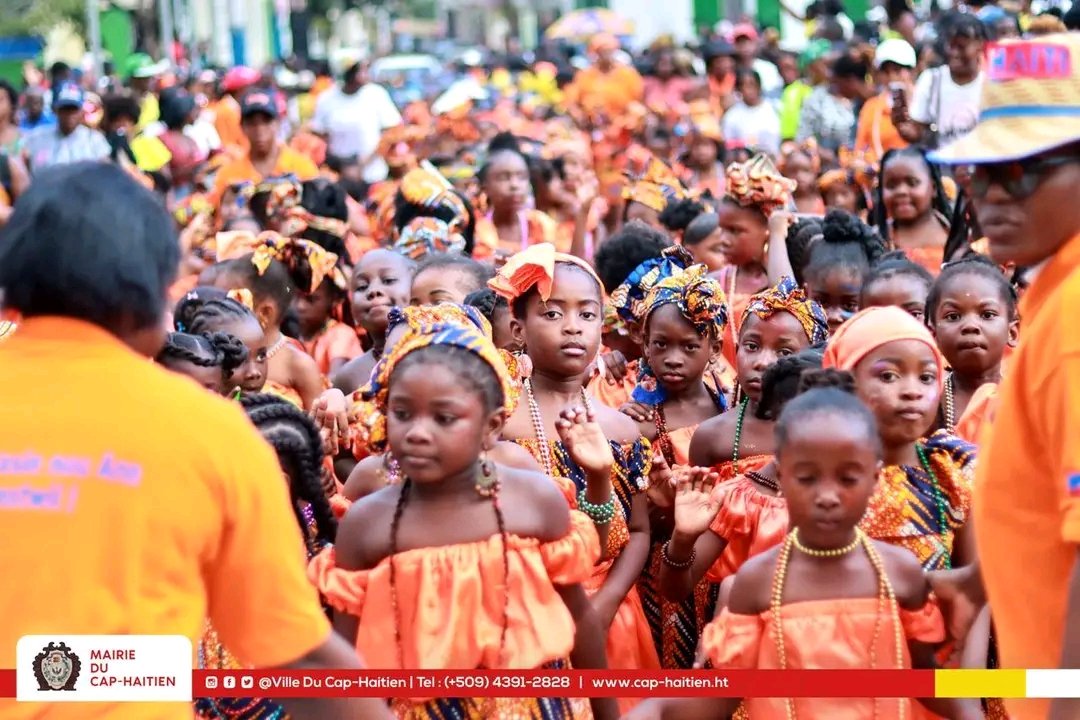
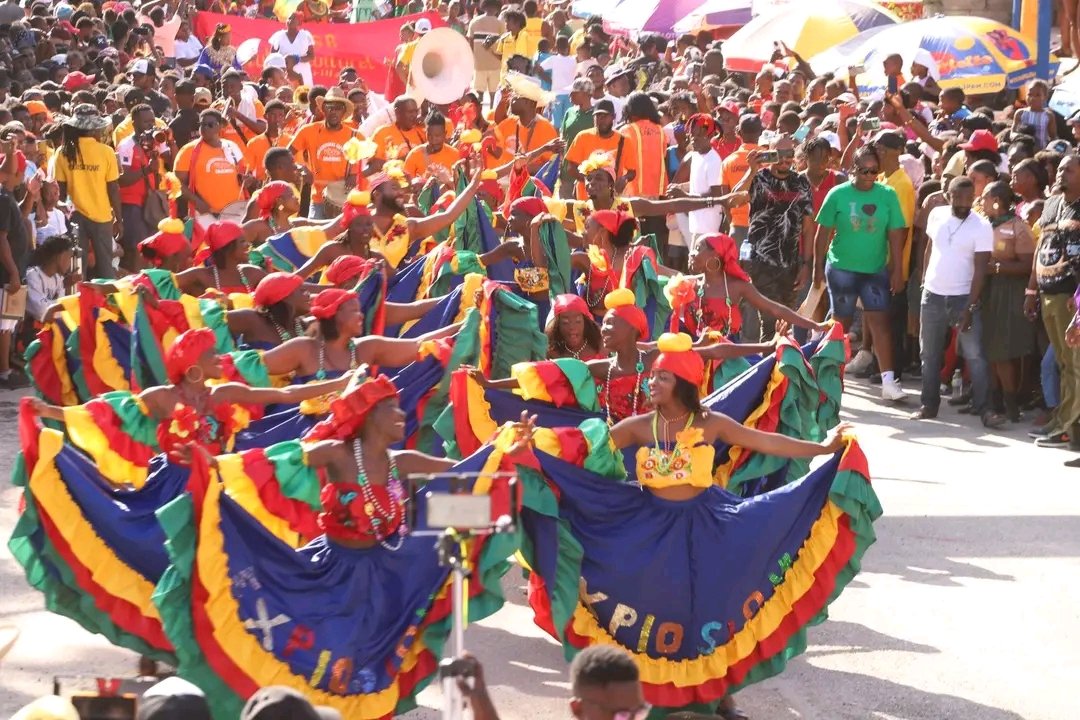
Haïti has a rich and diverse culture, influenced by African, European and indigenous elements. Haitian music, dance, art and cuisine are celebrated around the world.