World Tourism Day: 7 Reasons Why Haïti is an Exceptional Tourist Destination
Majestic citadel, heavenly beaches, vibrant art: Discover why Haiti is revolutionizing Caribbean tourism and why you absolutely must visit now.

Haiti, a Caribbean island rich in culture and tradition, is renowned for its unique craftsmanship and unparalleled creativity. From wrought iron work to wood carvings to vivid paintings and colorful textile creations, Haitian craftsmanship embodies the very essence of the art and soul of the Haitian people.
The "Letter to My Favorite Author" contest is a joint initiative by CSmon Publishing, a publishing house based in Virginia, USA, and the Port-au-Prince Book Fair. The contest aims to create a platform where young literature enthusiasts can express their affection and admiration for the authors who have impacted their lives through a letter dedicated to them. This letter can be written in Haitian Creole or French by any young person aged 18 to 30 living in Haiti. The author to whom the letter is addressed can be Haitian or foreign, and even from the medieval period. The contest began on January 27, with registration closing on that date, and will continue until April 15, when the prizes will be awarded. The awards, which are 75,000 gourdes for the winner, 50,000 gourdes for the second place, and 25,000 gourdes for third place, will be presented during the event "Living in Prose and Poetry," organized annually by the Port-au-Prince Book Fair, to be held in 2025 at the French Institute in Haiti.
Located in the Bay of Cap-Haitien, Fort Saint-Joseph stands like a silent guardian of Haiti’s tumultuous history. Built in two stages, in 1748 and 1774, this defensive work was once a crucial element of the city’s protection system against French colonial assaults. Alongside other forts such as Picolet and Magny, its mission was to control maritime passages and defend Haitian sovereignty. However, its history is not limited to its defensive function. In 1802, then under the control of General Henry Christophe, the fort became the scene of a heroic act of resistance. Faced with the French expeditionary army, Christophe ordered the destruction of the powder magazine and the entrance gate to the fort, thus rendering it temporarily unusable. This courageous gesture, although tactical, left indelible scars on the very structure of the fort, testifying to the fierce clashes between French colonial forces and Haitian resistance fighters. These historic marks, still visible today, offer a window into the country’s tumultuous past. They allow visitors and historians to interpret the fierce struggles that forged Haitian identity. Fort Saint-Joseph, as a witness to the resistance and the struggle for freedom, embodies the indomitable spirit of the Haitian people. Recognizing its historical significance, the Haitian government officially classified Fort Saint-Joseph as national heritage in 1995. This recognition paved the way for restoration efforts aimed at preserving this precious vestige of Haitian military heritage. Thanks to collaboration between the public sector and local private funding, the fort has recently been restored and enhanced. Thus, Fort Saint-Joseph remains much more than a simple stone structure. It is a living symbol of the resilience and determination of the Haitian people, reminding all visitors that Haiti’s history is deeply rooted in the struggle for freedom and human dignity. To virtually discover this jewel of Haitian history, you can visit the following link: https://haitiwonderland.com/haiti-virtual-reality-ht/monuments-histoire/haiti--fort-saint-joseph--visite- virtual/11
Haiti, rich in biodiversity and natural landscapes, is home to forests that are a testament to the beauty and ecological importance of the island. Among them, one stands out as the largest and most emblematic in the country. So, what is this forest? Discover its name, characteristics and importance for the Haitian environment.
Emeline Michel was born on March 21, 1966 in Dubedou, a small town located in the 5th communal section of Gonaïves, the city of Haitian independence. Both a singer and composer, today her influence transcends and goes beyond the borders of Haïti and the French-speaking world. After starting secondary studies at the Lycée Louis Diaquoi commonly known as the Lycée de jeunes filles des Gonaïves, she entered Port-au-Prince, at one point, to continue her studies at the Collège St Pierre de Port-au-Prince. It was in the Haitian capital, more precisely at the Baptiste de Bolosse church, that her talent was discovered and supported by religious leaders, who offered her scholarships to study music. It is his steps that will be the basis of his exceptional musical career, placing his name among the proudest Haitians and alongside the greatest names in Haitian music, such as Lionel Benjamin, Beethova Obas and Yole Dérose his mentor.
Summer in Haiti, a vibrant and sunny time, is much more than just a season. It is a celebration of life, culture and nature in this Caribbean country. Let me take you on a journey through the different facets of the Haitian summer, where the sun shines brightly, music resonates and nature flourishes.
If you dream of heavenly beaches where white sand, turquoise waters and landscapes blend, Haïti is the ideal destination for your vacation. This jewel of the Caribbean offers a multitude of beaches that captivate with their breathtaking beauty and unique atmosphere. Discover ten must-visit beach destinations in Haïti that promise to make your vacation unforgettable.
Haïti is full of natural and cultural treasures, and two cities stand out as the country’s top tourist capitals: Cap-Haïtien in the north and Jacmel in the southeast. Each of these cities offers unique experiences, reflecting Haiti’s rich history, culture, and nature. Let’s explore why these two destinations are must-sees for any traveler.
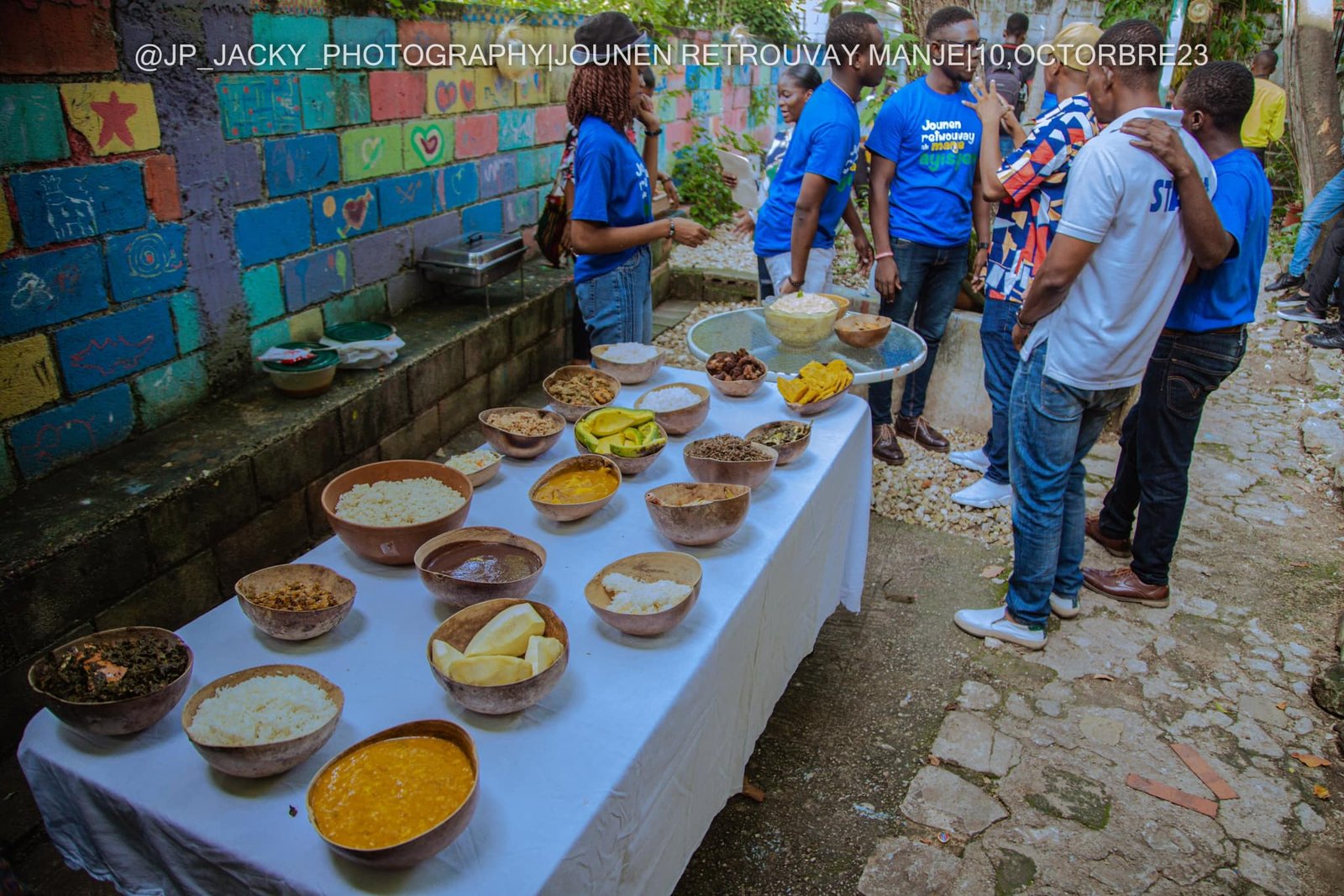
Haitian cuisine is a true culinary treasure that charms taste buds around the world. With its African, French, Creole and Native American influences, it offers a unique and memorable taste experience. From street food to festive dishes, Haitian cuisine celebrates the diversity of local ingredients and the ingenuity of chefs who transform them into culinary delights.
Haiti, a country rich in varied landscapes, is home to several natural treasures. Among them is the largest lake in the country, a little-known gem that plays a crucial role in the local ecosystem. Discover everything you need to know about this lake, its importance and its beauty.
Looking for a change of scenery, breathtaking landscapes, and a unique cultural immersion? Haïti is a little-known destination full of treasures to discover. From its heavenly beaches to its verdant mountains, its captivating history and its gastronomy rich in flavors, Haïti seduces adventurers and culture enthusiasts alike. In this article, dive into the wonders of this Caribbean island and discover why Haïti is a jewel to absolutely explore.
Article 2 of the Haitian Constitution of 1987, amended in 2011, establishes that the national colors are blue and red. These two colors are not simply aesthetic choices; they embody the history, culture, and aspirations of the Haitian people. Let’s dive into the deeper meanings and key facts associated with these emblematic colors. q~ARTICLE 2: The national colors are: blue and red.~q
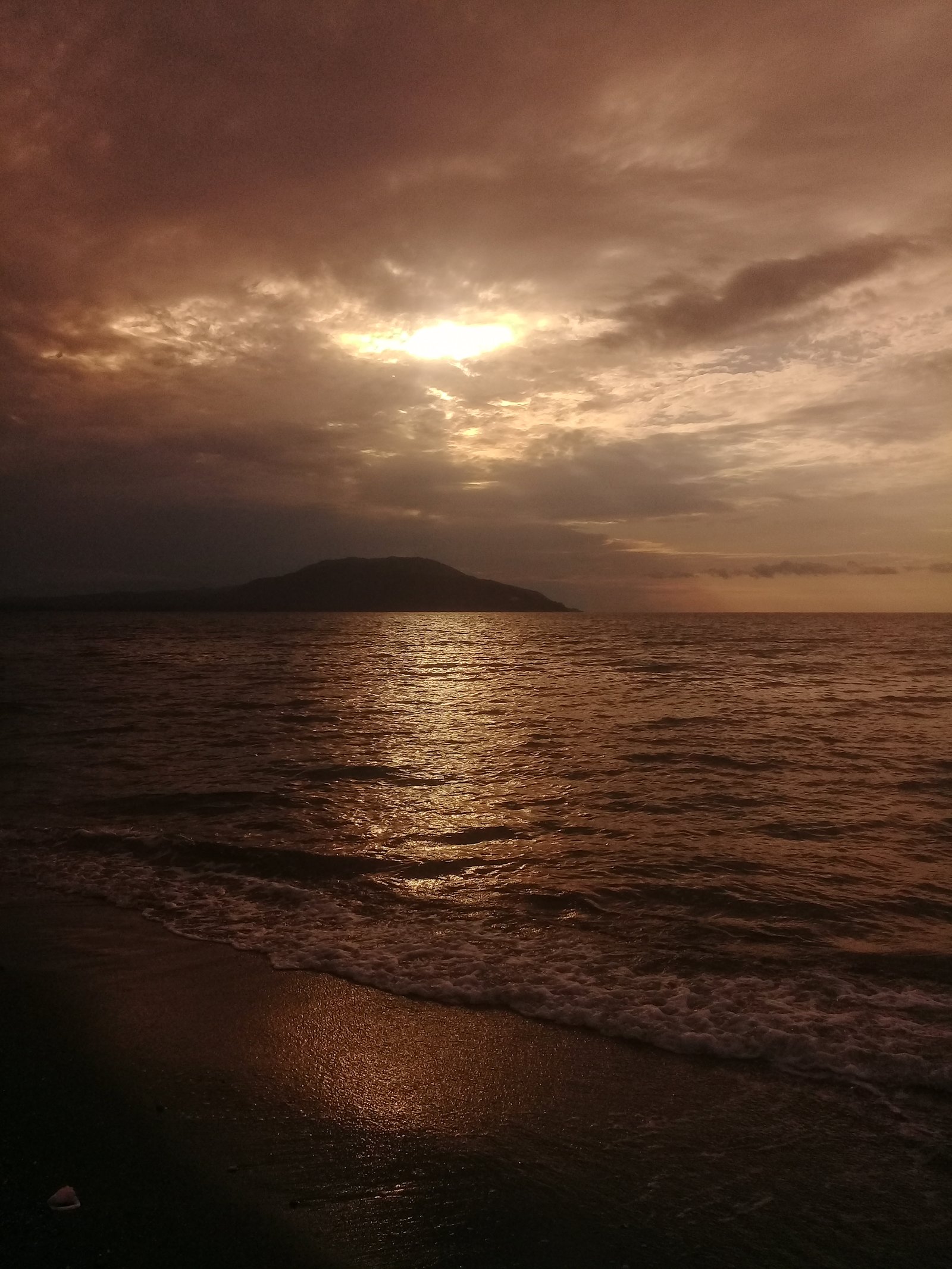
Imagine a place where summer never ends, where each dawn brings the promise of a day bathed in light. A place where the waves tirelessly murmur their melody on shores of gold and ivory, where time seems suspended in an eternal promise of warmth and beauty. The sun, faithful lover, caresses with its golden rays 1,700 kilometers of coastline, drawing a living picture where the cerulean blue of the ocean blends into the infinite azure of the sky. This paradise is not a mirage, it is Haiti, jewel of the Antilles, which opens its arms to you all year round. While in many regions of the world, access to beaches is often limited to the summer period, Haïti stands out for its beaches accessible all year round. Located in the Caribbean, this tropical destination offers pristine shores and turquoise waters that invite relaxation and adventure, whatever the season. Are you ready to experience an endless summer? Haïti extends its arms to you, and believe us, it’s an embrace you won’t want to let go of. Let’s find out together why this jewel of the West Indies deserves its place at the top of your list of dream destinations.
Salt production in Haïti is an ancestral know-how that plays an essential role in the economy of coastal areas. The regions most recognized for salt production are the Salines de Petite-Rivière de l’Artibonite, the coasts of Île de la Gonâve, the Salines de Port-au-Prince, as well as parts of the North and Southeast. This process, which depends on the country’s natural geography and maritime resources, continues to support local communities while providing an indispensable product to the Haitian economy.

First black nation to free itself from slavery and gain independence from France in 1804 and influenced other liberation movements around the world, inspiring struggles for freedom and equality.

Haïti is blessed with spectacular natural landscapes, including white sand beaches, mountains and rich biodiversity.

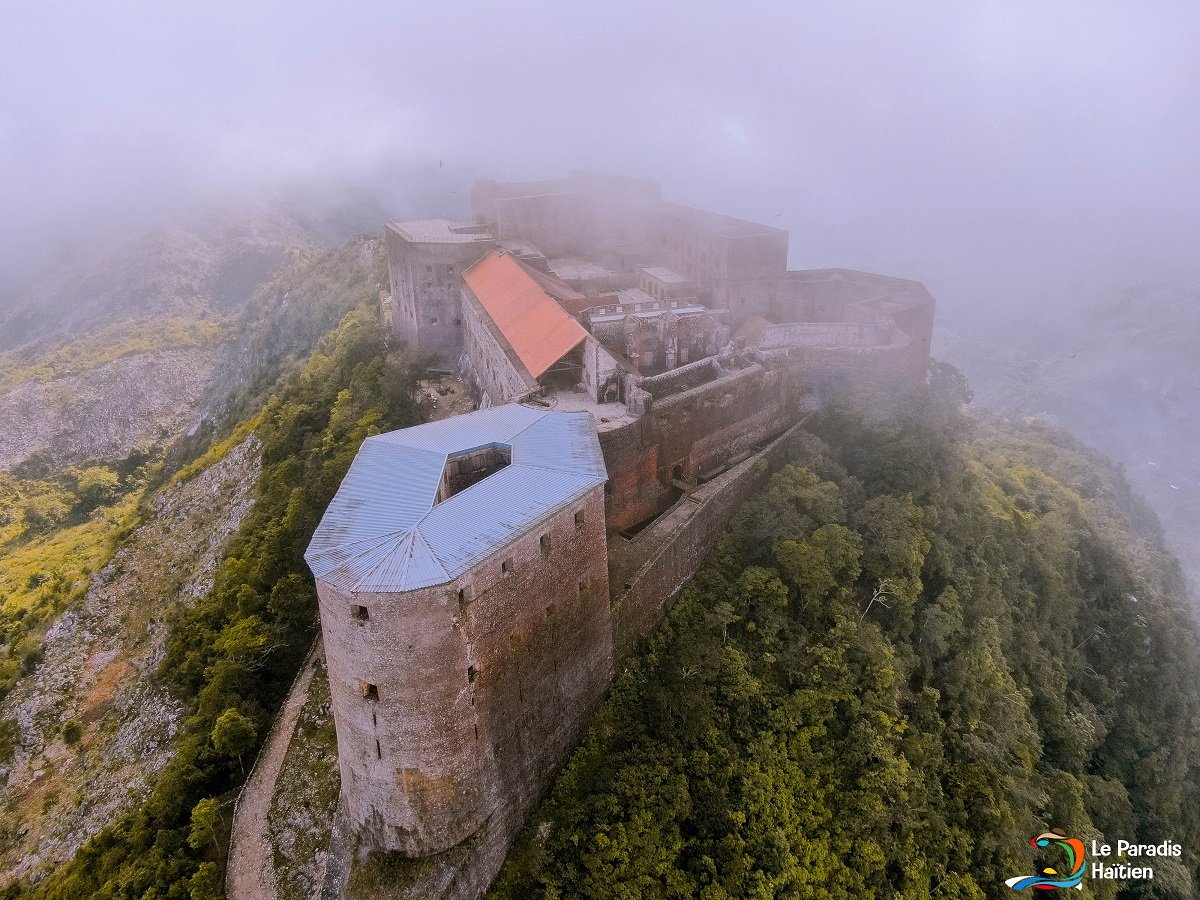
Haïti has a rich historical heritage, including sites like the Citadelle Laferrière and the Sans-Souci Palace, listed as UNESCO World Heritage Sites.

Haïti has a rich and diverse culture, influenced by African, European and indigenous elements. Haitian music, dance, art and cuisine are celebrated around the world.