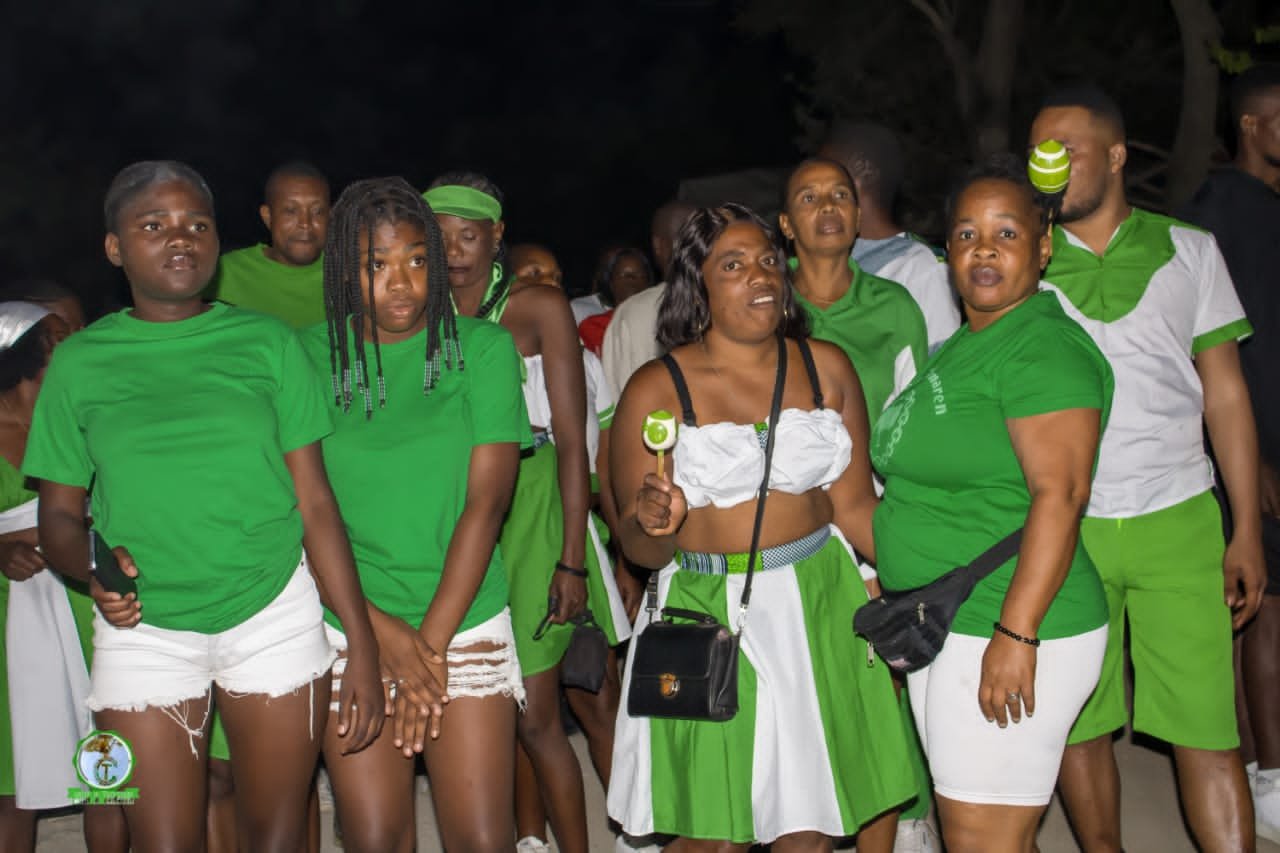
Haiti: The Rendez-Vous Christ Church inspires youth at a major conference
Discover how the Rendez-Vous Christ Church inspires Haitian youth at an unforgettable conference. Join us! #Haiti #Youth #Insp

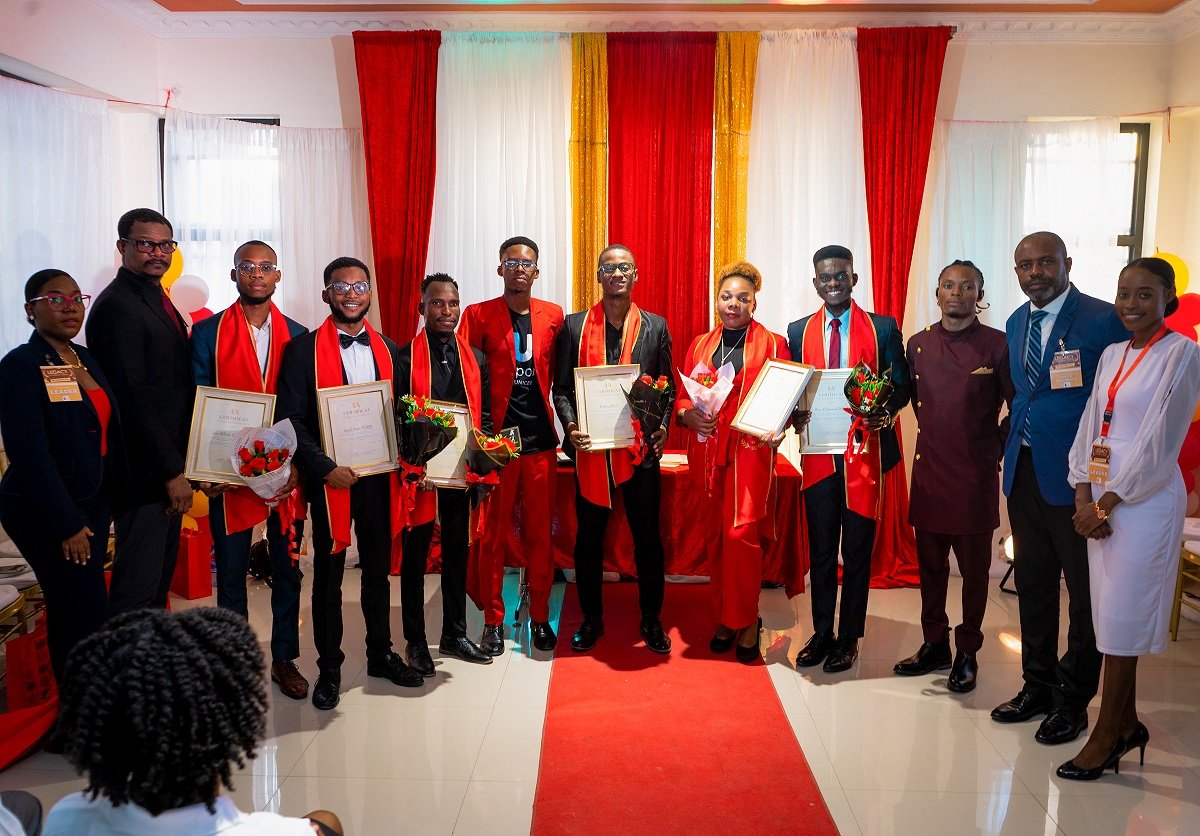
Since 2014, the “PRIM POU CHANJMAN” (PPC) initiative, orchestrated by Gwoup Konbit through Leaders of Tomorrow, honors extraordinary young Haitians who carry out remarkable actions to improve their community. Initially called the “CITE SOLEIL PEACE PRIZE” and limited to young people from Cité Soleil, this program expanded in 2023 to include all young people in the country with a positive social impact. For its 11th edition, three young leaders were rewarded for their dedication and social influence in their respective communities.
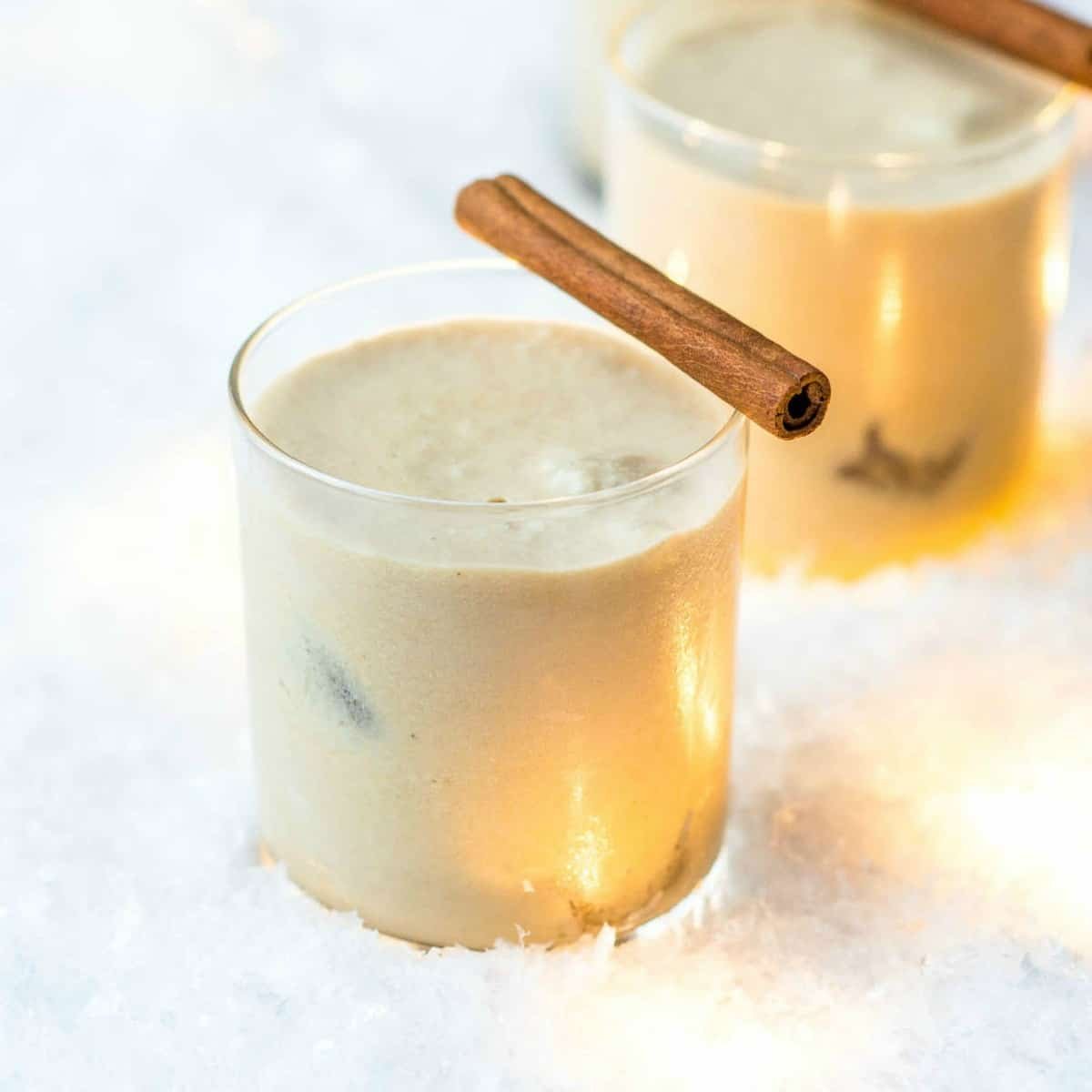
Haitian pain patate is a staple of traditional Haitian cuisine, often prepared for special occasions, holidays, or simply for the pleasure of enjoying a homemade dessert rich in flavor. This soft cake made with sweet potato, coconut milk, banana, and a savory blend of spices delights with its melt-in-the-mouth texture and irresistible aroma. Easy to make and full of character, pain patate is a true Proust madeleine for many Haitians. Whether you’re looking for comfort food or eager to discover a classic Caribbean pastry, this recipe will guide you step by step to successfully make this iconic Haitian dessert.
St. Clement Parish celebrates its seventy years of service to God and the Haitian community, this November 23, 2024, at 2975 N. Andrews Ave., Wilton Manors, FL. On the occasion of this celebration, Emeline Michel will be in exceptional concert to mark this cultural event. On the menu of this program, the committee plans to organize evangelization sessions, continuing education, fields of ethics, morality and spirituality. This event will also emphasize faith, reason and culture to rebuild in unity the kingdom of God here below where "Charity unites us to God". With the aim of raising culture to its peak, the Archbishop of Miami is pleased to join us for a great Eucharistic celebration on Saturday, November 23, 2024, starting at 10 a.m. Together, they will mark this mythical date engraved in the memory of his faithful and friends. This evening will be hosted by the icon of Haitian music, Emeline Michel, who has made a name for herself in the Haitian cultural landscape: "We welcome the famous singer Emeline Michel. She will do us the honor of reliving important and unforgettable moments of our charming land of Haiti. With her melodious, very captivating voice and her poetic songs, all the beautiful memories will be there, like our beaches, the light breeze of our mornings and the flight of capricious birds," wrote the press release. The 58-year-old diva continues to establish herself as one of the unique, contagious voices of Haitian music. While remaining in her style, she has been able to create her musical universe during her career, which has allowed her to be honored in the community by her fans. Emeline Michel, with her sincere lyrics and unique style, has managed to reach a wide audience without giving up her authenticity. With her songs and her melodious voice, she has rocked several generations. Throughout her musical career, she has an enriching repertoire, about thirteen albums to her credit, we can cite a few: Douvanjou ka leve (1987); Flanm (1989); Pa gen manti nan sa (1990); Rhum et Flamme (1993); Tout mon temps (1991); Emeline Michel, the very best (1994); Ban m pase (1996); Coedes and Soul (2001); Rasin Kreyòl (2004); Queen of Hearts (2007); Quintessence and lastly Gratitude (2015). She also has many collaborations with other artists. Chanjman and Jan mwen (2020, and 2021) Emeline Michel, 40 years of experience on stage, she carries all Haïti in her voice, her soul and her body. During her flourishing years of success, she has marked several continents where she has already performed (Antilles, America, Europe, Asia). This allowed her to discover several places, such as: Carnegie Hall, at the United Nations; the Teatro Manzoni in Milan; the Kravis Center in Florida; the International Jazz Festival (Haiti). Then, the Luminato Festival in Ontario; the International Jazz of Montreal; the New Orleans Jazz Fest; the Ten Days On The Island. The priest of the parish of St. Clement, Rev. Patrick Charles, took the opportunity to extend a warm invitation to the community to come celebrate this great day marking its seventieth anniversary and to entertain in order to once again highlight Haitian culture.
The Haitian People proclaim this Constitution: To guarantee their inalienable and imprescriptible rights to life, liberty and the pursuit of happiness; in accordance with their Act of Independence of 1804 and the Universal Declaration of Human Rights of 1948. To constitute a Haitian nation that is socially just, economically free and politically independent. To re-establish a stable and strong State, capable of protecting values, traditions, sovereignty, independence and national vision. To implement democracy that implies ideological pluralism and political alternation and affirm the inviolable rights of the Haitian People. To strengthen national unity, by eliminating all discrimination between urban and rural populations, by accepting the community of languages and culture and by recognizing the right to progress, information, education, health, work and leisure for all citizens. To ensure the separation and harmonious distribution of State Powers in the service of the fundamental and priority interests of the Nation. To establish a governmental regime based on fundamental freedoms and respect for human rights, social peace, economic equity, consultation and participation of the entire population in major decisions affecting national life, through effective decentralization.
Haiti, the pearl of the Antilles, is a country rich in history and culture. Its public holidays are moments of celebration, commemoration and reflection on its glorious past. Each date has a special meaning, plunging Haitians into a festive and memorable atmosphere. b~January 1: National Independence Day and New Year~b January 1st is a doubly special day in Haiti. On the one hand, it is National Independence Day, commemorating the victory of Haitian slaves over French colonial forces in 1804. On the other hand, it is New Year’s Eve, marking the start of a new year full of promises and hopes. b~January 2: Feast of the Forefathers~b January 2 is dedicated to the memory of ancestors. It is an opportunity for Haitians to remember their roots, to celebrate the cultural heritage passed down from generation to generation. b~February: Carnival, Shrove Monday, Fat Tuesday, Ash Wednesday~b The month of February is marked by Carnival, one of the most colorful and dynamic festivities in Haiti. The streets fill with parades, lively music and wild dancing. Mardi Gras is the culmination of Carnival, followed by Ash Wednesday, marking the start of Lent. b~April: Easter, Maundy Thursday, Good Friday~b Easter celebrations in Haïti include the religious traditions of Maundy Thursday and Good Friday. It is a time of prayer and reflection for many Haitians. b~May 1: Agriculture and Labor Day~b May 1 is dedicated to celebrating the work and importance of agriculture in the life of the country. It is an opportunity to recognize the efforts of workers and to highlight the agricultural sector. b~May 18: Flag Festival~b Flag Day celebrates the Haitian flag, a symbol of independence and national pride. Haitians honor their colors and remember the courage of their ancestors in the fight for freedom. b~May 23: National Sovereignty Day~b This day commemorates the recognition of Haitian sovereignty by France in 1805. It is a moment of national pride and reaffirmation of independence. b~May - August: Ascension~b The Ascension is celebrated between May and August, a religious festival marking the ascension of Jesus Christ into heaven. b~June: Fête-Dieu~b Fête-Dieu, also known as the Feast of the Body and Blood of Christ, is an important religious celebration in June. b~August 15: Assumption of Mary~b The Assumption of Mary is a Christian holiday marking the ascension of the Virgin Mary into heaven. It is celebrated with fervor in Haiti. b~September 20: Birth Anniversary of Jean-Jacques Dessalines~b This date commemorates the birth of Jean-Jacques Dessalines, one of the founding fathers of Haïti and a key leader in the struggle for independence. b~October 17: Death of Dessalines~b October 17 is a day of commemoration of the death of Jean-Jacques Dessalines, recalling his impact on Haitian history. b~November 1: All Saints’ Day~b All Saints’ Day is a religious holiday honoring all saints, celebrated with prayers and visits to cemeteries. b~November 2: Day of the Dead~b All Souls’ Day is an opportunity to pay homage to the deceased by decorating graves and participating in religious ceremonies. b~November 18: Commemoration of the Battle of Vertières~b This day honors the decisive Haitian victory at the Battle of Vertières in 1803, marking the end of the French occupation. b~December 5: Discovery Day~b December 5 celebrates the discovery of the island by Christopher Columbus in 1492. b~December 25: Christmas~b Christmas celebrations in Haïti are marked by family reunions, festive meals and religious traditions. Public holidays in Haïti are much more than breaks from everyday life; these are moments that embody the soul and resilience of a people. Each celebration provides an opportunity to come together, remember the past and look to the future with hope and determination.
Haiti’s independence, proclaimed on January 1, 1804, marked a major turning point in world history. As the first independent black republic, Haïti laid the foundation for an exceptional legacy, forged through the struggle for freedom, dignity, and equality. This legacy extends far beyond the borders of this island nation, influencing generations and inspiring movements around the world.
Haïti is full of natural and cultural treasures, and two cities stand out as the country’s top tourist capitals: Cap-Haïtien in the north and Jacmel in the southeast. Each of these cities offers unique experiences, reflecting Haiti’s rich history, culture, and nature. Let’s explore why these two destinations are must-sees for any traveler.
The Légendaires collective, based in Montreal, announces the celebration and commemoration of the 100th anniversary of the births of Coupé Cloué and Celia Cruz, born on May 16th for Coupé Cloué and October 21st for Celia Cruz. This highly deserved gesture of appreciation for these two major figures of Caribbean music is a demonstration of the bright legacy they left behind after their time on this earth. When referring to their contributions to the musical world and the magnificent symbolism their voices represent for their respective countries, this commemoration is indeed an opportunity to celebrate their identity alongside their music. The main events scheduled for this commemoration will take place on February 28th, May 10th, and October 18th. The event on February 28th at the Maison d’Haïti located at #3245, Émile-Journault Avenue will mark the launch of the celebrations honoring both artists. There will also be a Gala on May 10th in honor of King Coupé and October 18th in honor of the Cuban Queen.
Haiti, the pearl of the Antilles, is a country rich in history and traditions. Its vibrant and diverse culture is reflected through its national holidays, cultural festivities, traditional foods, religious beliefs, folk tales, and traditional games. Let’s immerse ourselves in the social fabric of Haïti to discover the beauty of its traditions. b~National Holidays:~b National holidays in Haïti are moments of pride and national unity as January 1, Independence Day, commemorates the victory of Haitian slaves over French colonial forces in 1804, making Haïti the first independent country in Haiti. Latin America and the Caribbean or the commemoration of the Battle of Vertières on November 18. The Battle of Vertières was one of the last great battles of the revolution. It took place in Vertières, near the town of Cap-Haitien. b~Cultural Festivities:~b Haïti is also famous for its cultural festivities, particularly Carnival, which is an explosion of color, dance, and music. Artistic and craft events, such as the Rara festival, are an opportunity for artists to showcase their talent. The Rara, a musical parade, combines folklore and spirituality, creating a unique experience. b~Traditional Foods:~b Haitian cuisine is a delight for the taste buds. Dishes like griot (fried pork), diri djon djon (rice with black mushrooms), and the legendary joumou (joumou soup) are an integral part of Haitian culinary tradition. Bold flavors, spices and cooking methods inherited from African and French tradition make Haitian cuisine unforgettable. b~Vodou:~b Vodou, often misunderstood, is a synchretic religion that incorporates elements of Catholicism, African animism, and indigenous beliefs. It plays a significant role in the daily lives of Haitians, influencing music, dance, and religious rites. Vodou is a profound expression of Haitian spirituality. The Tales (Krik Krak, Tim Tim, Bwa Sèch): Haitian folk tales, passed down from generation to generation, are rich in morality and wisdom. b~Konbit :~b The concept of Konbit represents community solidarity. Haitians come together to perform community tasks, whether in agricultural fields or for construction projects. It is a living example of the collective spirit that permeates Haitian society. The most recent major project to date concerns the construction of the canal from the Massacre River to Ouanaminthe, which took place between September and December 2023. Thousands of inhabitants of the north of the country mobilized all their forces to erect a canal allowing to collect water intended for irrigation of their plantations, with the aim of obtaining better harvests. Despite their modest means, they were motivated by the slogan "KPK" (Kanal la pap kanpe), a direct response to Dominican President Luis Abinader who warned them and did everything in his power to stop the construction of the canal. This channel represents the deep solidarity of Haitians and reaffirms national pride. Despite economic challenges, the people of northern Haïti have demonstrated exceptional determination to work together for a common goal. The slogan “Kanal la pap kanpe” embodies their resilience in the face of external pressures and demonstrates their unwavering will to continue the construction of the canal. b~Traditional Games:~b Traditional games are an essential part of daily life in Haiti. Games like lido, sote kòd, Yoyo, Ralba, Marèl, TiTaTo, Kay, lago kache, Monte kap, teke mab, woule sèk, twa fwa se manbo, and domino bring people together, promoting camaraderie and fun. Haitian traditions are a harmonious blend of spirituality, community, and cultural diversity. Every aspect, from national holidays to traditional games, helps weave the rich cultural tapestry that makes Haïti proud. These traditions are the beating heart of the nation, a precious heritage that continues to be passed down from generation to generation.
The Lagon des Huîtres National Park, one of the jewels of Haitian biodiversity, is a true natural sanctuary. This park is home to twenty-one lagoons forming an ecosystem of inestimable richness. The Pichon waterfall, with its twelve majestic waterfalls, embodies the wild beauty and natural power of the site. The park’s vegetation is dominated by Bayahondes (Prosopis juliflora), creating a dry forest that serves as a refuge for diverse wildlife. Among the most notable residents are the graceful Greater Flamingo (Phoenicopterus roseus) and the Ricord Iguana (Cyclura ricordi), a species endemic to the island of Hispaniola. The red, gray and white mangroves of the Lagon des Huîtres site play an essential role in providing protected habitats for a multitude of species.
The "love language" is a concept developed by Gary Chapman, which describes the different ways in which people express and receive love. There are five main love languages, including Gifts and Acts of Service. If you recognize yourself in these languages, here are the Top 5 Haitian dishes perfect for Valentine’s Day. Get ready to treat your partner on a special night!
Haitians have long been misunderstood when it comes to their treatment of animals, especially pets like cats and dogs. However, the truth is, Haitians hold deep affection for their animal companions, and this bond is reflected in the way they care for and nurture their pets. From rural areas to urban neighborhoods, pets are often regarded as part of the family, with Haitians showing immense dedication to their well-being. Here are some key aspects that highlight the strong relationship Haitians have with their pets.
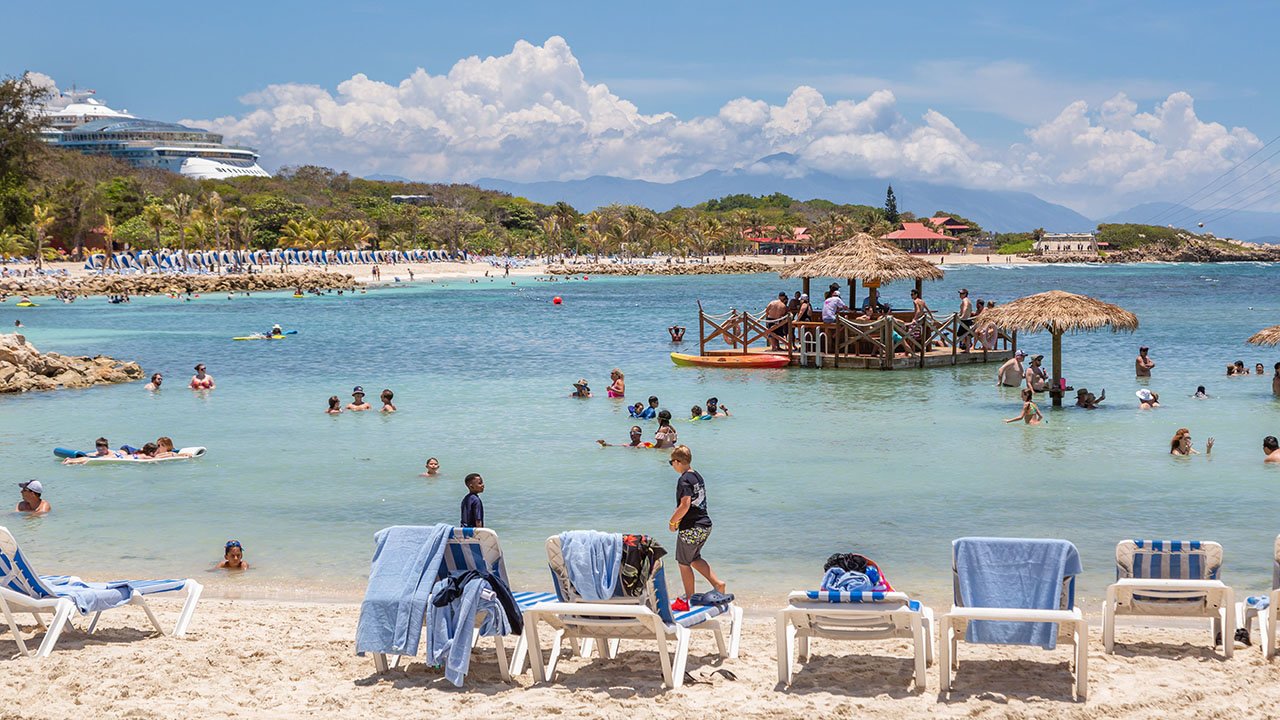
With its heavenly beaches, vibrant culture and fascinating history, Haïti is a captivating destination that deserves to be discovered. The first black country to gain its independence, Haïti is a country of contrasts, where mountains meet crystal clear waters and where every street corner reveals a unique part of culture. While we often hear about its challenges, Haïti also offers an unsuspected wealth for travelers in search of authenticity, heritage and adventures

First black nation to free itself from slavery and gain independence from France in 1804 and influenced other liberation movements around the world, inspiring struggles for freedom and equality.

Haïti is blessed with spectacular natural landscapes, including white sand beaches, mountains and rich biodiversity.

Haïti has a rich historical heritage, including sites like the Citadelle Laferrière and the Sans-Souci Palace, listed as UNESCO World Heritage Sites.

Haïti has a rich and diverse culture, influenced by African, European and indigenous elements. Haitian music, dance, art and cuisine are celebrated around the world.